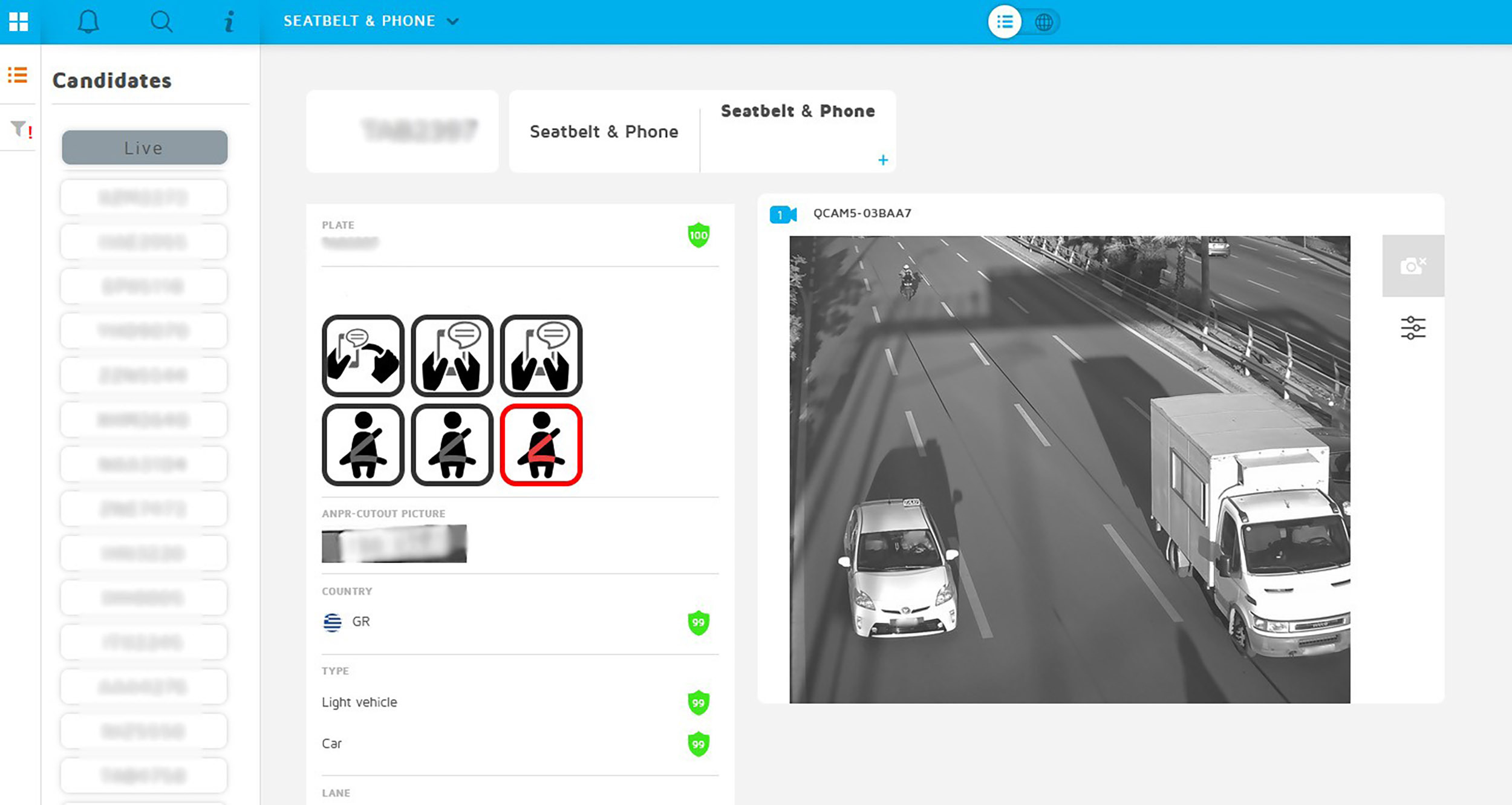
- Eight AI cameras were installed in Athens in mid-December.
- Nearly 29,000 violations were logged during the pilot phase.
- Fines will begin soon as calibration mode is phased out.
Artificial intelligence isn’t just powering chatbots and search engines, it’s also taking an increasingly firm grip on public infrastructure. One unexpected frontier? Traffic enforcement. In Europe, that effort is gaining traction in Greece, where AI is reshaping how road laws are monitored and enforced.
More: A Single AI Traffic Camera Issued Over 1,000 Fines In Just Four Days
Greek authorities appear to have hit a nerve with a new generation of AI traffic cameras, exposing just how many motorists treat rules as optional when no one’s around. Earlier this month, preliminary data revealed that a single AI camera in Athens had issued over 1,000 fines in just four days.
Now, officials have shared broader results from the pilot program, and the numbers are startling. Between December 15 and January 8, just eight AI cameras registered 28,973 violations.
What Else Are These Cameras Catching?
Unlike conventional speed cameras that focus on a single metric, these new AI-powered systems cast a much wider net. They continuously analyze traffic patterns and driver behavior, adding a more nuanced, and arguably more intrusive, layer to enforcement. That’s both a breakthrough and a privacy minefield.
These cameras appear to be sourced from Acusensus, an Australia-based company whose AI traffic systems are already in operation across the UK, Greece, Australia, and several other countries. We even recently spotted them in Arkansas as part of a new enforcement program set to begin this month.
They are capable of identifying drivers who are using mobile phones, not wearing seatbelts, speeding, running red lights, or driving in lanes reserved for buses. All of this happens automatically, without anyone physically monitoring the footage on-site.
More: A Few Dozen Cameras Caught 10,000 Drivers Running A Red Light
The results are painting a far more candid picture of everyday driving habits than what conventional patrols could ever reveal. Despite the locations of the cameras being publicly available, thousands of drivers are still getting caught as if no one is watching.
Just How Bad Is It Out There?
The first batch of cameras was placed at seven key spots around Athens and its southern suburbs, primarily along major roads and intersections. Even with this limited rollout, the systems have proven relentless, logging more than 1,100 violations a day. No traditional enforcement method could match that scale.
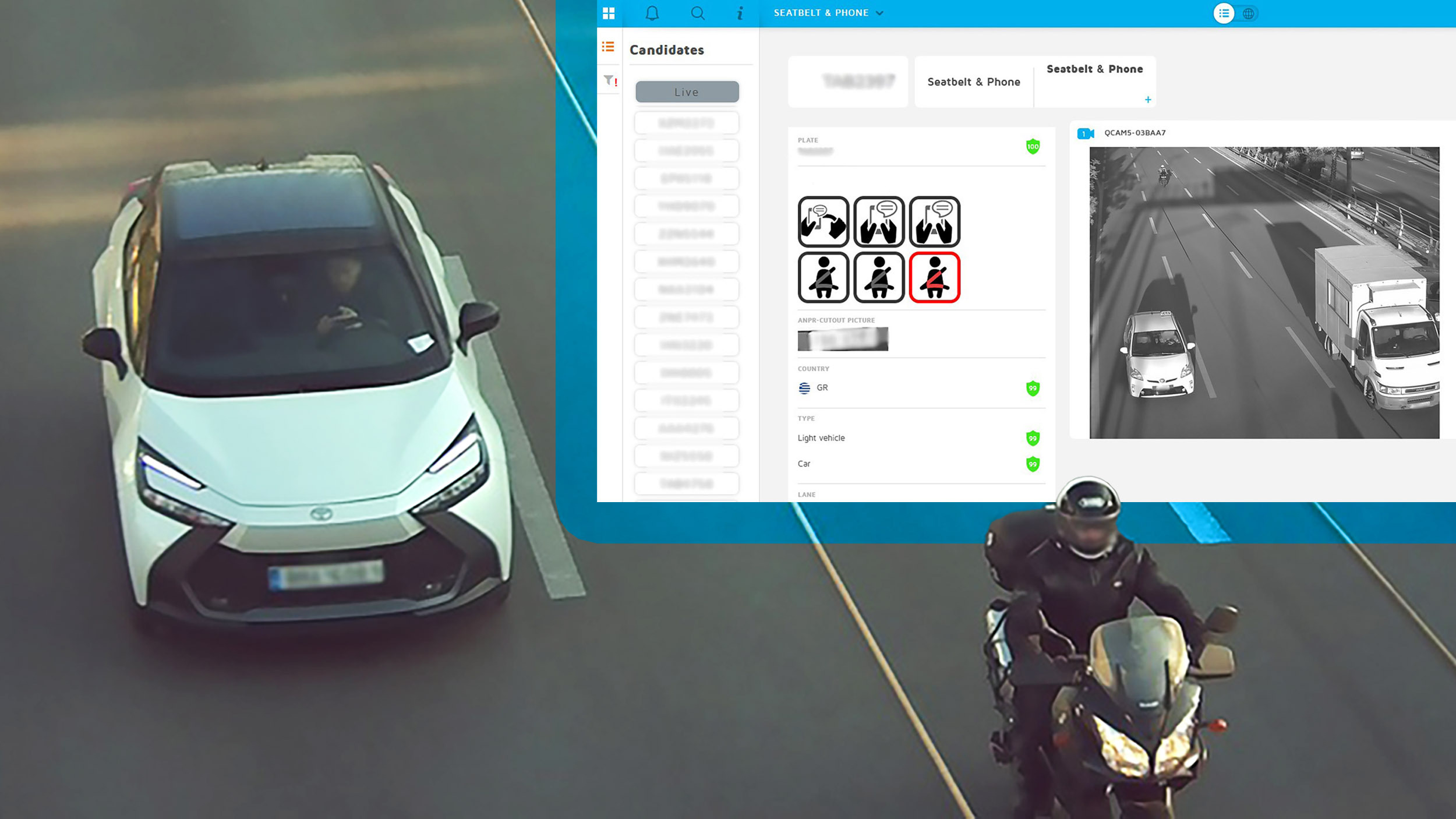
Data from the Greek Ministry of Digital Governance shows just how active some cameras have been. A single unit on Syngrou Avenue flagged over 8,000 drivers for either not wearing a seatbelt or using their phone. It also recorded 1,028 speeding violations, all in a zone with a 90 km/h (56 mph) limit.
More: This EU Country Wants To Ban Fuel Sales To Helmetless Motorcyclists
Elsewhere, major intersections seem to have turned into red-light violation factories. On Vouliagmenis Avenue, a single camera logged 13,722 red-light infractions in under a month. Mesogeion Avenue in Chalandri wasn’t far behind, with 5,872 drivers recorded running the light during the same period.
Automated Fines Directly To Your Phone
For now, the AI cameras remain in a calibration and evaluation phase, meaning violations are being recorded but fines aren’t yet issued automatically. That’s set to change later this month, once full integration is complete. Offenders will begin receiving automated fines directly in their digital inbox, with embedded photos that leave little room for argument.
The Price of Getting Caught
Fines are steep, not just by local standards, but even compared to those in the United States. In Greece, being caught without a seatbelt or using a mobile phone carries a €350 penalty (about $410). Speeding fines range from €150 to €750 ($180 to $880), depending on the severity.
Penalties for running a red light are also quite significant, with a €700 ($820) fine and a 60-day license suspension for a first offense. A second raises the fine to €1,000 ($1,180) and results in a 180-day suspension. Third-time offenders face a €2,000 ($2,340) fine and a full year off the road.
To put those numbers in perspective, the average monthly salary in Greece is around €1,200 ($1,400).
Privacy Laws in the Crosshairs
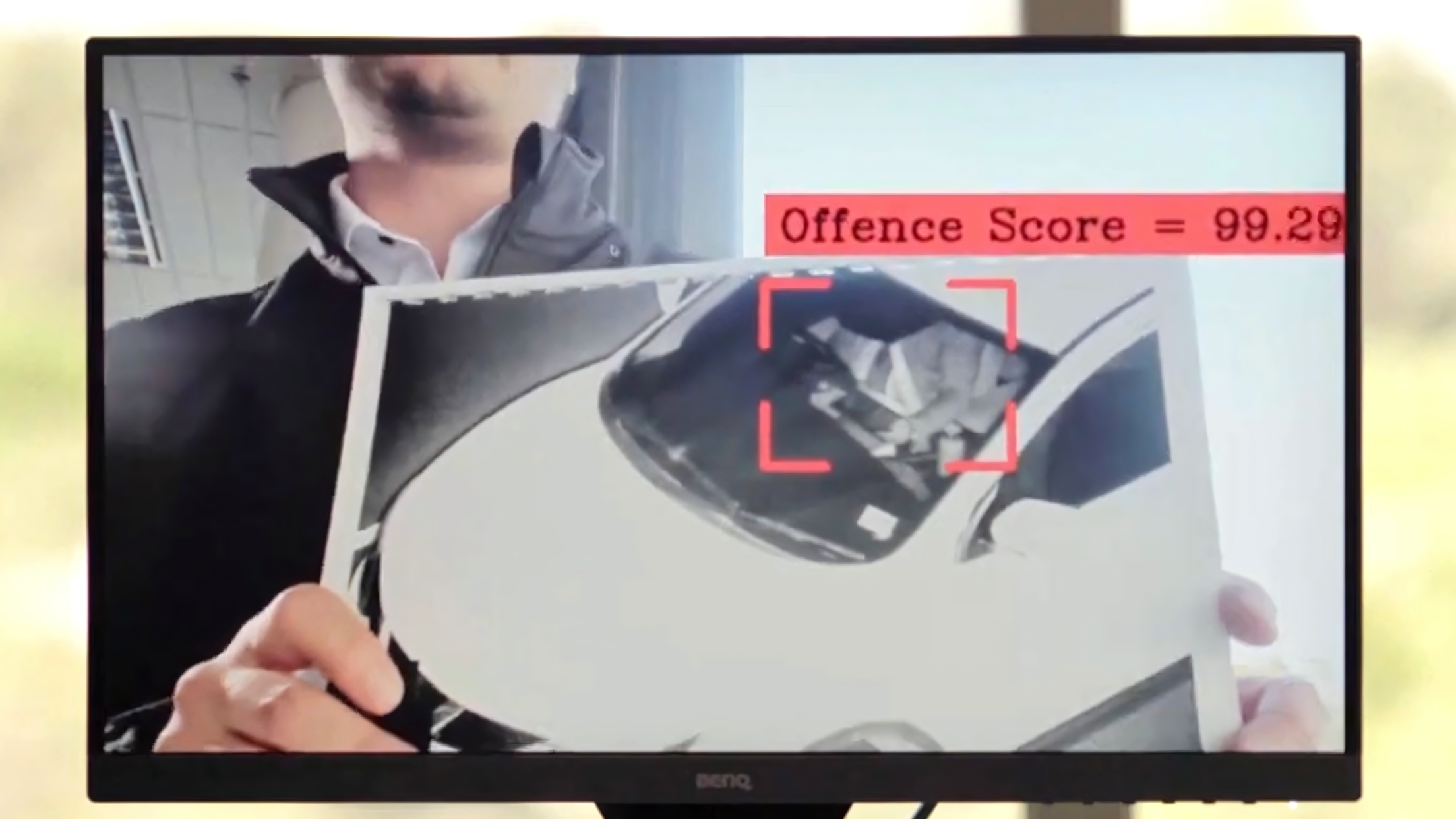
Still, the conversation isn’t just about penalties. The expanding use of these AI cameras raises legitimate questions about privacy, specifically, how long the footage is stored, who has access to it, and how the data is used.
More: Dallas Has Hundreds Of AI Traffic Cameras, And Now Everyone’s Watching
Speaking on condition of anonymity, one source we spoke to expressed concern that the system may conflict with Greek and EU privacy laws. They also suggested that the legality of the AI program could eventually be challenged in court. It wouldn’t be the first time Greece ended up navigating legal trouble after a rollout was already underway.
What we know for sure is that the number of recorded violations is expected to grow significantly as more cameras are being installed. The program includes a total of 2,000 cameras in fixed locations and another 500 mobile units with a budget of around €93.8 million ($109 million) before taxes, for procurement, installation, integration, operation and maintenance.
Who Else Is Doing This?
AI-assisted traffic enforcement is becoming a familiar part of everyday driving in large parts of the world. Countries such as the UK, Germany, France, and Spain have been using intelligent camera systems for years to detect speeding, red-light violations, and distracted driving, while Australia has pushed the technology with mobile phone detection cameras.
Similar approaches are embedded in road safety policies across the United States, India, China, Japan, and several Middle Eastern nations. Like it or not, smart enforcement is becoming a global norm.