- Honda has confirmed the CR-V e:FCEV will be going out of production in the future.
- Its death comes as a result of Honda deciding to end fuel cell production at a joint venture.
- In the meantime, the plug-in hybrid hydrogen crossover remains available for lease.
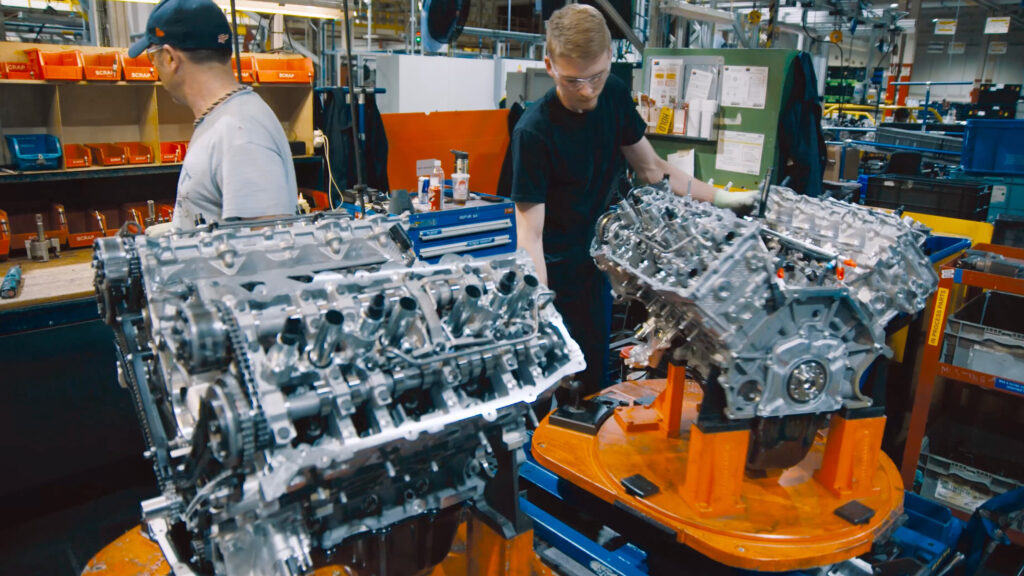
Earlier this week, Honda announced production of their current fuel cell would cease by the end of the year. It’s made by the Fuel Cell System Manufacturing joint venture with General Motors and is used in the CR-V e:FCEV.
We had a feeling the move would likely doom the crossover and it turns out we were right. In a statement, Honda told us “CR-V e:FCEV production will continue at the Performance Manufacturing Center in Ohio until all of the fuel cell systems currently being produced at FSCM are depleted or allocated for other purposes.” Once this occurs, the CR-V e:FCEV will join the Clarity Fuel Cell in the automotive history books.
More: GM And Honda Split Up On Fuel Cells, And The CR-V May Pay The Price
While it remains unclear when production will come to an end, Honda told us the CR-V e:FCEV continues to be available for lease in California. The automaker typically doesn’t break down sales figures for the variant, but a spokesperson told us they’ve leased around 200 vehicles in the Golden State.
That doesn’t sound like much, but hydrogen-powered vehicles are extremely rare and only available at select dealerships. To put that number into perspective, Toyota sold 210 Mirai sedans last year.



The CR-V e:FCEV was launched in the summer of 2024 and was only available for lease at 12 dealerships in California. The company offered multiple options, but a three-year lease cost $459 per month with $2,959 down and came with a $15,000 hydrogen fuel credit.
That’s not too shabby considering the model comes nicely equipped with a power liftgate and 18-inch wheels. Buyers will also find bio-based leather upholstery, heated front seats, and a heated steering wheel. They’re joined by a 10.2-inch digital instrument cluster, a 9-inch infotainment system, and a 12-speaker Bose premium audio system. Rounding out the highlights are a wireless smartphone charger and a dual-zone climate control system.


More interestingly, the CR-V e:FCEV combines a fuel cell with a plug-in hybrid powertrain. The latter gives the crossover an electric-only range of 29 miles (47 km) and this minimizes hydrogen consumption.
Speaking of the powertrain, the crossover has a 17.7 kWh battery pack and tanks that store 9.5 lb (4.3 kg) of hydrogen. Electricity flows to a front-mounted motor developing 174 hp (130 kW / 176 PS) and 229 lb-ft (310 Nm) of torque. Overall, customers can expect an EPA range of 270 miles (435 km).
Honda Isn’t Giving Up On Hydrogen
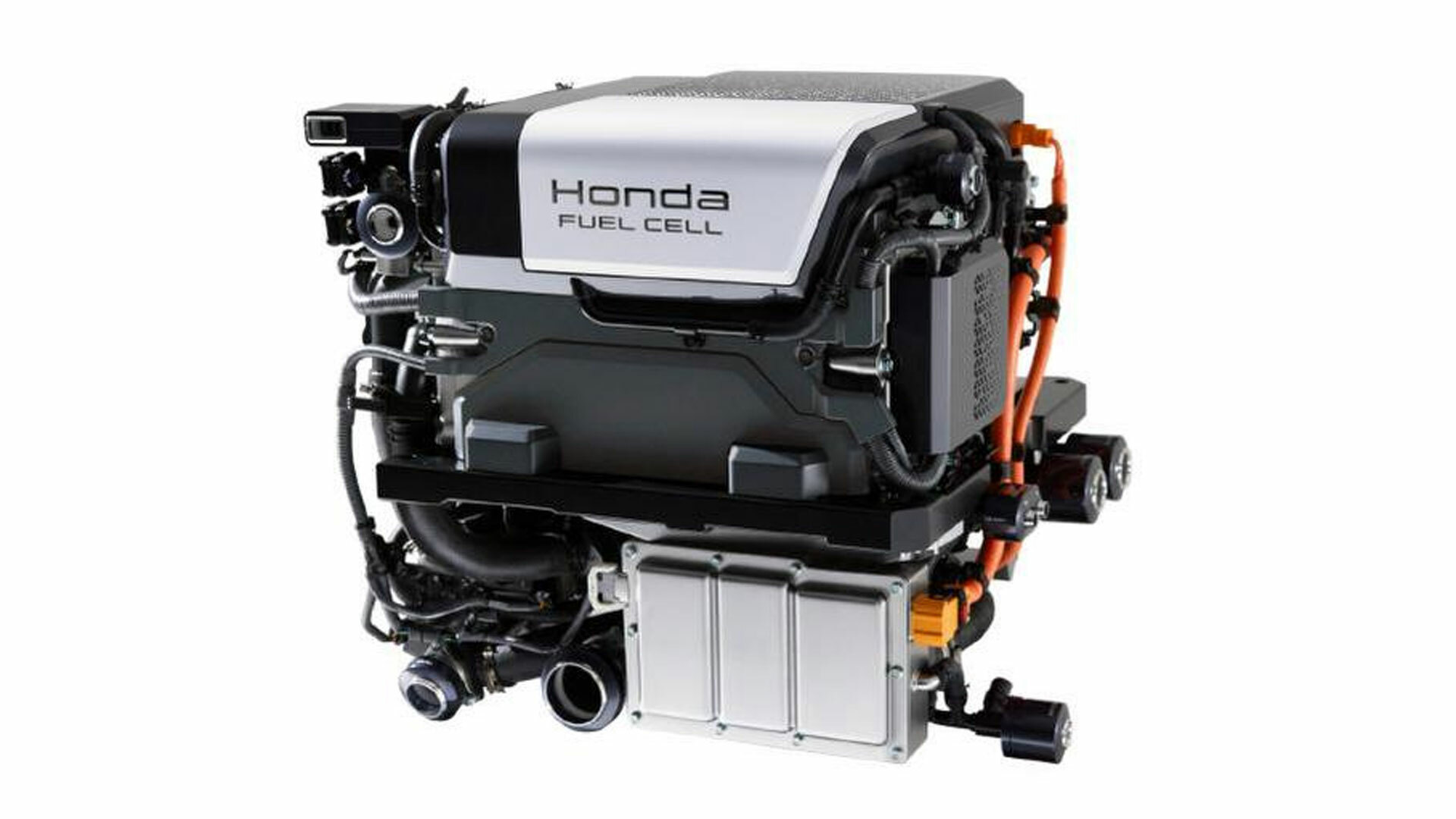
While the CR-V e:FCEV will eventually be going away, Honda isn’t giving up on hydrogen as they’ve already announced plans for a next-generation fuel cell. It has been developed in-house and the company will use it to “further expand business opportunities in order to grow its hydrogen business as one of the new core businesses of Honda.”
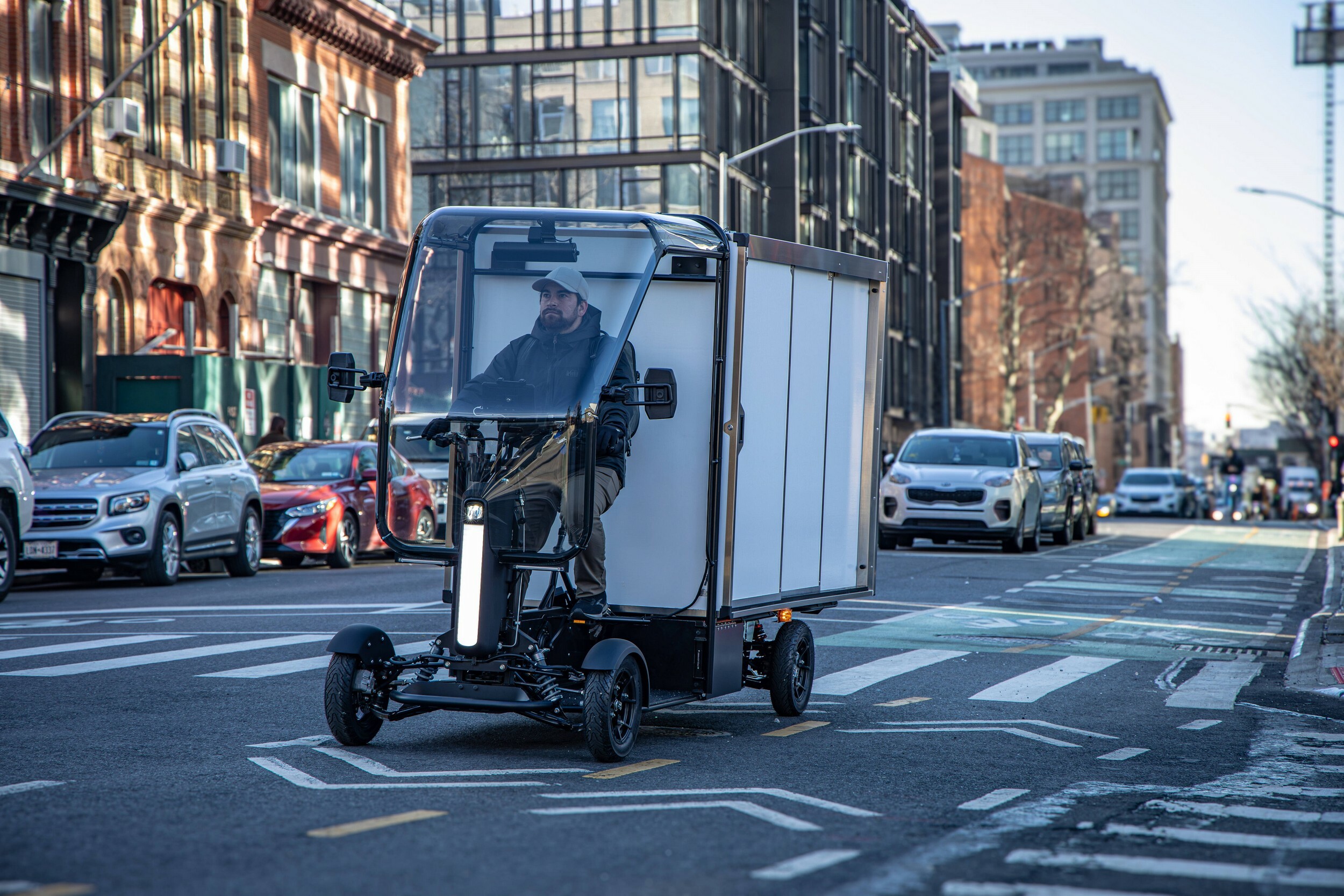
As for the former home of the Acura NSX, the Performance Manufacturing Center will be focused on building the Fastport eQuad electric delivery vehicle.