









- Tesla removed base Autopilot from new Model 3 and Model Y.
- Lane keeping now requires a $99-per-month FSD subscription.
- Rivals still include lane assist as standard safety equipment.
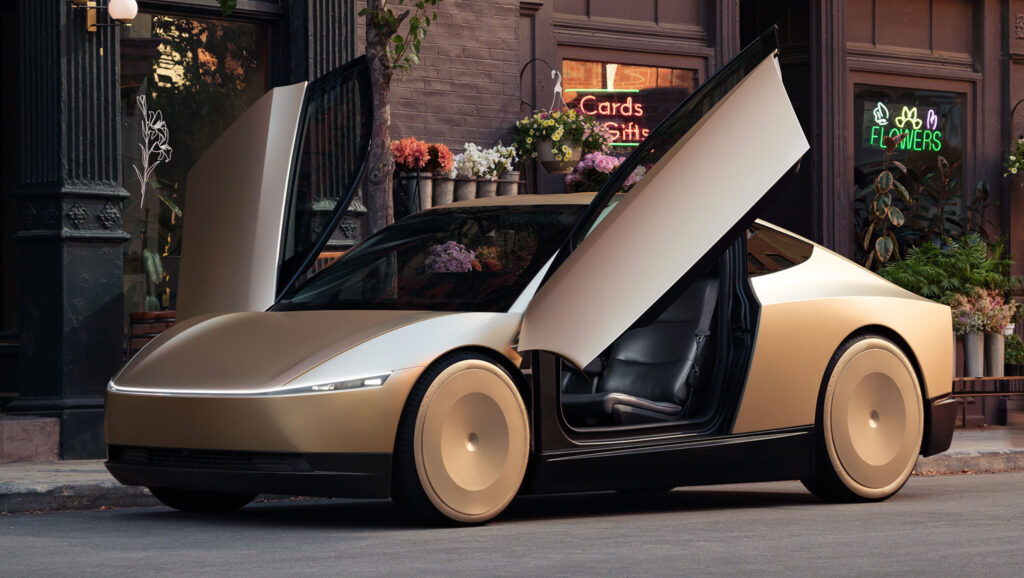
For almost seven years, Tesla buyers have benefited from what the brand calls Autopilot. The basic system enables stop-and-go radar-guided cruise control and lane-tracing. Plenty of new, inexpensive mainstream cars come with identical capabilities as a standard feature. Now, things are changing at Tesla, and buyers will have to either pay a monthly subscription fee or go without.
More: That $8,000 Tesla Upgrade Won’t Be Yours Much Longer
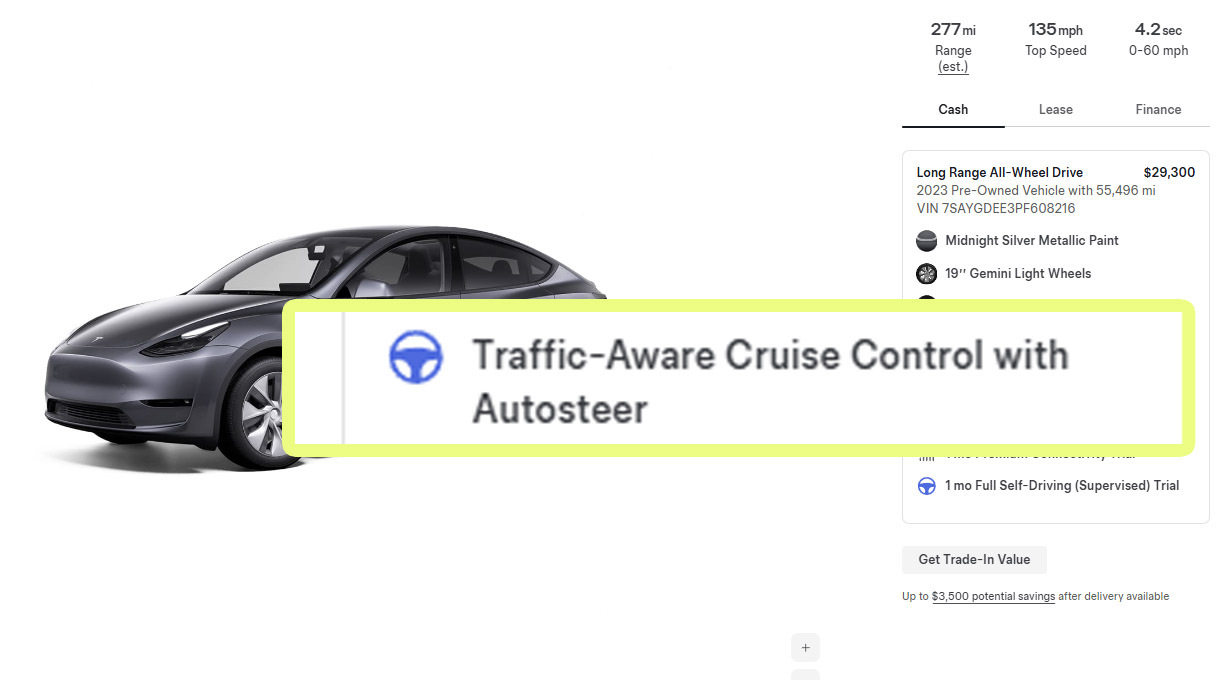
Basic Autopilot is being pulled from the lineup, effective immediately. Even the term itself has quietly disappeared from Tesla’s listings, now replaced with the more clinical “Traffic-Aware Cruise Control (TTAC) with Autosteer”, a clinical phrase Tesla has used in the past to describe the same Autopilot feature in official literature.
A Push Toward the Paywall
New-car buyers will still receive radar-guided Traffic-Aware Cruise Control, but none of the new models will include the lane-centering Autosteer feature unless the owner opts to pay $99 per month for Full Self-Driving (Supervised).
Existing owners retain whatever features were included with their original purchase. The timing is significant, as Tesla recently confirmed that Full Self-Driving will soon be available only through a subscription model.
Until mid-February, buyers can still purchase FSD outright for $8,000, but after that, the monthly fee will be the only option. By removing Autosteer from the free tier, Tesla creates a noticeable functionality gap that pushes buyers toward the subscription.
While FSD includes additional features beyond lane-keeping, Autosteer has long been viewed as a basic driver-assistance safety feature rather than a luxury upgrade. Again, plenty of very inexpensive cars come with it as standard.
Now, with it gone from Tesla’s menu, pretty basic cars, like the Kia Sportage we just reviewed, will boast better driving aids for less cash and no subscription in sight. Tesla now effectively charges $1,200 per year for comparable functionality. Elon Musk says that prices will go up over time, as well.
The move also arrives as Tesla faces mounting pressure on multiple fronts. Sales have been declining for two years, profit margins are shrinking, and the company has lost access to key U.S. subsidies that previously boosted earnings.
Tesla is also navigating regulatory scrutiny from various entities. On top of that, plenty of customers and even consumer-rights advocates are eager to see monthly subscriptions and paywalled features end for good.
Challenging Tesla’s Paywall Tactics
Louis Rossmann, a right-to-repair advocate, called the move out saying that it was Tesla trying to revoke ownership. He has a foundation made to inform people about the situation and another built to provide bounties for those who re-enable features that companies put behind paywalls after initially offering them for free.
What happens now won’t just be up to Tesla. Customers will ultimately decide if they’re willing to vote for or against the brand with their wallets.