









- Century Coupe may debut with a V12 hybrid making 800 hp.
- Toyota aims to rival Bentley and Rolls-Royce with new model.
- Production may begin in 2027 for Century’s 60th anniversary
Toyota’s dramatic Century Coupe, unveiled a few months ago, is headed for production, and it might do so with a surprising engine. According to a new report coming out of Japan, the flagship from Toyota’s Century brand could skip the 4.0-liter twin-turbo V8 from the GR GT. Instead, it’s rumored to debut with a twin-turbo 6.0-liter V12 plug-in hybrid setup.
Read: Toyota’s Century Coupe Refuses To Join The Electric Luxury Crowd
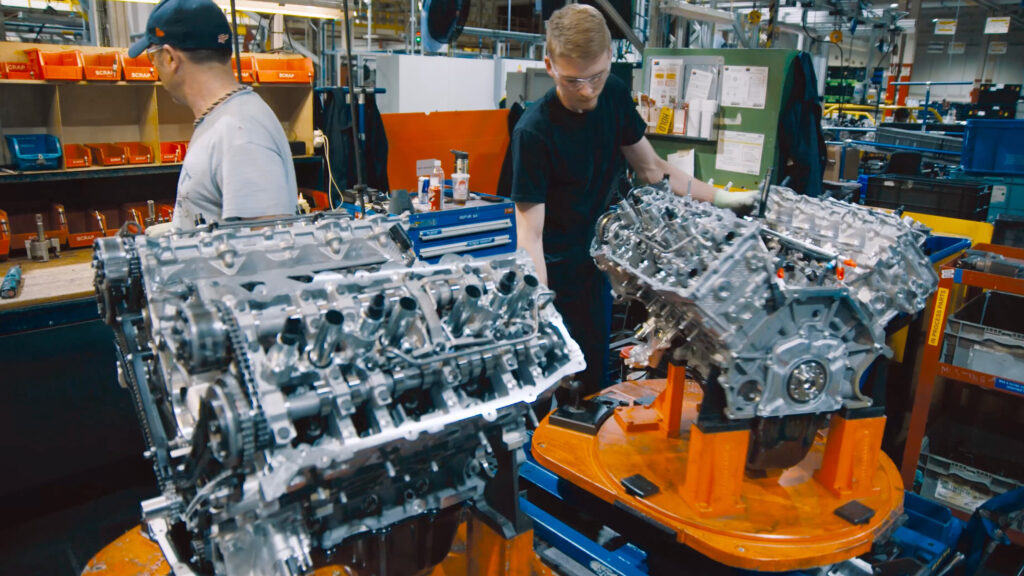
Such a powertrain would align with Toyota’s grand ambitions for the Century nameplate ,now that it has been spun off into a standalone brand. What’s still unclear is whether the rumored twin-turbo V12, expected to produce over 800 horsepower, will be a bespoke engine or derived from an existing design
It wouldn’t be the first time the Century has used a V12 of its own. For years, the sedan ran with an in-house developed twelve-cylinder unit before Toyota swapped it out for a hybrid V8 in the third-generation G60 sedan, launched in 2018. That powertrain makes up to 425 hp.
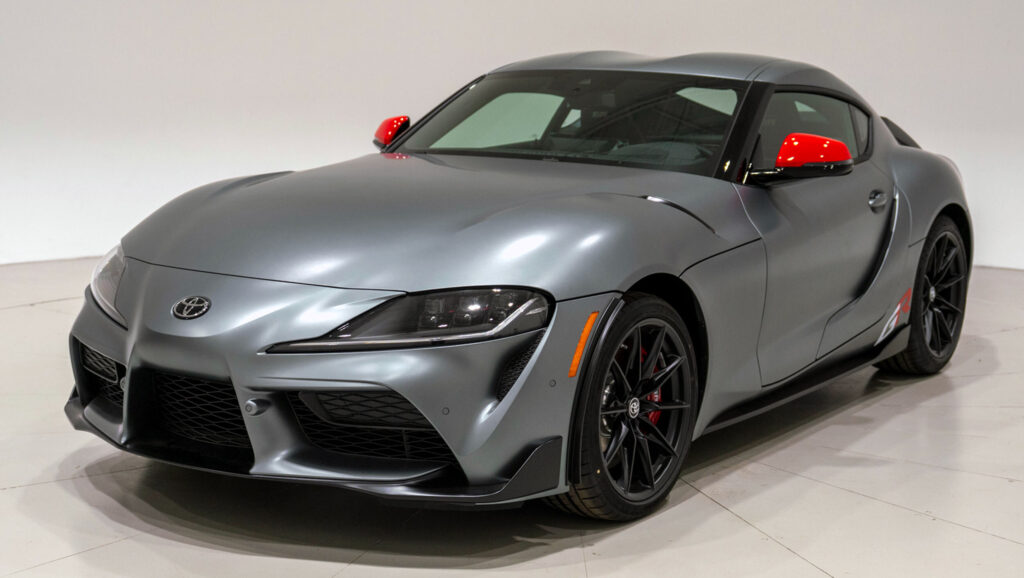
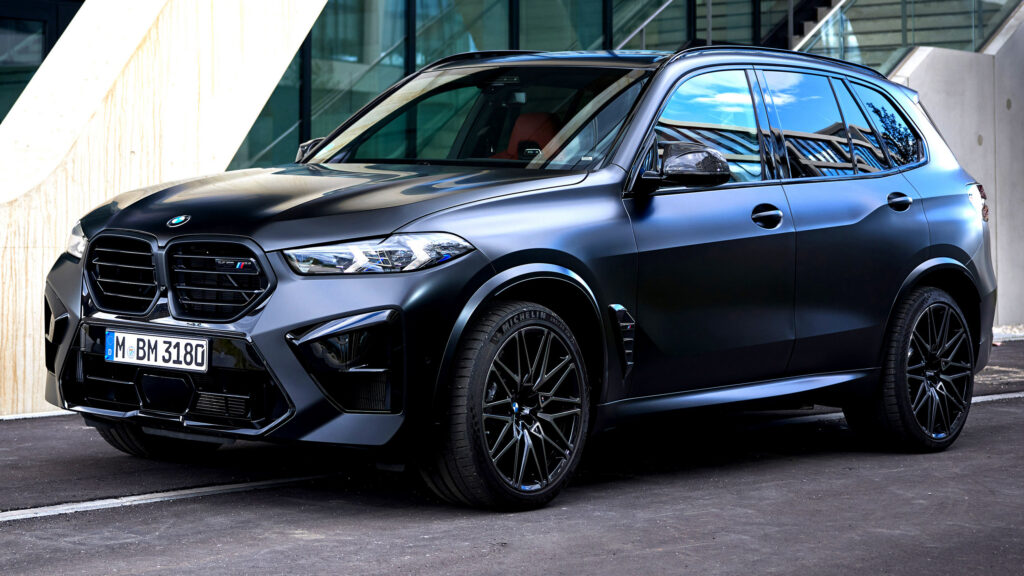
Japan’s Mag X, which first reported the story, notes that one speculative possibility involves merging two of BMW’s turbocharged 3.0-liter straight-sixes, the same engine used in the soon-to-be-discontinued Supra.
Still, that scenario feels unlikely. First, it would require approval from BMW, but more importantly, it would be a strange direction for a brand trying to carve out a distinct identity. Best to take that possibility with some skepticism.
In any case, to make sure all that power is put to use, the report claims Toyota will equip the coupe with its E-Four all-wheel drive system as standard. Transmission details are still limited, but the car is expected to feature either an eight-speed automatic or a ten-speed automatic.
Concept vs Production
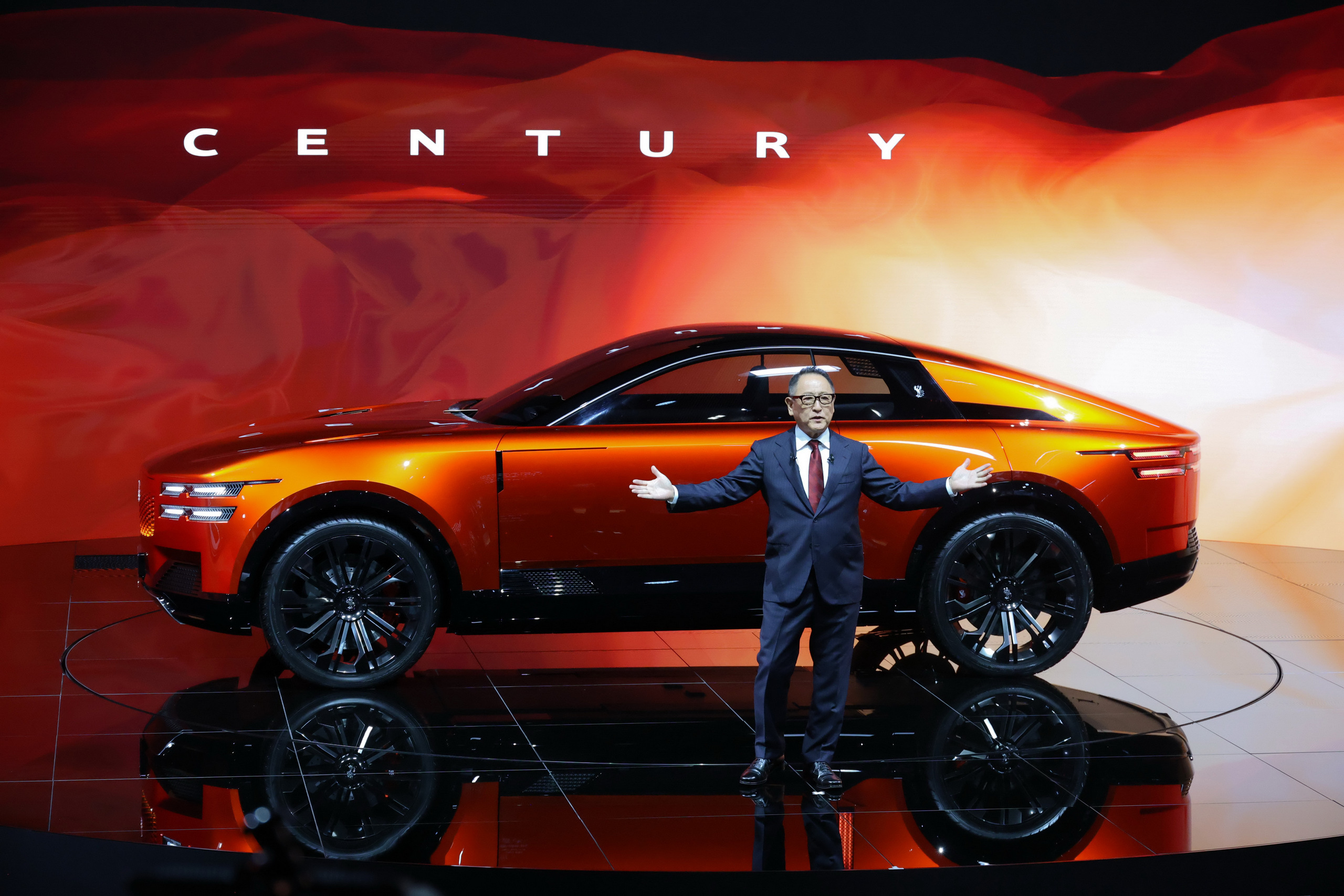
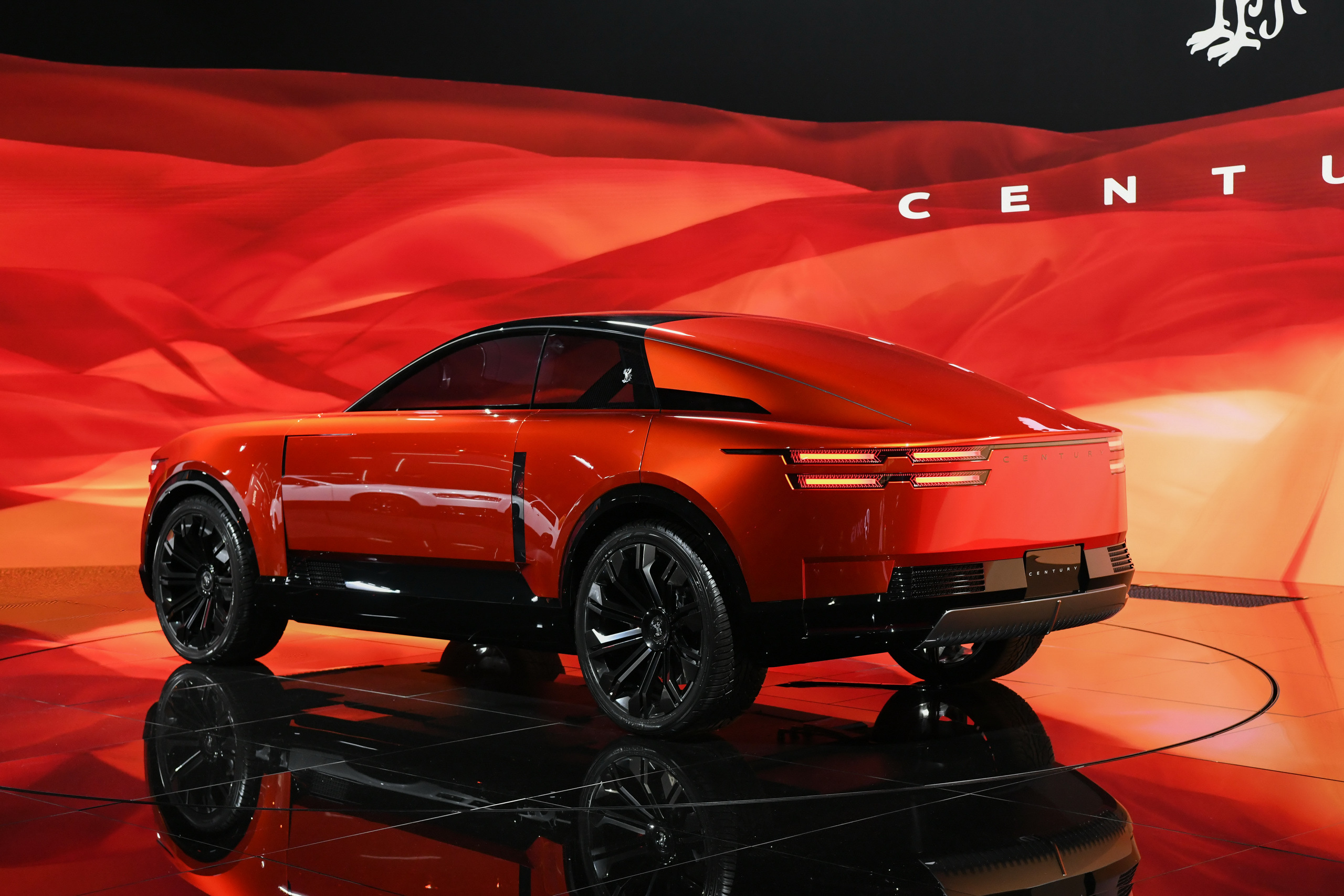
Little else is known about the production version of the bright-orange Century Coupe concept from last October. Odds are the final car will stay fairly close to the concept in appearance, though some design elements may be toned down. The black wheel arches and raised ride height, for instance, borrow awkwardly from SUV styling and might not make the final cut.
See: The Century Coupe Looks So Much Better Without The SUV Cues
The interior will likely need a rethink as well. The concept featured only two seats, incouding one for the driver and another in the back on the passenger side, tailored for chauffeured comfort. While quirky, that layout limits practicality. A more traditional four-seat setup is expected for production.
Pricing and Positioning
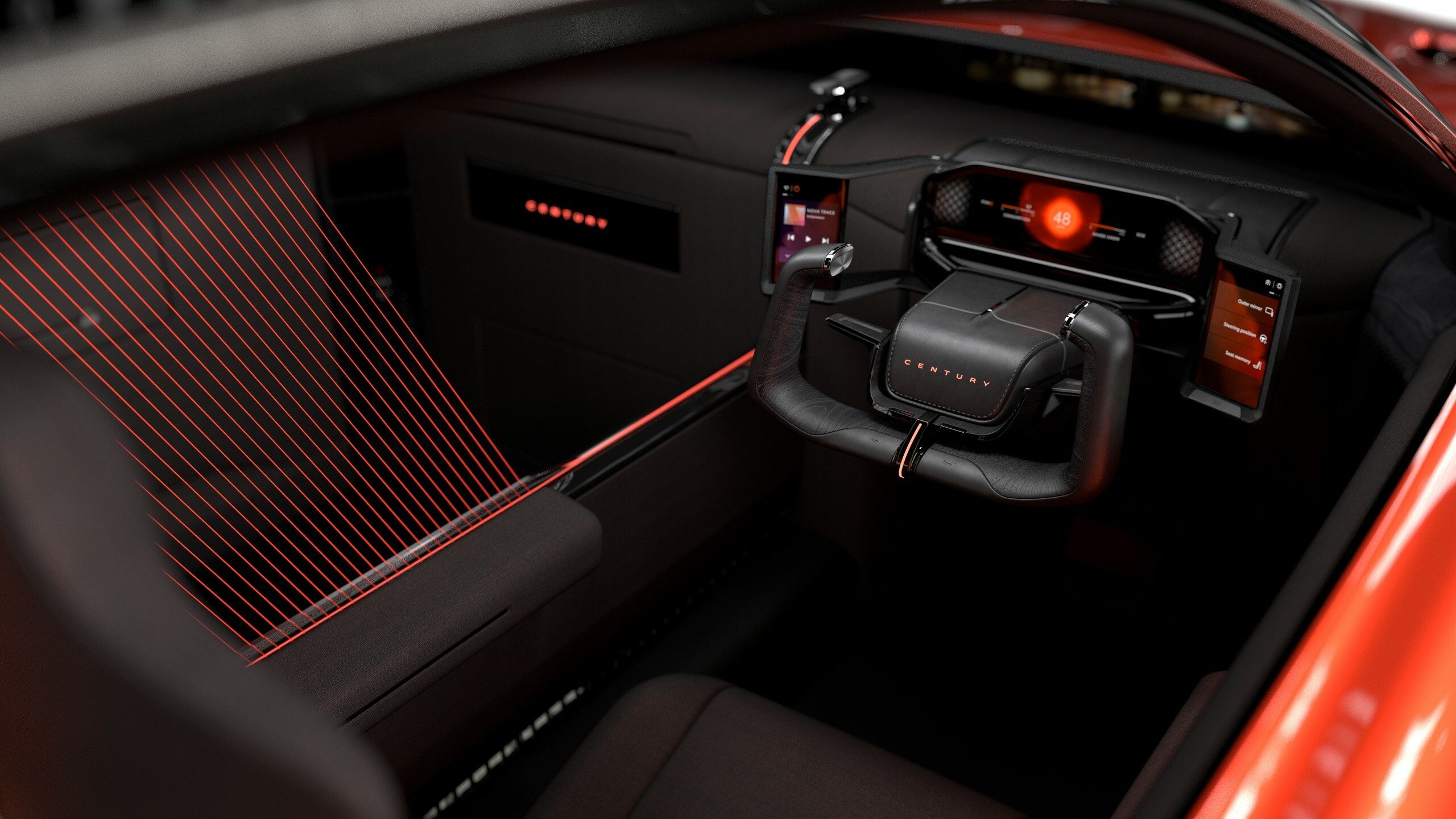
While pricing remains unconfirmed, the report suggests the Century Coupe will be built in limited numbers and carry a significant price tag.
It’s expected to cost north of 30 or even 40 million yen (about $200,000 to $270,000 at current exchange rates) in Japan with some versions possibly landing between 50 and 70 million yen (around $335,000 to $470,000), depending on trim and specification. That pricing would put it in the same territory as ultra-luxury coupes like the Bentley Continental GT or Rolls-Royce Wraith. Still, Toyota’s aims appear to be different.
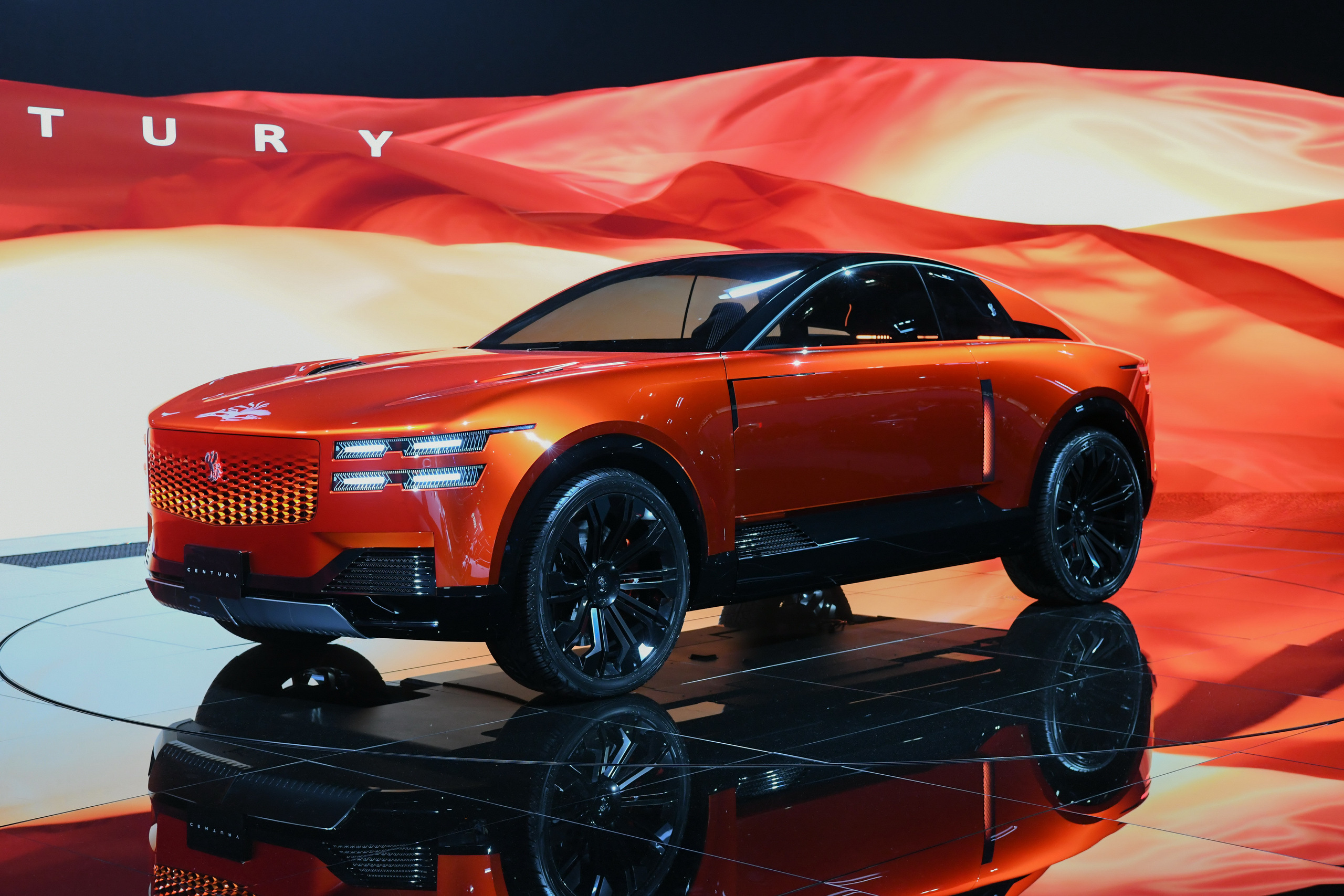
Instead of competing on pure opulence alone, the Century Coupe is also expected to lean into Toyota’s longstanding reputation for reliability. The magazine’s sources suggest the goal is to create a no-compromise luxury flagship that offers not only exclusivity and performance, but also long-term durability. That’s something that could prove appealing in a segment where dependability is often an afterthought.
Read: Toyota Craftspeople Spend 12 Times Longer Tightening Bolts On Century Than Any Other Car
The production Century Coupe, if it keeps that name, is reportedly set to launch in 2027 to coincide with the Century’s 60th anniversary and the official spin-off of the nameplate into a standalone brand.
There’s also the question of whether it’ll be sold outside Japan. Considering the time and money going into the project, it’s hard to believe Toyota isn’t eyeing something bigger, including, of course, North America.
John Halas contributed to this story.