- Chinese car cameras and sensors spark security fears.
- Poland may join others banning them from military areas.
- Ban could cover any car using Chinese sensors or tech.
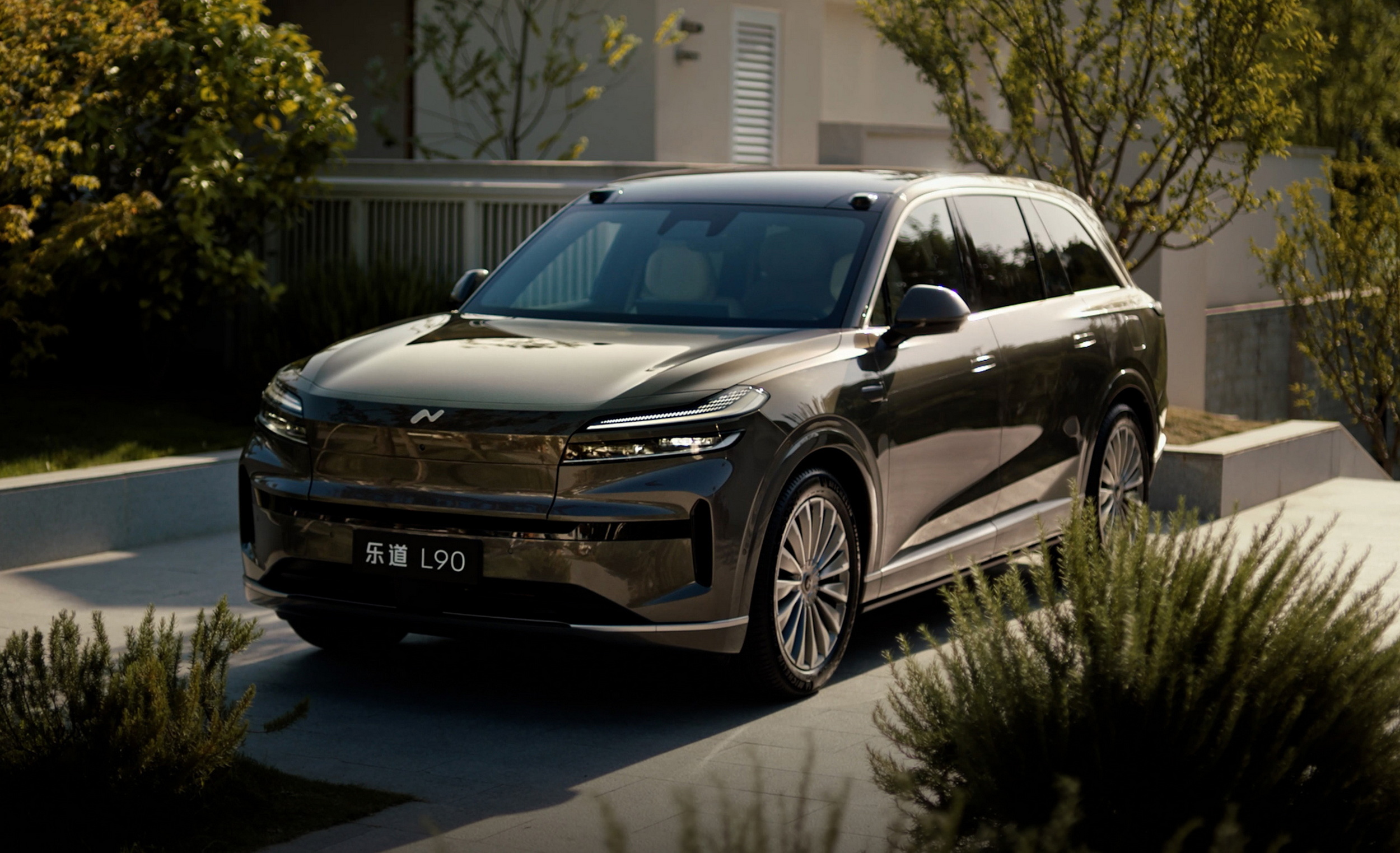
Concerns over data security are prompting fresh scrutiny of Chinese-made electric vehicles in Europe, and Poland appears to be the latest country preparing to act. Officials there are looking to prohibit these cars from entering sensitive military areas, citing fears they could be used for surveillance.
The move would follow the UK’s recent decision to restrict Chinese EVs from military zones, part of a wider effort to prevent potential access to sensitive information gathered by modern automotive tech like cameras, radars and sensors that are now common on new cars.
Are Vehicles Becoming Spy Tools?
Cars from China, particularly EVs, are becoming an increasingly common sight on European roads, including in Poland. A recent study in the country referred to these vehicles as ‘Smartphones on Wheels,’ noting that onboard technologies enable environmental scanning and can capture sensitive geolocation data, among other capabilities, which can pose a serious safety risk.
Read: Chinese EVs Banned From UK Military Sites Amid Fears They’re Watching Every Move
“Smart cars have enormous data collection capabilities through high-resolution cameras, sensors, and LiDAR systems, which use active 3D mapping technology,” said Paulina Uznańska, author of the study, in comments reported by the Polish news agency PAP. “This creates a very high potential for the use of such vehicles for intelligence analysis purposes.”
Responding to the findings, General Wiesław Kukuła, Chief of the General Staff of the Polish Army, is expected to issue a formal directive soon that would ban Chinese-made vehicles from all military installations across the country. This would also include adjacent parking areas.
The Ministry of National Defense confirmed to national news agency PAP that it is currently drafting a policy to that effect.
Security Policy Tightens
UK lawmakers noted last year that the Chinese government holds legal rights to access data collected by the cameras, sensors, and radar systems in vehicles built with Chinese technology.
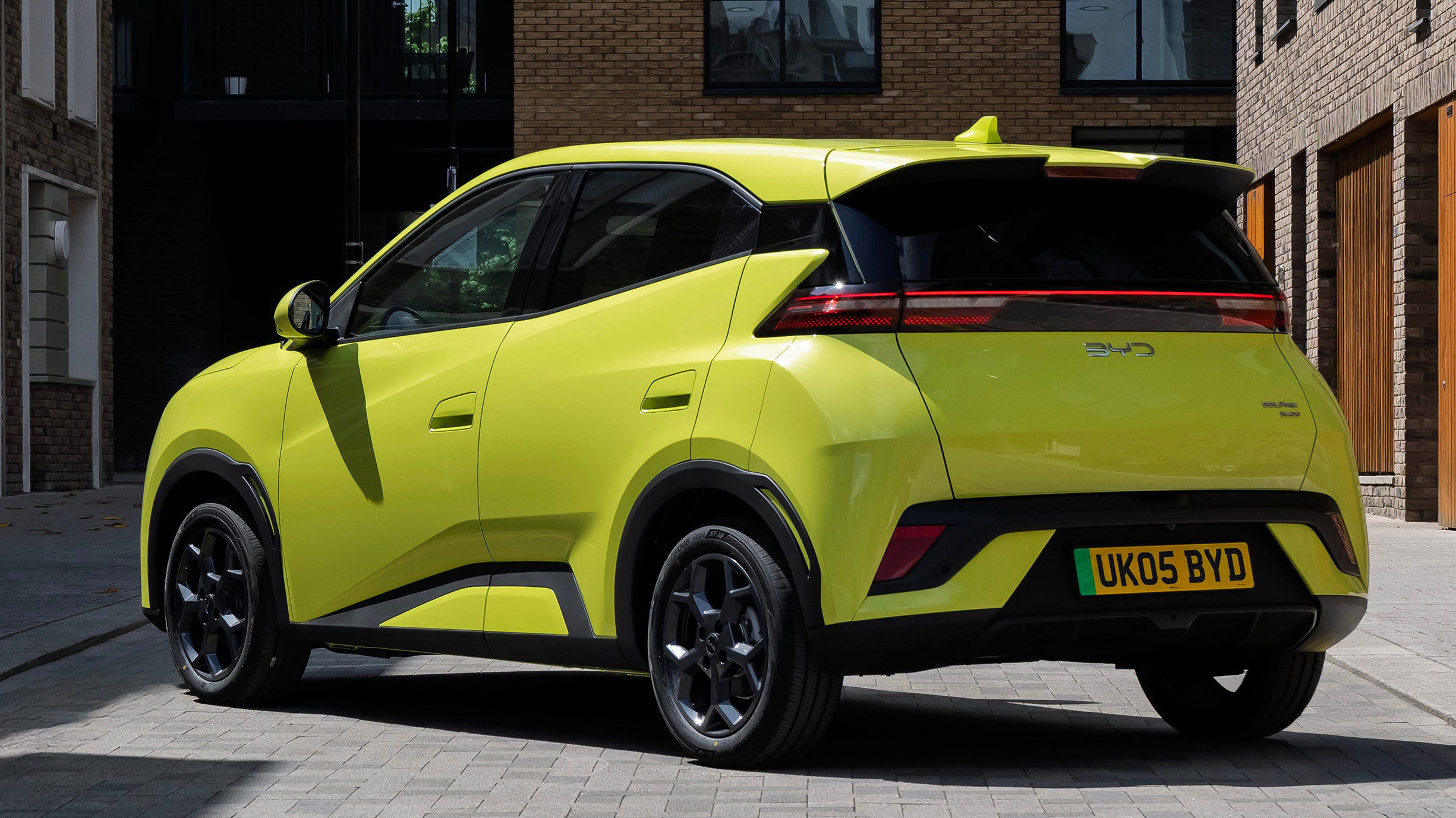
Following a similar approach, Poland’s ban is expected to apply not only to models from brands like BYD, MG, Nio, Xpeng, and Aiways, but also to any vehicles equipped with Chinese-made software or sensor components.
Beyond military installations, there is speculation that similar measures could reach other sectors. One industry expert has floated the possibility of extending the restrictions to key infrastructure hubs like airports. That said, such a policy would have to be carefully structured to comply with European competition laws and avoid regulatory backlash