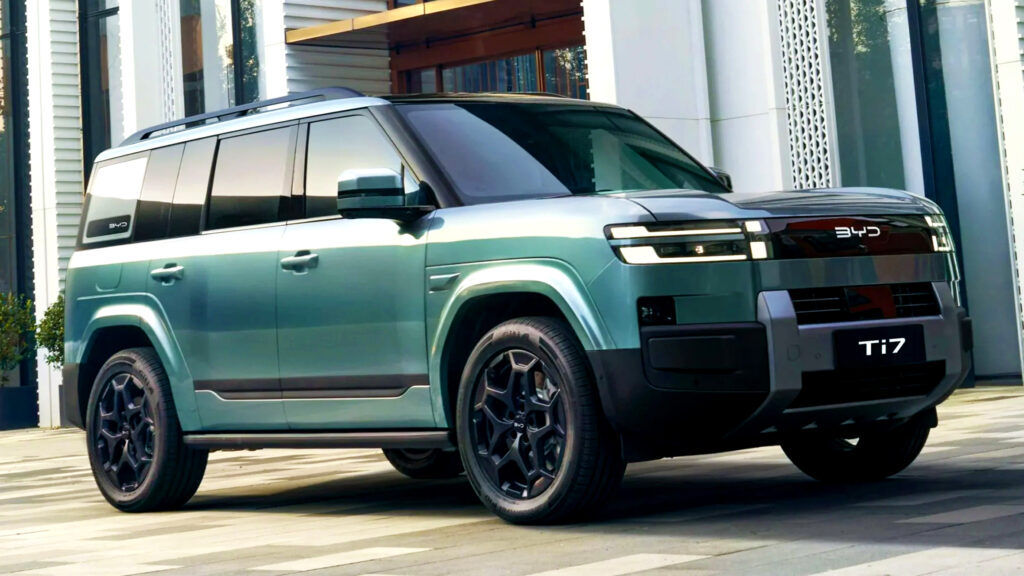
- All 24 EVs were driven until they could not hold speed.
- Two small EVs lost just 29 percent of claimed range.
- Several big names gave up more than 40 percent range.
Winter has a way of exposing weaknesses, and in Norway it does so without mercy. A group of 24 of the newest and best EVs were recently subjected to one of the most demanding range tests imaginable in the depths of Scandinavia’s winter, and it was an American made EV that came out on top.
Read: 90% Of Vehicles Sold In Norway Last Year Were Electric
Conducted by Norwegian publication Motor as part of its biannual El Prix winter range program, the evaluation set out to measure how bitter cold affects real world driving range, and some of the findings are striking.
How The Test Was Conducted
Held twice a year, in winter and in summer, the drive follows a predetermined route. This time, 24 EVs were evaluated in temperatures that dipped as low as -24°F (-31°C), the coldest conditions recorded in the test event’s history and well below previous editions, when temperatures rarely fell under 14°F (-10°C).
For much of the global population, numbers like these might as well belong in weather reports from another planet. Still, they provide a useful stress test. As in previous El Prix runs, each car was driven along the set route until it could no longer maintain the posted speed limit.
The Winners
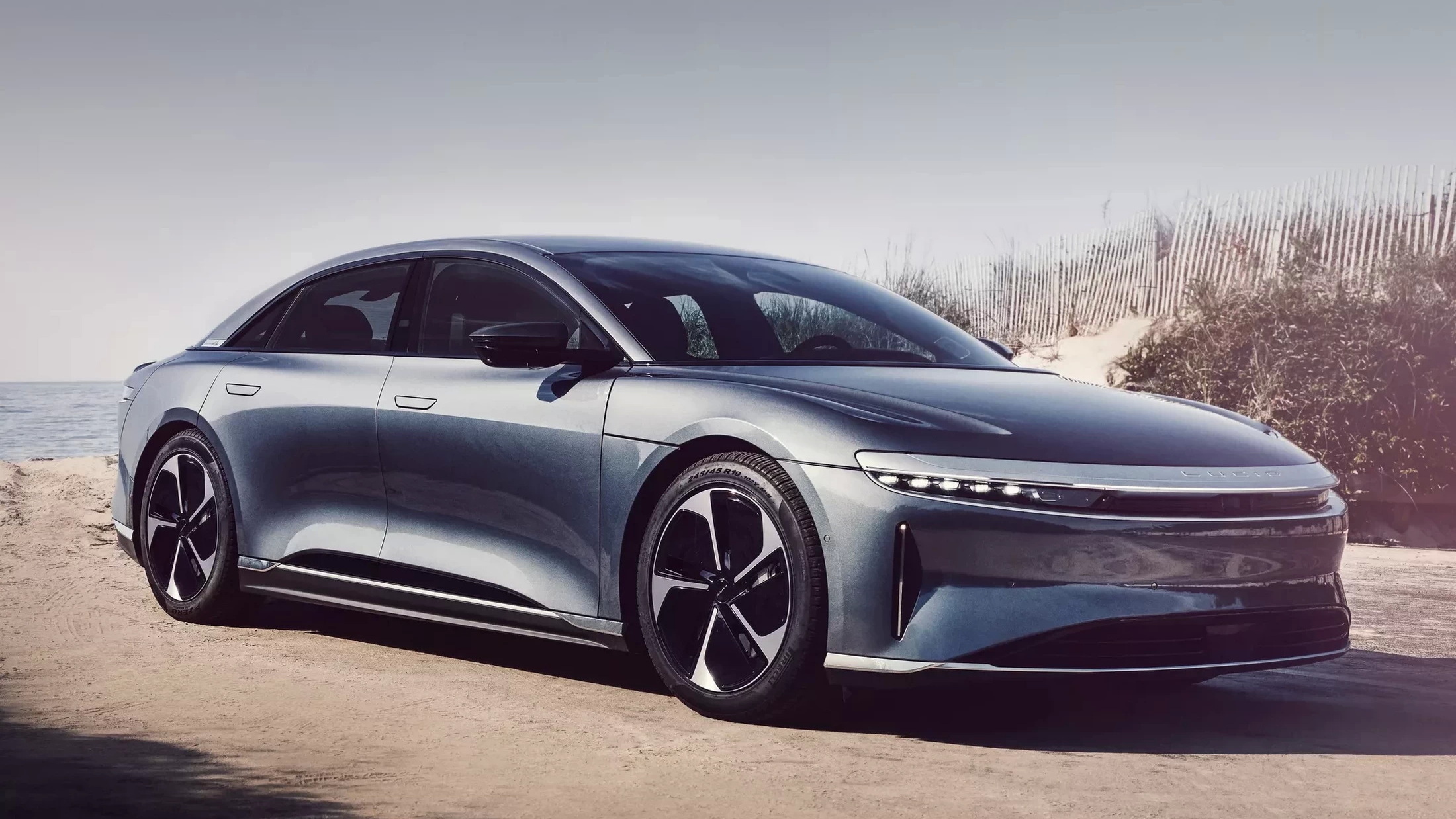
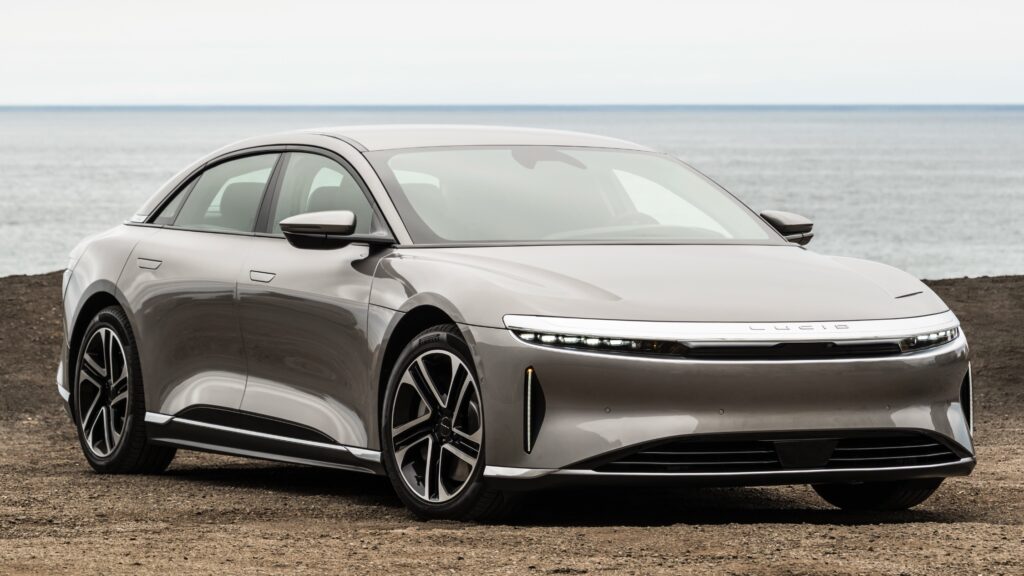
Coming into the test, the Lucid Air had the highest quoted WLTP range of 960 km (596 miles). In Motor’s winter run, it covered 520 km (323 miles) before the battery was fully depleted. On the other hand, while that figure was higher than any of the other cars evaluated, it is still 46 percent lower than the claimed range.
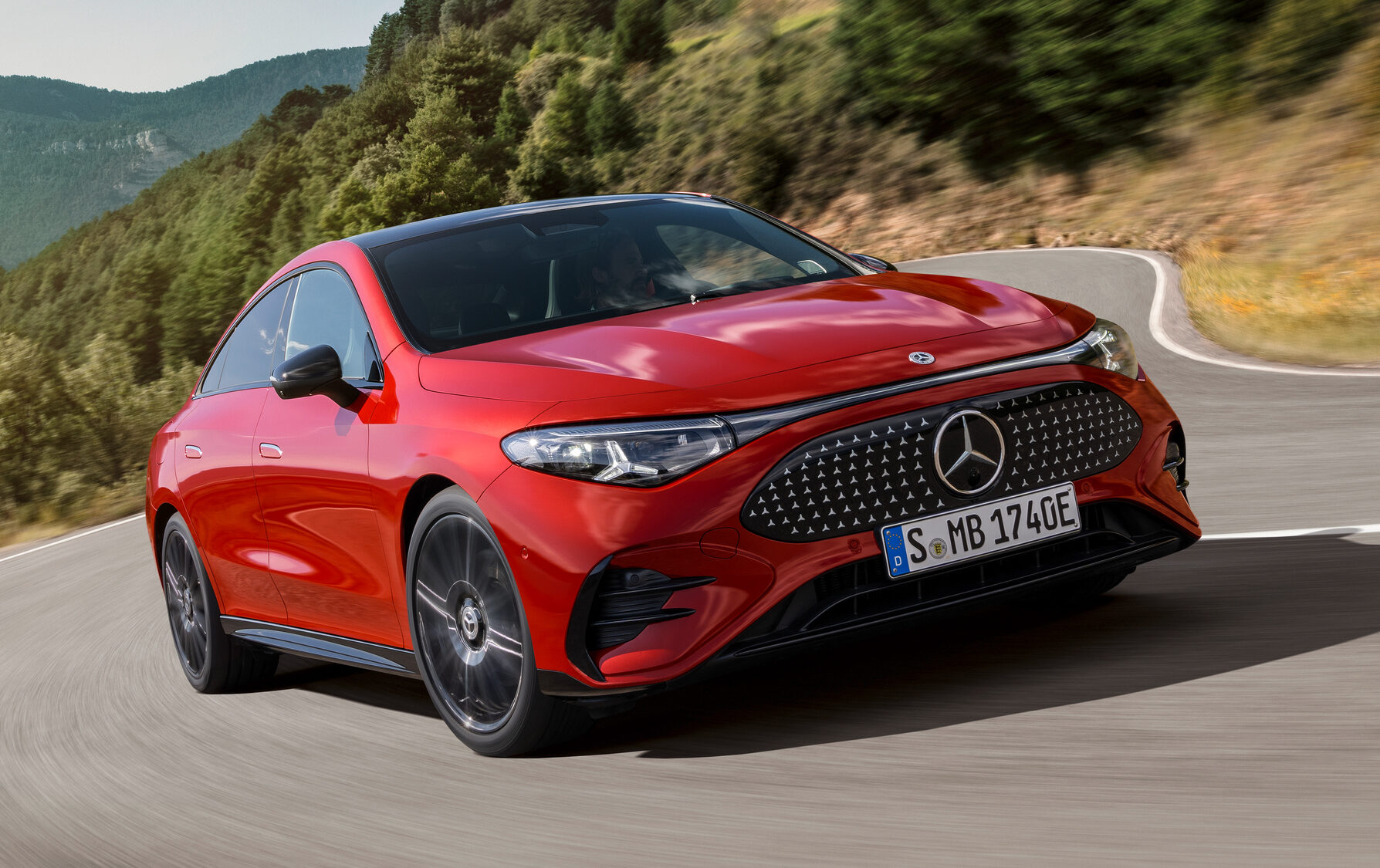
In terms of outright driving range in the frigid conditions, the Mercedes-Benz CLA also performed well, driving 421 km (261 miles), or 41 percent less than its claimed 709 km (440 miles) WLTP figure. Other strong performers included the Audi A6, which traveled 402 km (250 miles), the BMW iX with 388 km (241 miles), and the Volvo ES90 with 373 km (232 miles).
Two Ways To Look at Numbers
Total driving range, though, is not the most revealing part of the story. What stands out more is how much, or how little, each car’s range shrinks in the cold. By that measure, the MG 6S EV and Hyundai Inster led the field, with their ranges falling just 29 percent from their WLTP claims. They recorded 345 km (214 miles) and 256 km (159 miles), respectively.
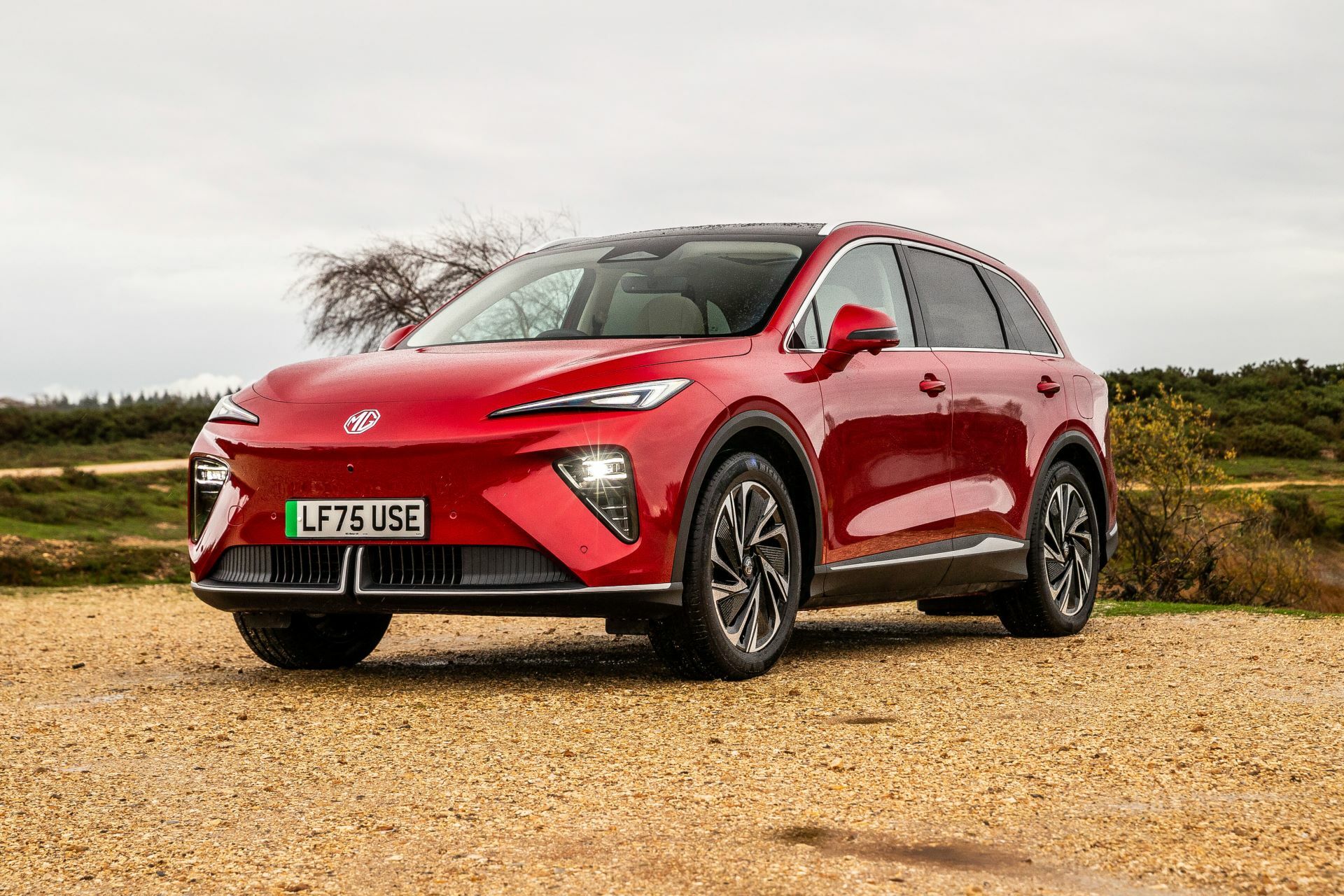
A second Chinese MG also performed well, namely the IM6, with its range falling 30 percent from a claimed 505 km (314 miles) to 352 km (219 miles). The KGM Musso was another strong performer, seeing just a 31 percent drop in its range from 379 km (235 miles) to 263 km (163 miles).
At the other end of the scale, the Opel Grandland matched the Lucid Air for the steepest decline, surrendering 46 percent of its claimed range in the cold. The Volvo EX90 was not far behind with a 45 percent drop, while the Tesla Model Y and Suzuki eVitara each gave up 43 percent. The Skoda Elroq and Mercedes CLA also struggled to contain losses, both finishing with a 41 percent reduction.