









- Honda reveals production Super-One ahead of its Japan launch.
- Electric hot hatch gets wide arches, power boost, and fake noise.
- UK, Europe, and Asia-Pacific markets confirmed for release.
Forget the clinical efficiency and silent hum of modern EVs. Honda has other ideas. The brand is channeling some of its spikiest ’80s spirit into the electric era, drawing a direct line from the analog madness of the City Turbo II to its latest pint-sized experiment.
After showing off a prototype at the Japan Mobility Show, Honda has pulled the curtain back on the production-ready Super-One via a new teaser site ahead of its domestic launch.
More: Honda Walks Back Its EV Plans As Losses Spiral
The Super-One isn’t just a slightly jazzed-up N-One e:. It’s a city-sized hot hatch, with a wider stance, upgraded chassis, and an electric powertrain that tries to evoke the grit of a gasoline engine with synthesized sounds. Honda says it’s a spiritual successor to the City Turbo II Bulldog from the 1980s.
Widebody Pocket Rocket
Visually, the Super-One stands out with reshaped bumpers featuring functional air ducts, distinctive “blister fenders” along the sides, and a roof spoiler. It also rides on a new set of 15-inch alloy wheels finished in matte Berlina Black with a machined face, paired with wider Yokohama tires.

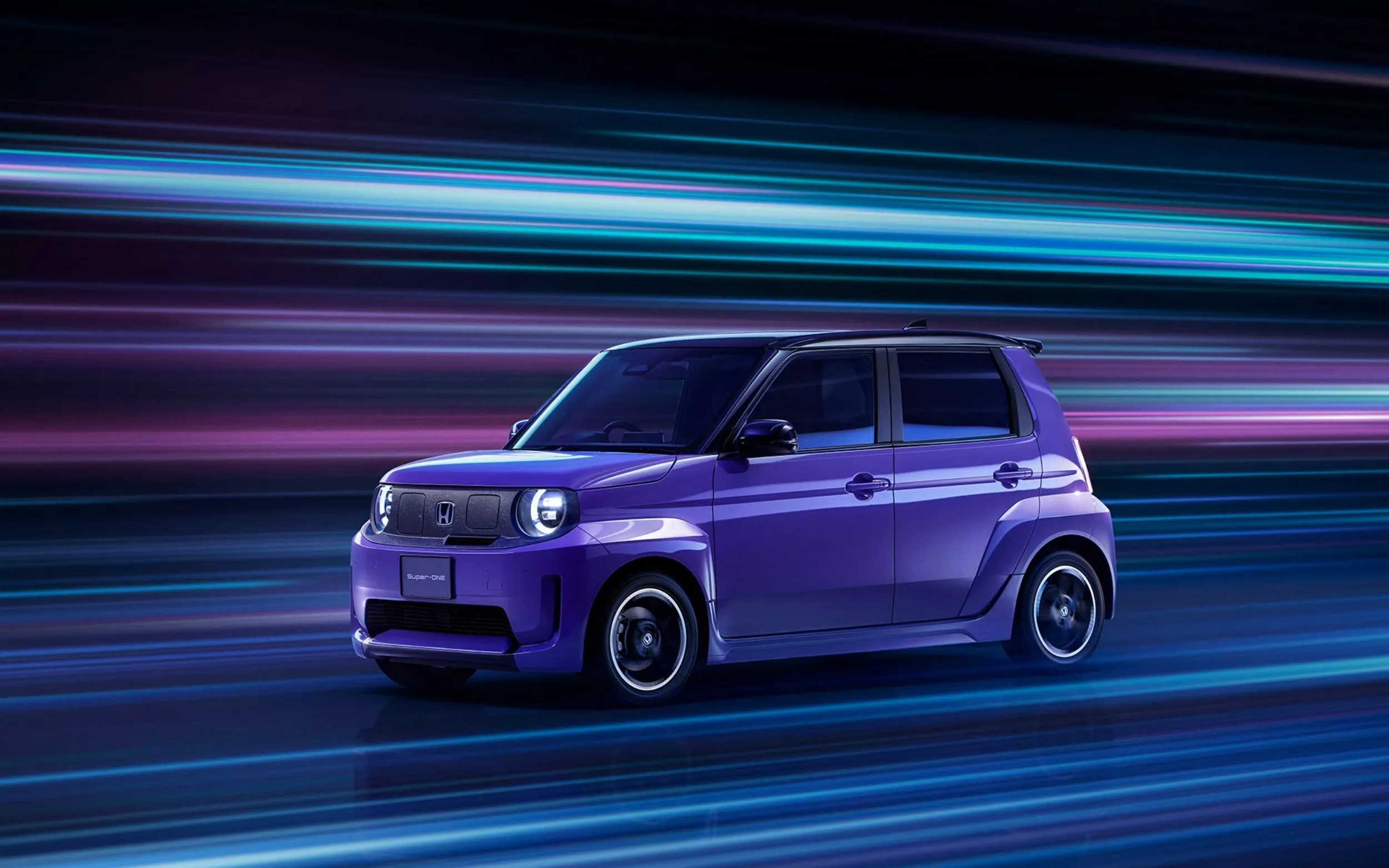

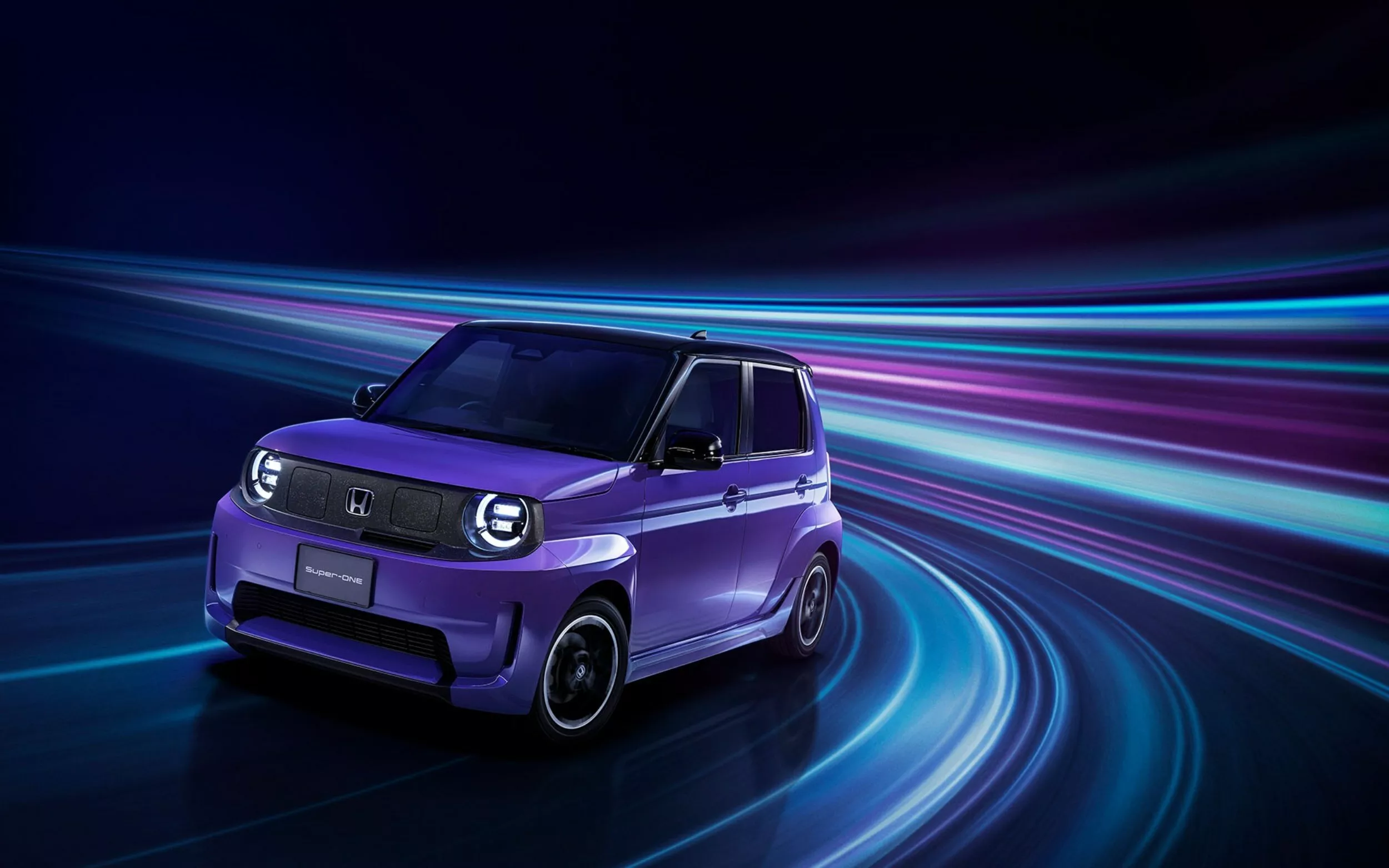

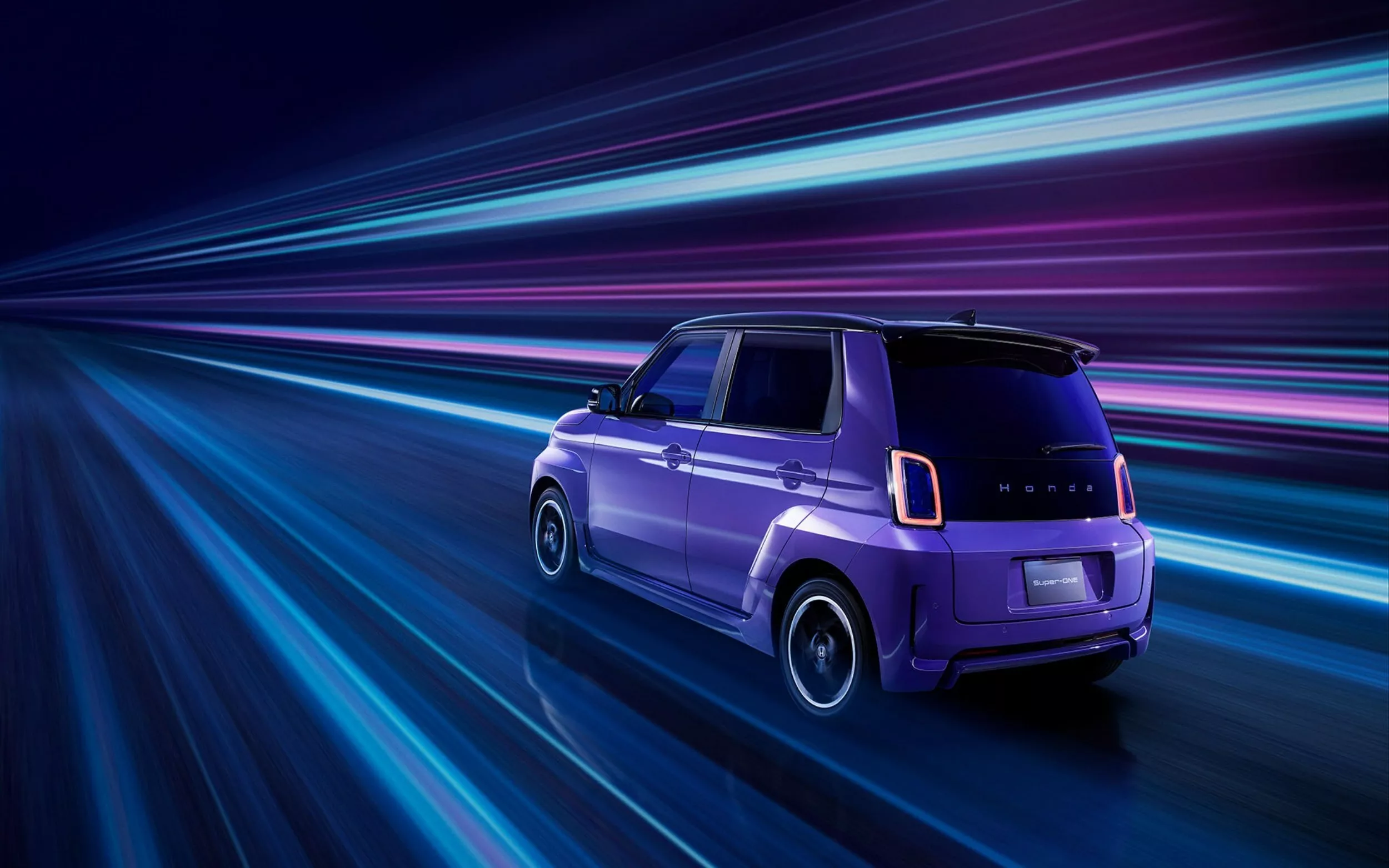
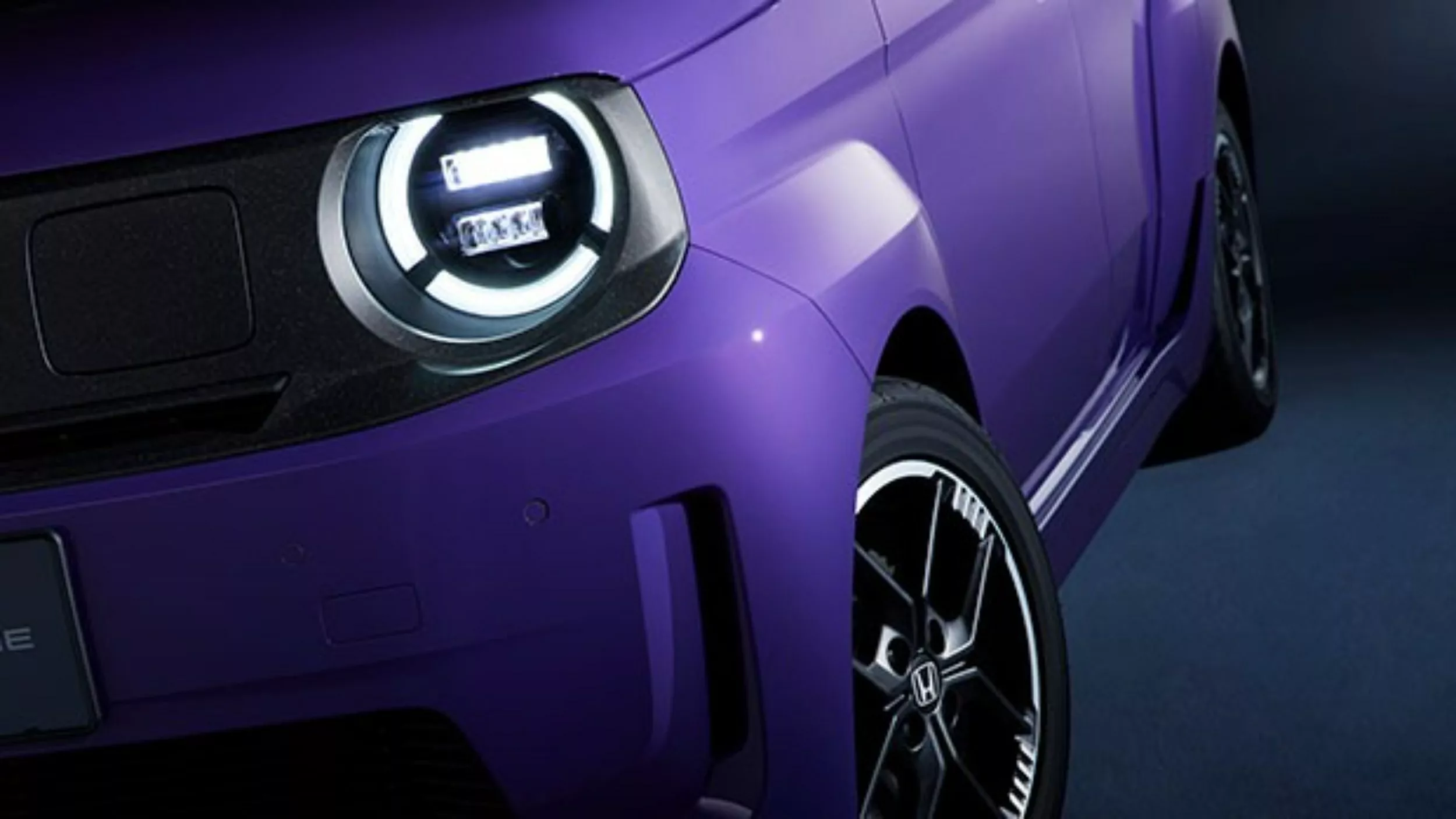
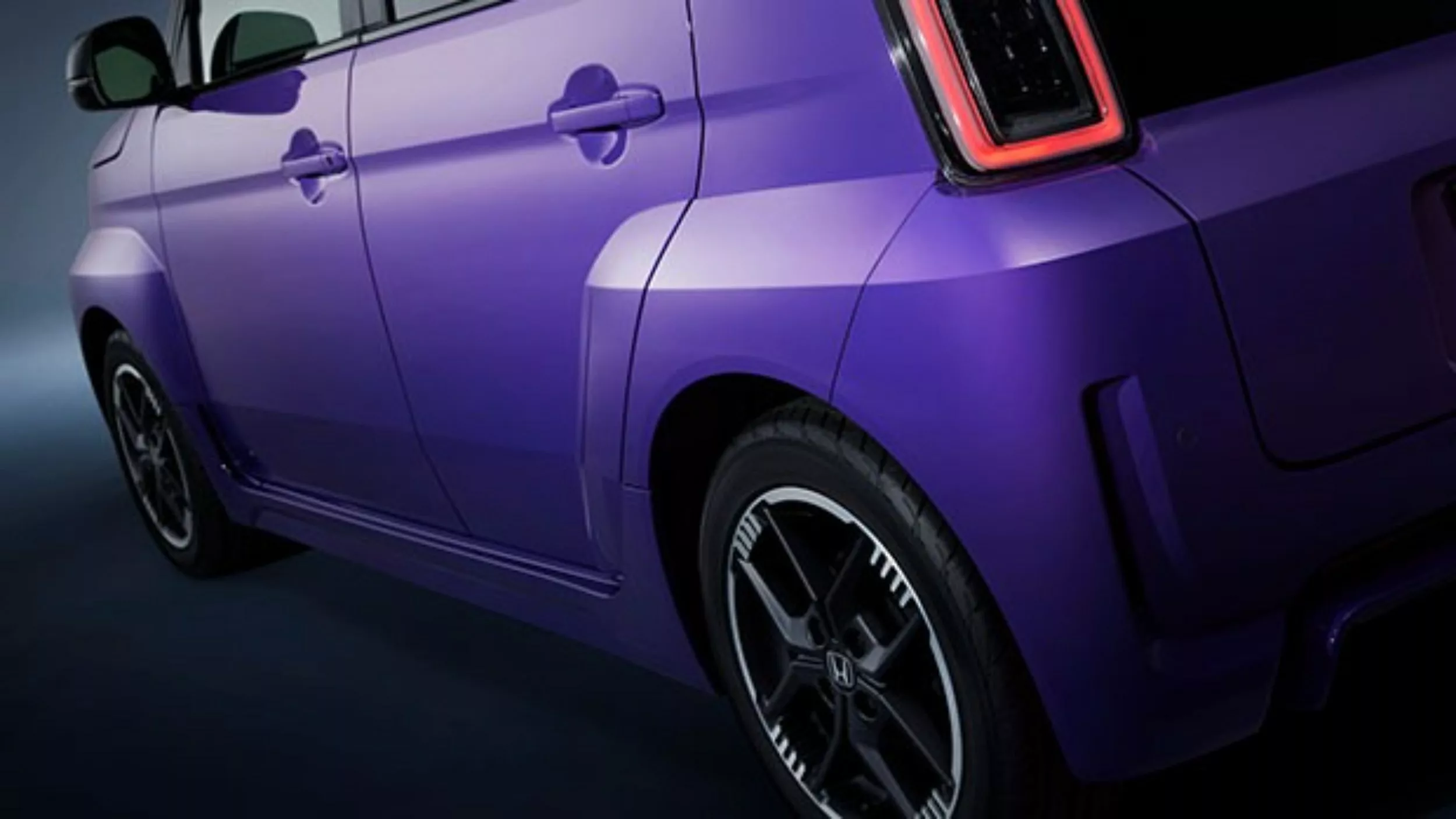
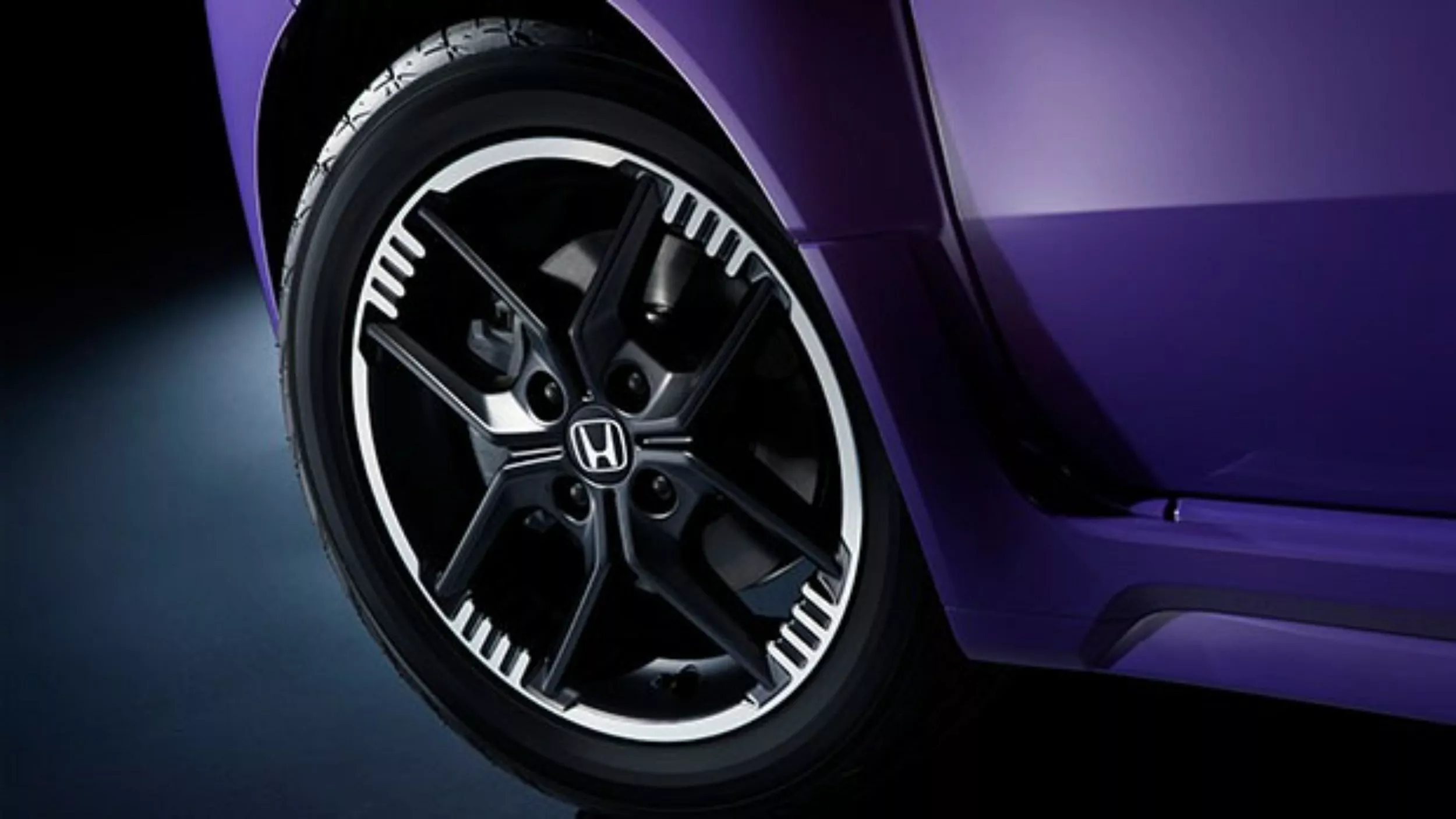

In terms of size, the Super-One comes in at 3,589 mm (141.3 inches) long, 1,573 mm (61.9 inches) wide, and 1,616 mm (63.6 inches) tall. That makes it 194 mm (7.6 inches) longer, 98 mm (3.8 inches) wider, and 71 mm (2.8 inches) taller than the standard N-One e:, though it retains the same 2,520 mm (99.2-inch) wheelbase.
More: Prelude, Type R And CR-V Get Sporty HRC Makeovers, And Honda Didn’t Stop There
Honda has introduced a new color called Boost Violet Pearl, inspired by lightning and offered exclusively on the Super-One. Other available finishes include Platinum White Pearl, Crystal Black Pearl, Citron Yellow Pearl, and Mono Gray, each offered in both monotone and bi-tone combinations.
What About The Interior?
Inside, the dashboard layout is mostly carried over from the N-One e:, but the Super-One adds its own touches with reshaped seats featuring heavier bolsters, purple accents, and custom graphics for the 7-inch digital instrument cluster. When Boost Mode is activated, the display shifts to show a simulated tachometer.
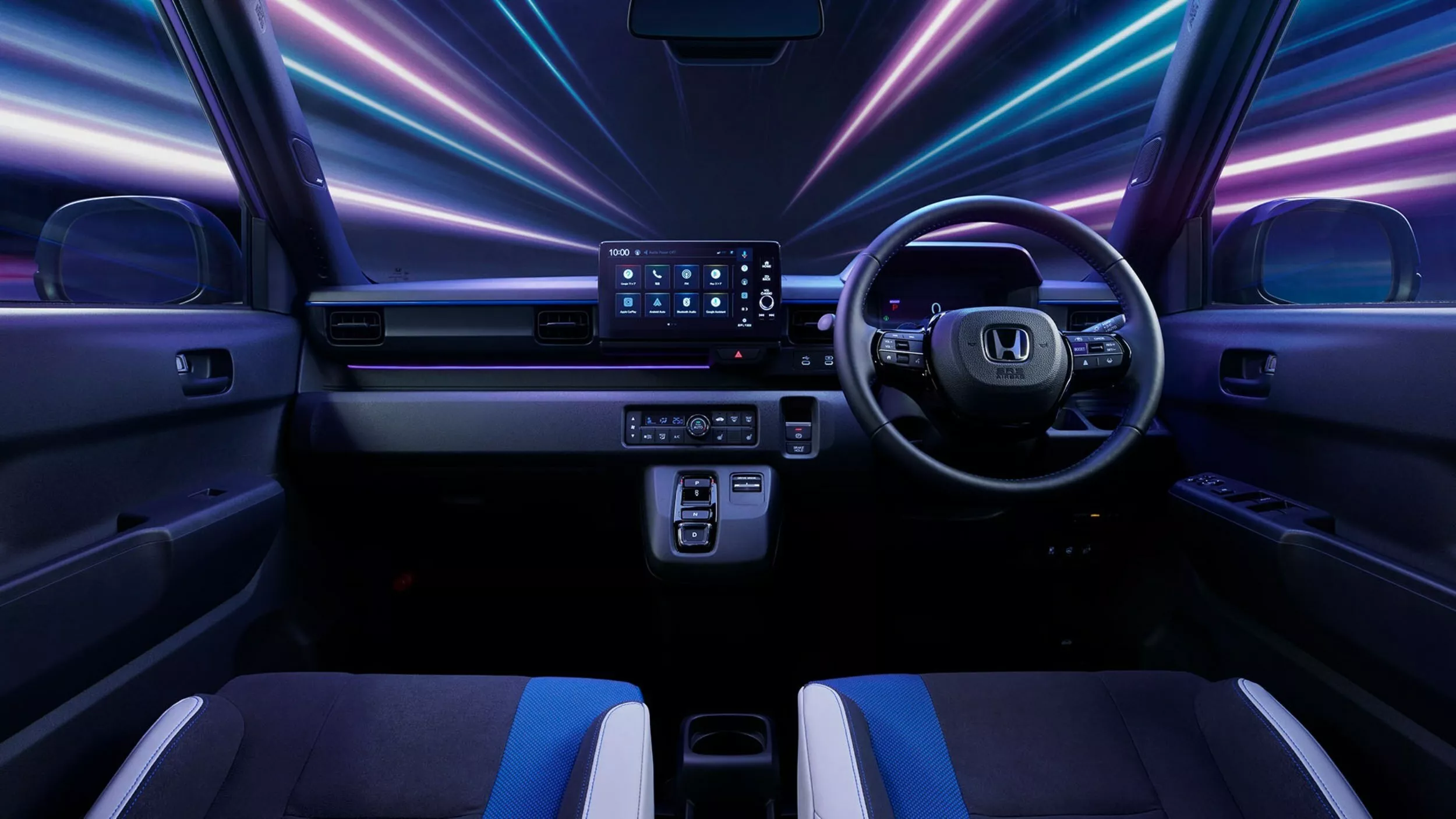
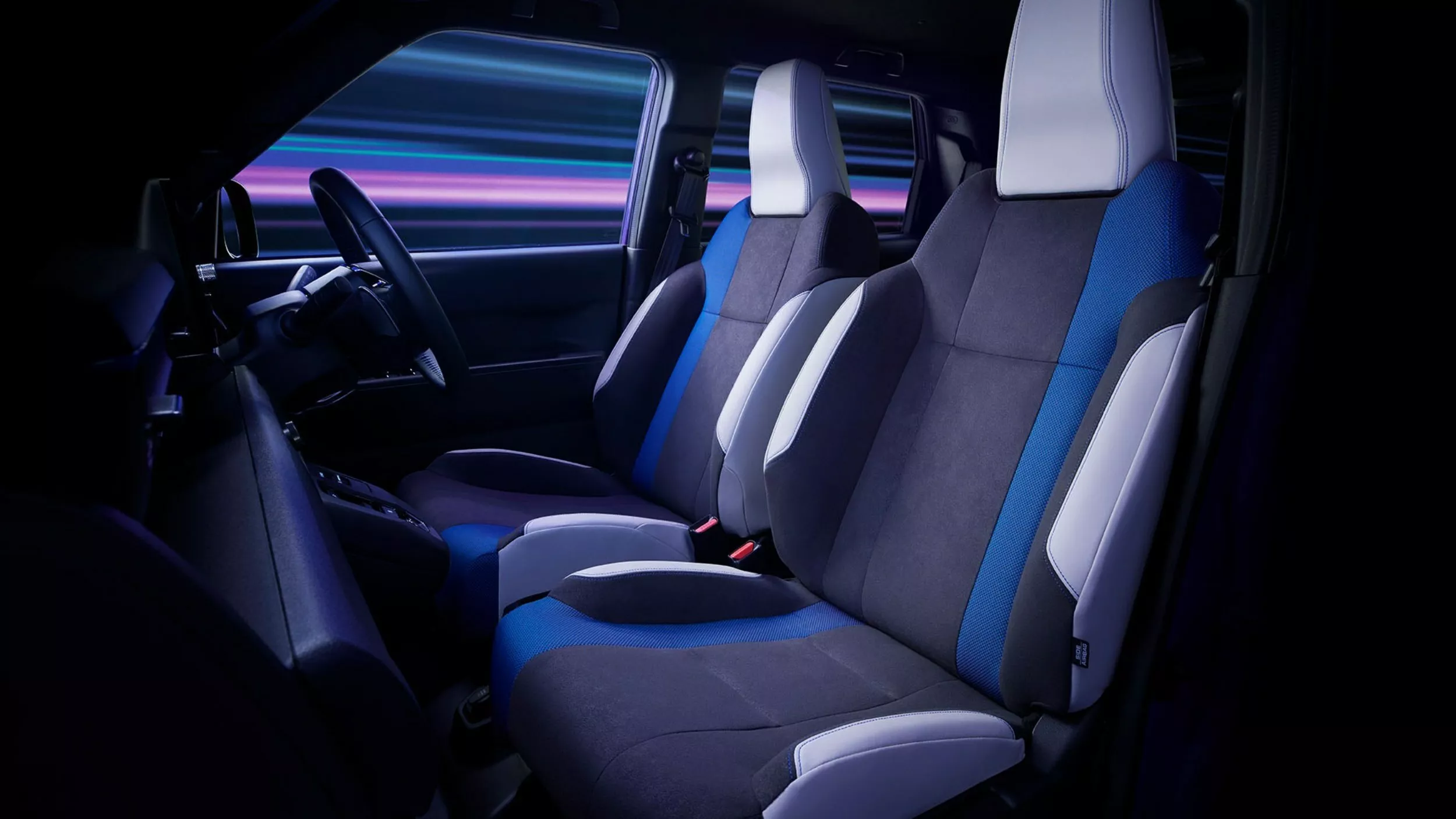


Adding to the theatrics, the Active Sound Control system mimics gear shifts and engine growls through the standard eight-speaker Bose premium audio setup. Equipment levels are generous, with a 9-inch infotainment system, heated front seats, a heated steering wheel, and Honda’s full suite of advanced driver assistance features.
Power Boost
The pint-sized hot hatch is driven by a front-mounted electric motor. While Honda hasn’t officially confirmed the output, earlier details from the Singapore Motor Show in January suggest it delivers 94 hp (70 kW / 95 PS) in Boost Mode.
More: The Manual Honda That Thinks It’s A Baby Type R
That might not sound like a lot, but it represents a healthy increase over the 63 hp (47 kW / 64 PS) of the N-One e:. Even so, it is less powerful than the discontinued Honda e that produced 152 hp (113 kW / 154 PS) in its most potent form.
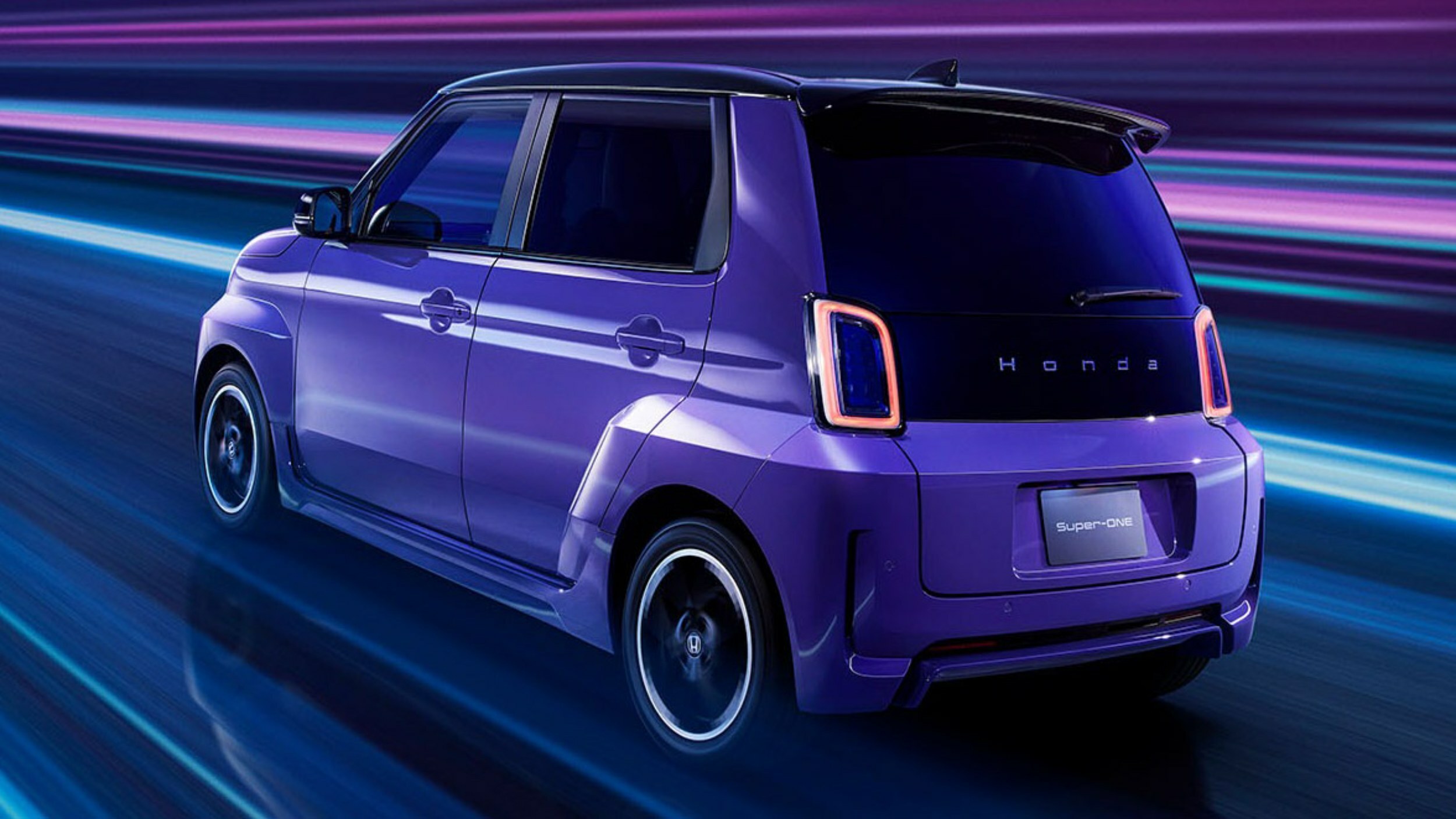
The added power and increased width mean the Super-One will be classified as a passenger vehicle rather than a kei car. Honda has not yet revealed battery capacity or range figures, though the N-One e: uses a 29.6 kWh unit.
Rounding out the changes, the sporty EV features a custom chassis setup with a lowered suspension and wider tracks for improved handling.
How Much Does It Cost?
Full details on the Super-One’s pricing and launch timing will follow in the coming weeks. However, Japanese outlet Creative Trend reports that Honda is targeting a price range between ¥3,000,000 and ¥3,500,000 (approximately $19,700 to $22,900) before incentives.
That positions it higher than the standard N-One e:, which starts at ¥2,699,400 ($17,600) and can drop as low as ¥1,625,400 ($10,600) with full subsidies applied.
Following its debut in Japan, the Super-One will also reach additional markets including the UK, Europe, Australia, New Zealand, and select parts of Asia.