- Stellantis is turning more attention to diesel engines.
- Report says diesel-power is coming back to 7 models.
- The company suggested the move was due to demand.
A number of automakers turned their backs on diesel engines as they embraced an electric future. However, adoption was slower than many companies expected and now they’re starting to reverse course.
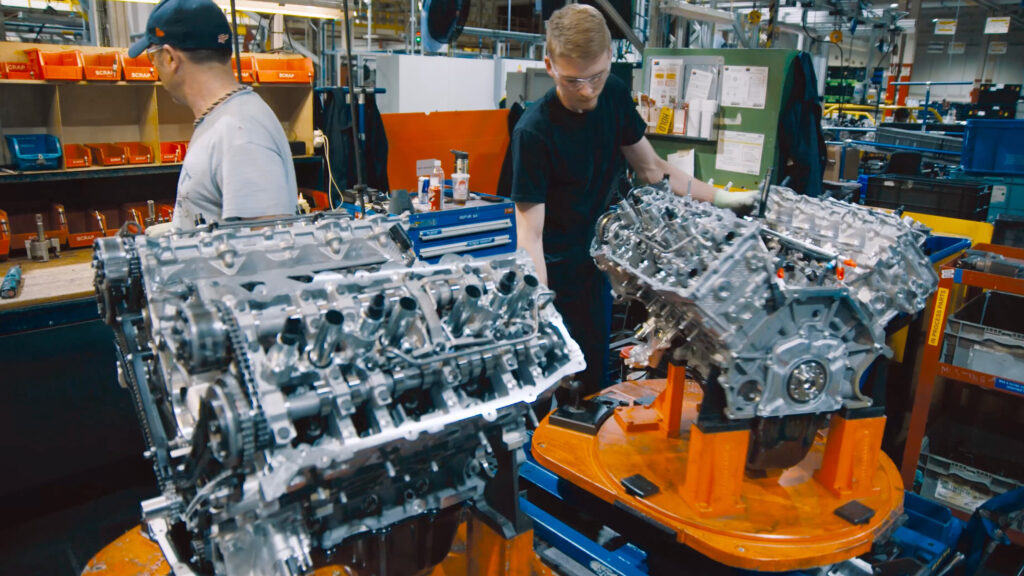
This shift is clearly visible at Stellantis, where they recently introduced a newly developed 2.2-liter diesel on the Opel Zafira. It produces 177 hp (132 kW / 180 PS) and 295 lb-ft (400 Nm) of torque, which enables the van to accelerate from 0-62 mph (0-100 km/h) in 10.6 seconds before hitting a top speed of 115 mph (185 km/h).
While the performance won’t blow you away, the engine features a new generation of direct injection technology as well as an optimized exhaust gas recirculation system. Opel said the changes help to reduce fuel consumption and CO2 emissions by up to 13%.



More Diesel Models Are Coming
This appears to be part of a larger trend as Reuters reported Stellantis is “bringing back diesel versions of at least seven car and passenger van models” in Europe. The shift began last year and will see the company expand their diesel lineup as well as continue to produce diesel-powered models such as the Alfa Romeo Giulia, Stelvio, and Tonale.
A spokesperson told the publication, “We have decided to keep diesel engines in our product portfolio and – in some cases – to increase our powertrain offer.” They went on to suggest the move was a result of customer demand for diesels.
More: Alfa Romeo Scraps New Giulia And Stelvio Plans To Start Fresh
While diesel-powered models used to be hugely popular in Europe, their market share has tumbled. According to ACEA, just 8.9 percent of new car registrations in the European Union last year were for vehicles with a diesel engine. Hybrids were the most popular at 34.5 percent , while gas and EVs trailed at 26.6 percent and 17.4 percent, respectively.
While diesel represents a small slice of the market, Reuters noted there’s far less competition and this makes it easier for brands to stand out. In particular, Chinese automakers typically specialize in EVs and plug-in hybrids, so European companies could counter their onslaught with affordable diesel-powered models.