- Minimum speeds still sit at 40 mph as limits climb to 75 mph.
- Slow drivers in Georgia are usually fined between $100 and $200.
- One lawmaker says the change may burden students and seniors.
Slow drivers cruising along highways are not just frustrating for other motorists, they can also create genuine safety risks. With that in mind, lawmakers in Georgia are considering raising the minimum speed limit on state highways, arguing that doing so could improve traffic flow and reduce accidents.
As it stands, the minimum speed on state highways in Georgia is 40 mph (64 km/h). That figure has remained unchanged even as posted highway speed limits climbed from 55 mph (88 km/h) to 70 mph (112 km/h). Now, there is a proposal to raise the minimum to 50 mph (80 km/h) on any local highway with a speed limit of 65 mph (105 km/h) or higher.
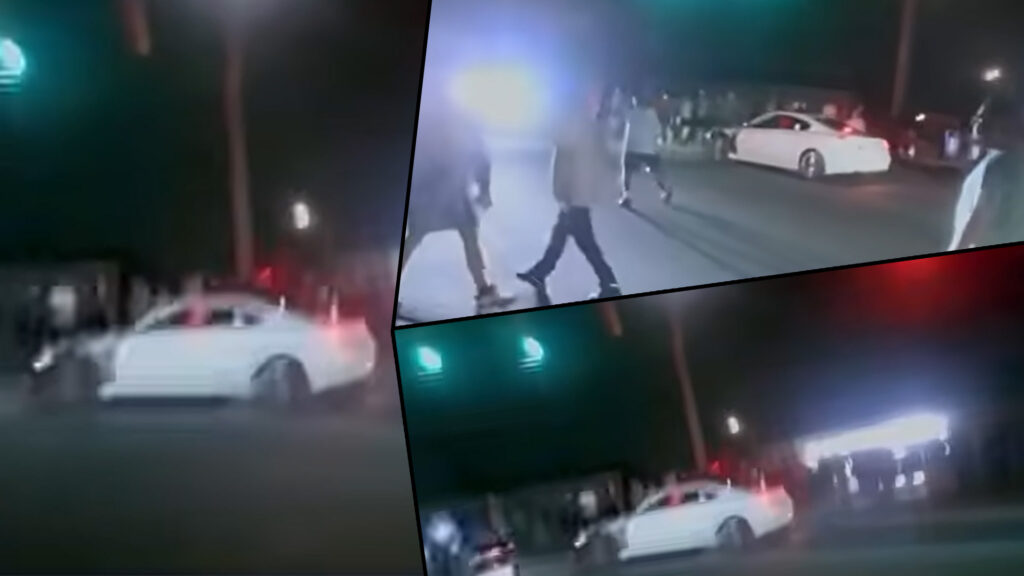
Watch: Georgia Police PIT Jeep Grand Cherokee, Sending It Flying And Killing Two Occupants
In a letter sent to state Rep. John Carson, Georgia Department of Public Safety Commissioner Col. William Hitchens argued that driving well below the limit can be just as hazardous as exceeding it.
A Push For Higher Minimum Speeds

“Our agency has seen several crashes that have occurred due to slow-moving vehicles on roads through the state,” he wrote.
“Driving below the speed limit can, in some cases, be as dangerous as traveling above the posted speed limit. Vehicles that are traveling below the minimum speed can cause traffic issues, such as long backups, and cause motorists to take evasive actions due to approaching the vehicle faster than expected.”
Enforcement And Fines
Those who fail to comply with current minimum speed limits on Georgia highways can face fines of up to $1,000, though jurisdictions typically issue penalties between $100 and $200. While increasing the minimum would likely be welcomed by many drivers, state Rep. Rhonda Taylor suggested it could pose challenges for student and senior motorists.
Minimum speed laws typically apply only when normal driving conditions allow for steady travel, meaning weather, traffic, and road hazards are taken into account. Supporters of the proposal argue that a higher floor would primarily target drivers who impede the natural flow of traffic rather than those forced to slow down for legitimate reasons.
“It would be a better solution … (to) move to the right,” she told WABE. “It almost feels like I’m being penalized because I can’t drive 50 miles an hour.”
A vote on the bill could come once lawmakers gather additional data on crashes involving slow-moving vehicles and assess the cost of replacing speed limit signs.