









- The three brands could collaborate on electrified technologies.
- Nissan’s boss says most tie-up talks relate to the US market.
- Both Honda and Nissan need to find ways to save money.
In late 2024, rumors swirled about a mega merger between Honda and Nissan. Before long, it was reported that Mitsubishi could also get involved in the tie-up. Yet almost as quickly as the talks began, they unraveled, and no agreement was reached.
Even so, the three Japanese brands remain eager to collaborate and are exploring various ways to do so. Potential areas include supplying products for the North American market, developing electrified drivetrain technology, and advancing automotive software systems.
Read: Honda And Nissan Are Planning Something Big For America
Speaking during a recent financial earnings announcement, Honda executive vice president Noriya Kaihara confirmed that “we try to explore different possibilities, such as the complementary supply of models to each other,” but stressed that no specific plans are in place.
He also pointed to software coordination as a possible area of cooperation, noting that both companies have made independent progress and that it remains too early to draw firm conclusions.
What’s Next For A Partnership?
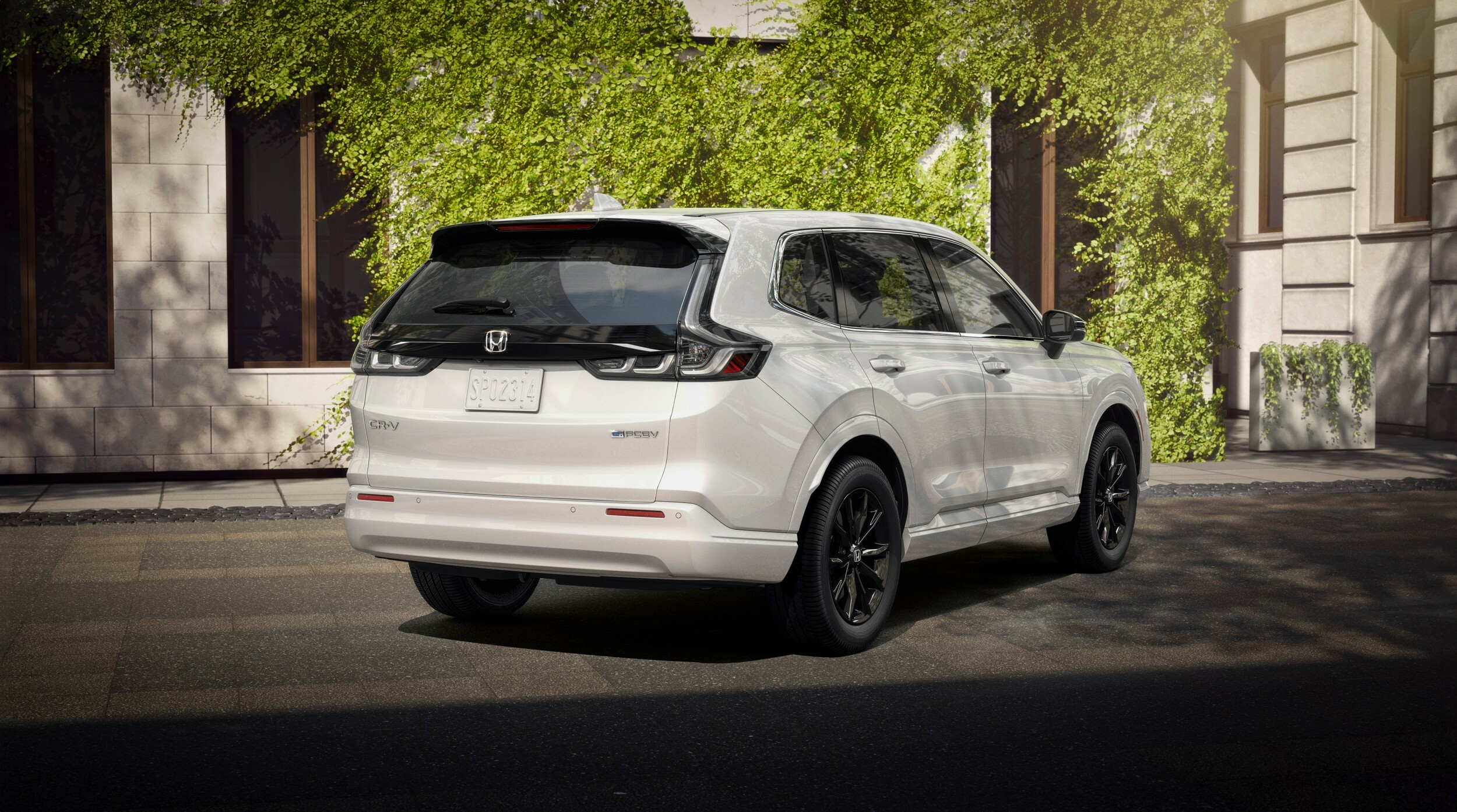
According to a report from Autonews, Nissan boss Ivan Espinosa recently reiterated this, noting that “the latest discussions are mostly focused around the US and how we can collaborate in North America, given the difficult environment that we have in tariffs.” He added, “we both recognize the challenges the industry is facing, and both being Japanese companies, I think we need to find common ground where we can collaborate.”
Espinosa described the discussions as constructive, while emphasizing that Nissan is not focused solely on Honda in the US. The company, he said, remains open to any partnership that strengthens business value.
For carmakers, finding ways to collaborate is becoming increasingly important. Sharing costs can ease the burden in an industry where new technologies demand vast investment.
Overlapping Portfolios Create Friction
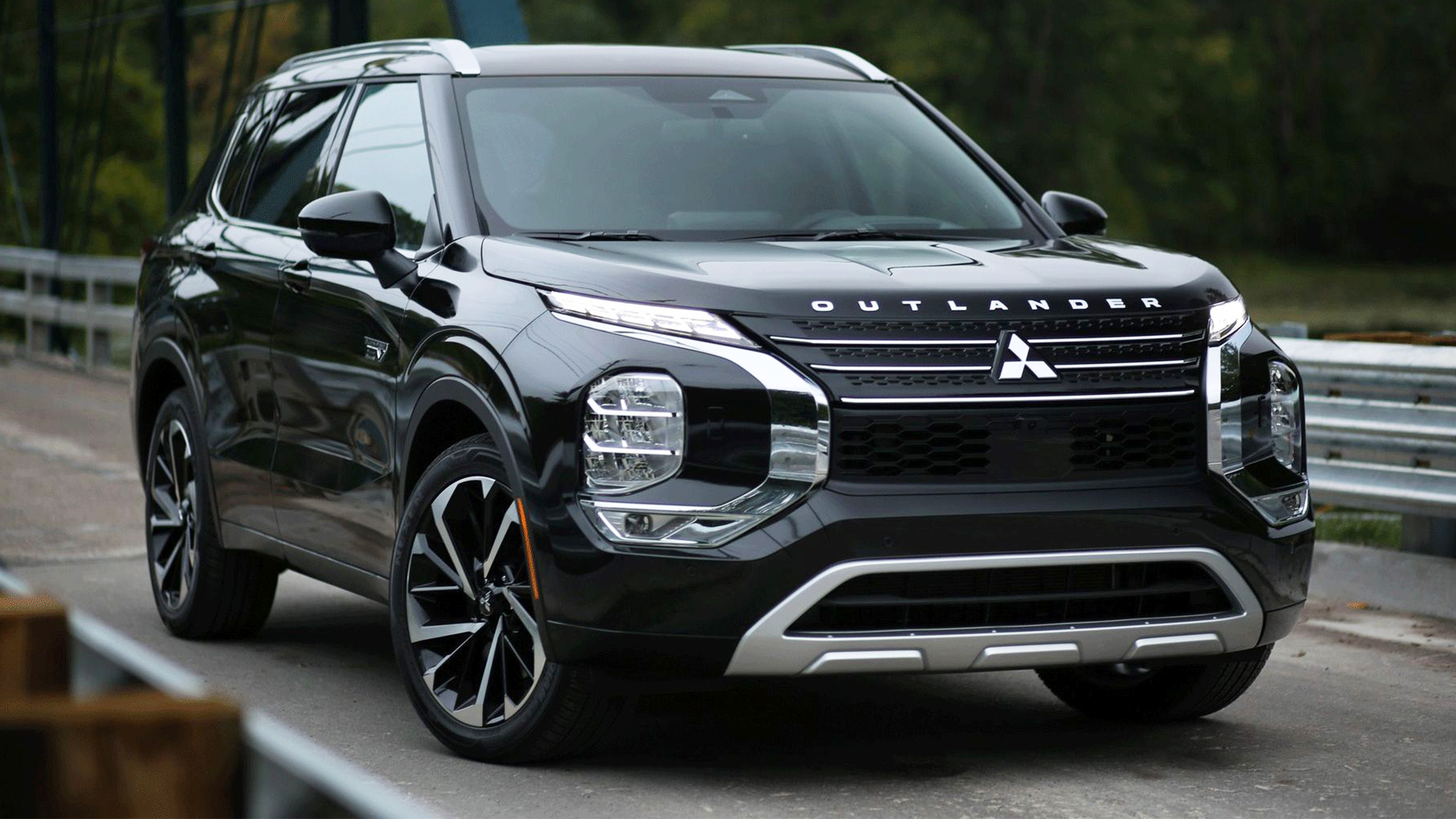
Still, turning intent into action has proved difficult for Honda, Mitsubishi, and Nissan. According to Auto News, their product portfolios and manufacturing footprints overlap rather than complement one another.
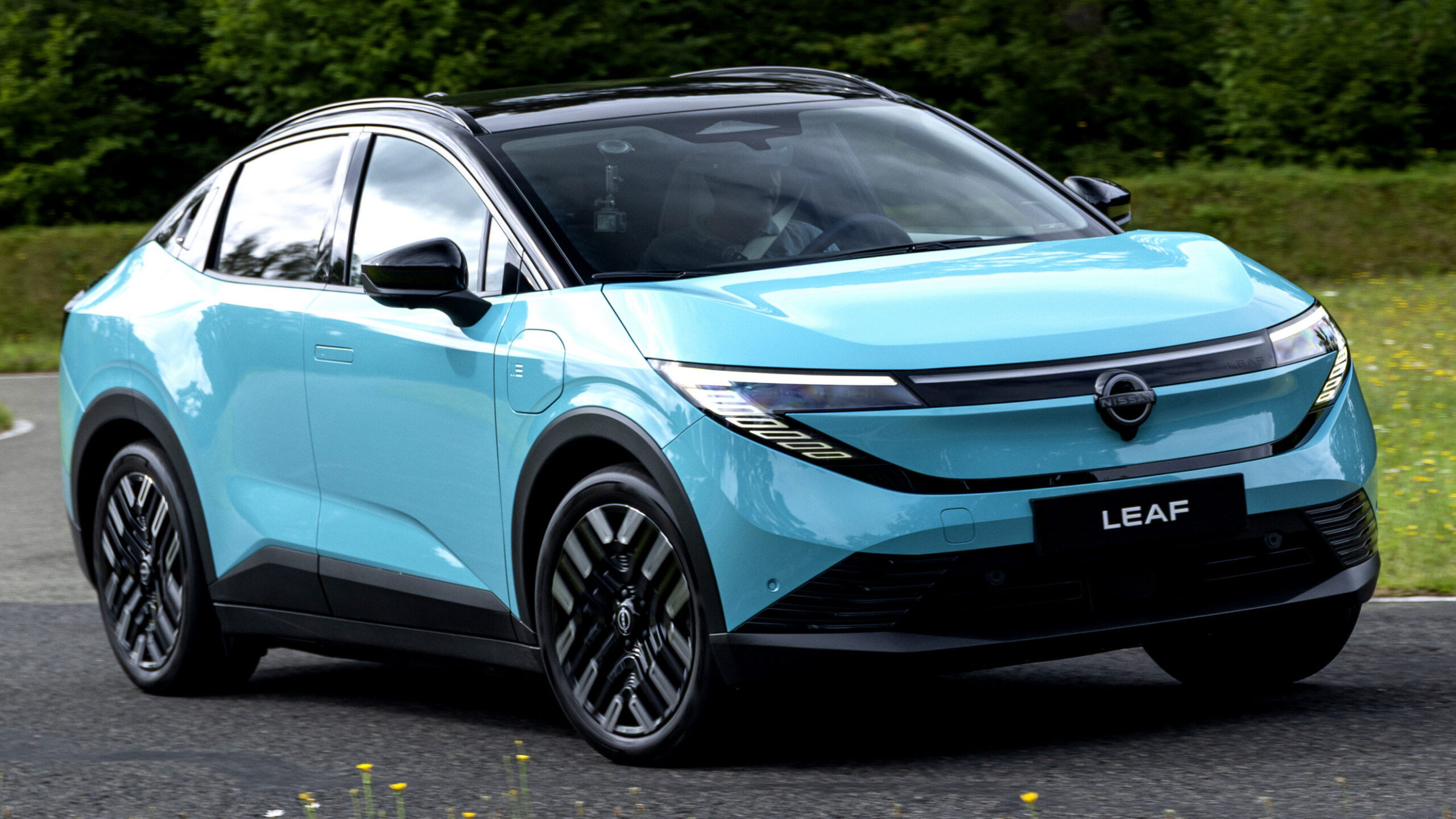
Examples of cooperation so far remain limited. Nissan recently received a rebadged version of the Mitsubishi Outlander plug-in hybrid to sell in the US under the Rogue PHEV nameplate, filling a gap in its hybrid lineup. Under a separate revival plan launched last year, Nissan also plans to supply Mitsubishi with a version of its Leaf EV, although that model has yet to reach the market.
“The only thing I can say is discussions are progressing,” added Mitsubishi chief executive Takao Kato. “If discussions with Nissan and Honda yield results, we hope to incorporate them into our new midterm plan. We hope to finalize more details on the new SUV and discuss them in the near future.”