


- DOE removes fuel content factor from EV fuel economy calculation.
- Change follows Eighth Circuit ruling against prior phaseout rule.
- Lower CAFE pressure could shift automaker production strategies.
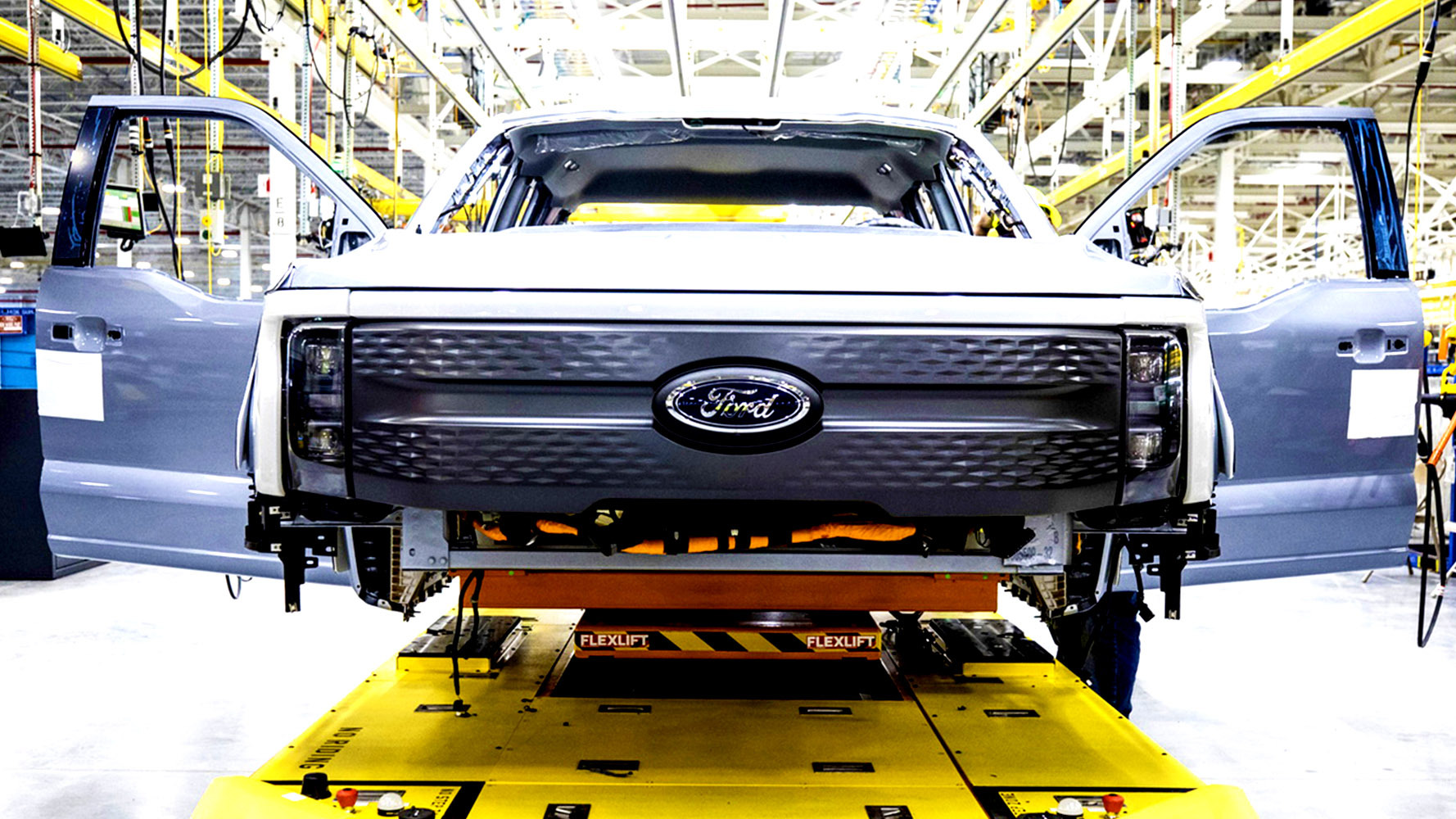
The last year or so has seen one gigantic shift in the automotive industry after another. Add another to the list today with the end of something called the fuel content factor (FCF). It’s a regulatory formula that incentivizes automakers to build more electric vehicles. With its death, automakers will have to reconsider how they approach the market.
On Wednesday, the Trump administration confirmed it is rescinding the rule, arguing that it effectively overstated the energy savings of electric vehicles and gave automakers extra compliance credit toward federal fuel economy targets.
The formula helped automakers meet Corporate Average Fuel Economy (CAFE) standards. Those standards are important to automakers even though the Trump administration removed penalties for missing targets.
EV Compliance Value Shrinks
That said, the fuel content factor incentivized EV production because it made those targets easier to meet. The Biden administration proposed eliminating it before leaving office, but now it’s officially gone.
Read: Ford’s CEO Applauds Trump’s CAFE Rollback, Says They Were Forced Into EVs
Under that earlier proposal, removing the multiplier would have reduced the compliance value of EVs by roughly 70 percent, a sign of just how heavily the formula boosted their regulatory impact.

Removing the FCF from the broader petroleum-equivalency factor (PEF) calculation will essentially make EVs look far less efficient than they did previously. According to Reuters, the Department of Energy deemed the FCF to be unlawful.
For years, automakers grumbled that the formula was doing EVs a generous favor, crediting them with fuel economy ratings roughly seven times higher than if you ran the numbers using the straight gasoline-equivalent energy content of electricity.
The Legal Blow To The Multiplier
The Detroit News reports that this comes after a September 2025 ruling by the U.S. Court of Appeals for the Eighth Circuit. Judge Duane Benton wrote that the multiplier was unlawful in the first place, which undercut the legality of simply phasing it out.
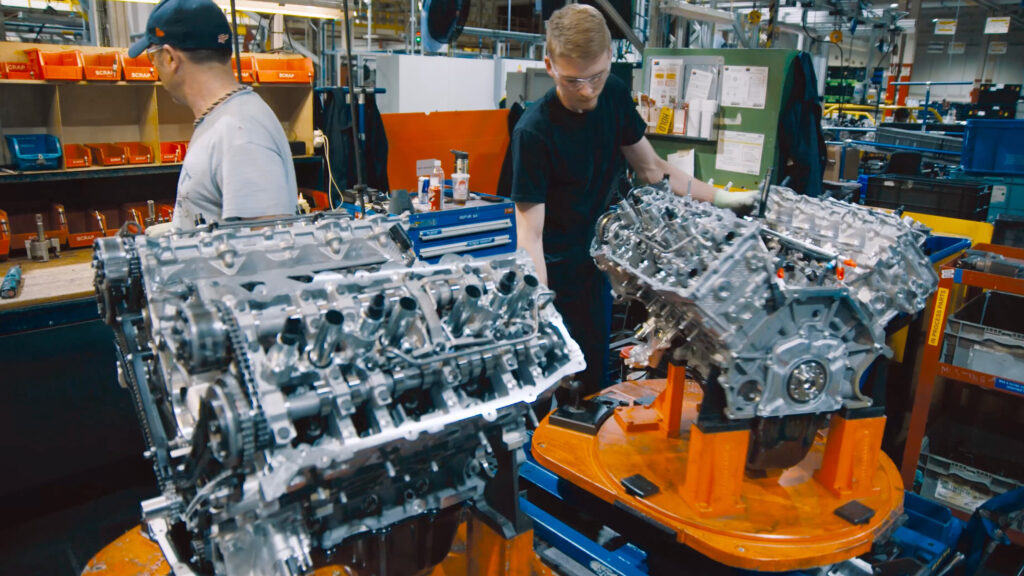
Without the inflated compliance value from the fuel content factor, EVs won’t carry the same regulatory leverage inside automakers’ portfolio planning. That could ease pressure to overproduce EVs in markets where demand has softened and allow brands to lean harder into profitable gas-powered trucks and SUVs.
The Long-Lasting Effect
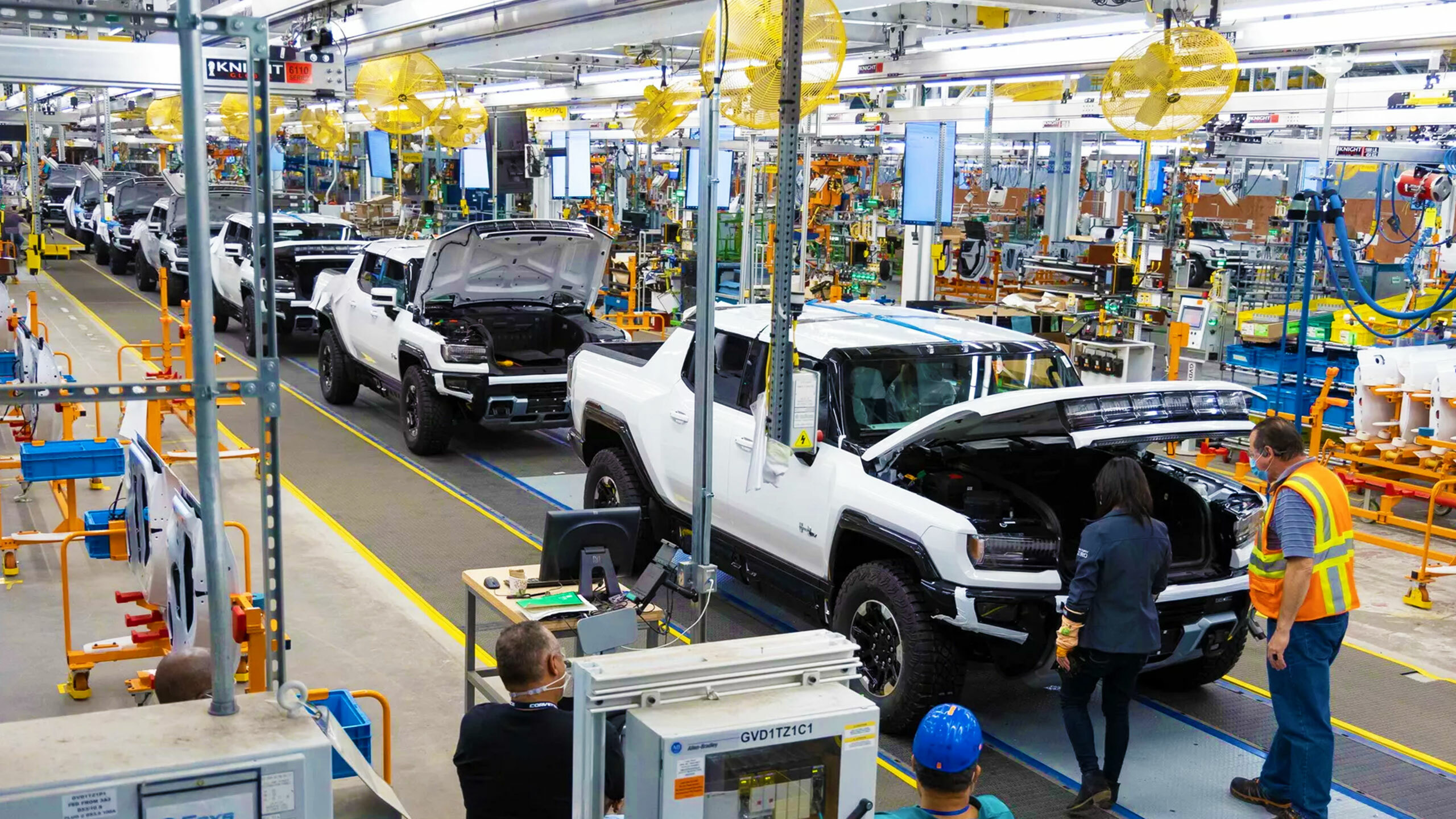
So why does any of this matter if automakers no longer face CAFE fines? Because the standards themselves haven’t disappeared. For now, only the penalties and targets have shifted. CAFE rules remain on the books, and the petroleum-equivalency math still determines how electric vehicles count toward compliance. What’s changed is the pressure.
With fines scrapped and fleet targets lowered, automakers suddenly have room to breathe. The NHTSA has also proposed cutting the 2031 fleetwide requirement to 34.5 miles per gallon, down from the 50.4 miles per gallon target set in 2024, easing near-term compliance pressure.
However, vehicle programs are planned years in advance, and regulatory pendulum swings can happen quickly. If stricter standards return under a future administration, how they handle today’s news could impact them for decades.