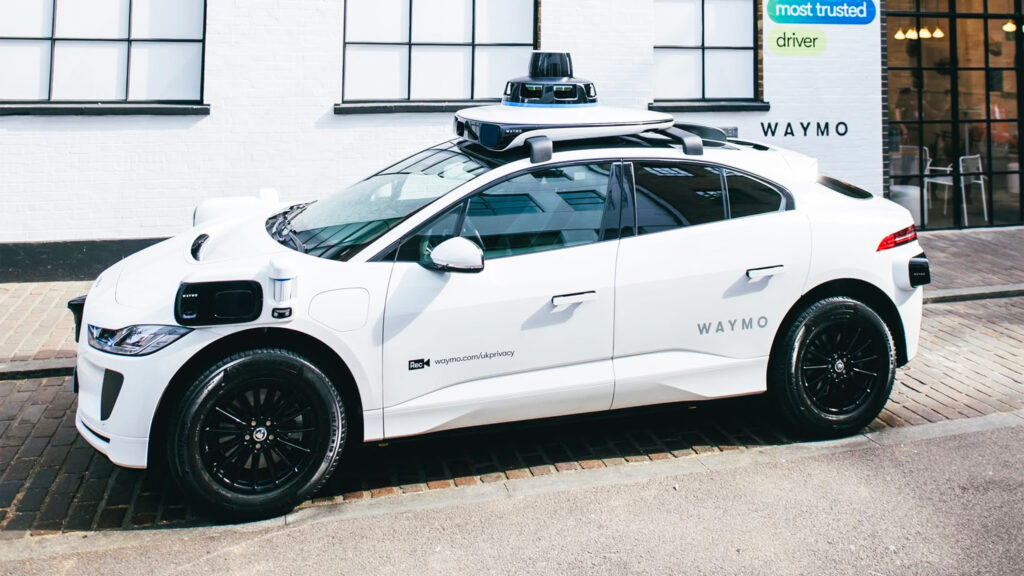










- Ohio may introduce optional blackout plates with new fees.
- The design removes the state slogan but keeps validation tags.
- Indiana’s version generated over $1.3 million in two months.
Ohio could become the latest US state to introduce blacked-out license plates for local motorists. The design is proving popular elsewhere in the country, and it also happens to be rather effective at quietly topping up DMV coffers, which may or may not explain the sudden enthusiasm.
Ohio State Sen. Nathan Manning recently introduced a bill proposing blackout license plates. Like similar designs offered elsewhere, they would feature a solid black background with white letters and numbers.
Read: Wisconsin’s New Retro License Plates Could Become The State’s Next Cash Cow
Importantly, they would not include the “Birthplace of Aviation” phrase that appears on standard Ohio tags, but they would still need a validation sticker showing the vehicle’s registration expiration date.
The bill proposes that the blackout tags carry a $20 annual fee, plus a $10 administrative fee. They would be available to anyone ordering a new registration.
A Revenue Friendly Upgrade
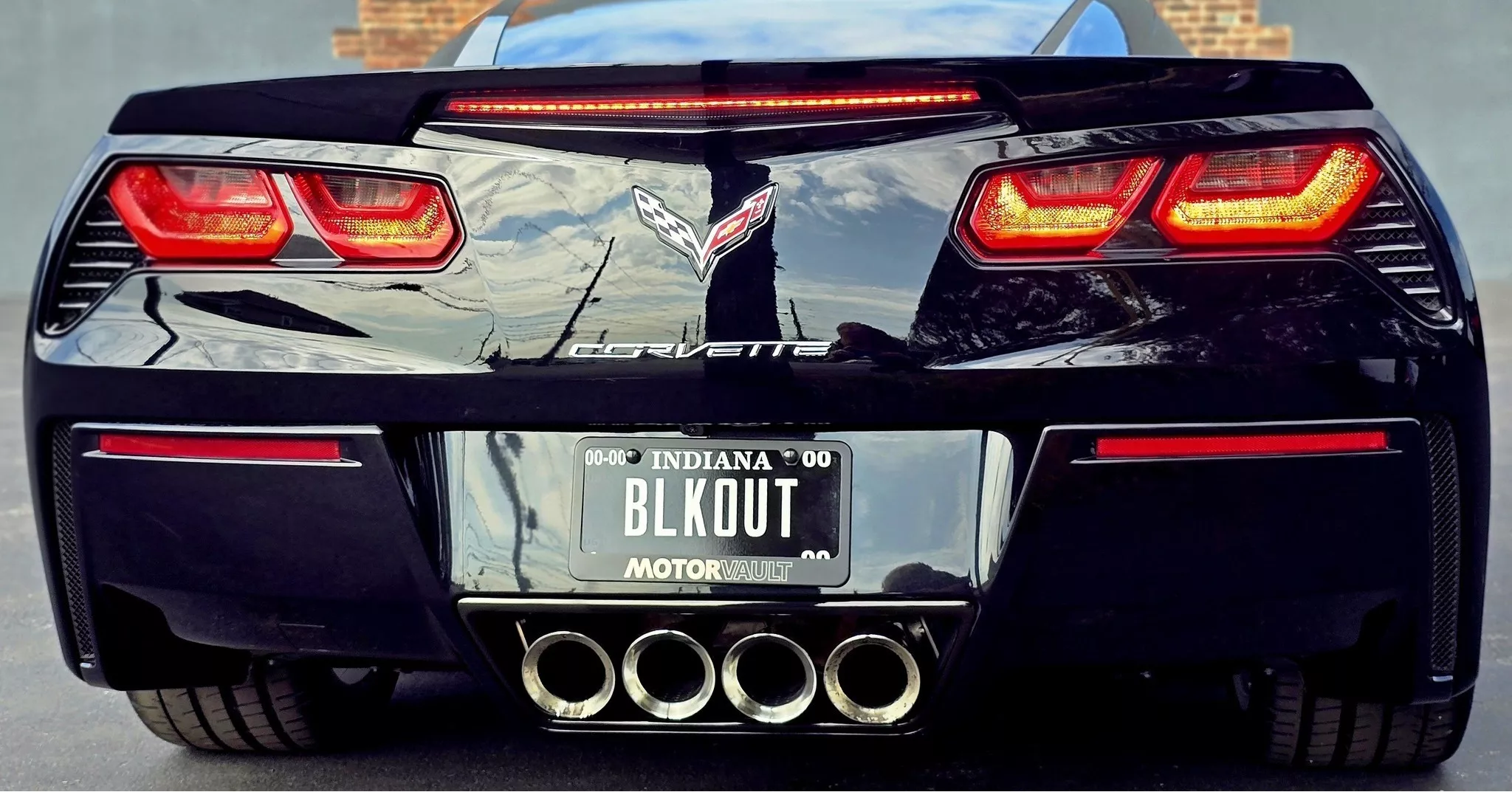
Blackout plates, like the ones proposed in Ohio, are becoming increasingly useful tools for DMVs looking to strengthen their budgets. In the three years since Colorado launched its own dark tags, more than 486,000 vehicles have been registered with them. Each carries a $25 annual fee, generating $12.15 million and now accounting for 7.69 percent of all new plates issued in the state.
In August, the dark design was introduced in Indiana for passenger cars, RVs, motorcycles, and trucks weighing less than 11,000 lbs. It carries a $45 annual fee and can be personalized for an additional $45.
In the first two months alone, more than 40,000 were purchased, generating over $1.3 million in revenue. As of early February, more than 105,000 had been sold, underscoring just how popular the blackout design has become with vehicle owners. Ohio will likely be watching closely to see if it can replicate Indiana’s results.