
- IEA members are releasing 400 million barrels of oil.
- This is the largest ever release and their sixth overall.
- Gas prices have soared 64 cents in the past month.
The 32 members of the International Energy Agency (IEA) have unanimously agreed to release 400 million barrels of oil from their emergency reserves. This will be the “largest ever oil stock release” and it’s designed to help with disruptions caused by the war in Iran.
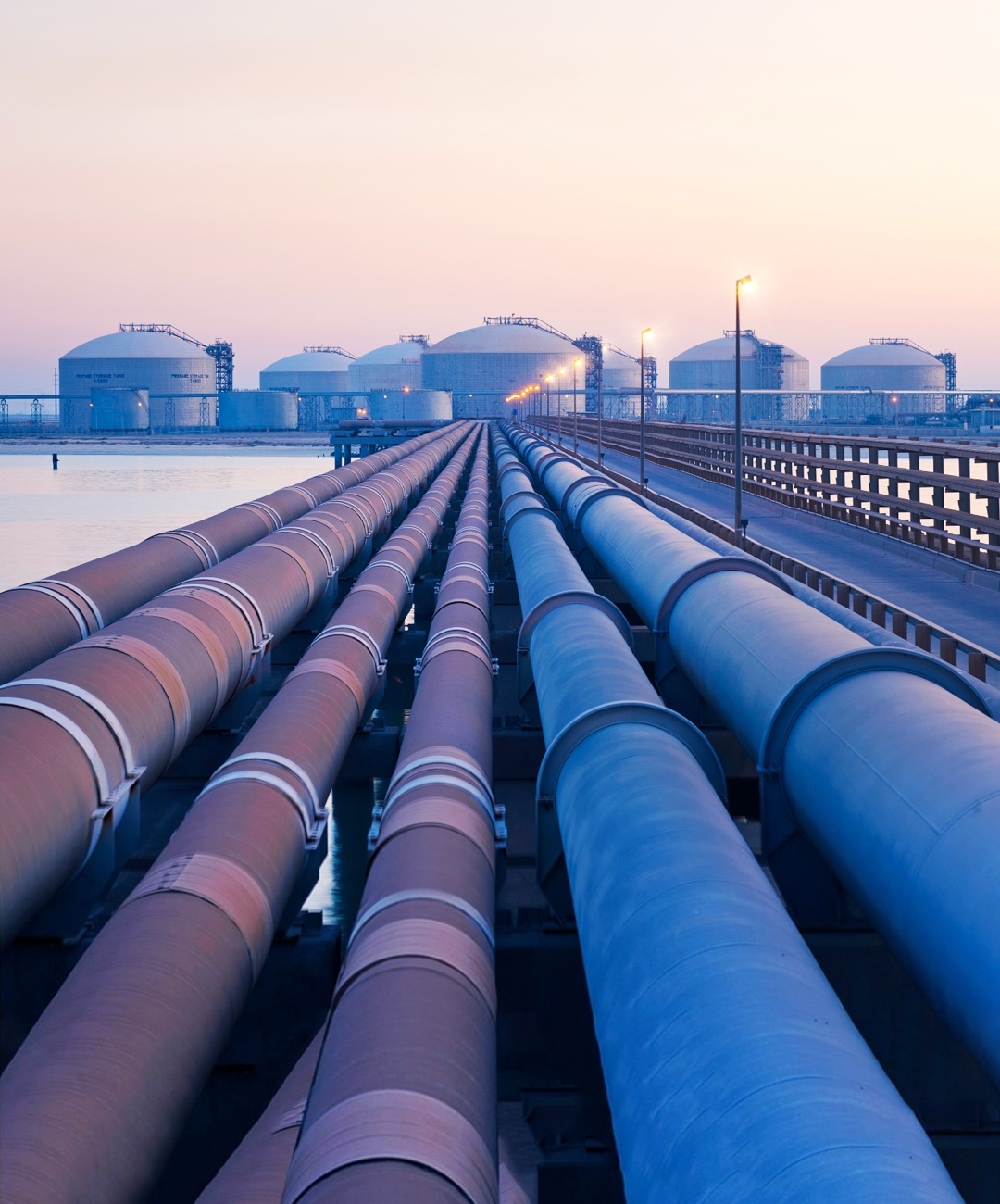
The organization noted an average of 20 million barrels of oil transited the Strait of Hormuz every day in 2025 and that’s around 25% of the world’s seaborne oil trade. However, flows are now “currently at less than 10% of pre-conflict levels.”
More: Gas Jumps 26.8 Cents In A Week, Trump Says If They Rise, They Rise
With the Strait of Hormuz effectively shut down and Iran reportedly attacking ships in the area, producers in the region have been forced to shut down or curtail production as they can’t get their oil out. The IEA also noted options to bypass the strait are limited.
Relief likely won’t be immediate as emergency reserves will be released “over a timeframe that is appropriate to the national circumstances of each member country and will be supplemented by additional emergency measures by some countries.” This means oil will be flowing, but some members could spread out the release.
IEA Executive Director Fatih Birol said, “Oil markets are global, so the response to major disruptions needs to be global too. Energy security is the founding mandate of the IEA, and I am pleased that IEA members are showing strong solidarity in taking decisive action together.”
IEA members hold emergency stockpiles of over 1.2 billion barrels and there’s another 600 million barrels of “industry stocks held under government obligation.” This is only the sixth time in history there’s been a coordinated release and it follows actions in 1991, 2005, 2011, and twice in 2022.
Gas Prices Continue Climbing

Back at home, the national average price for a gallon of gasoline has soared to $3.578. That means prices have climbed 38 cents in a week and are up 64 cents in the past month. They’re also well above last year’s average price of $3.081.
Diesel owners are getting particularly hard hit as the national average price is $4.830 per gallon. That’s up from $3.667 a month ago, which means drivers are paying an extra $1.163 per gallon. This is an increase of 31.7% and the added cost will likely be passed onto consumers as many goods are shipped by diesel-power trucks and semis.