- Porsche is “right-sizing”, with more than 3,900 job cuts by 2030.
- EV-heavy strategy is reportedly to blame for the massive profit drop.
- Porsche is also facing challenges in China, as well as with US tariffs.
Porsche is preparing to cut more jobs than initially planned as it grapples with the fallout from an expensive rethink of its EV strategy. The move comes at a difficult moment for the German carmaker, with investors increasingly questioning whether the company pushed too aggressively into electric vehicles before the market was ready.
New chief executive Michael Leiters has made it clear that Porsche needs to become leaner. He previously said the company planned to cut about 10 percent of its 40,000-strong workforce, roughly 3,900 jobs, by 2030, but that figure may now rise.
According to The Guardian, management has stressed that the majority of the cuts should be made through voluntary means rather than forced layoffs, but the direction is clear: fewer roles, fewer levels, and quicker decisions.
“We will streamline our management structure, reduce hierarchies and cut back on bureaucracy,” said Leiters, and added that more details would come in the autumn.
EV Reversal And China Woes
The job cuts are associated with a costly strategy reversal. Porsche previously talked up a swift move to electric vehicles, but demand has been softer than expected in key markets, and competition in the EV space has increased. The change in direction has resulted in a write-down of €3.9bn ($4.49bn).
China is another hot problem area. The premium market cooled down there, and local brands have become tougher rivals, especially in electric models. That makes it more difficult for Porsche to justify its lofty price tags without losing volume. Add wider uncertainty in global trade, including newly introduced tariffs, particularly in the US market, and supply chain stress, and the company is stuck with balancing big ambitions with a clear need to protect cash flow.
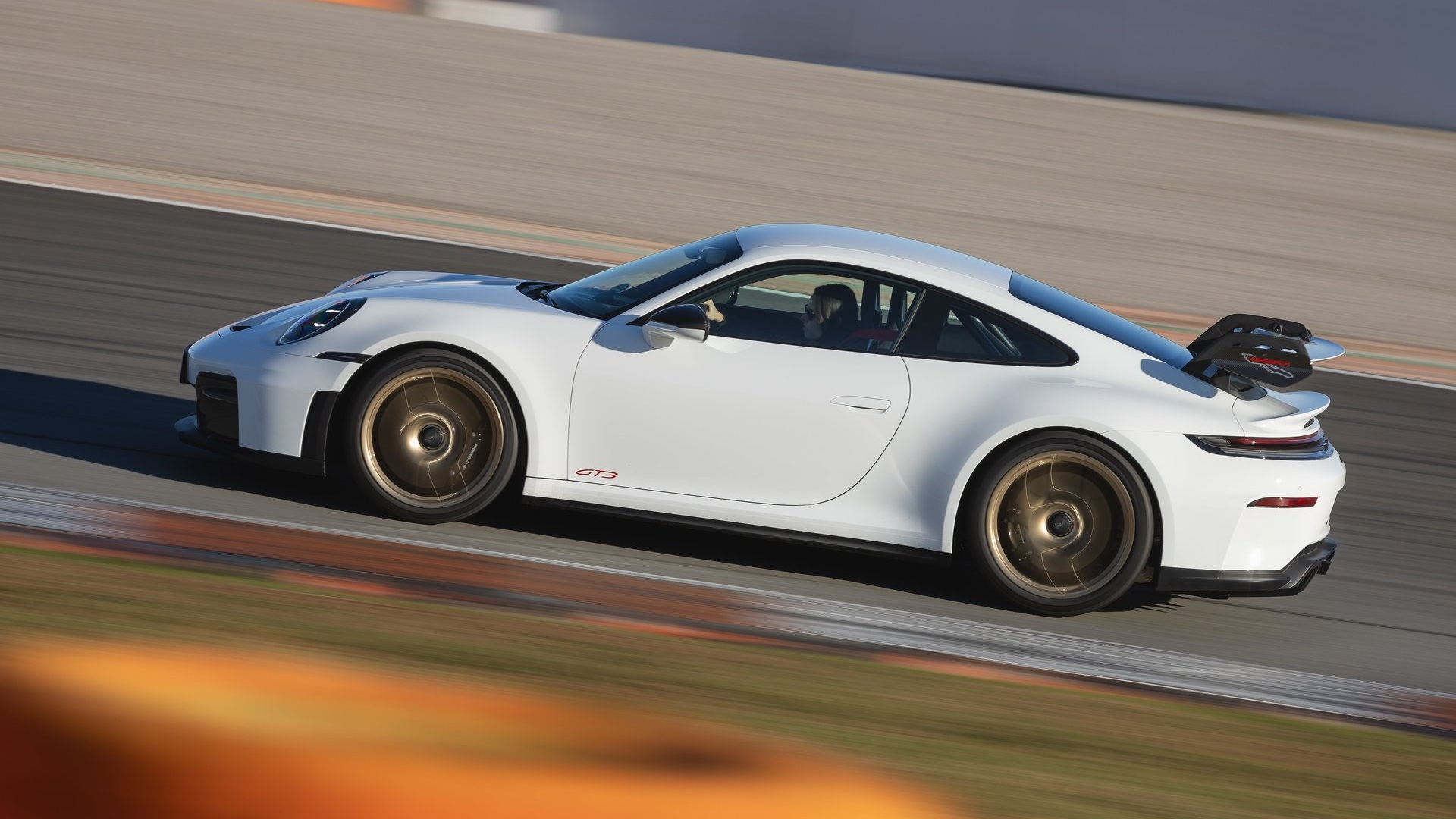
Porsche is not giving up on electric cars, but it is slowing down and expanding its approach. Leiters is expected to keep combustion models, and particularly the 911, at the core of the lineup for some time.
Hybrids and gas vehicles are likely to remain significant well into the 2030s, and EV plans are more carefully paced by actual demand than by extravagant deadlines. Executives are now focusing on the higher-end variants and options in an attempt to drive more profit, rather than chasing volume.