- Honda recently posted $15.7 billion in expenses for its EV U-turn.
- EV registrations in the US collapsed 48 percent in December.
- Ditching the $7,500 federal EV tax credit has eroded EV demand.
The new year hasn’t been kind to traditional automakers, many of which now find themselves confronting an EV reality in the U.S. that looks very different from what they had been planning in boardrooms not long ago. A mix of policy changes and cooling demand is forcing several manufacturers to rethink electrification plans that, until recently, sat at the center of their long-term strategies.
Read: Honda Cancels 0 Sedan, 0 SUV, And Acura RSX EVs
Honda is the latest to change course. The company confirmed this week that it will scrap all three electric vehicles it had planned to build in America, citing weakening demand, especially in the US market. The move places it alongside Ford, GM, and Stellantis, all of which have recently scaled back their own EV programs.
Taken together, the retreat is proving expensive. Those four automakers alone have absorbed close to $70 billion in losses tied to their EV investments, reports Auto News. And that figure doesn’t even include other manufacturers, such as Porsche, which have also begun dialing back their electrification plans.
The drop in EV demand in the US can be largely traced to decisions made by the Trump administration. New government policies not only encourage manufacturers to prioritize combustion-powered models, but the removal of the $7,500 federal EV tax credit has also further weakened demand at a time when adoption was already slowing.
In fact, EV registrations fell 48 percent in December compared to last year, dropping to just 75,427 vehicles. As a result, EV market share slipped from 9.9 percent to 5.3 percent.
The EV Graveyard
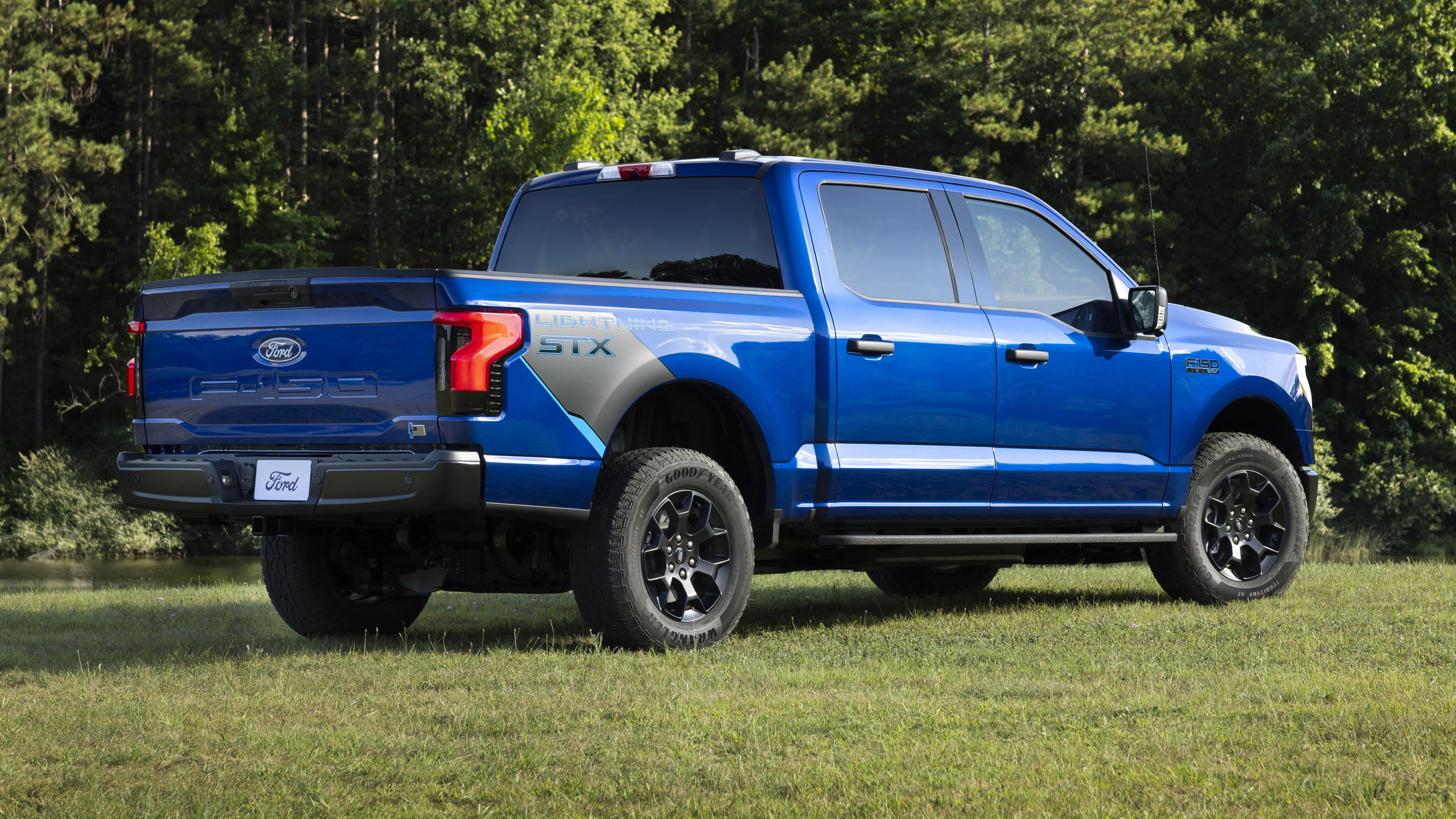
Ford has already revealed that its retreat from EVs has cost roughly $21 billion. The company scrapped plans for a three-row electric SUV and ended production of the F-150 Lightning last year after it failed to meet sales expectations.
Stellantis recently said its EV pullback will cost about $26 billion, following the cancellation of several electric models. GM has also stepped back, halting production of the Chevrolet BrightDrop electric van in Canada and repurposing a Michigan plant for gas trucks after originally planning to build EVs there.
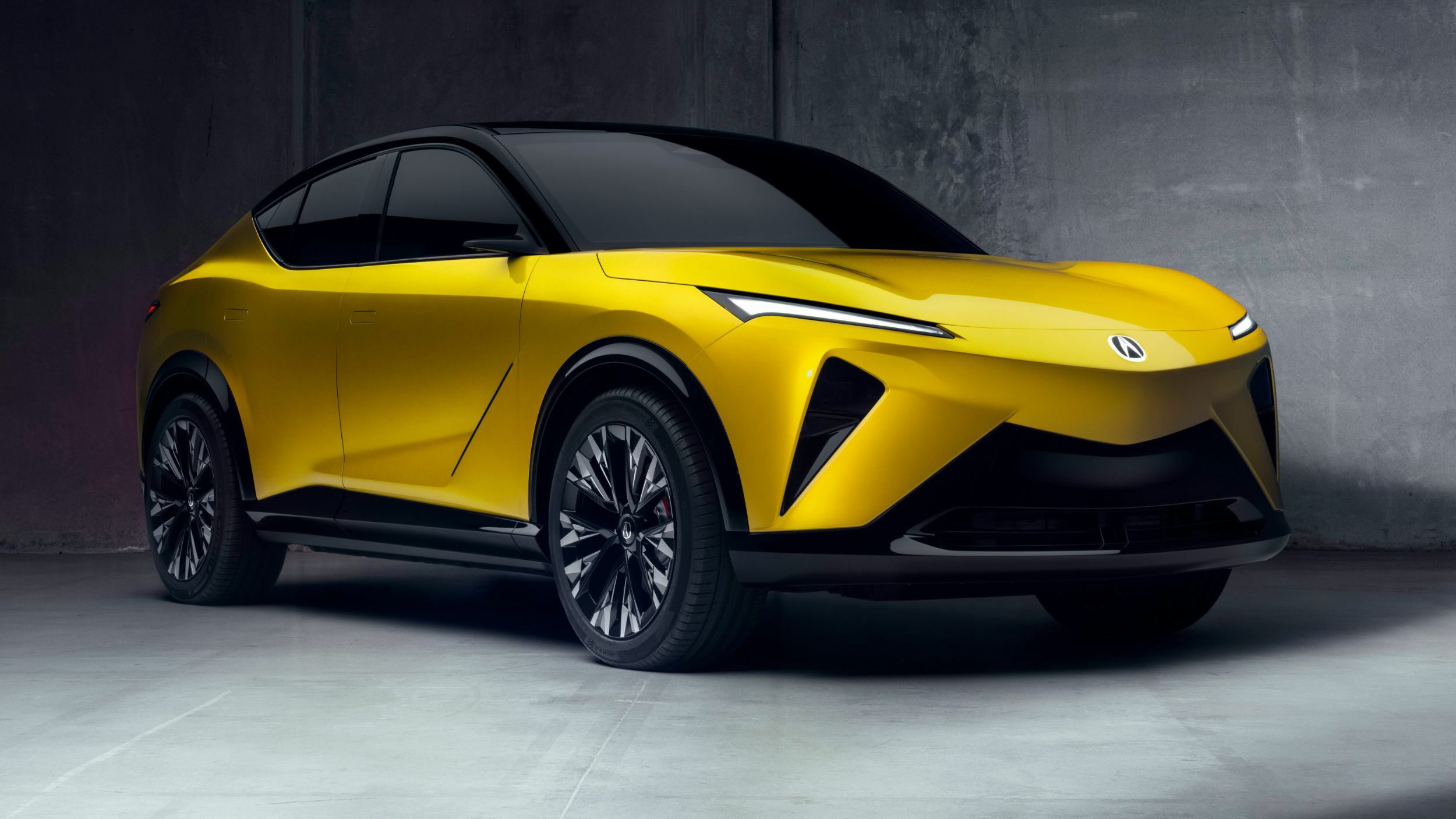
As noted by Auto News, Honda is booking 2.5 trillion yen or $15.7 billion in expenses and losses due to its EV U-turn. In addition to killing off the 0 Saloon and the 0 SUV, the car manufacturer has killed off the all-electric Acura RSX. That sleek coupe SUV was unveiled as a pre-production prototype last year and would have been the first to use Honda’s in-house global EV platform.
Honda is booking 2.5 trillion yen or $15.7 billion in expenses and losses tied to its EV U-turn. Alongside the cancellation of the 0 Saloon and the 0 SUV, the automaker has also killed the all-electric Acura RSX. The stylish coupe SUV debuted as a pre-production prototype last year and was set to become the first model built on Honda’s in-house global EV platform.