










- Washington approves a ‘blue envelope’ law to support neurodivergent drivers.
- Program aims to reduce confusion and miscommunication during police stops.
- The change may raise questions, but it leaves licensing rules exactly as they are.
Getting pulled over isn’t anyone’s idea of a good time, and for neurodivergent drivers, the experience can tip quickly from uncomfortable into genuinely distressing. Now, the state of Washington is doing something to help ease tension in those situations. Known as the “blue envelope” law, it’ll offer a new method of communication between the police and motorists.
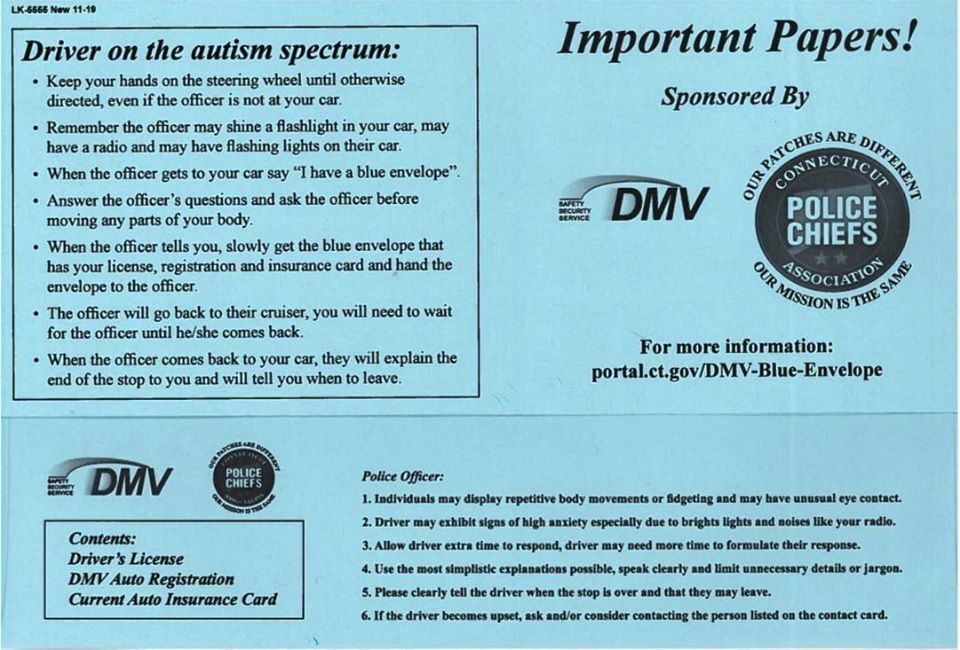
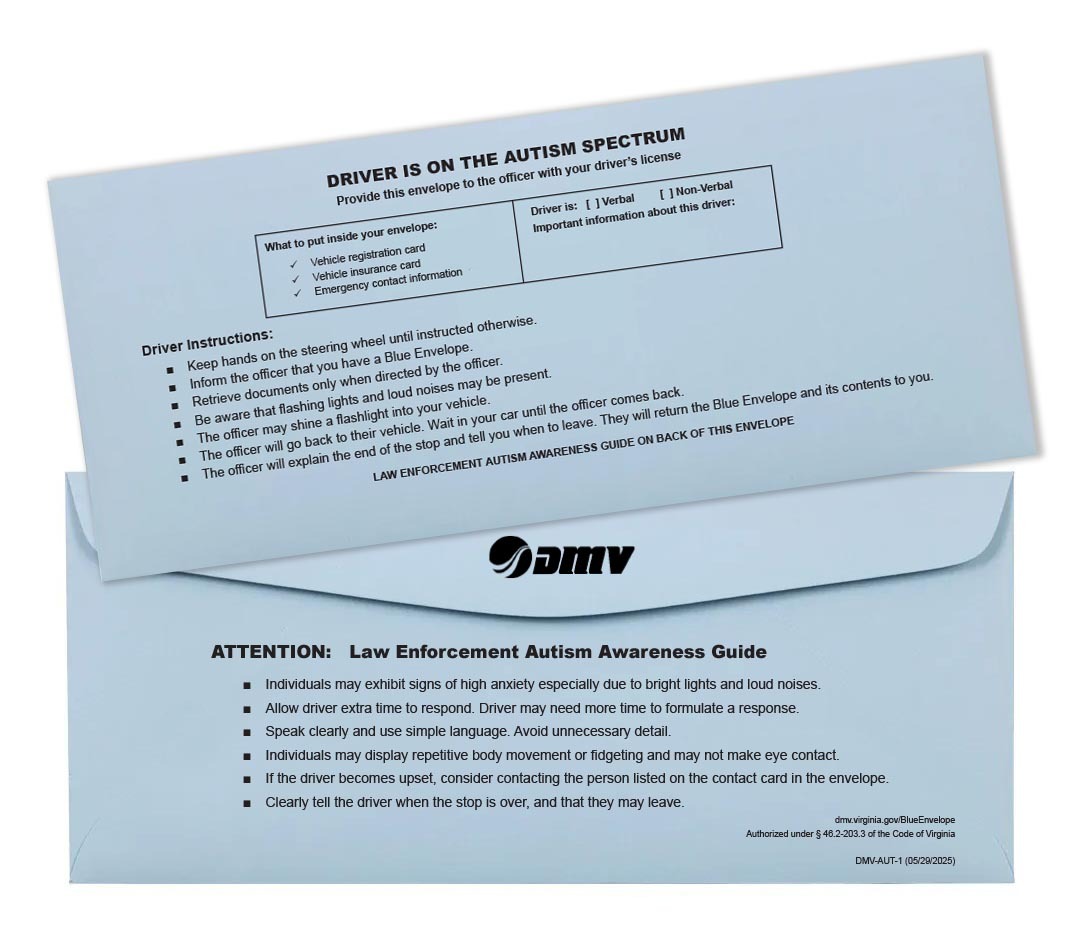
The law creates a voluntary program allowing drivers with conditions such as autism, ADHD, or other neurological differences to keep their license, registration, and insurance inside a blue envelope that signals to officers the person may communicate differently or need extra time to respond.
Read: Deadly Police Pursuit Sparks Outrage After Spike Strips Deployed In Active Traffic
According to The Seattle Times, the envelopes will be available through the state’s licensing system, and drivers don’t need to provide proof of a diagnosis to use one. Supporters say that the idea is simple. Folks with neurodivergent brains can find loud commands, flashing lights, and sudden questions especially overwhelming. Police have at times mistaken reaction to these stimuli as intoxication, defiance, or suspicious behavior.
The blue envelope acts as a signal to the police that the person might need a little more patience. Notably, Washington State isn’t the first in the to adopt such a program. Connecticut launched a similar program in 2020 but hasn’t released any data on whether or not it’s improving safety or the traffic stop experience. That said, it’s easy to understand how it might help some drivers.
The entire law brings up another noteworthy question. If an everyday traffic stop can be that stressful, does it say anything about that person’s ability to drive in the first place? It’s a fair thing to wonder but the blue envelope law doesn’t change driving qualifications. Those who engage with the program still have to pass all of the same tests and medical protocols as everyone else.
The distinction supporters make is that driving itself is structured and predictable, while a traffic stop is a sudden social interaction with flashing lights, authority, and unclear expectations. Someone may be perfectly capable of operating a vehicle safely but still struggle with that kind of high-pressure encounter. Now, drivers in Washington just have one extra tool to handle the situation.