


- City cracks down on horn honking a year into a protest outside a Tesla dealer.
- Quiet zone rules now enforced after complaints from nearby residents increase.
- Legal questions raised over free speech and selective enforcement of laws.
Your car horn isn’t just for warning distracted drivers to quit looking at their phone. In one Ohio city, it’s become the center of a heated debate involving protests, free speech, and the possibility that a quick ‘I’m with you, brother’ beep can land you in trouble with the law.
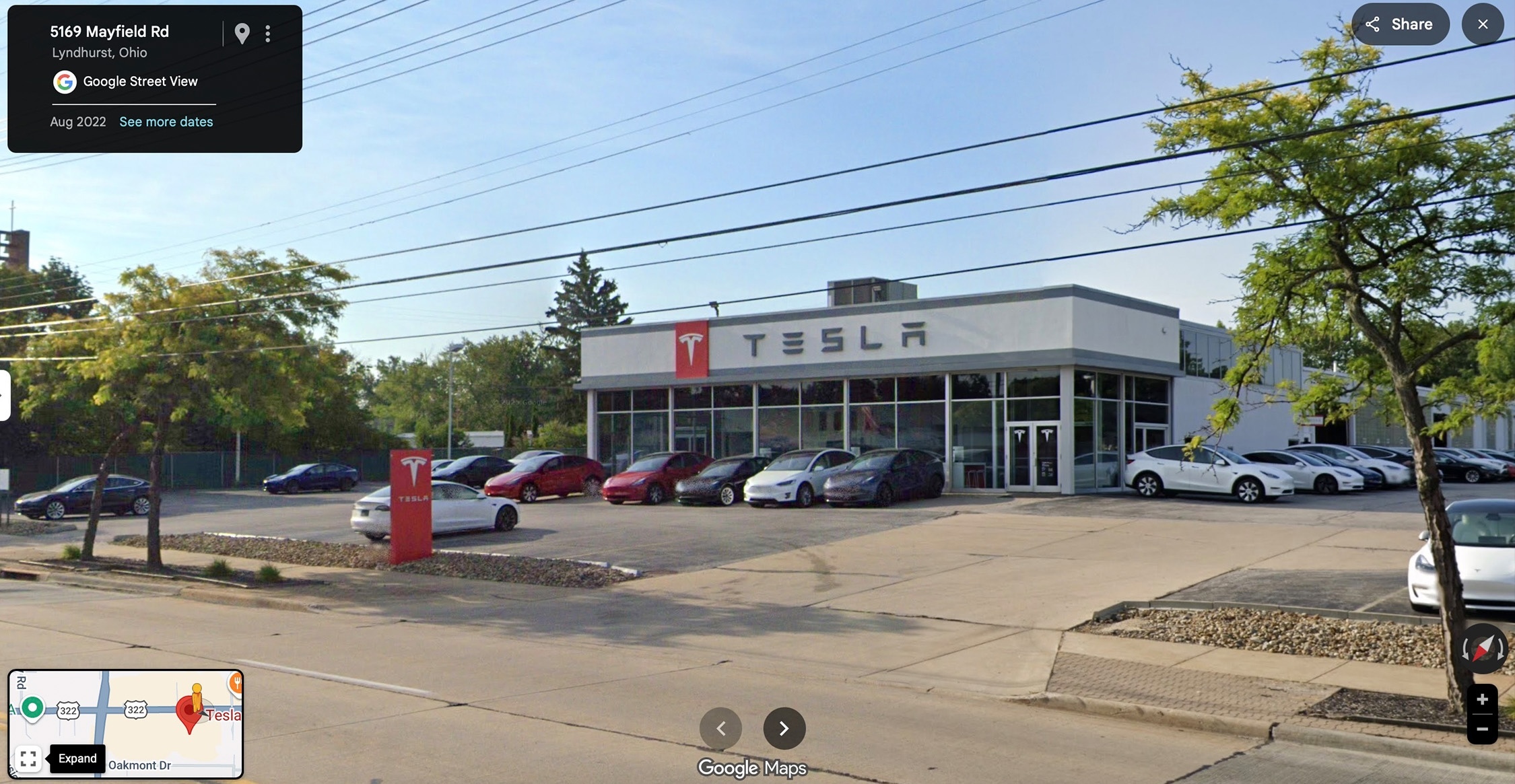
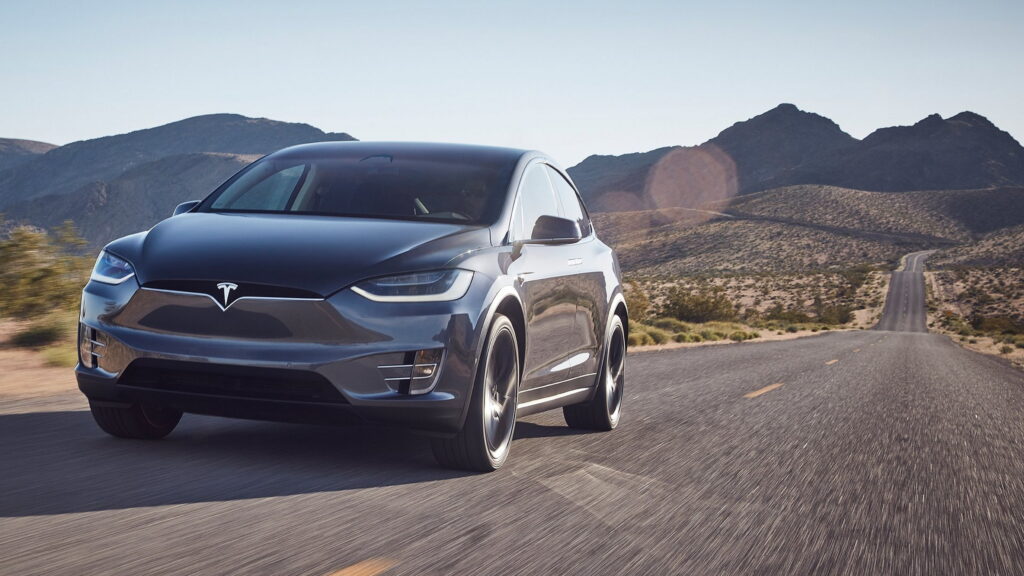
The drama is unfolding in Lyndhurst, where weekly demonstrations outside a Tesla showroom have been running for 57 weeks or more than a year to protest against Telsa CEO Elon’s Musk’s controversial role in US politics. Supporters driving past would often blast their horns in solidarity, turning the street into something resembling rush hour in Manhattan.
Related: Yale Economists Quantify Exactly How Many Sales Musk’s Politics Cost Tesla
After complaints from residents, Lyndhurst introduced a designated quiet zone around the area and began warning drivers who honk unnecessarily. According to reports, police have been stopping motorists but, so far, haven’t handed out fines.
Mayor Patrick Ward told reporters that while the protests themselves aren’t the issue, “the neighbors are getting a little rattled and would appreciate a bit less noise.”
Not everyone wants the horns to fall silent. Some protesters had been actively encouraging drivers to join in with signs urging them to honk. One regular demonstrator, Ron Brubaker, told Cleveland.com, “I’m actively encouraging people to honk their horns,” adding that he’s been doing so for over a year.
That encouragement is now part of the problem. Authorities say local laws only allow horn use for safety purposes, not as a show of support. The city has also leaned on broader noise regulations to justify the clampdown, especially after the honking became a regular weekend soundtrack.
The Right To Honk
Still, the legal side isn’t entirely straightforward. First Amendment lawyer Brian Bardwell told WKYC Channel 3 the city could face challenges if it’s seen to be applying the rules selectively. In other words, if honking is only being policed when it’s tied to protests, that could raise eyebrows in court.
In the meantime, protesters have tried relocating away from the Tesla site, only to find the same rules following them because the city isn’t just targeting one stretch of road but the behavior itself.