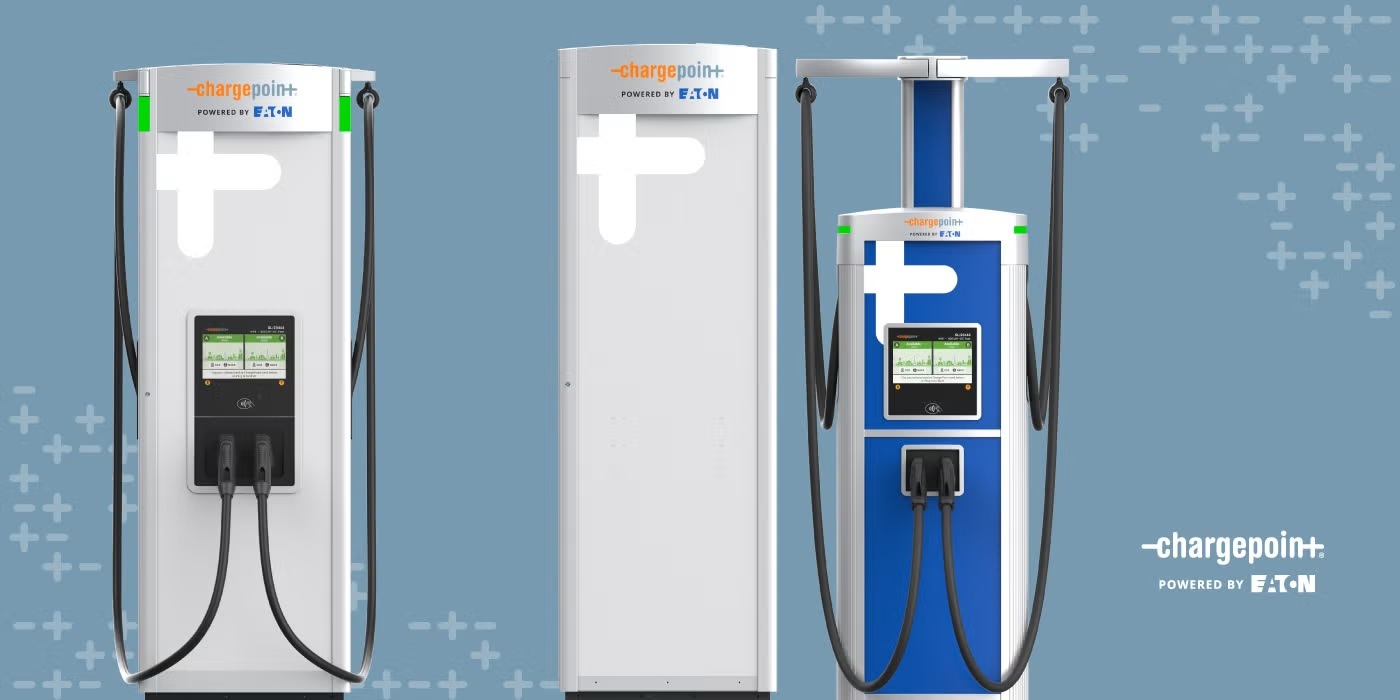
- ChargePoint has introduced a new 600 kW DC fast charger.
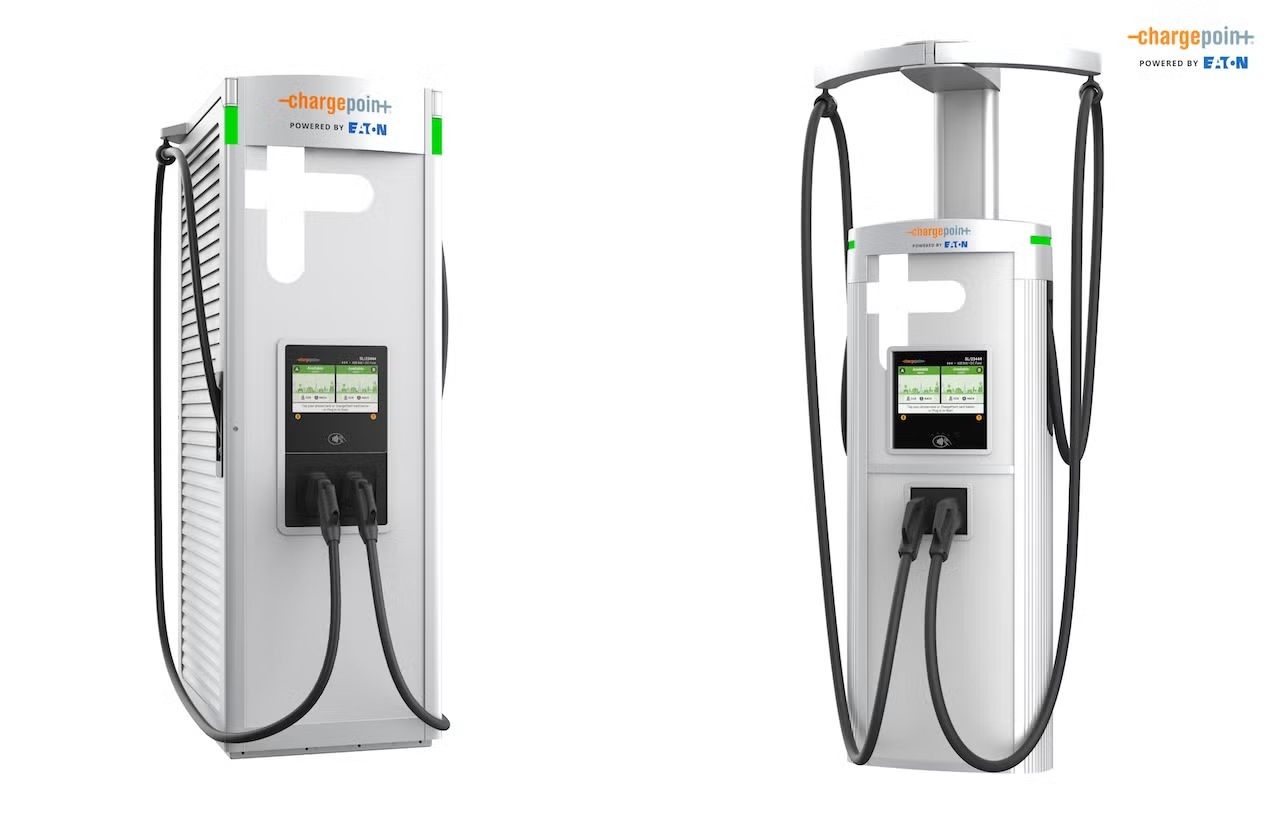
- Known as the Express Solo, it can charge up to four EVs at a time.
- Incorporates Omni Port technology to support CCS and NACS.
One of the biggest complaints about electric vehicles is a long recharging time. That could be about to change as ChargePoint has introduced their new Express Solo.
Billed as the “world’s fastest standalone EV charger,” the Express Solo is capable of delivering 600 kW to a single EV. That’s significantly more than typical DC fast chargers and it could pave the way for far shorter recharging times. By comparison, Tesla’s V4 Supercharger, the current US benchmark for fast charging, peaks at 500 kW.
More: BYD’s New EV Chargers Are So Fast They’re Arranged Like Gas Station Pumps
ChargePoint says the Express Solo “delivers approximately 40% higher power density than other DC charging solutions in the industry’s smallest footprint.” This makes it well-suited for use in tight quarters such as gas stations and convenience stores.
The Express Solo can simultaneously charge two EVs, while an “additional dispenser” can be added into the mix to increase that number to four. When multiple vehicles are charging, the system can “deliver any combination of power levels up to 600 kW per port.”
The charger also has an Omni Port system, which provides access to both CCS and NACS ports at each connection. Other highlights include a built-in cable theft alarm, support for contactless payments, and a 15-inch display.
ChargePoint also mentioned built-in energy storage, which can apparently charge when electricity rates are low. There’s also a DC input for use with solar panels.
The Express Solo is built on ChargePoint’s next-generation architecture, which has been designed to address the “four main challenges to scaling DC fast charging: grid constraints, faster charging speeds, reliability, and cost.” The Express Solo will also be the company’s first DC charger to be sold across Europe.
ChargePoint CEO Rick Wilmer said: “Express Solo combines unmatched power density, direct DC power input capabilities for solar integration and battery storage, and a modular architecture that scales with minimal cost and complexity. Collectively this redefines DC fast charging from a fixed asset into a future-ready energy platform.”