










- Ford and Geely reportedly explored bringing Chinese vehicle tech to the U.S.
- Talks stalled as political pressure around Chinese automakers keeps intensifying.
- Ford publicly insists any U.S. on-ramp for Geely would contradict its position.
Right now, Ford and Geely are in discussions to work together in Europe. If those chats go well, the two could help one another in markets across the pond. According to a new report, there was a chance that Ford would’ve leveraged Geely tech in its cars in the U.S.A. Those discussions evidently broke down largely due to political pressure.
According to The Wall Street Journal, “Discussions about the U.S. started more than a year ago, including Geely licensing its technology to Ford. At one point, the talks envisaged Ford potentially making use of a Geely platform—common structural foundations on which different vehicles can be built—for future models, the people said.”
Also: Jim Farley Praised Chinese Cars, Now He Wants Them Banned From America
Had things gone the other way, this would’ve been one of the biggest Detroit-China collaborations on American soil ever.
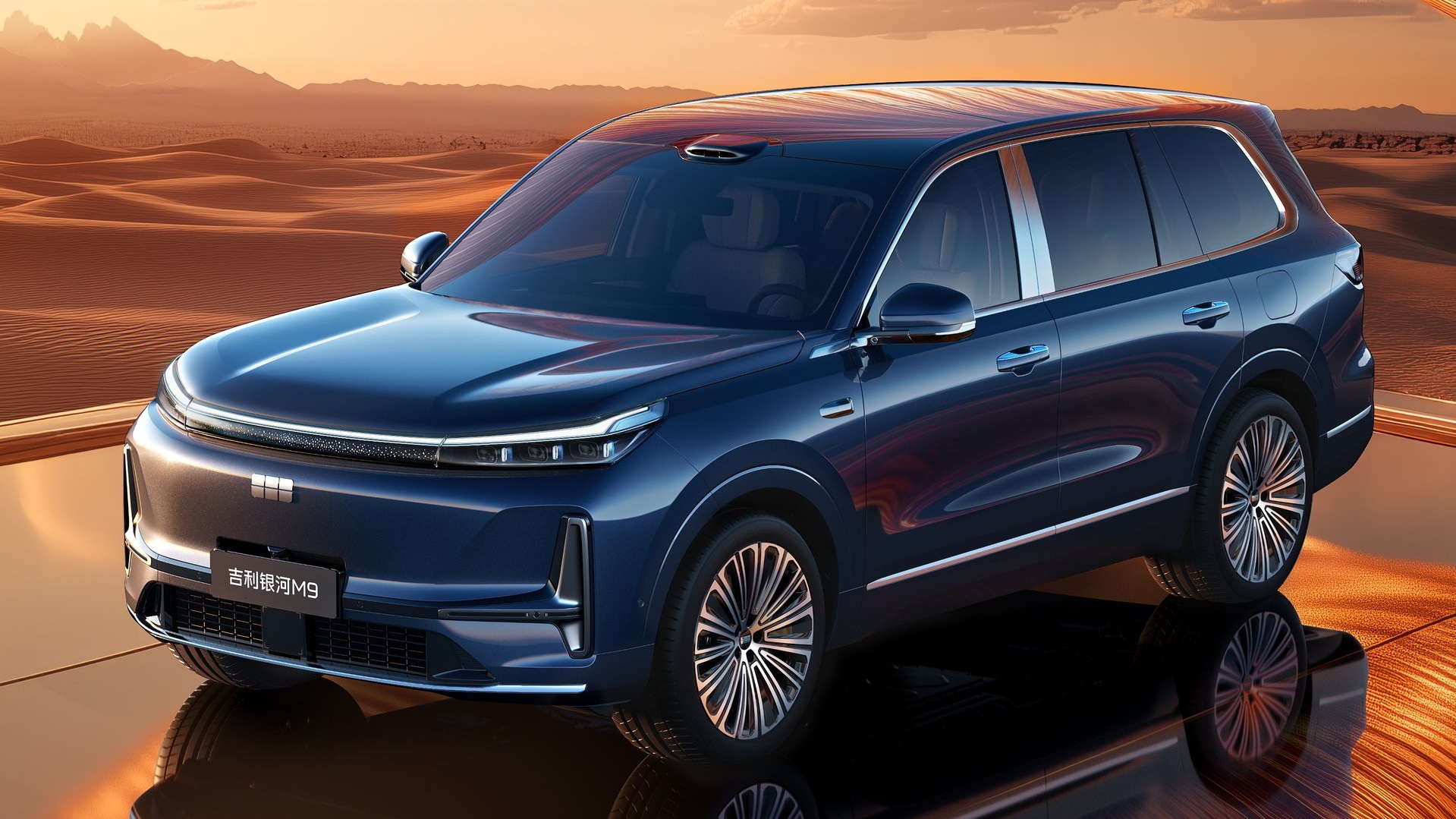
Geely isn’t some fringe startup trying to sneak into the U.S. market. It’s China’s second-largest automaker behind BYD and controls major global brands like Volvo Cars and Polestar. It also displayed its Galaxy M9 EV at CES earlier this year, making its U.S. ambitions pretty obvious. But the talks have reportedly cooled in recent months, with both companies now focused more heavily on Europe instead.

In Europe, Geely could reportedly use Ford’s plant near Valencia, Spain, helping it dodge higher tariffs on Chinese imports while giving Ford a productive use for excess factory capacity. The U.S., however, is a much messier story.
Ford has spent the last year warning that Chinese automakers represent one of the biggest threats to the global auto industry. CEO Jim Farley has repeatedly said the U.S. needs a plan before allowing Chinese-built vehicles to flood the market.
More: A Chinese Brand Just Knocked Ford Out Of The Global Top Six
A Ford spokesperson also told the WSJ that helping a Chinese automaker gain an “onramp” into the U.S. would be completely against the company’s position, saying its commitment to protecting the home market remains “absolute.” For now, it seems that idea is parked. But the fact that Ford even entertained it shows just how seriously Detroit views China’s technology advantage.