


- Stellantis will reportedly prioritize four brands under CEO’s new strategy.
- Jeep, Ram, Peugeot, and Fiat are expected to receive the biggest budgets.
- Other marques may survive through shared tech, badge-engineering.
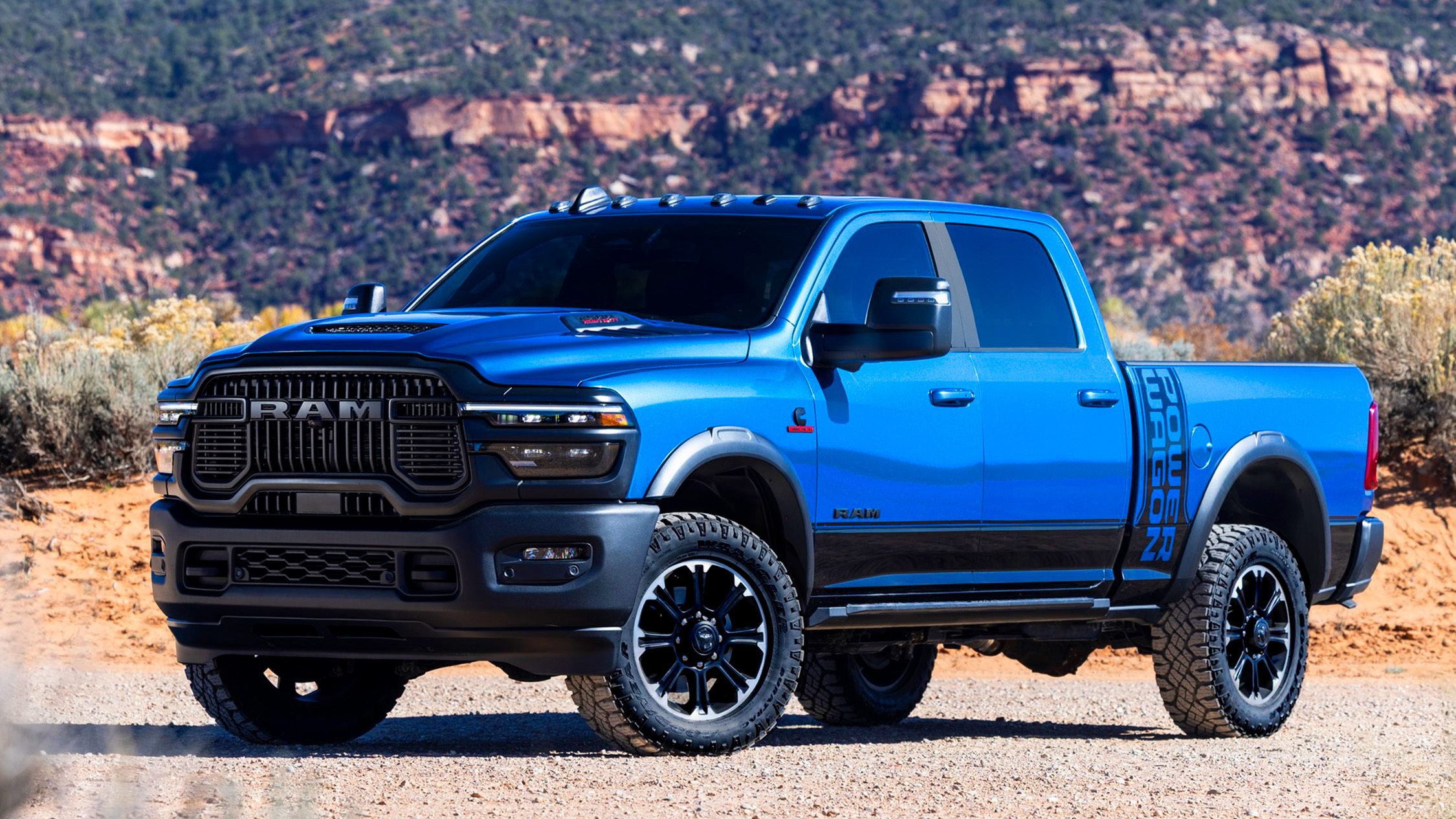
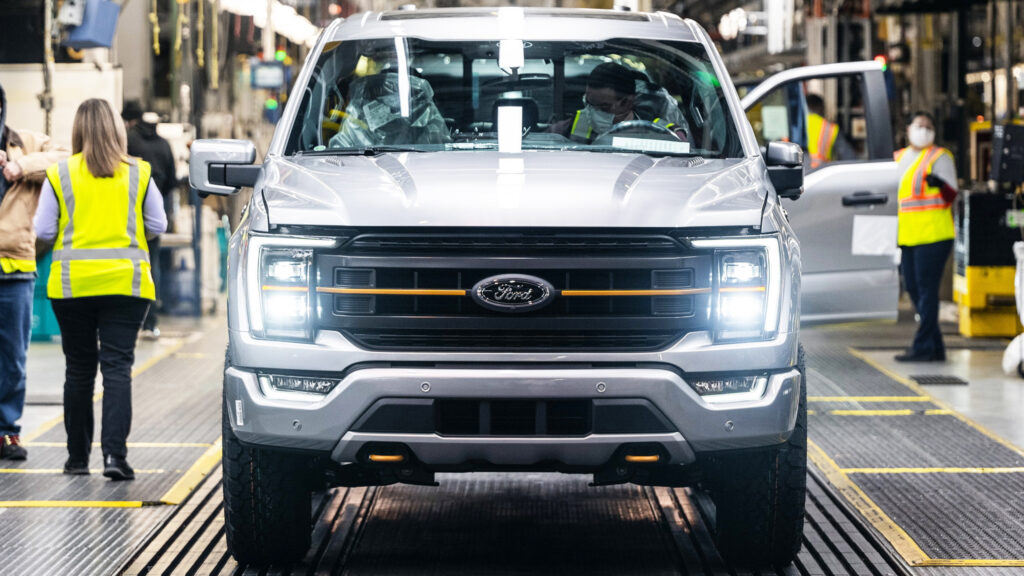
Stellantis has more brands than some carmakers have model lines, but it may soon treat only four of them like VIP guests. Reports say CEO Antonio Filosa’s upcoming strategy will direct most investment toward Jeep, Ram, Peugeot, and Fiat.
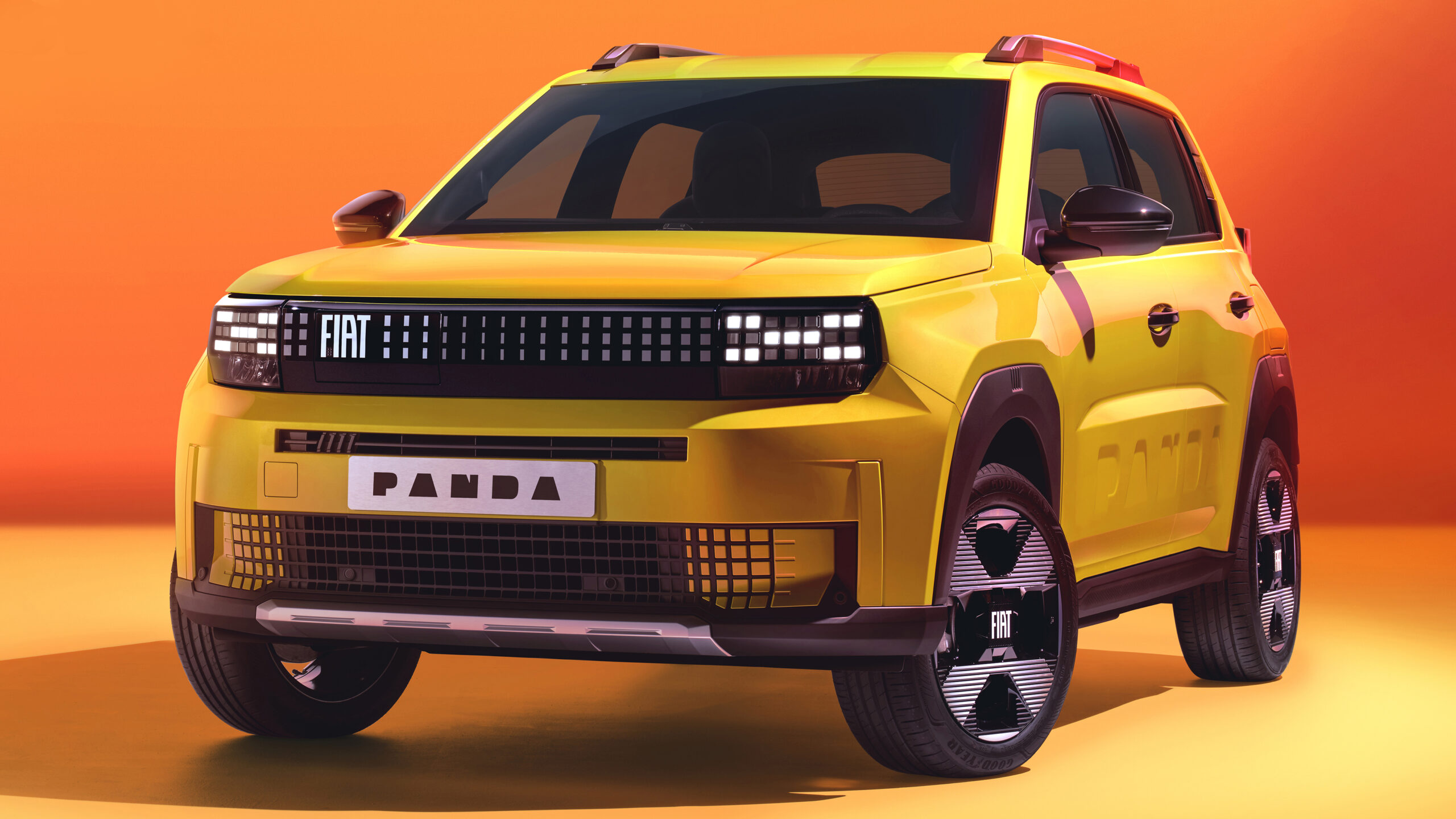
That would make sense from a cold business perspective. Jeep and Ram remain major profit engines, especially in North America, Peugeot is one of the group’s strongest names in Europe, and Fiat still carries weight in several markets and gives Stellantis valuable reach in affordable segments.
Related: Stellantis Bet Big On EVs, Now It’s Betting On The Engine Europe Wrote Off
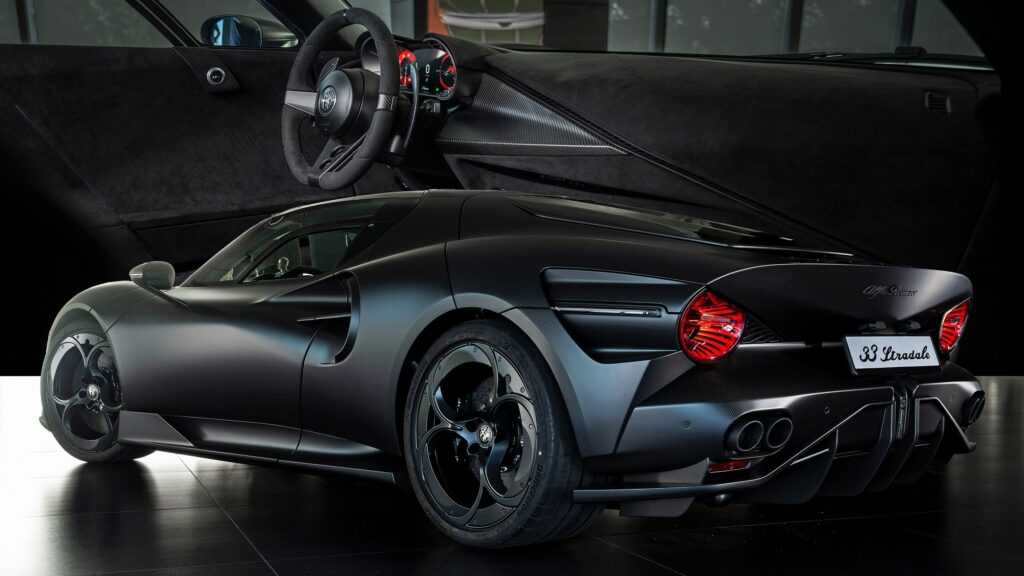
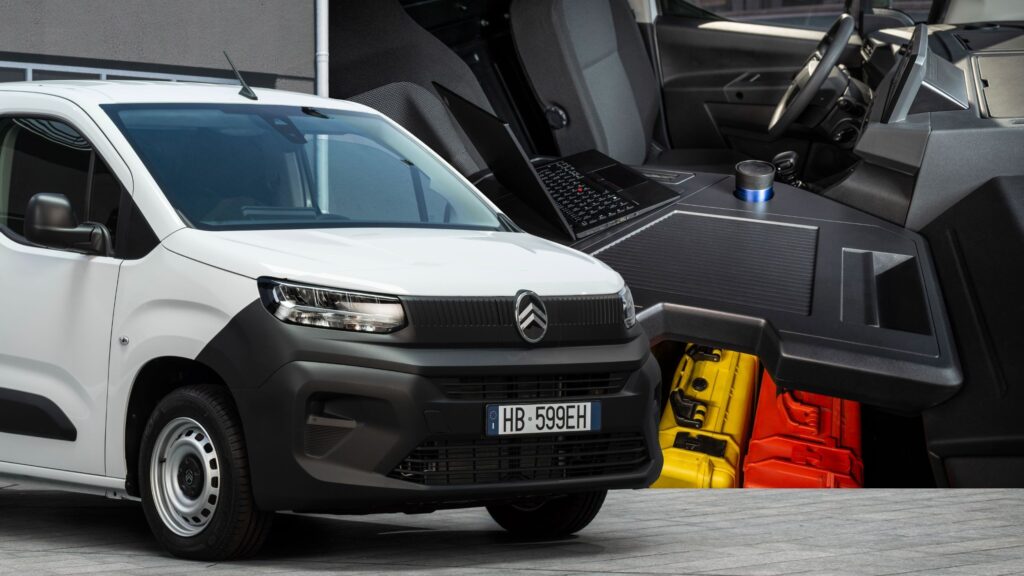
The interesting part is what happens to everyone else. Stellantis also owns Alfa Romeo, Citroen, Opel, DS, Lancia, Maserati, and more, and none will have much sway in big decisions. Even Dodge doesn’t get a seat at the top table. Rather than shutting them down outright, the reported plan is to use many of those brands more selectively in countries or segments where they still have traction.
So instead of each marque getting its own expensive bespoke future and big slice of investment funding, the second-tier brands could borrow platforms, powertrains, and electronics from the favored four. That may mean more badge engineering than hardcore brand fans would like. Reports suggest rebadged vehicles tailored for local tastes are one possible route.
Stay Of Execution
But at least those brands might get to live, because Filosa reportedly doesn’t want to start swinging the axe, Reuters says. Closing a car brand can save money, but reviving one later is difficult, expensive, and often impossible. Names like Lancia or Alfa Romeo, which have been driving around like marked men, still carry heritage value, even if heritage doesn’t always pay quarterly bills.
Financial Struggles
The pressure is real. Stellantis has lost ground in both America and Europe while Chinese brands keep expanding. Like other automakers, it also recently took a huge financial hit linked to changing EV plans, underlining how fast the market has moved away from earlier assumptions.
That’s why shared multi-energy platforms now matter more than ever. Cars that can support gasoline, hybrid, and electric setups give automakers flexibility when customers and regulations refuse to stick to one script. What do you think about big brands like Dodge and Opel being treated as second-stringers? Drop a comment and let us know.