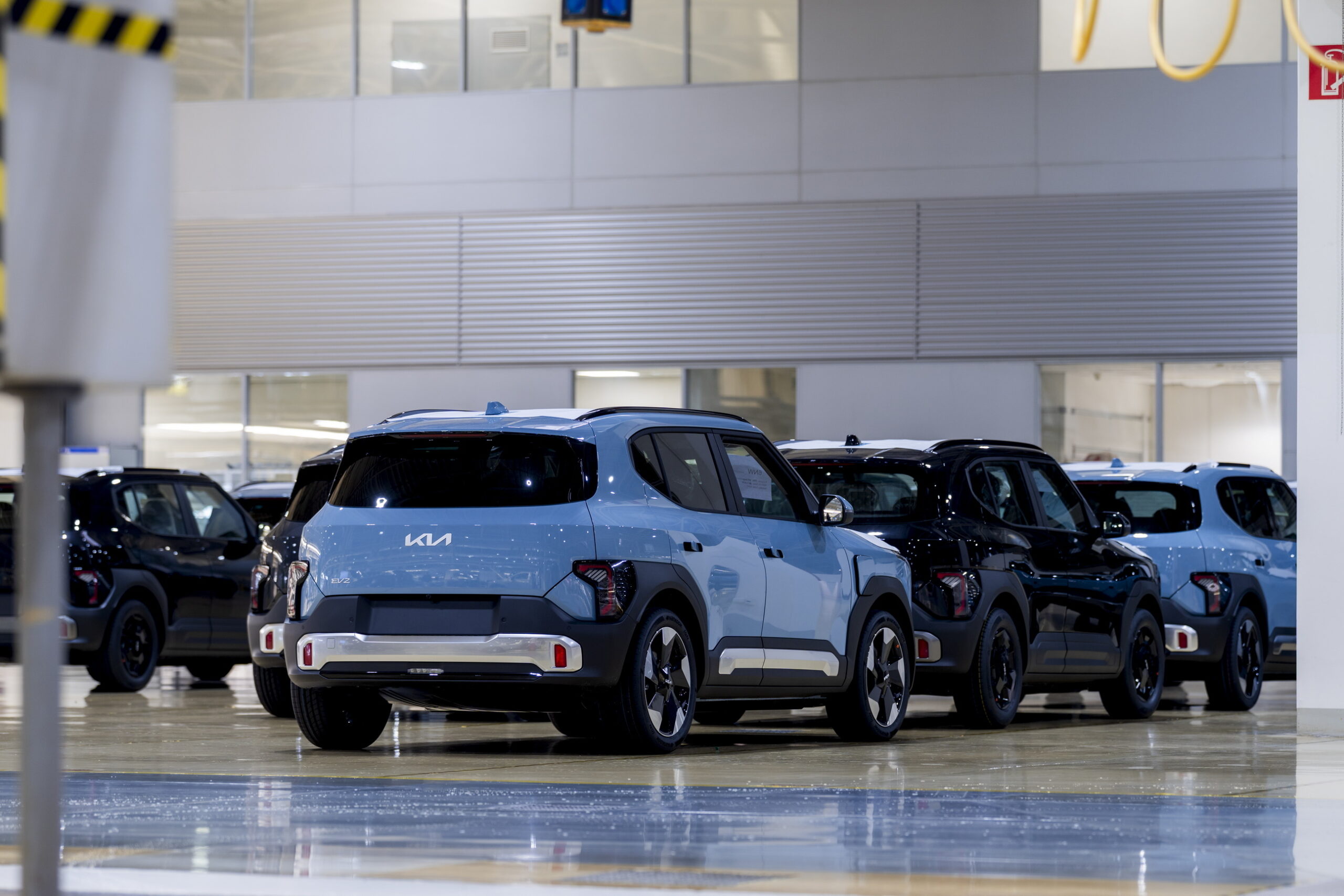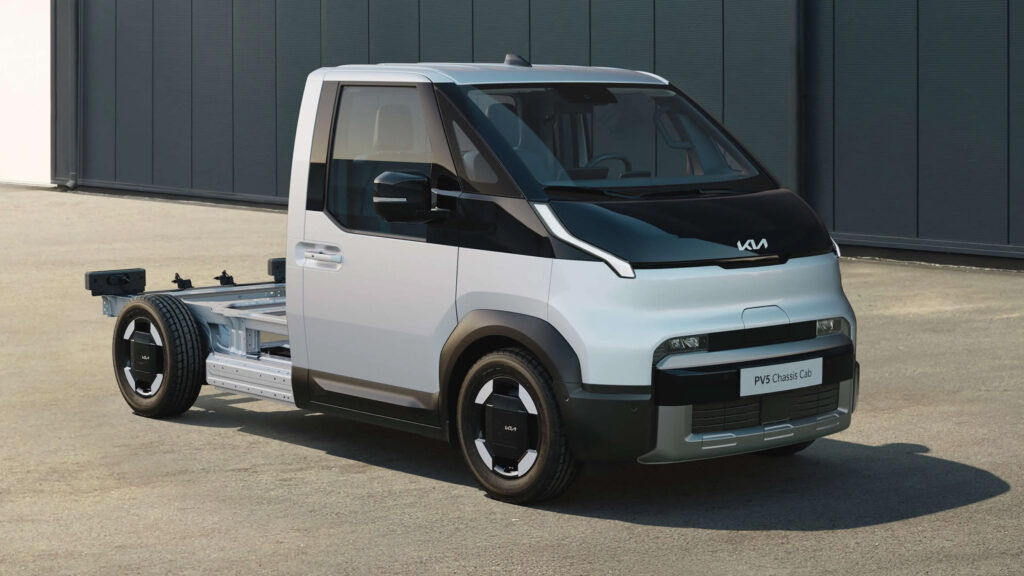
- Kia is willing to sacrifice profits to fend off Chinese competition.
- BYD’s new car registrations have surged 150 percent in March.
- By comparison, Kia reported a 6 percent jump in sales in Europe.
Kia finds itself in a fight it cannot afford to lose. Faced with several Chinese car manufacturers in Europe, the company has been cutting prices, a move that has lifted its global revenue through higher sales. It also believes that as government support for Chinese vehicles begins to fade, it has the upper hand in a battle that could, in large part, determine the future of the car industry.
The Korean company plans to narrow price gaps with Chinese models in Europe to 15-20 percent, down from 20-25 percent. It needs to do this urgently, as new car registrations from BYD in Europe grew nearly 150 percent in March, easily outpacing the 6 percent growth reported by Kia.
Read: Europe Tried To Block Chinese Cars But Ended Up Helping Them Instead
Despite the existential threat posed by brands like BYD, Chery, Great Wall, Geely, and Leapmotor, Kia chief executive Song Ho-sung says the car manufacturer can leverage its profits by offering more incentives to sway buyers away from Chinese competition, Reuters reports.
These efforts triggered a quarterly profit decline for the company, but Kia doesn’t appear concerned, noting that it “should continue pursuing a growth strategy, leveraging our…war chest.”
Fighting Fire With Fire

“Chinese companies launched an aggressive push with low-priced EV models, and in some European countries their market share has been rising much faster than we had anticipated,” Kia acknowledged during its most recent earnings call. Last October, the Chinese government indicated it could withdraw EV subsidies due to the nation’s oversupply issues, which could severely impact these brands.
“Since they would no longer be able to receive support from the Chinese government, Chinese automakers lack the firepower needed to push forward further,” Song added.
While sales are rising in Europe, overall new car sales have fallen in China. In fact, sales of new-energy vehicles dipped 15.2 percent in March from the year prior, demonstrating some of the growing pains the market is experiencing.