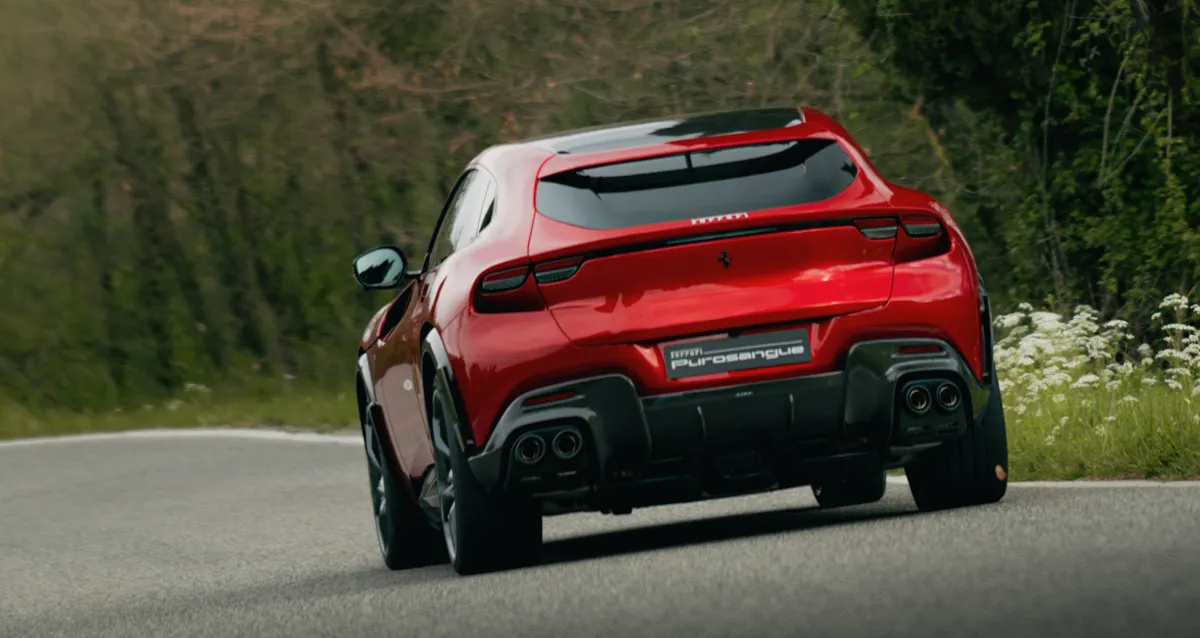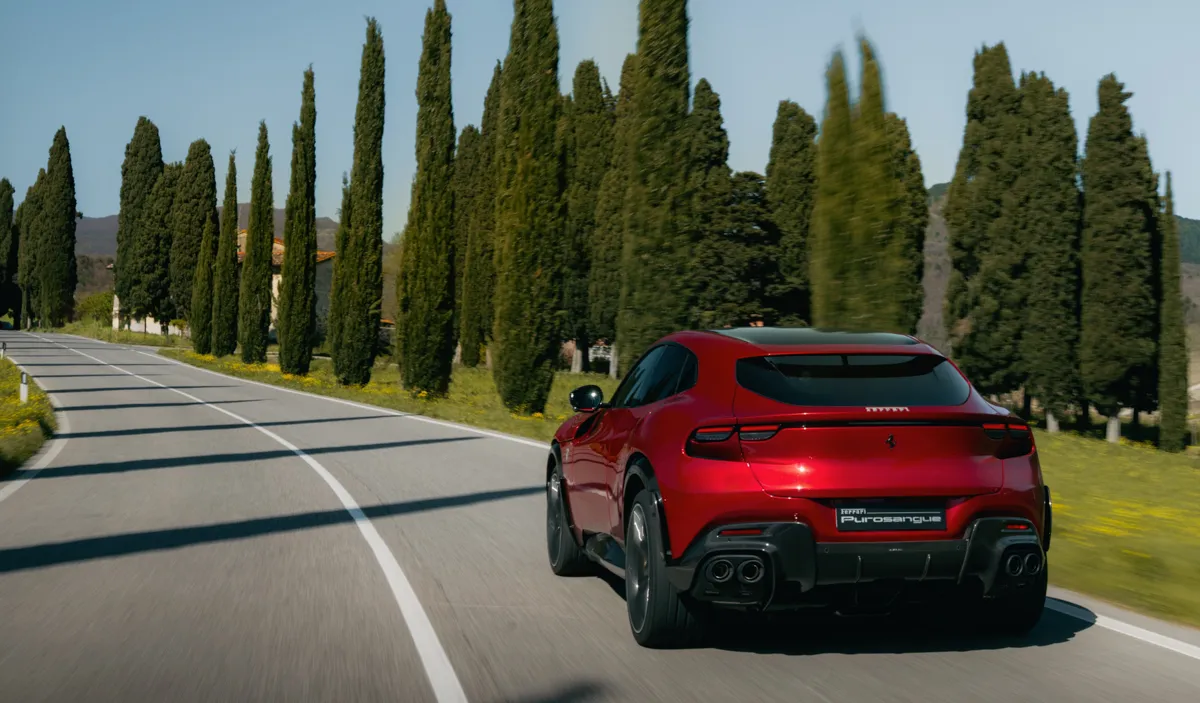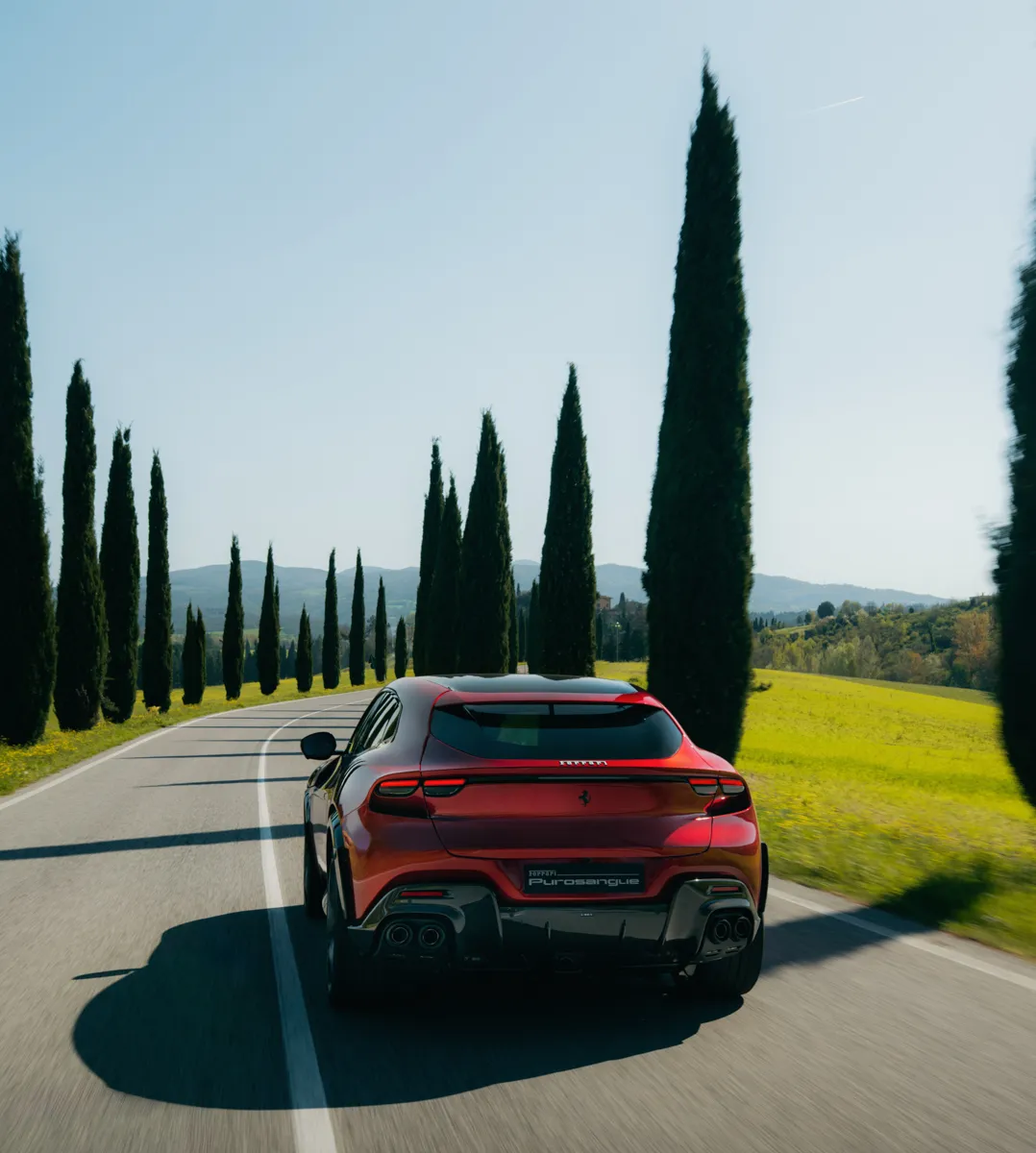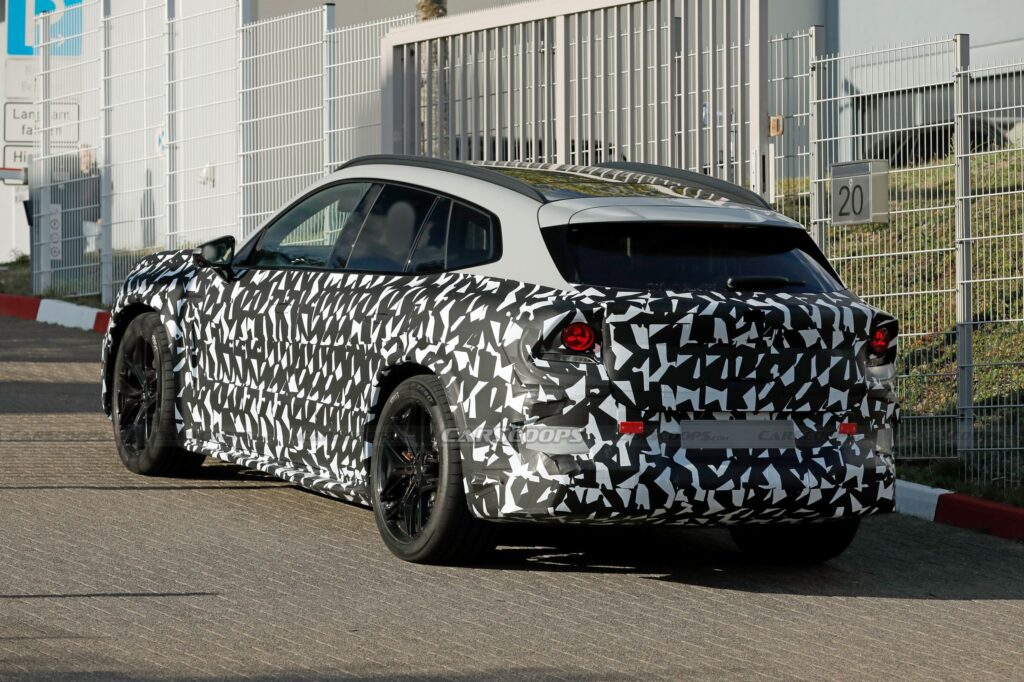



- Ferrari adds sharper chassis tune to Purosangue crossover.
- New gearbox mapping boosts drama and response at speed.
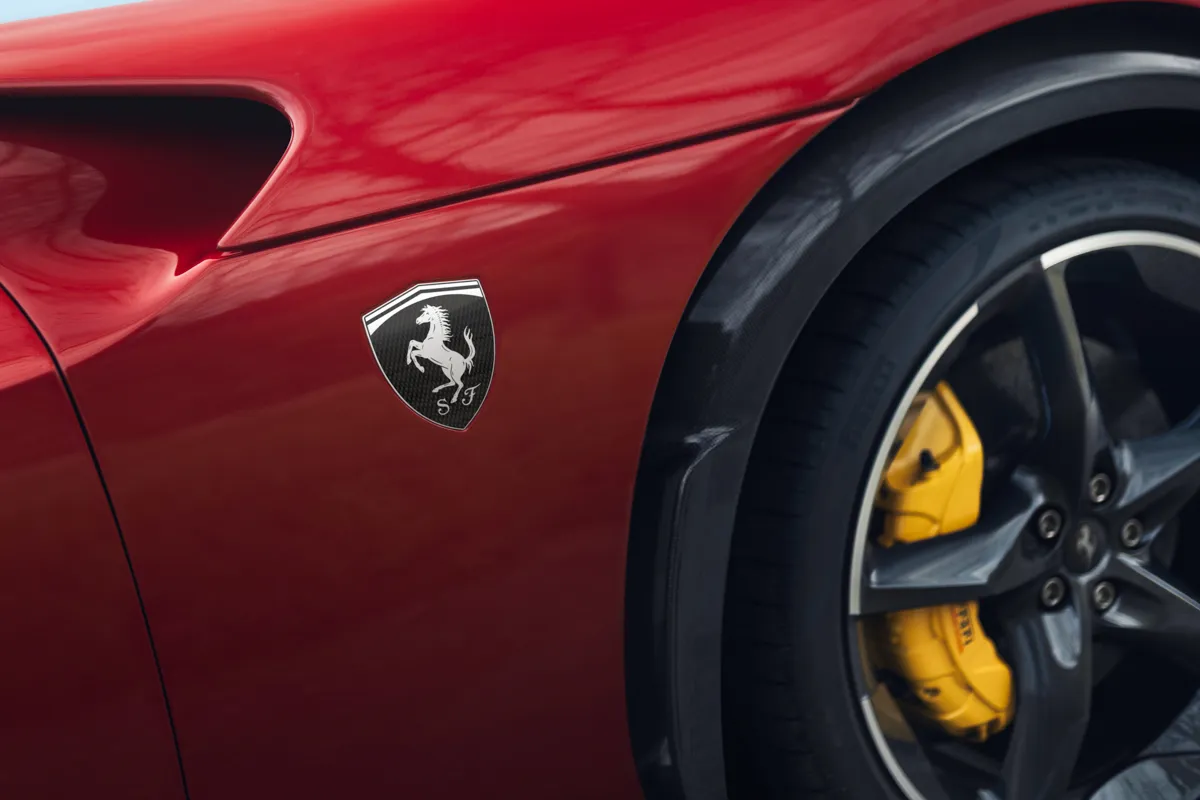
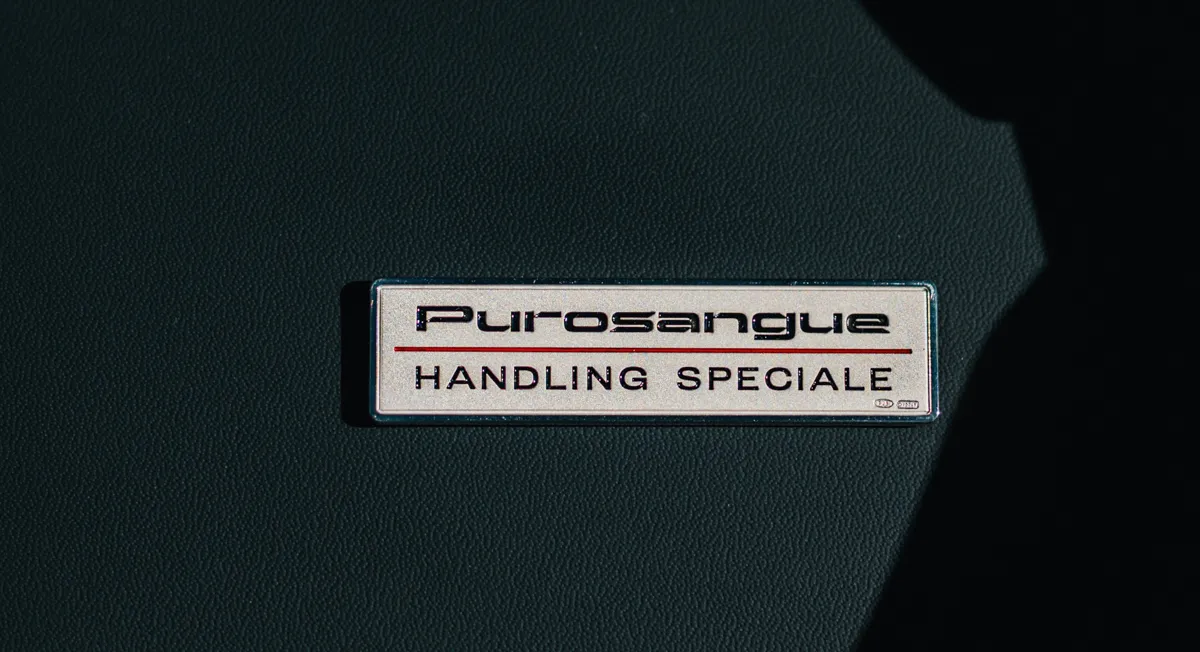
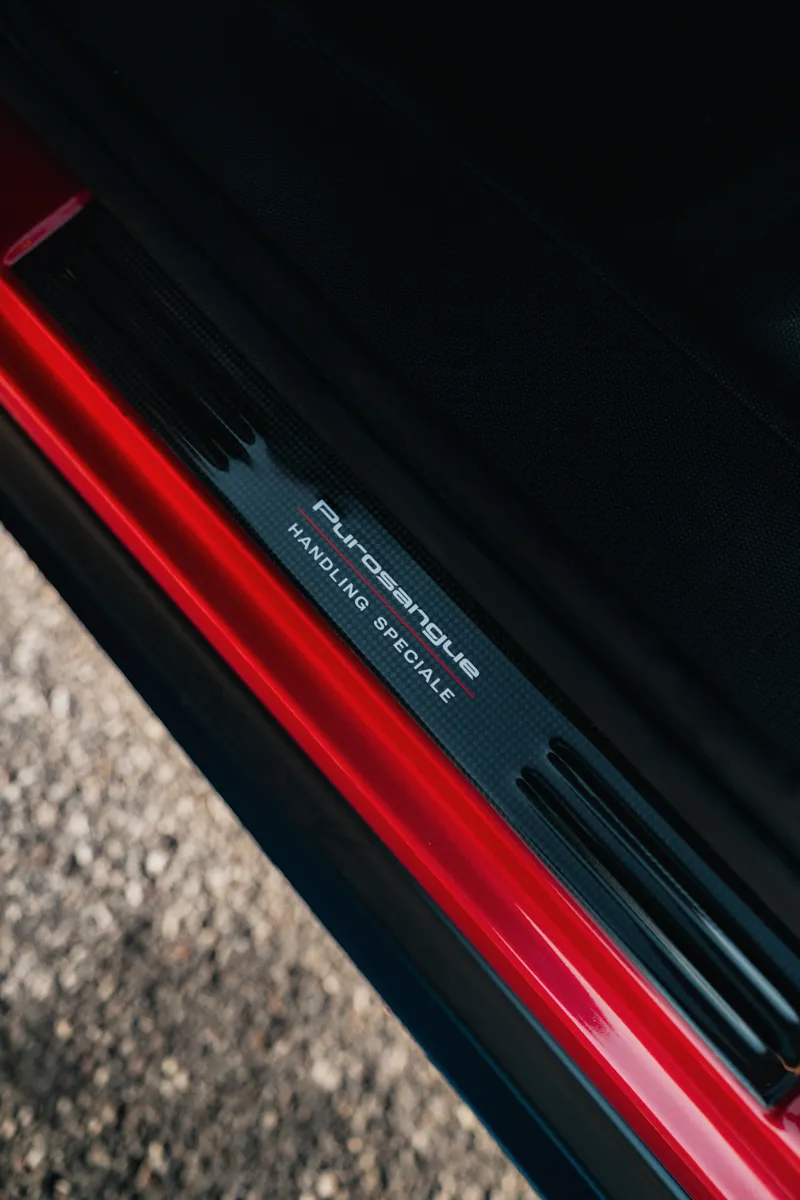
- Low-key styling tweaks include Handling Speciale badges.
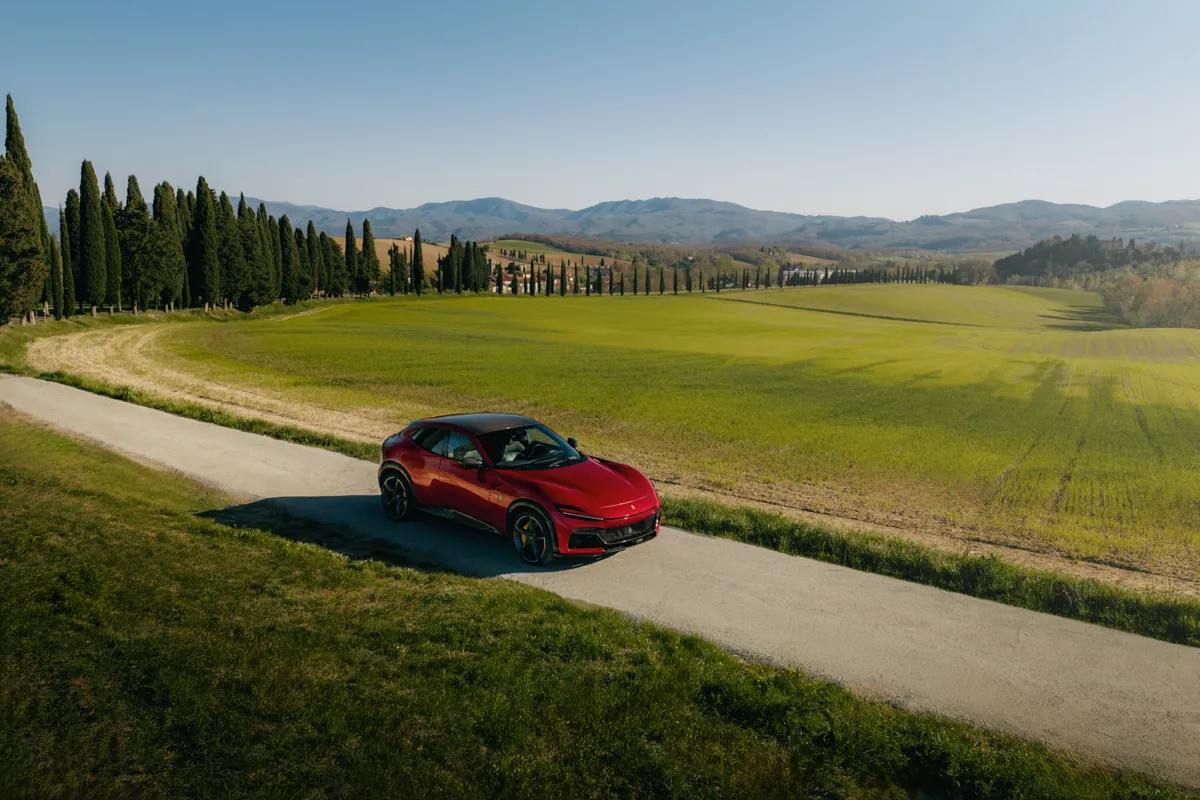
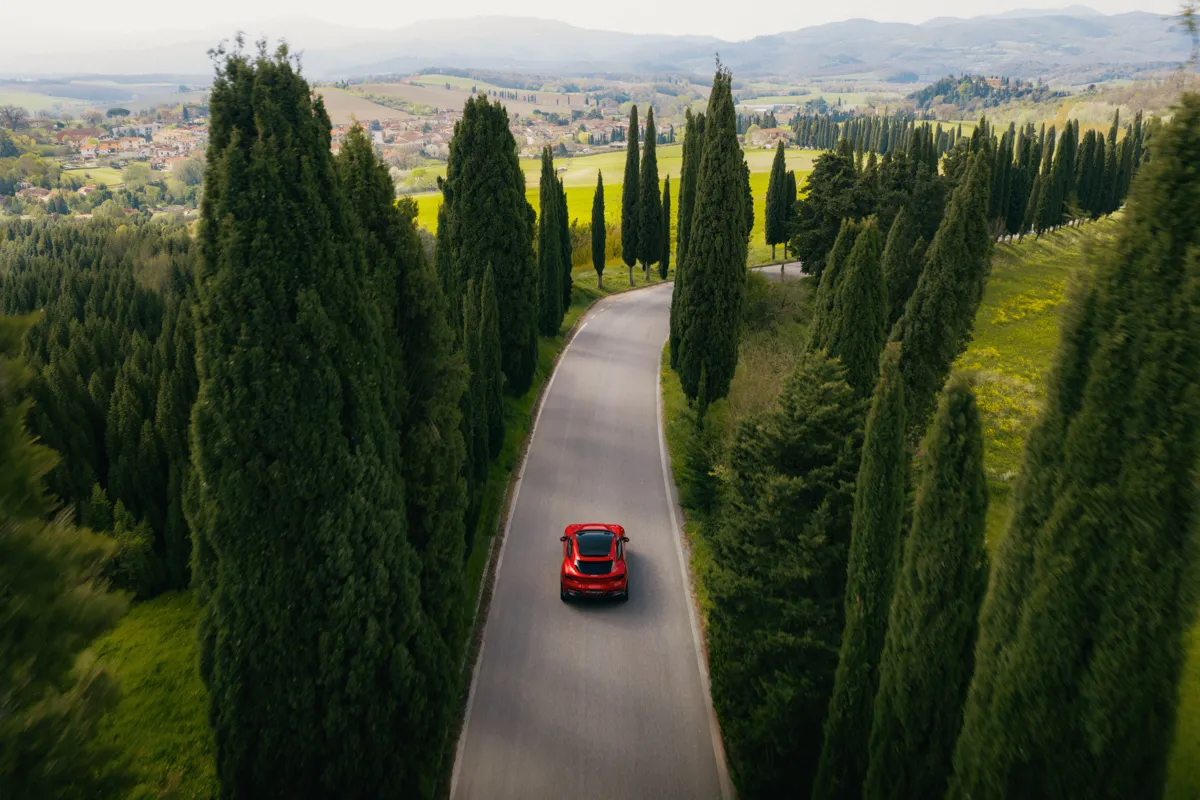
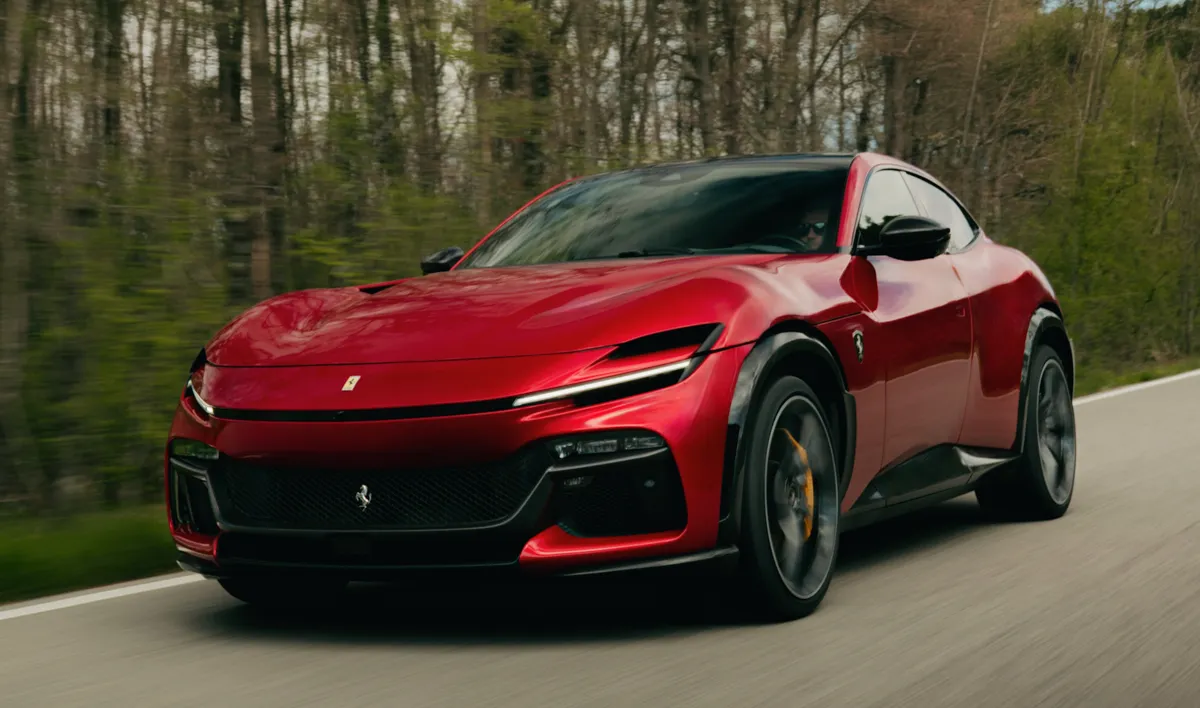
The Ferrari Purosangue’s naturally-aspirated V12 and sports car chassis balance make it the most driver-focused crossover you can buy, but Ferrari thinks it can go harder. Meet the new Handling Speciale package, an optional upgrade for Maranello’s first four-door, four-seater.
The idea is simple enough. Ferrari wanted to dial up the Purosangue’s sporting side without ruining the daily usability that makes it more than a weekend toy. So the changes focus on sharper responses, stronger sensations, and subtle visual clues rather than a wholesale track-ready reinvention.
Related: Hamilton Did Donuts In A Ferrari F40 At Tokyo With A Kardashian In The Passenger Seat
The biggest mechanical update is a revised calibration for the active suspension system. Ferrari says body movement is reduced by 10 percent, giving the car a tighter, more controlled feel. That should translate into quicker reactions through bends and a flatter cornering attitude.
It’s worth remembering that it might be a Ferrari, but the Purosangue isn’t a featherweight coupe. Even in dry form, it weighs more than 2,000 kg (4,410 lbs), so any extra discipline from the chassis should be welcome when the road starts getting interesting. Though having driven a Purosangue on some pretty epic British roads, I can’t say it lacked control or an ability to make you forget there are two extra chairs behind you.
Volume Up!
But I can say that the 6.5-liter V12 is probably a bit muted for some fans in stock form. So it’s literally good to hear that Ferrari claims the engine is more vocal at startup and when the hammer drops, though it hasn’t explained what trickery makes it possible. It could just be that a new symposer pipe brings more of the real V12 noises into the cabin.
It does tell us that its engineers have adjusted the transmission software, though, making gear changes faster and more assertive, especially in Race and ESC Off modes. In manual mode, shifts become more dramatic above 5,500 rpm, which sounds like Ferrari engineers politely saying you should stop short-shifting the unchanged V12, which is rated at 715 hp (725 PS), but independent dyno pulls say it makes over 800 hp (811 PS).
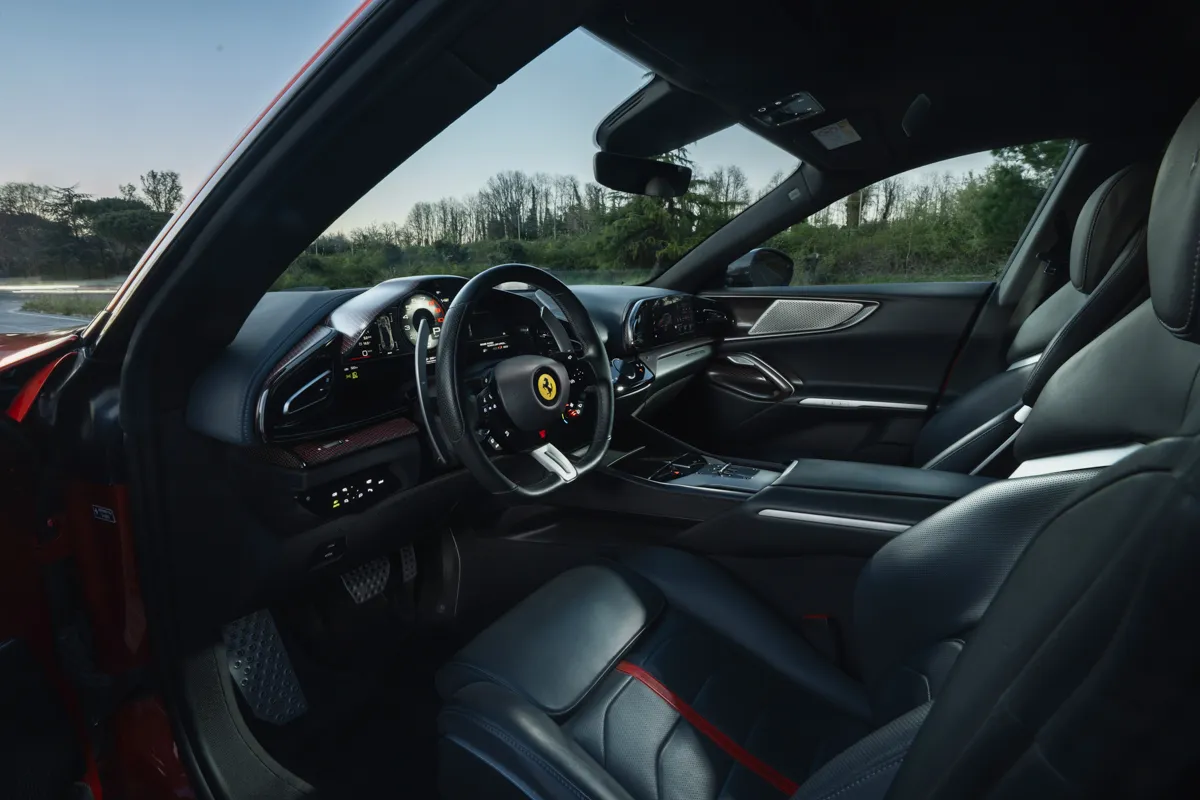
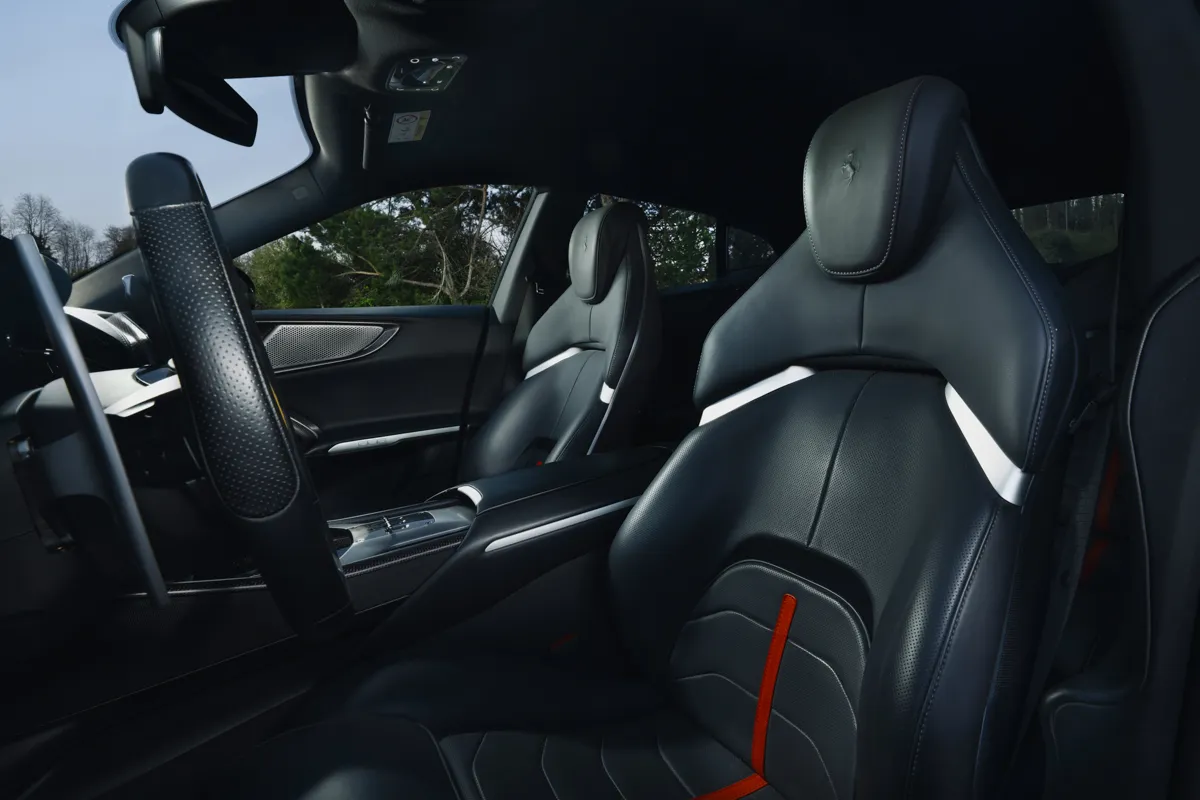
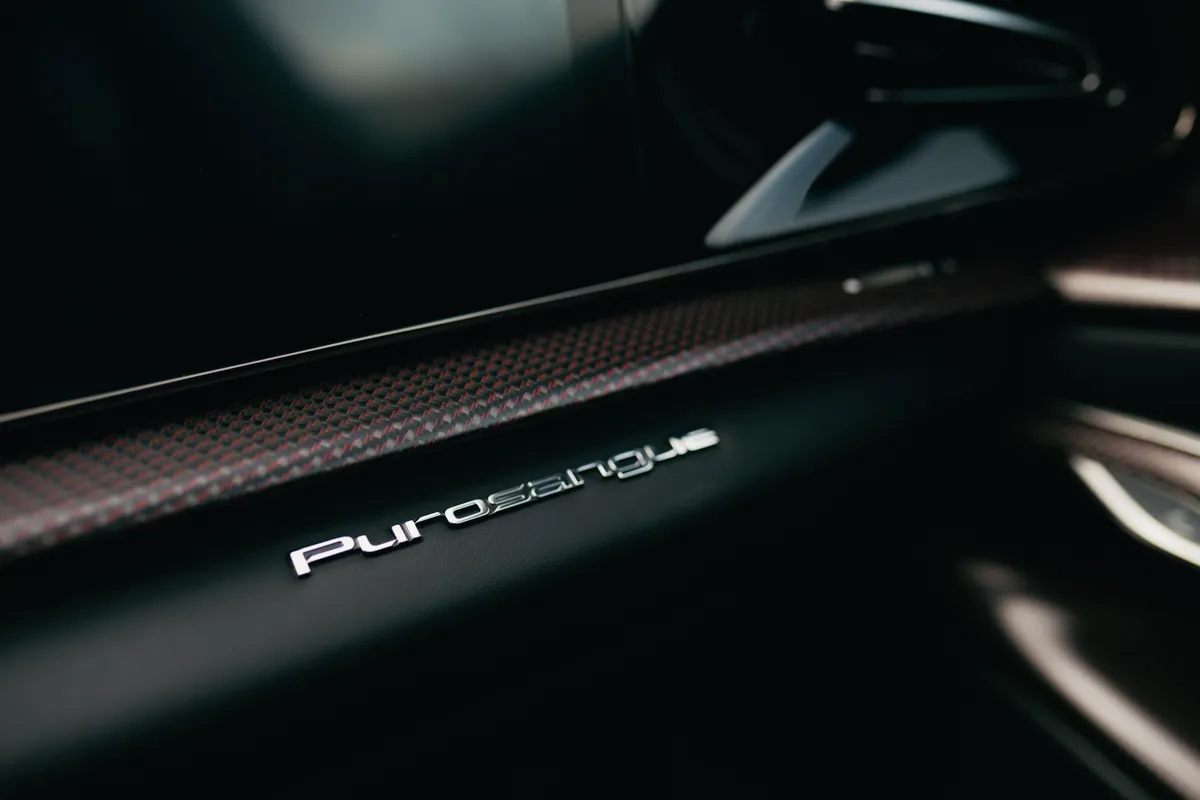
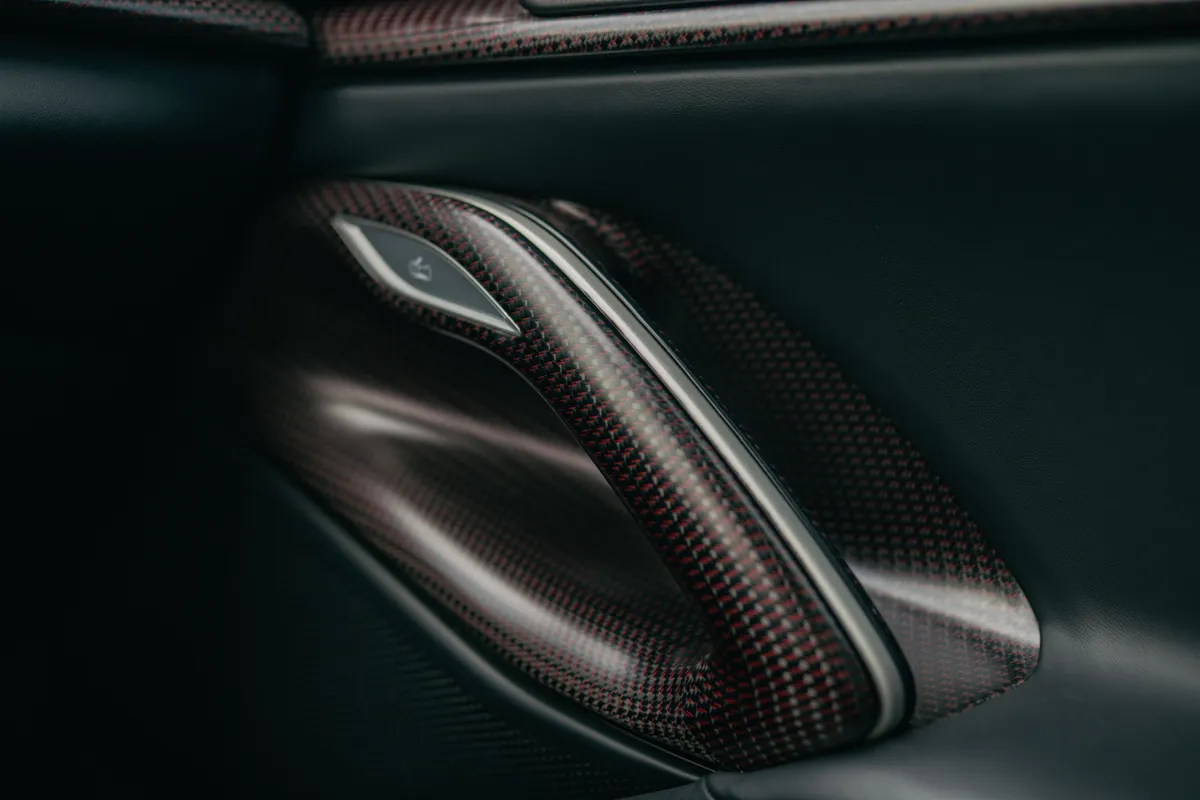
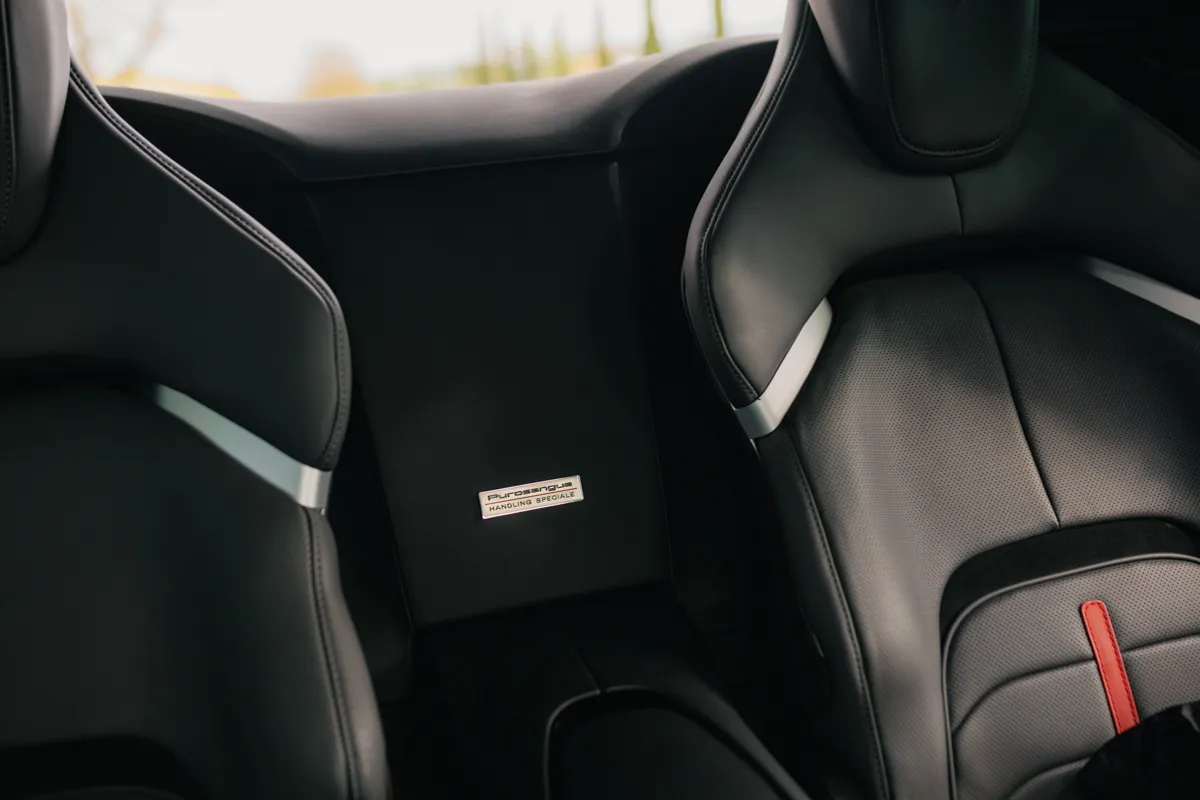

Those snappier shifts don’t change the performance stats, but then they hardly needed work. Ferrari quotes 0 to 62 mph (100 km/h) in 3.3 seconds and a top speed above 193 mph (310 km/h), though like Porsche’s also turbo-free 911 GT3, the Purosangue’s engine needs some driver effort to deliver its best.
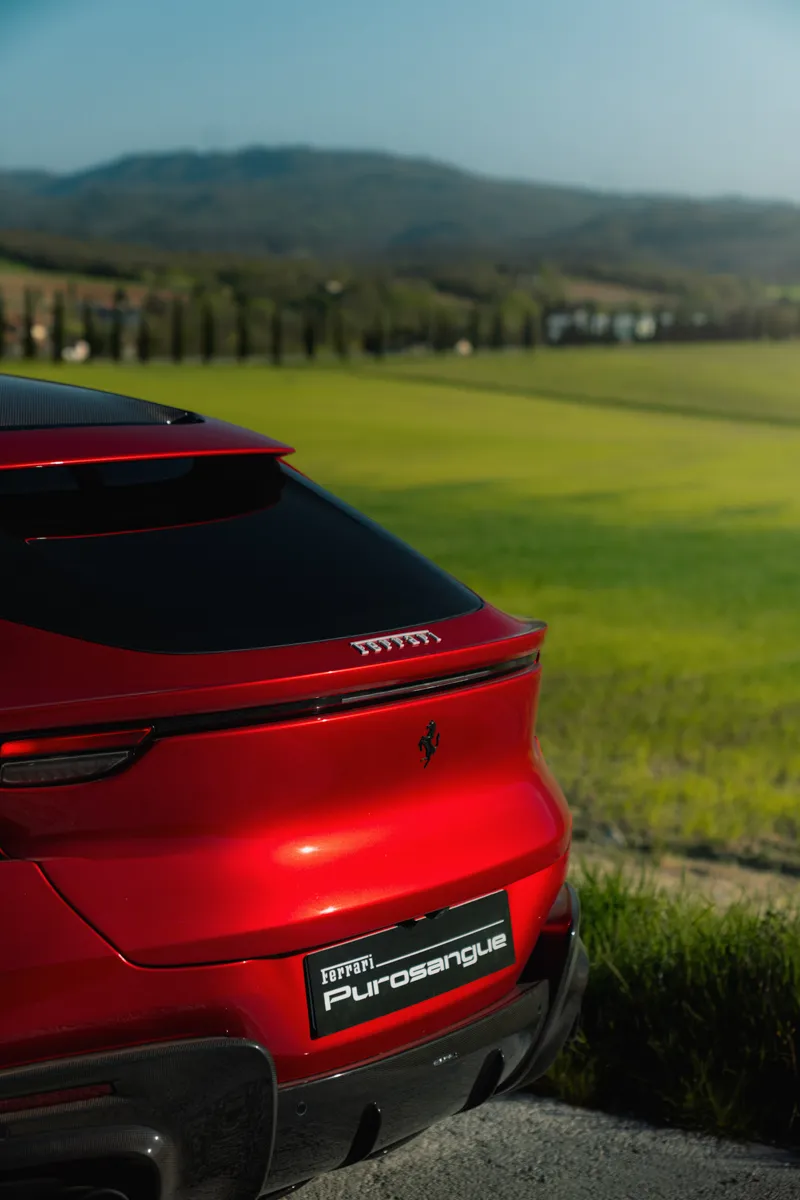
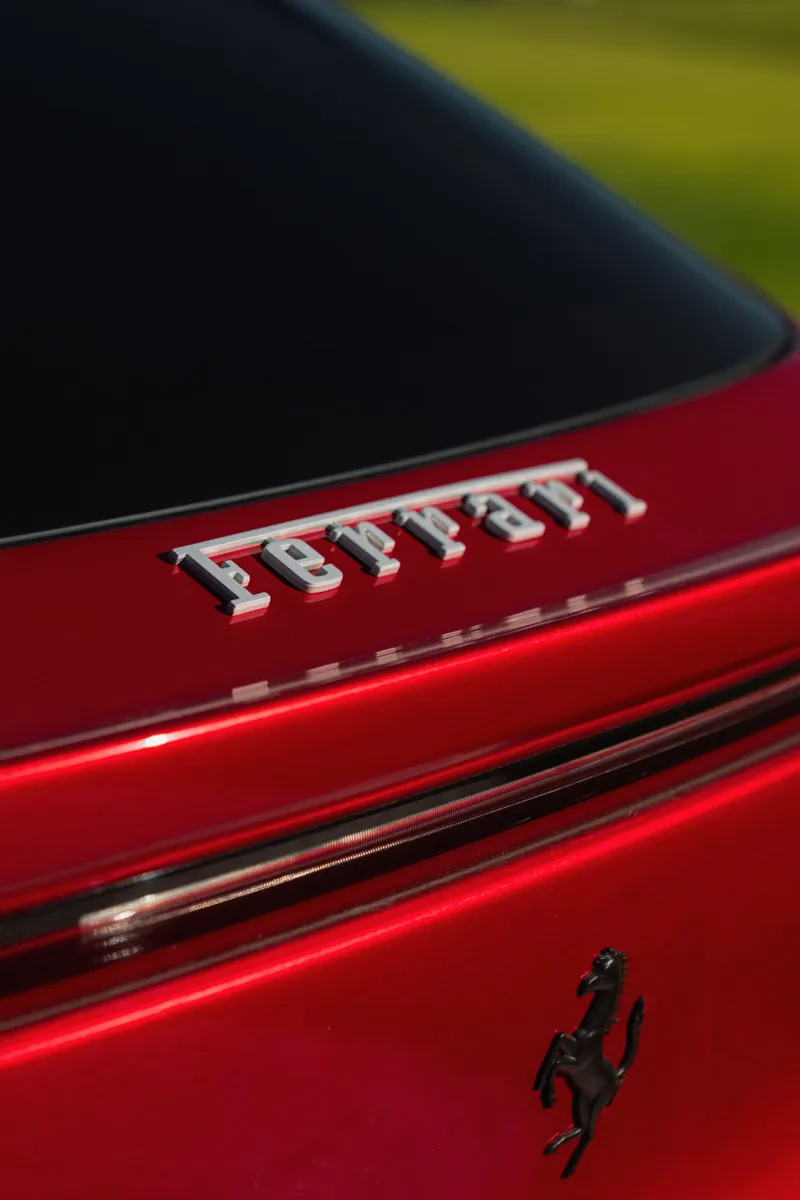
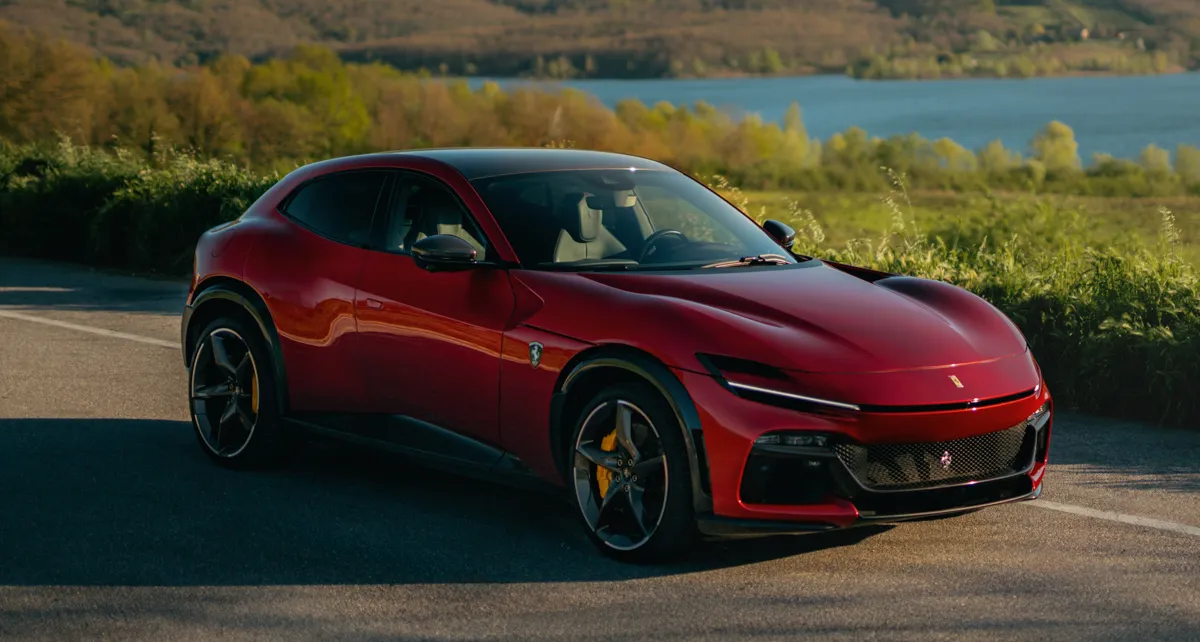
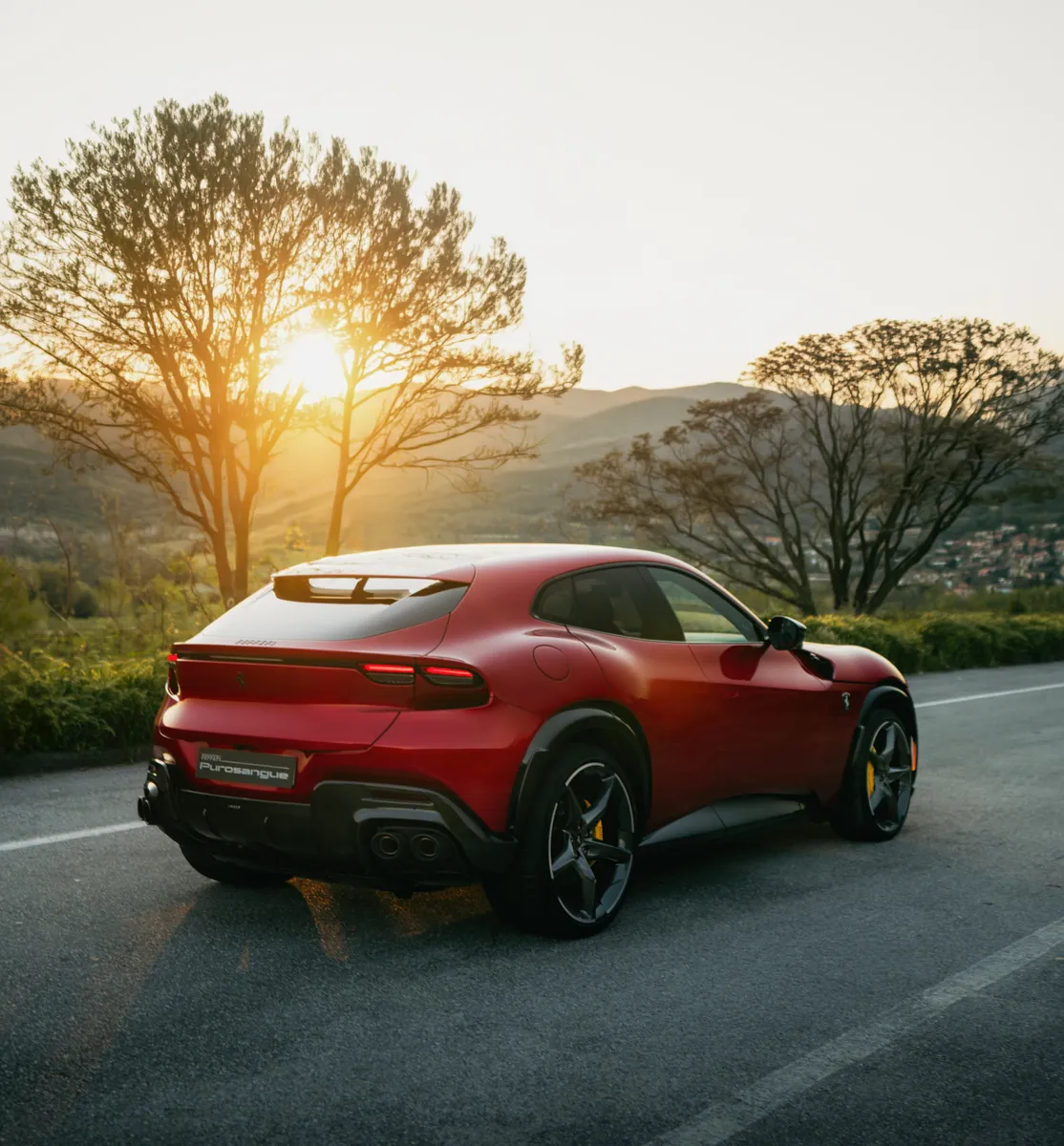
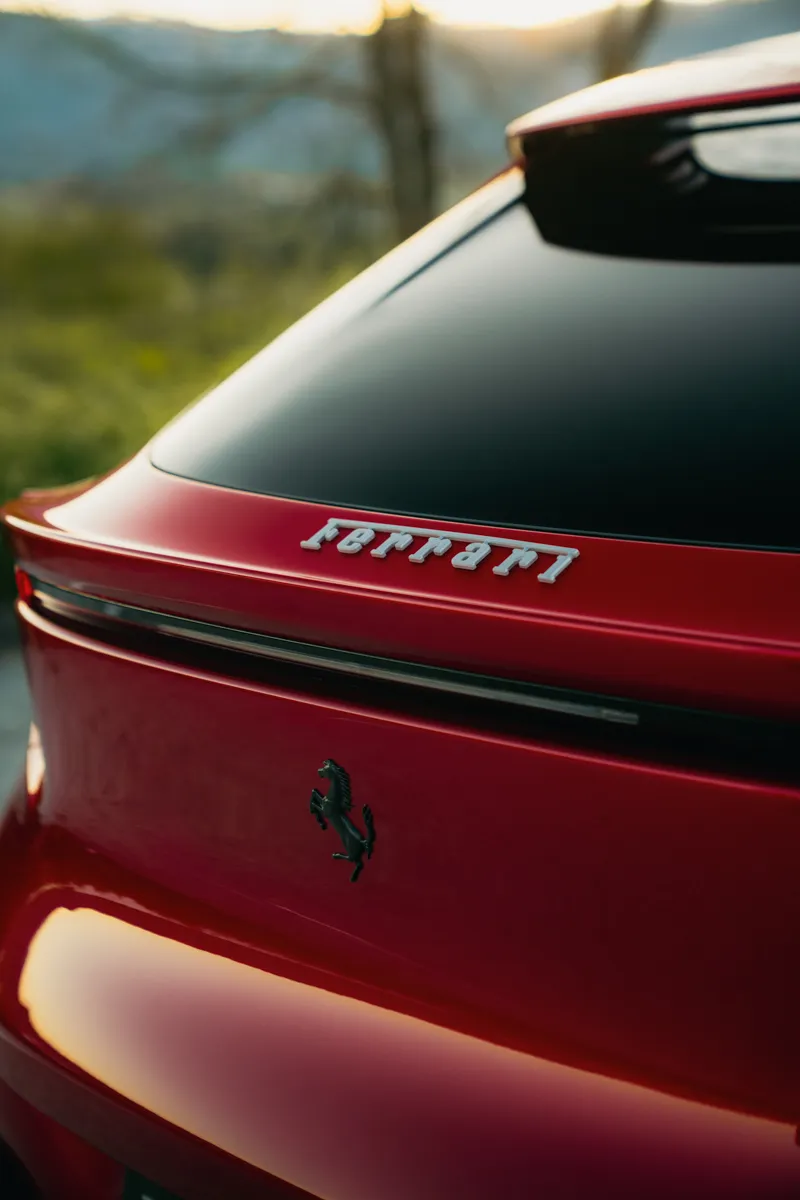
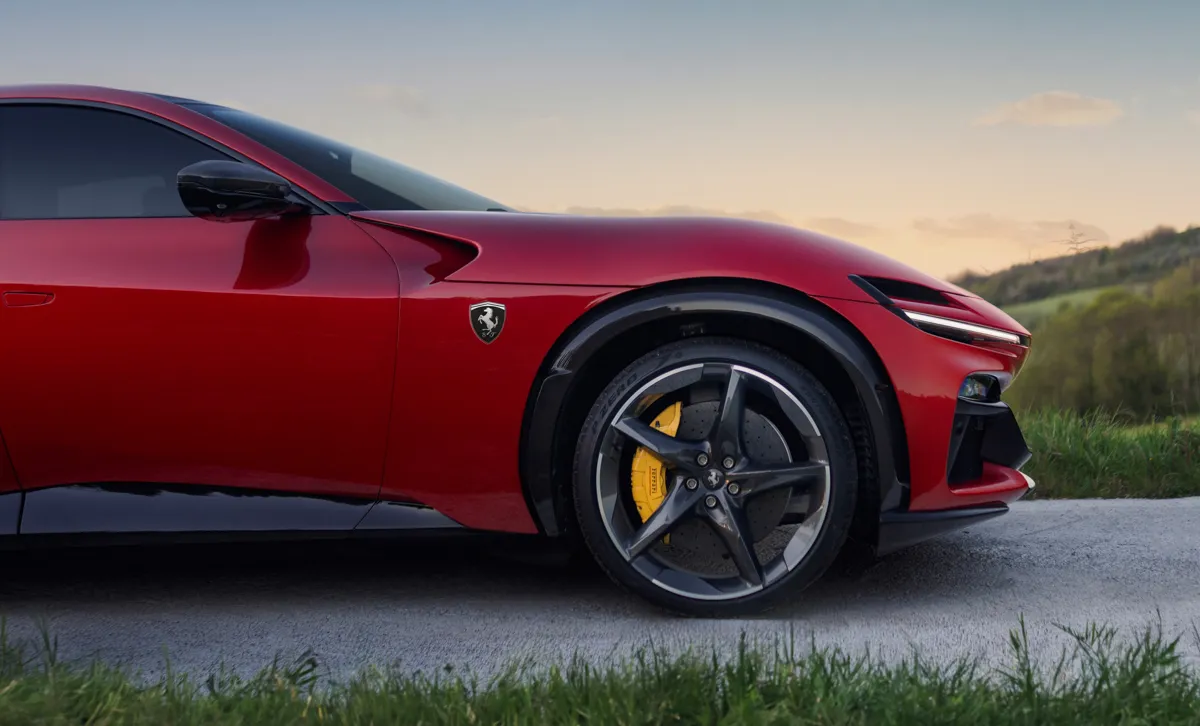
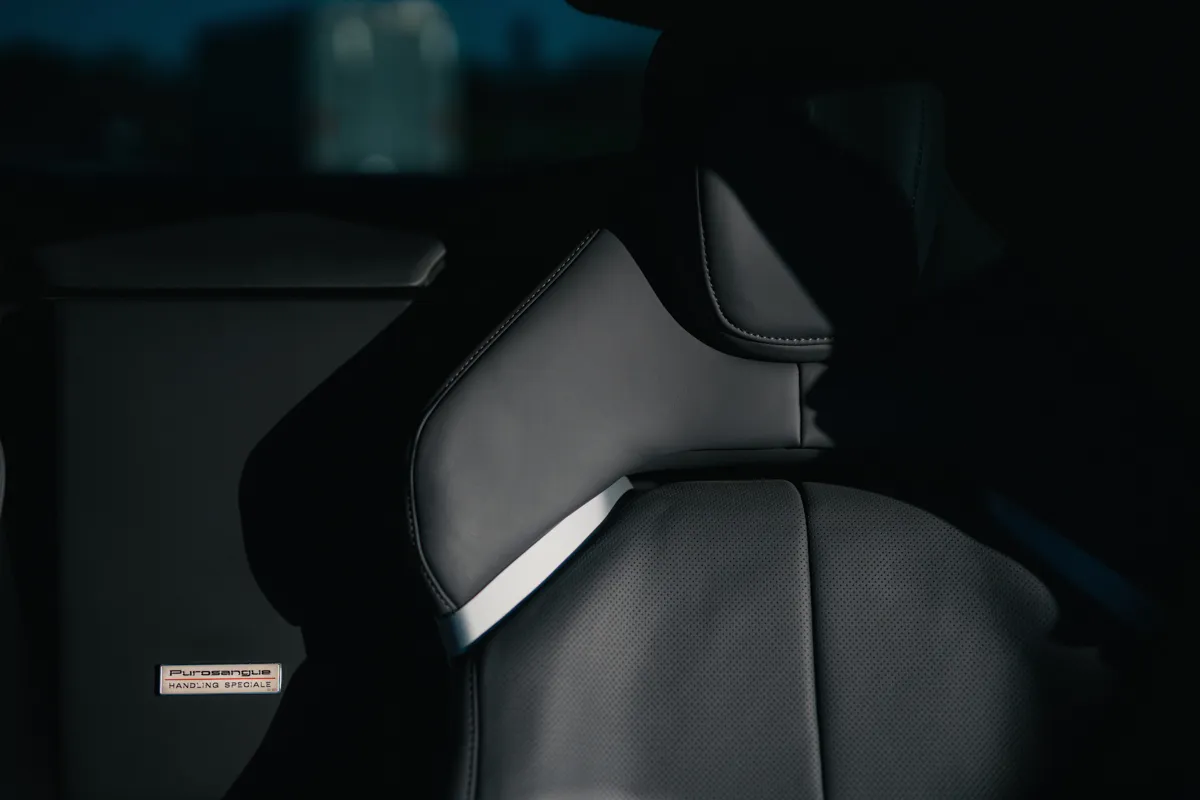
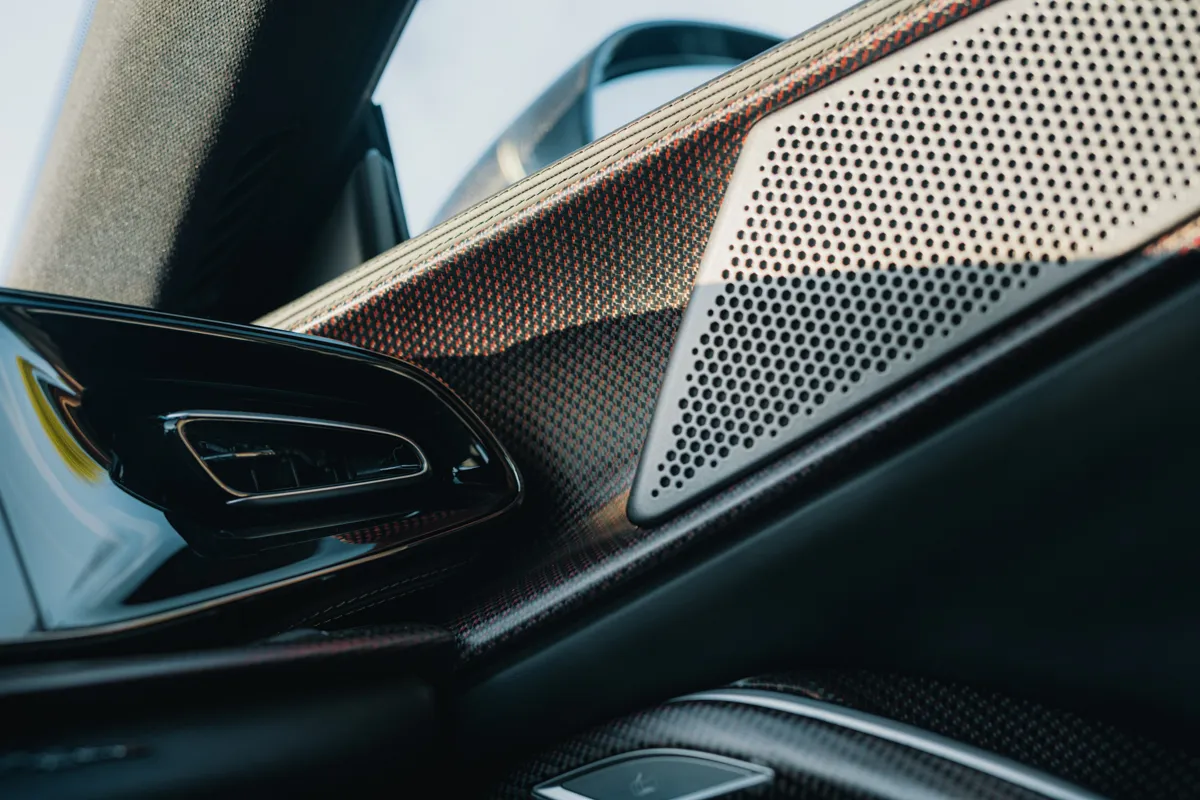
Visual changes are deliberately restrained. Buyers get wheels with a diamond-cut finish, carbon-fiber side shields, matte black exhaust tips, a black rear Prancing Horse badge, satin exterior script, and an interior plaque reminding passengers you paid an undisclosed extra sum for sharper reflexes.