









- Tesla’s current unsupervised fleet across the entire US is just 20 cars.
- California regulators still block Tesla from running any unsupervised cars.
- In the past 30 days, just 92 vehicles have been used in the robotaxi fleet.
Back in October 2019, Tesla chief executive Elon Musk told investors the company would have more than a million robotaxis on the road within a year. Six years on, Tesla has not only missed that deadline by an embarrassing margin, the US fleet it actually runs is getting smaller.
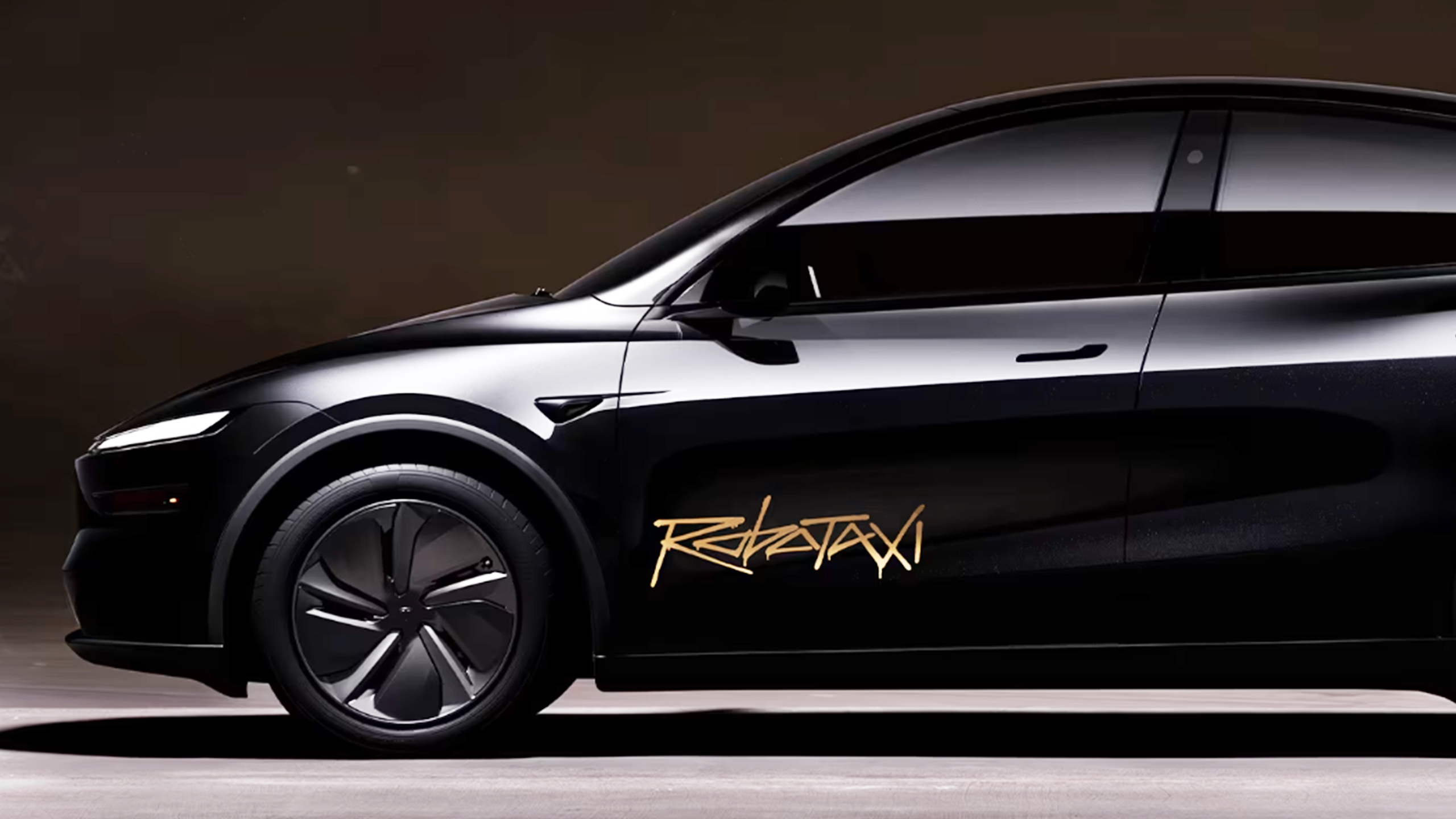
The long-promised robotaxi service finally launched in Texas last year, starting in a fenced-off corner of Austin with safety drivers riding shotgun. It has since spread to Dallas, Houston, and the Bay Area in California, but the scale remains a rounding error next to Waymo, the company that has quietly built the lead Tesla keeps talking about.
Watch: Tesla Robotaxi Driver Caught Asleep Proves Humans Are Still The Weakest Link
Data from the Robotaxi Tracker service reveals that across the four regions, Tesla has had just 20 unsupervised vehicles in use during the past seven days. Of these, 14 are operating in Austin, 3 are in Dallas, and 3 are in Houston. Crucially, California regulations continue to prevent Tesla from operating a single unsupervised robotaxi in the state. It’s not as if there are loads of human-driven Tesla robotaxis in the Bay Area, either.
The total fleet peaked around December 2025 and January 2026 and has been in steady decline ever since.
A Shrinking Fleet

Electrek reports that over the past week, the total number of cars operating in Tesla’s total robotaxi fleet, including supervised and unsupervised cars, was just 34 vehicles. In April, there were 107 vehicles operating in the Bay Area fleet, but currently there are just 9. Those Bay Area cars were never true robotaxis to begin with, operating with safety drivers under California’s Transportation Charter-Party permit.
An analysis of activity over the past 30 days shows that just 92 vehicles in total were used by the robotaxi service across the country, of which 33 were operating unsupervised. Most of these, 52 to be precise, are in use across the Bay Area. It’s worth reiterating, however, that these vehicles in California are driven by people, just like a normal ride-hailing service.
Tesla hasn’t explained why its robotaxi fleet is shrinking, but it’s likely related to safety issues that the company is experiencing. As we revealed in January, vehicles operating in Tesla’s robotaxi fleet were involved in an incident every 55,000 miles, roughly four times the average number of miles driven by people.