


- China is questioning reclining EV seats over growing crash safety concerns.
- Regulators already targeted yokes, hidden handles, and giant screens.
- Chinese safety rules now influence EV design well beyond domestic markets.
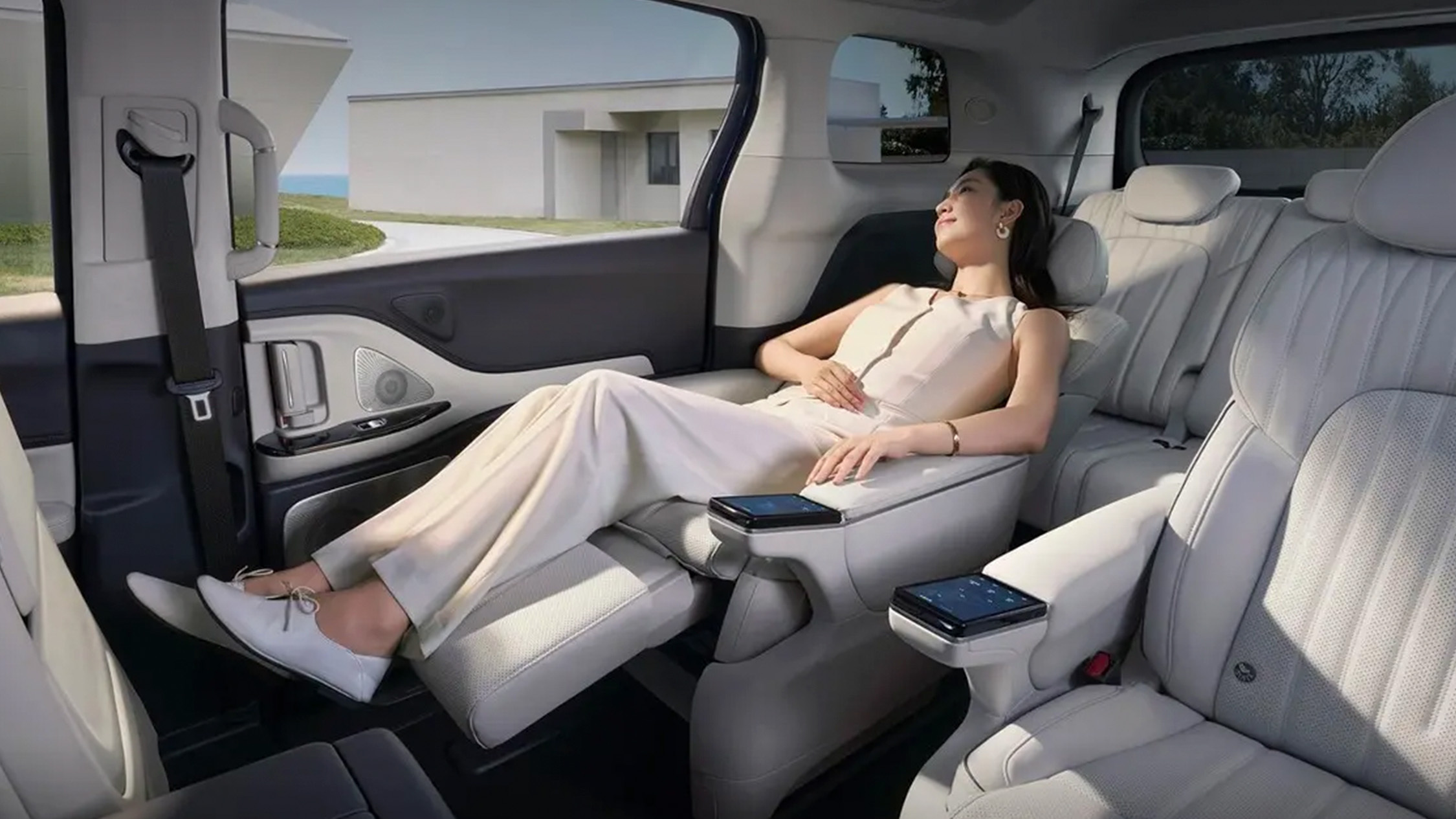
China helped create many of today’s wildest EV trends, but now it’s starting to look like it regrets some of them. After cracking down on hidden door handles and giant touchscreen interiors, regulators are now questioning heavily reclining “zero-gravity” seats found in some modern electric (and luxury combustion) cars.
The concern has solid foundations, because when passengers are stretched out almost horizontally during a crash, seatbelts and airbags can’t protect them properly. China’s Ministry of Industry and Information Technology warned this week that occupants sitting in deeply reclined positions can “submarine” below the belt.
More: China Does What Many Drivers Wish Someone Would Do About Car Screens
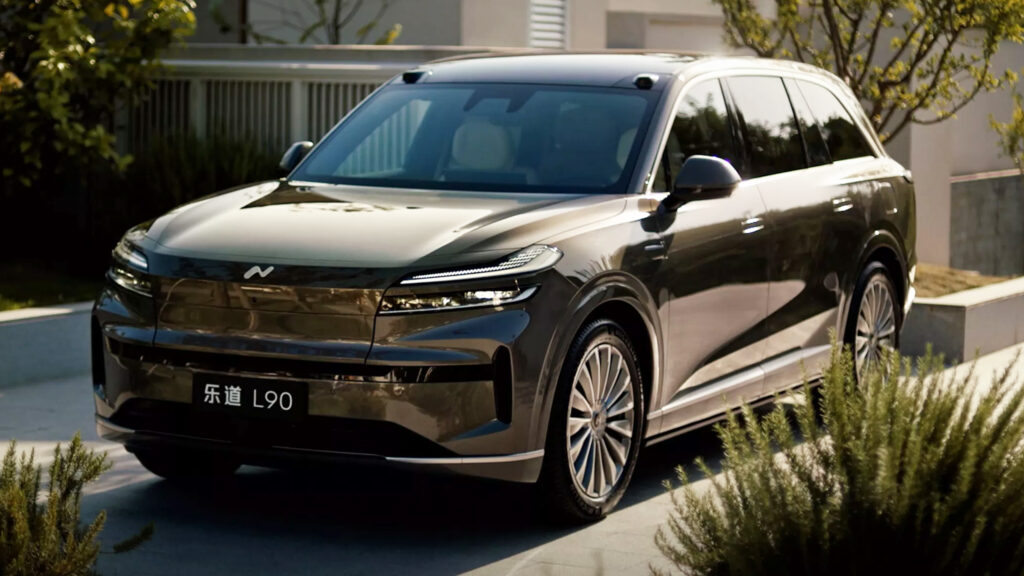
These lounge-like seats have become increasingly popular in Chinese EVs as automakers compete turning cabins into rolling living rooms. Many models now feature massaging seats, giant screens, ambient lighting, and enough legroom to encourage passengers to take naps during journeys.
But regulators seem increasingly uncomfortable with the idea that cars are becoming mobile relaxation pods first and transportation second. The proposed rules, which the public can have a say on until canvassing ends July 25, Reuters reports, are part of a much wider Chinese safety push reshaping how cars are designed.
Earlier this year, China banned pop-out door handles after several high-profile crashes raised concerns about emergency exits failing during accidents. One fatal incident reportedly trapped passengers inside a burning EV when electronic handles stopped functioning properly.
Wheels And Screens Already Targeted
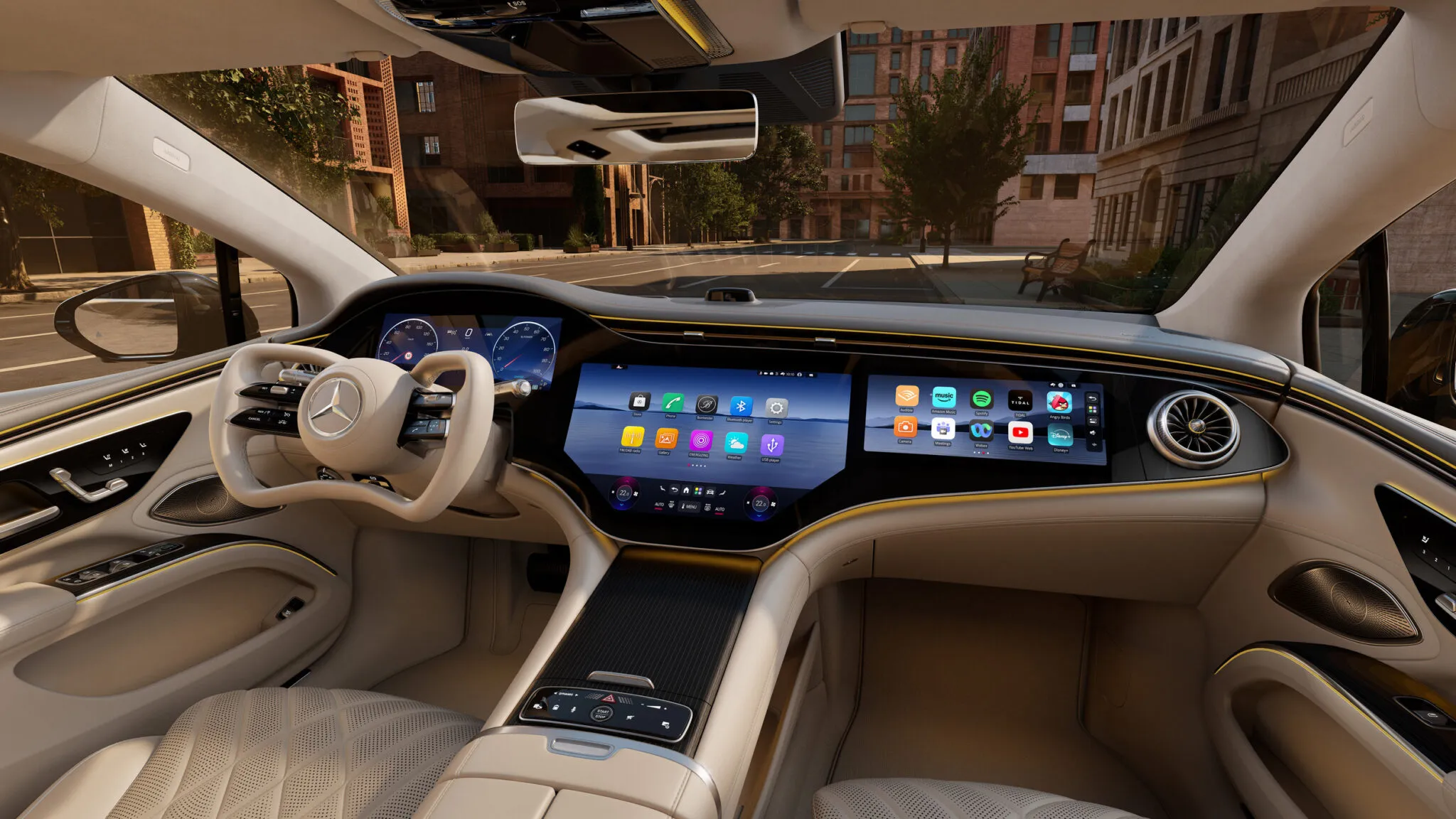
Yoke steering wheels have also attracted scrutiny because regulators worry drivers may struggle regaining control during emergencies. One-pedal driving systems faced criticism too, partly because some drivers reportedly become too reliant on regenerative braking and react slower when needing actual brakes.
Even huge infotainment screens aren’t escaping attention anymore. China previously proposed rules requiring physical controls for key functions like hazard lights, turn signals, gear selection, and emergency calling, pushing back against minimalist interiors inspired by Tesla.
This kind of state-led action shows how quickly China’s role has shifted. The country spent years pushing futuristic EV ideas harder than anyone else, helping popularize ultra-fast acceleration, lounge interiors, hidden hardware, and giant displays.
But now China increasingly looks like the automotive industry’s toughest safety referee. And because it remains the world’s biggest EV market, those decisions probably won’t stay confined within its borders for very long.