


- Oakland police received more than 1 million Flock camera alerts last year.
- Officers reportedly disabled stolen vehicle alerts because they couldn’t keep up.
- The situation raises questions about technology marketed as a force multiplier.
When police departments buy automated license plate reader systems, one of the biggest selling points is simple: technology can help officers do more with less. But in Oakland, California, officials say they encountered a different problem. The system generated so many alerts that officers couldn’t keep up.
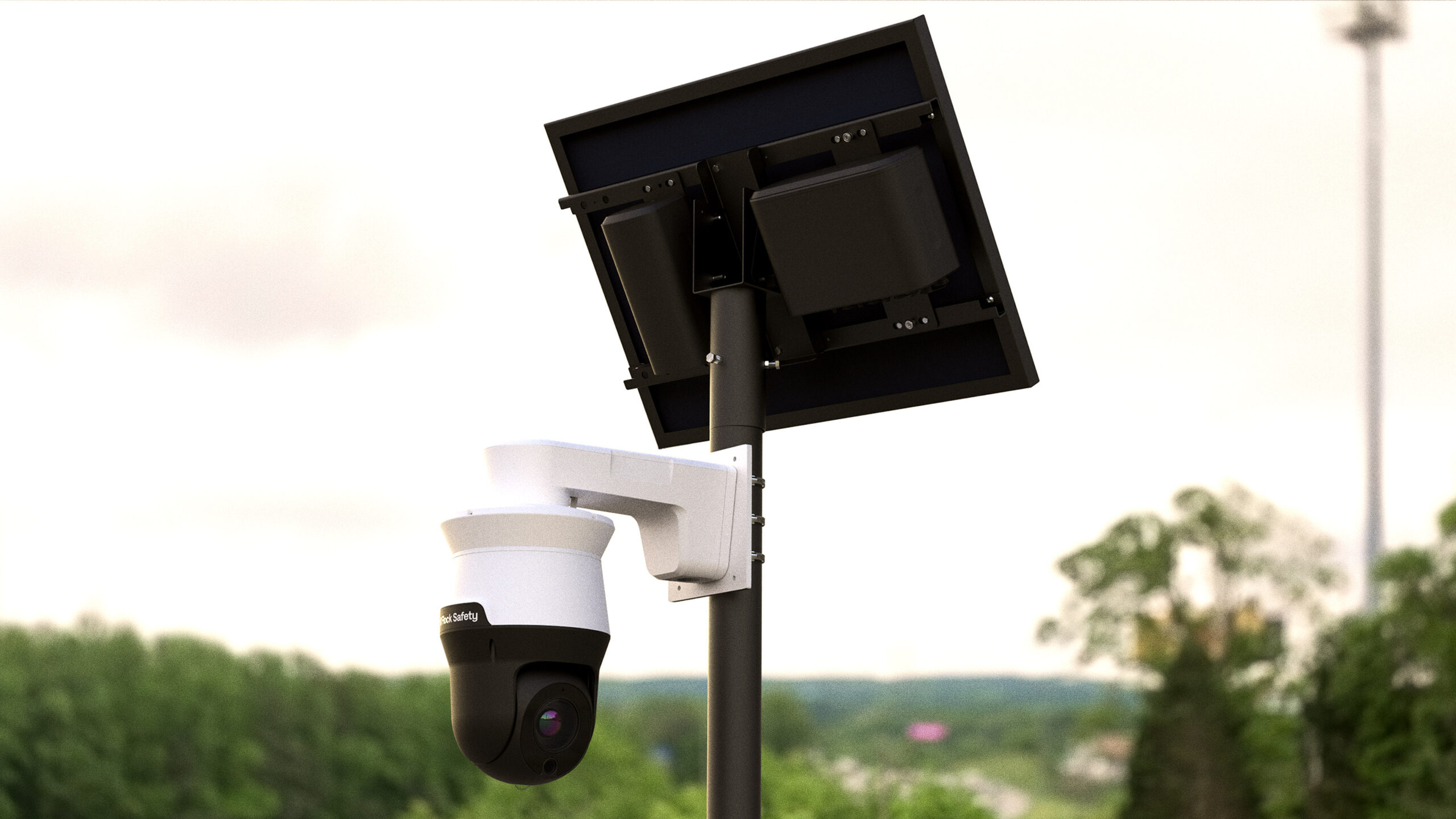
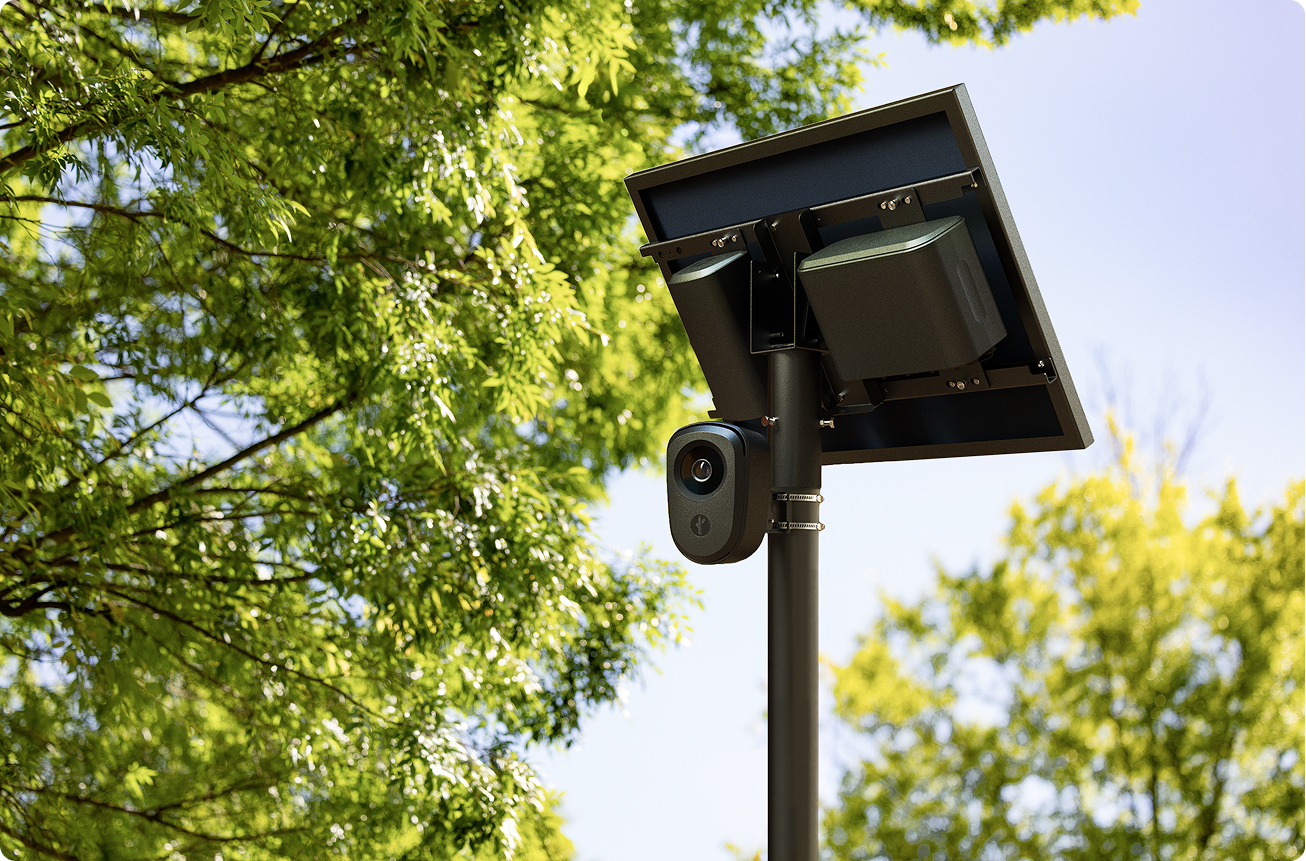
According to a newly released Oakland Police Department report, the city’s Flock Safety camera network generated 1,099,837 hotlist alerts during 2025. More than 620,000 of them flagged stolen license plates. The numbers got so out of hand that Oakland police reportedly left alerts for stolen vehicles and plates switched off, because the department didn’t have the staffing or resources to actually respond to them.
Sold As A Force Multiplier
That matters because of how automated license plate reader systems are usually pitched. Police departments, elected officials, and Flock itself have repeatedly described the technology as a way to help understaffed agencies identify suspects and recover stolen vehicles more efficiently. In theory, that sounds reasonable. The Oakland PD just disproved it with the flip of a switch.
Read: Why More Cities Are Suddenly Pulling The Plug On Flock Safety Cameras
That hasn’t stopped Oakland police from crediting the cameras as one part of a broader strategy to combat crime. During a recent meeting of the city’s Privacy Advisory Commission, Lt. Gabriel Urquiza said the technology is one element of a larger effort aimed at reducing violent crime.
What The Numbers Actually Mean
Not everyone agrees on what the numbers actually mean. Some critics highlighted by Oakside.org argue the alert totals can be misleading because a single stolen vehicle may trigger multiple alerts as it passes numerous cameras over days or even weeks. In other words, the number of alerts doesn’t necessarily reflect the number of unique stolen vehicles on the road.
One critic, Bryan Culbertson, made the point saying, “This Flock executive misunderstanding his own software is actually providing the perfect example of how useless Flock is. There were actually only 3,000 cars stolen during this period of time, but Flock sent out 70x the alerts for OPD to handle. Flock is useless noise at that rate.”
Of course, that distinction became a point of debate after Flock Chief Strategy Officer Rahul Sidhu commented on social media that the volume of alerts would be difficult for any department to handle with limited resources.
Whatever side of the debate you fall on, Oakland’s experience highlights a challenge facing modern policing. Technology can generate an enormous amount of information, but collecting data is only useful if that data is actually correct and if that’s confirmed, then only if local departments have enough officers available to act on it.