










- Chinese brands shifted toward plug-in hybrids after EV tariffs arrived.
- European officials now appear ready to target that growing loophole.
- New duties may slow growth but probably won’t stop China expansion.
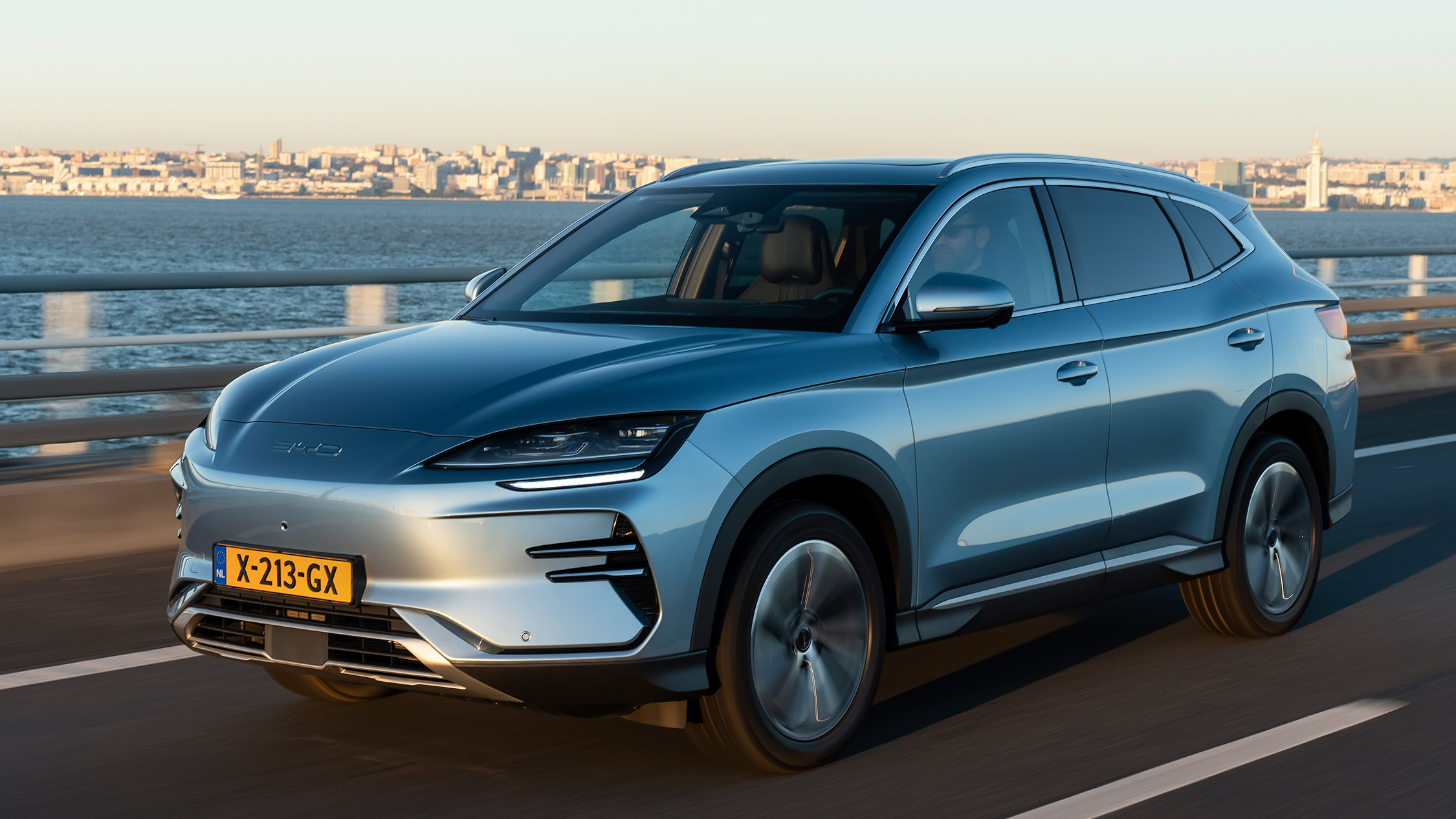
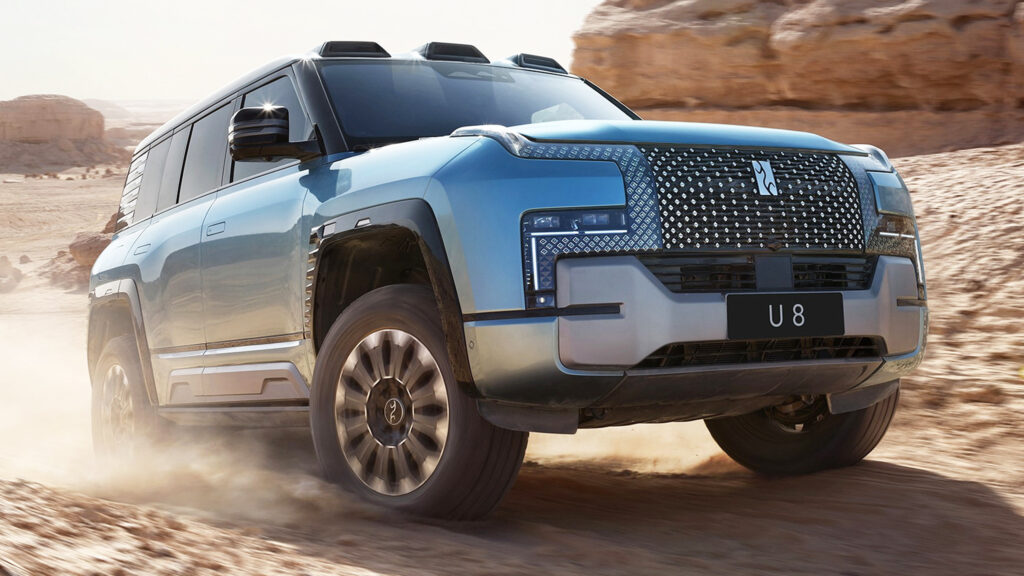
When the European Union slapped tariffs on Chinese-built EVs in late 2024, the expectation was that it would slow the flood of low-cost imports heading into the region. Instead, many Chinese automakers simply reached for Plan B. That plan came with a fuel tank, and sales of Chinese hybrids have rocketed in Europe since then.
Related: Europe Tried To Block Chinese Cars But Ended Up Helping Them Instead
But according to a report from German business newspaper Handelsblatt, Brussels is preparing a fresh trade offensive aimed at Chinese plug-in hybrids. The move would effectively extend the tariff battle beyond pure EVs and close what many European manufacturers now see as an obvious loophole.
The Numbers Behind The Alarm
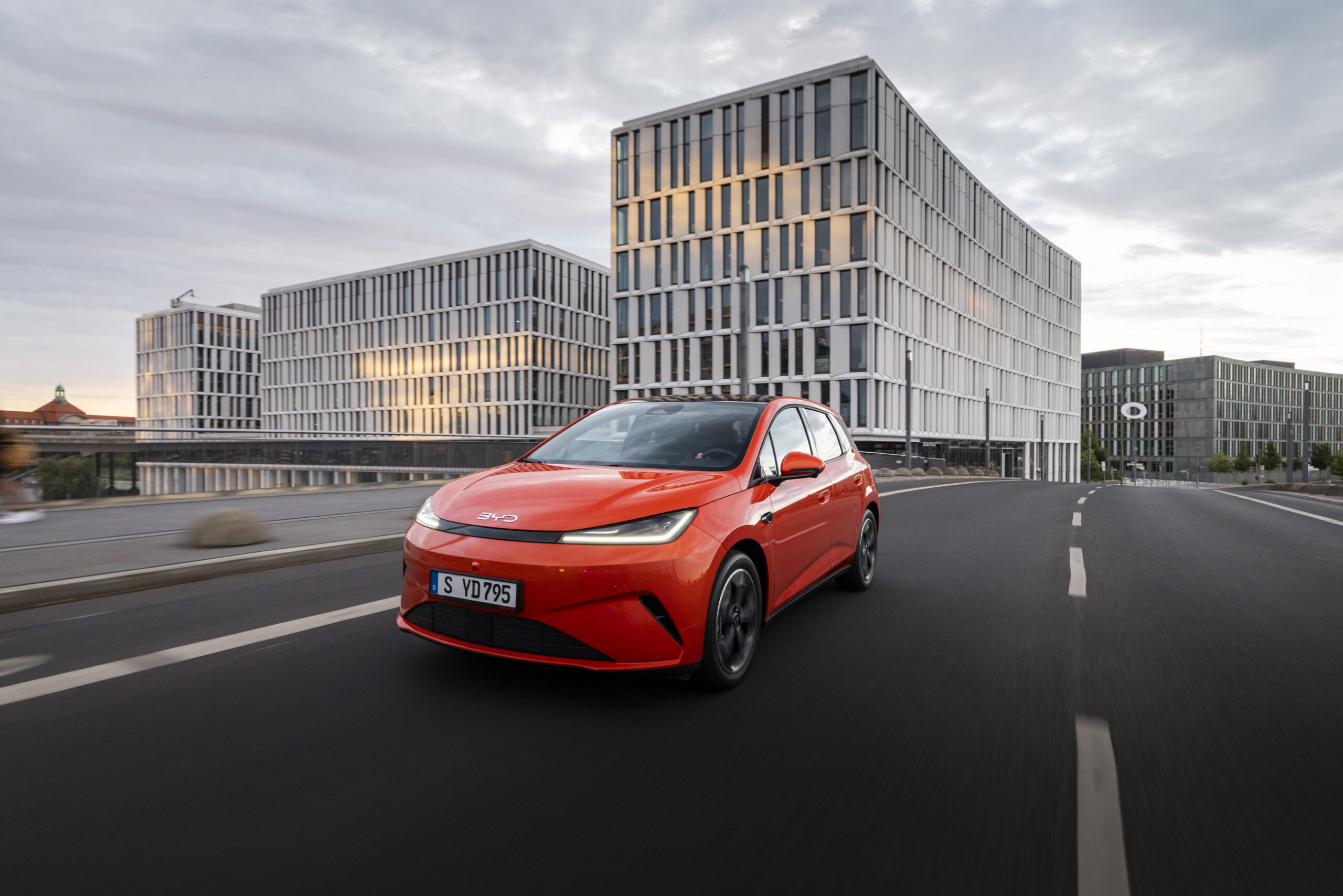
One industry executive told Handelsblatt that Chinese manufacturers were quick to spot the opportunity and exploit it. In the executive’s view, it represents “an open flank that the EU must close.”
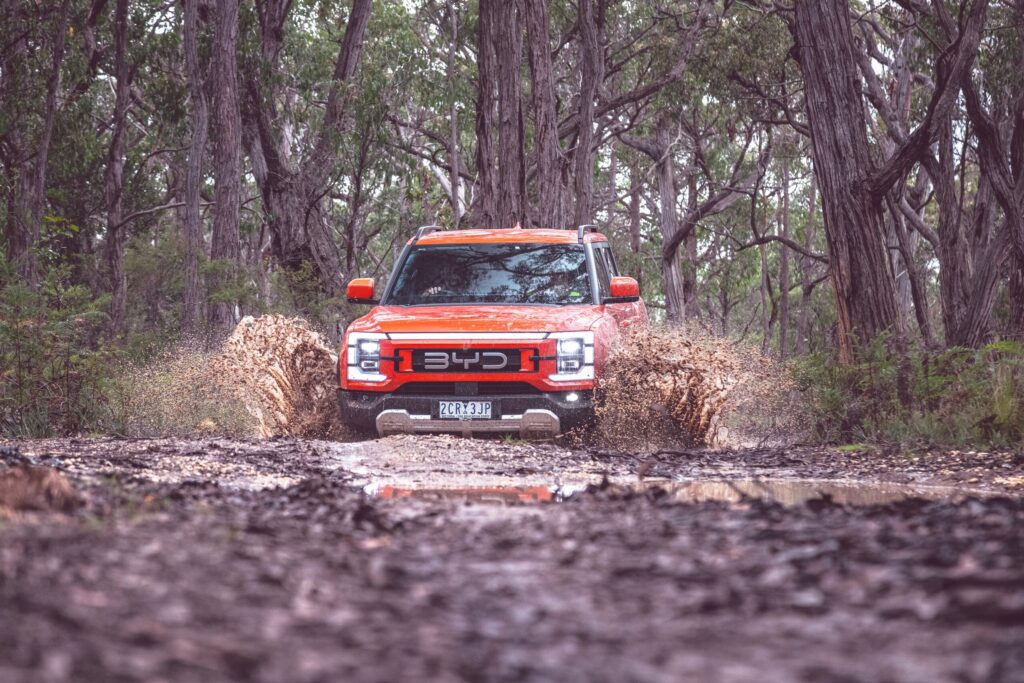
Some of the numbers help explain the concern. BYD’s European plug-in hybrid registrations reportedly climbed far faster than its EV sales this year, while Chery shipped tens of thousands of plug-in hybrids into the region and only a fraction as many battery electric vehicles, Handelsbaltt reports. For European automakers already struggling to defend market share against a Chinese industry that now supplies one in every 10 new cars sold in Europe, that’s an uncomfortable trend.
The proposed measures are still at the discussion stage, but reports suggest an official investigation is already being prepared. If approved by member states, tariffs could potentially be introduced in the coming months.
China Is One Step Ahead
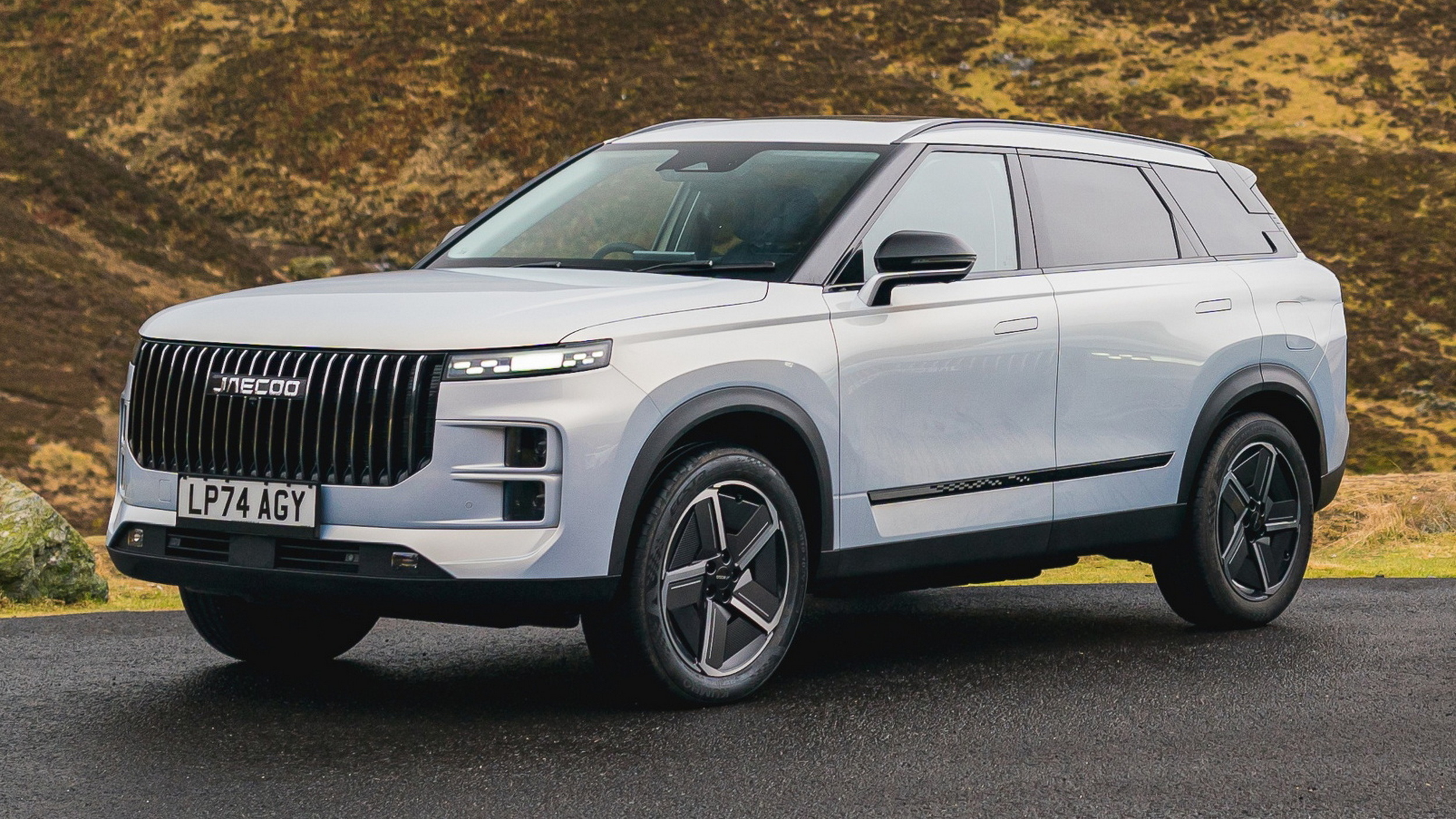
Not everyone believes they’ll change the bigger picture, though. UBS analyst Patrick Hummel argues that additional duties are unlikely to derail Chinese expansion plans completely because profit margins in Europe are still so attractive. Many automakers are also moving production closer to European customers, borrowing underutilized plants from established players like Nissan, or planning brand new local factories to avoid tariff problems for good.
Political attitudes appear to be shifting, and governments that were previously reluctant to provoke Beijing are becoming more receptive to tougher trade measures as concerns grow about industrial competitiveness. But at the same time consumer acceptance and interest in Chinese brands is only growing. Rules and tariffs might make life harder for the Chinese, but one thing’s for sure: they’re not about to U-turn on their European expansion plans any time soon.