









- Mercedes employees in Germany are upset over new changes.
- Instead of getting a bonus next month, it’s been delayed for a year.
- Company is also considering switching to a 40-hour work week.
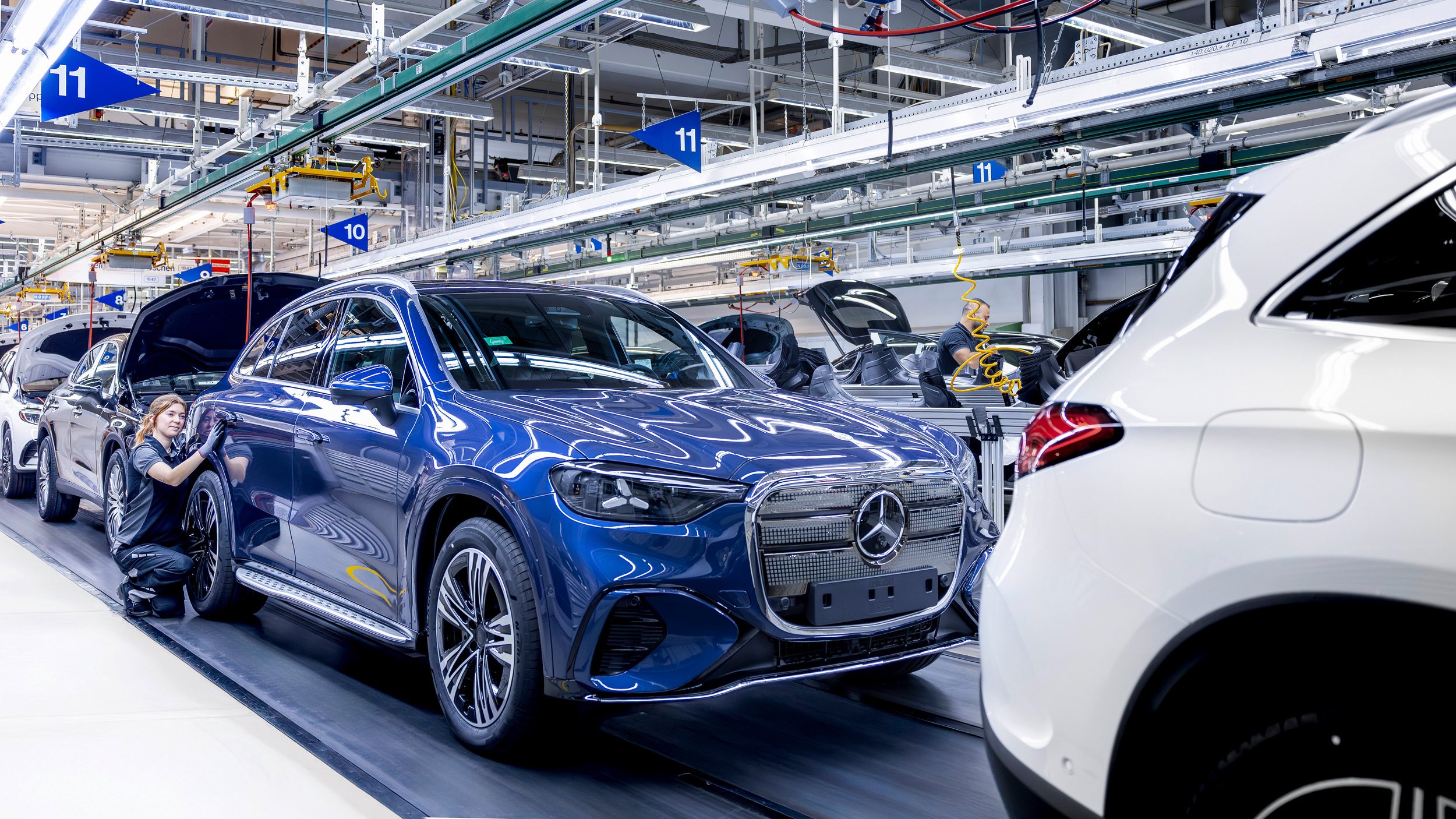
Volkswagen isn’t the only automaker eyeing increased competitiveness as a new report suggests Mercedes is giving German employees the shaft. On top of that, they’re reportedly asking them to work longer hours for free.
That’s a terrible combination, but Automobilwoche says the company has decided to suspend a bonus, which was a “component of the collectively agreed salary.” This isn’t pocket change either as the reward is said to be 18% of a worker’s monthly pay.
More: Mercedes Had A Brutal Sales Year, But One SUV Flew Off The Shelves
The money was originally scheduled to be paid out in July, but the publication reports workers were recently told the bonus would be delayed until next year. This is said to impact around 90,000 employees and the automaker allegedly decided to delay the payment without consulting union officials.
To further rub salt into the wound, the company is considering switching from a 35- to 40-hour work week. That’s not even the worst part as the change would reportedly come “without additional pay.” This means employees would end up working around 260 additional hours per year for nothing.
Needless to say, the union isn’t happy and Works Council Chairman Ergun Lümali said, “This is not a convincing concept for the future.” He went on to slam the suggestion that the company could increase their competitiveness by forcing employees to work longer hours and not get paid for it. Lümali also suggested that Mercedes needs innovation, attractive products, and a skilled workforce.
Like a number of automakers, the company is struggling due to a multitude of issues ranging from tariffs and slower than expected electric vehicle demand to woes in China. In 2025, adjusted earnings before interest and taxes at Mercedes-Benz Cars fell from €8.7 ($9.9) billion to €4.8 ($5.5) billion. Overall Group earnings also dropped from €13.7 ($15.6) billion to €8.2 ($9.3) billion.