










- Trump directs the EPA toward friendlier policies for vehicle repairs involving emissions systems.
- Memo targets California certification process that administration says increases repair costs.
- Right to Repair advocates welcome Trump support but say bigger issues remain unresolved.
Changing your own oil has never been illegal, but repairing modern cars with all of their electronics has become a lot more complicated than simply grabbing a wrench from your trusty toolbox. The White House now says it wants to make things easier, though the latest move isn’t quite the sweeping right-to-repair victory some enthusiasts may have expected.
On Monday, President Donald Trump signed a presidential memorandum directing the Environmental Protection Agency to clarify what owners can legally do when repairing their own vehicles’ emissions systems under the Clean Air Act. The administration also wants the EPA to speed up approval pathways for aftermarket emissions parts while reducing reliance on California’s CARB certification process.
Related: The Reflecting Pool Sealant May Have Trump’s Motorcade Partly To Blame For Its Peeling
The memorandum also tells the EPA to consider backing away from civil enforcement against people who repair their vehicles and return them to their original factory configuration. The administration argues the current system has driven up repair costs, restricted consumer choice, and created frustrating delays for aftermarket manufacturers trying to get approval for replacement components.
Trump described the move as an extension of similar action covering agricultural equipment earlier this year, guidance the White House says saves farmers an average of $33,000 per repair. “It’s really common sense,” he told reporters, including those from Reuters, before joking that many Americans are better than mechanics at fixing their own cars.
Automakers Need To Open Up
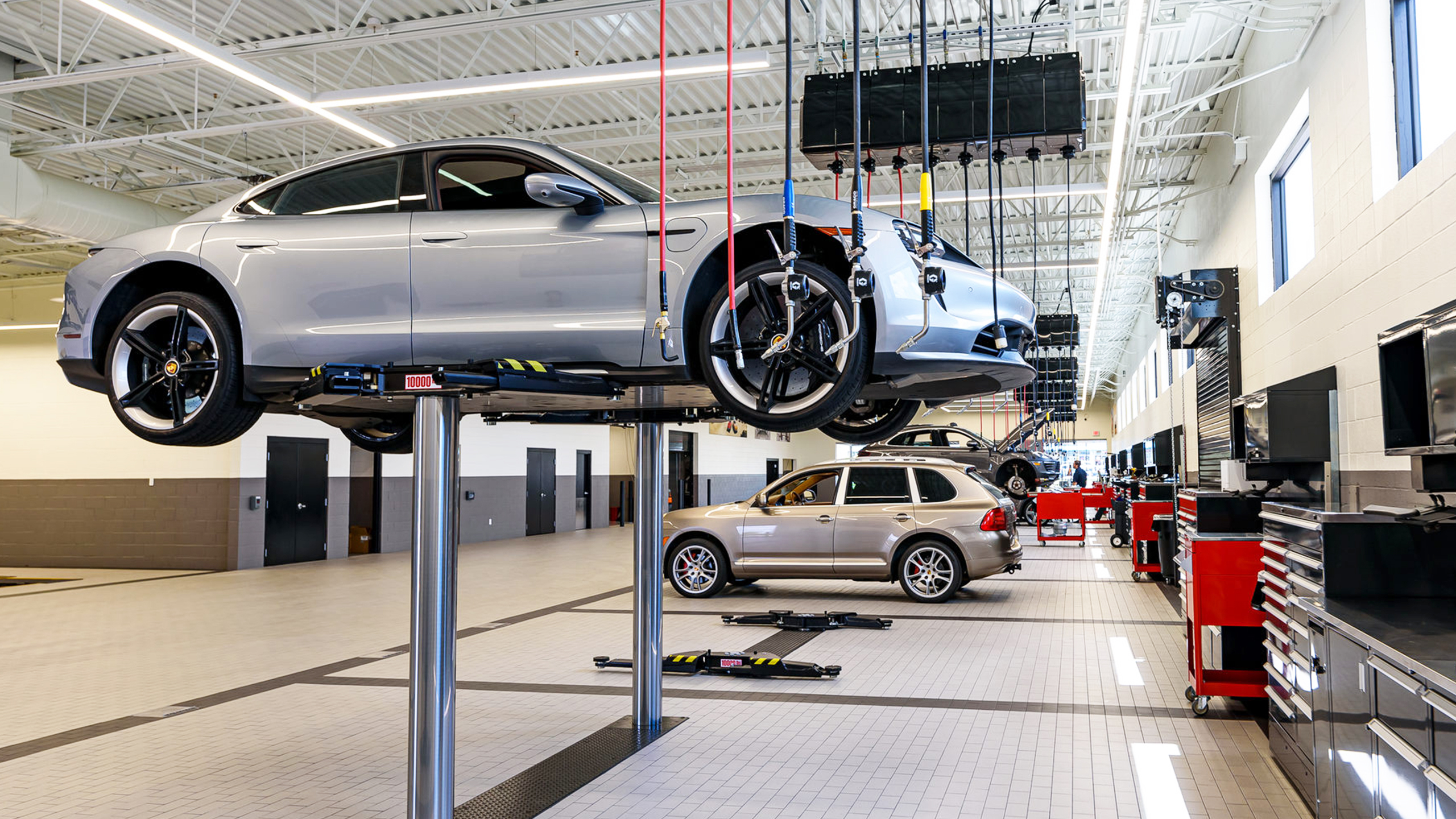
Despite the headline-grabbing language, the memorandum is fairly narrow in scope, and it’s left some right-to-repair advocates feeling let down. They were hoping for a route to legislation that would force automakers to share diagnostic software, repair data, and specialist tools. The big car companies have carefully guarded that kind of intel, a stance that can force drivers to turn to official franchised dealers when their cars need repair.
At an Oval Office event on June 4, Trump referenced an earlier meeting he’d had with executives from Ford, GM, and dealer-group owner Roger Penske.
“They don’t want people to fix their car,” Trump said of the automakers and dealers. “They want a bill that prohibits people from fixing vehicles.”