- The next-generation Hyundai Kona was caught completely undisguised.
- It will bring a boxier and more mature styling alongside advanced tech.
- The SUV could merge with the Creta and underpin a new GM crossover.
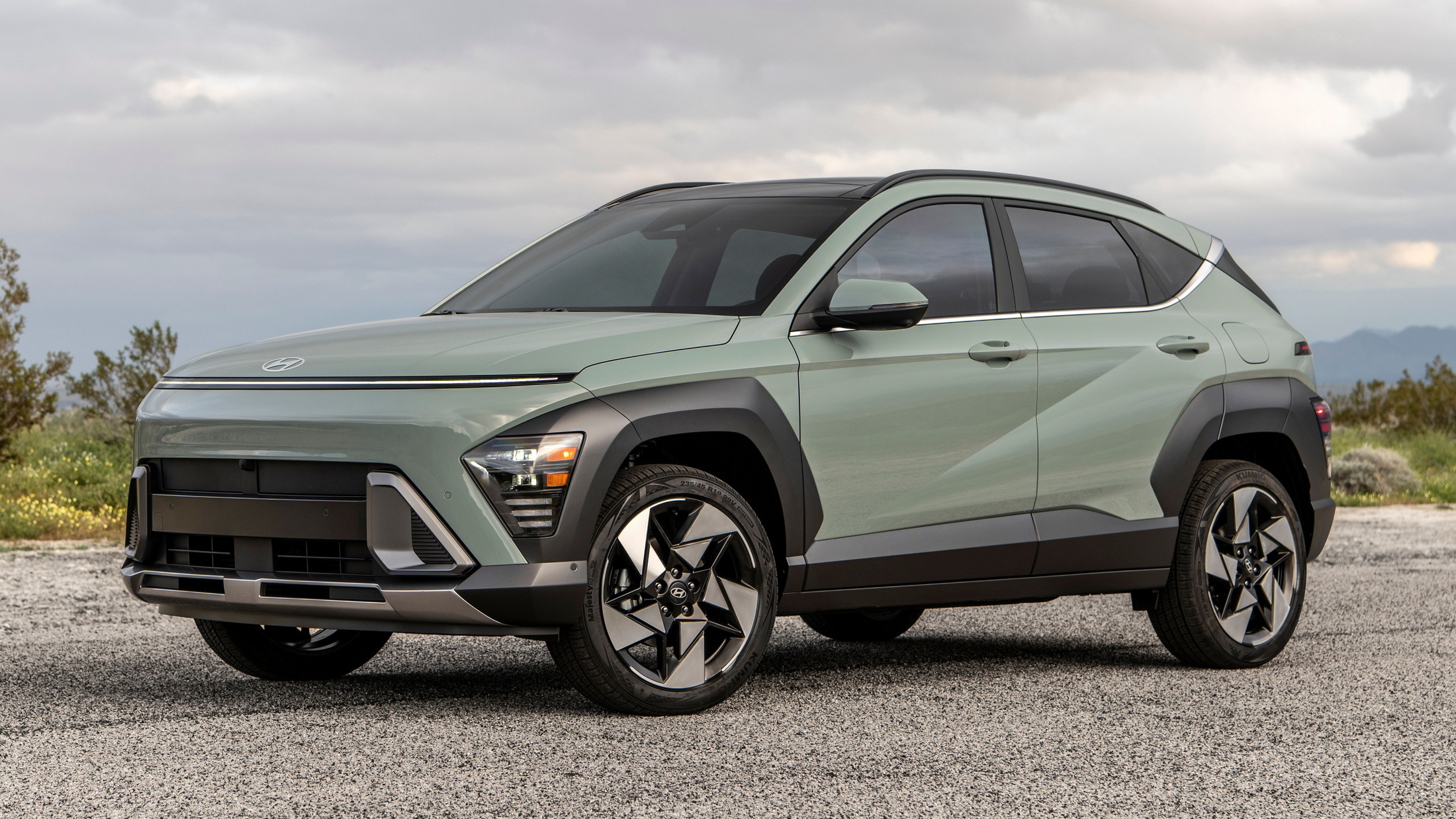
Hyundai pulled the wraps off the second-generation Kona in December 2022, but rather than settle for a mid-cycle nip and tuck, the automaker is preparing a more thorough redesign for 2027. After earlier runs of camouflaged prototypes, the new Kona has now turned up completely undisguised in Korea, and the exposed sheetmetal reveals a taller, more upright stance than the car it replaces.
The styling is only part of the story here, as reports suggest Hyundai wants to fold the Kona and Creta lines into a single global model, a logical move given their size and where each sits in the market. There’s also talk that the SUV’s underpinnings could be shared with the next Chevrolet Tracker, the product of an agreement struck with General Motors.
More: Redesigned Hyundai Tucson Spied Alongside The Current Model
The photos making the rounds on social media, including a set posted by @EWVexillary, point to a Kona that borrows the rugged cues from the Crater concept. At the same time, the cleaner surfacing pulls it visually closer to the Ioniq EV family, splitting the difference between off-road attitude and electric-era modernity.
Mature Styling
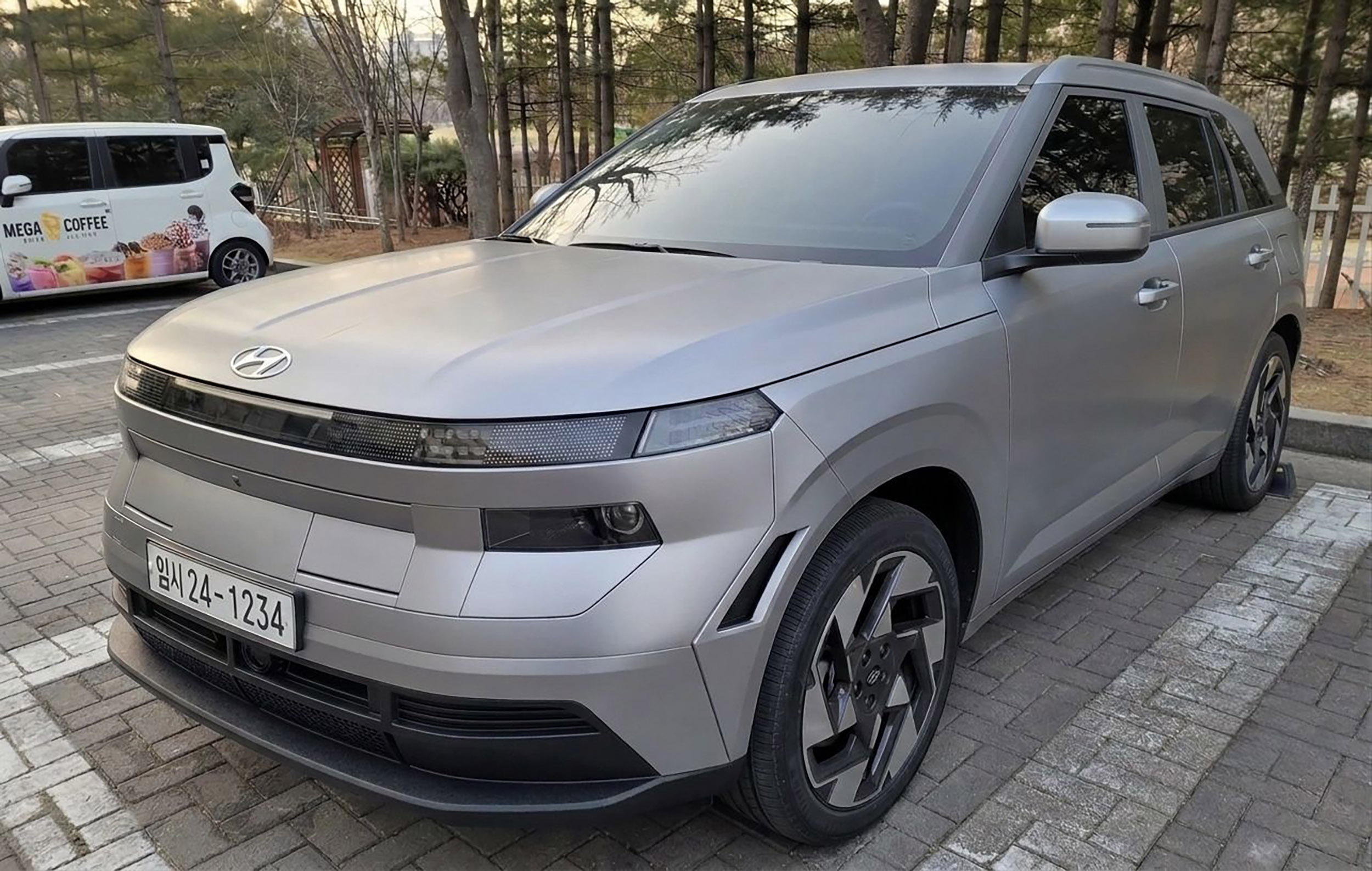
The front end keeps the split-headlight arrangement of the previous generations, though the main units are much smaller now and the full-LED bar runs thicker than before. Below sits a sculpted bumper with smaller intakes and what looks like a covered grille.
More: Hyundai’s Popular Three-Row SUV Is Going Under The Knife
The profile is defined by what’s gone, namely the unpainted plastic cladding, which lends the car a more modern stance. A subtle two-tone treatment reinforces the effect, pairing gray pillars against matte silver bodywork. The flanks trade the diagonal creases of the outgoing model for cleaner surfacing, and the greenhouse is entirely new, its straight belt line running back to a more upright tail.
Dimensions haven’t been confirmed, but the SUV could grow, following the lead of the mechanically related Kia Seltos, which stretches to 4,430 mm (174.4 inches) long. By comparison, the current Hyundai Creta measures 4,330 mm (170.5 in), and the Kona is slightly longer at 4,350 mm (171.3 in).
Hyundai Kona 2027
— Elvis Will Vexillary 🔋 (@EWVexillary) July 21, 2026
Tamamen sızdı .
Segment büyüdü stil Ioniq ‘leşti.
Pleos gelecek https://t.co/tXX8fNP2po pic.twitter.com/TNuBdBLW6e
A further increase in size could help the Kona cement its position between the subcompact and compact SUV segments in Europe, bridging the gap between the smaller Bayon and the larger Tucson. Rivals will include the likes of the VW T-Roc, the Toyota C-HR, the Honda HR-V, and the Mazda CX-30.
New Tech Inside
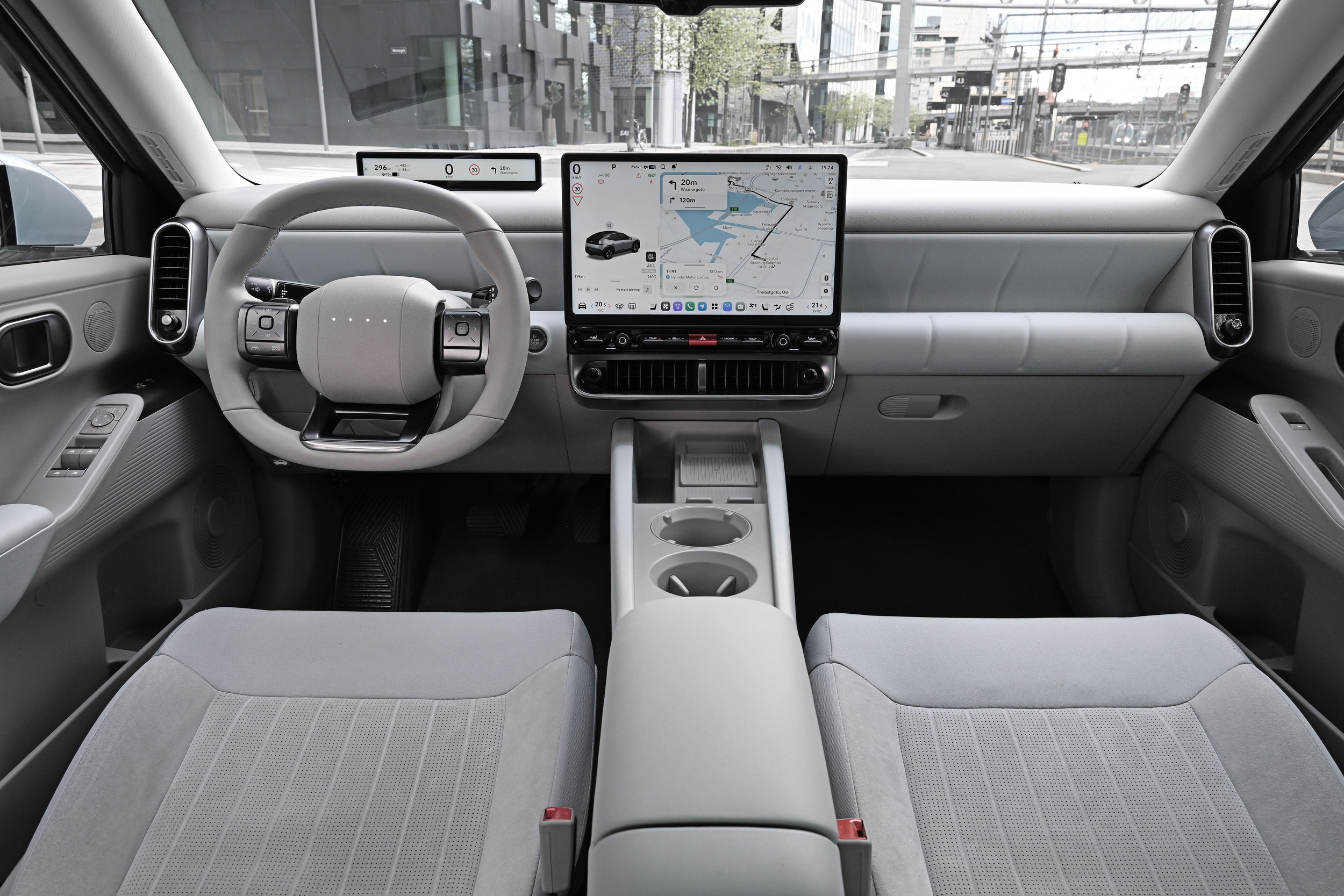
Inside, the crossover will most likely gain a digital cockpit with larger screens, following the lead of the Ioniq 3. Those run on the new Hyundai Pleos Connect infotainment, built on Google’s Android. Hyundai isn’t ditching buttons either, keeping physical controls for the functions that matter. Practicality should improve too, with a slightly larger footprint freeing up more room for passengers and their bags.
More: Hyundai Strips The New Ioniq 3 Down To Its Cleaner, Cheaper Self
Depending on the market, the powertrain range may include a naturally aspirated 2.0-liter, a turbocharged 1.6-liter, and a self-charging hybrid 1.6-liter in FWD and AWD forms. Hyundai might also keep the fully electric variant around and potentially add a range-extender setup.
The unified third-generation Kona and Creta is expected to make its formal global debut within the next few months, likely as a 2027 model.