


- Mercedes admits industry went too far replacing tactile physical switches with in-screen buttons.
- Real controls are returning, though giant digital dashboards aren’t disappearing anytime soon.
- Ferrari, Volkswagen, Hyundai and others are also rediscovering the humble physical button.
Mercedes has spent years filling dashboards with enough digital real estate to furnish an Apple Store. Now CEO Ola Källenius admits the industry may have gotten carried away eliminating physical controls. But if you’re hoping this means giant screens are about to disappear, we’ve got some bad news.
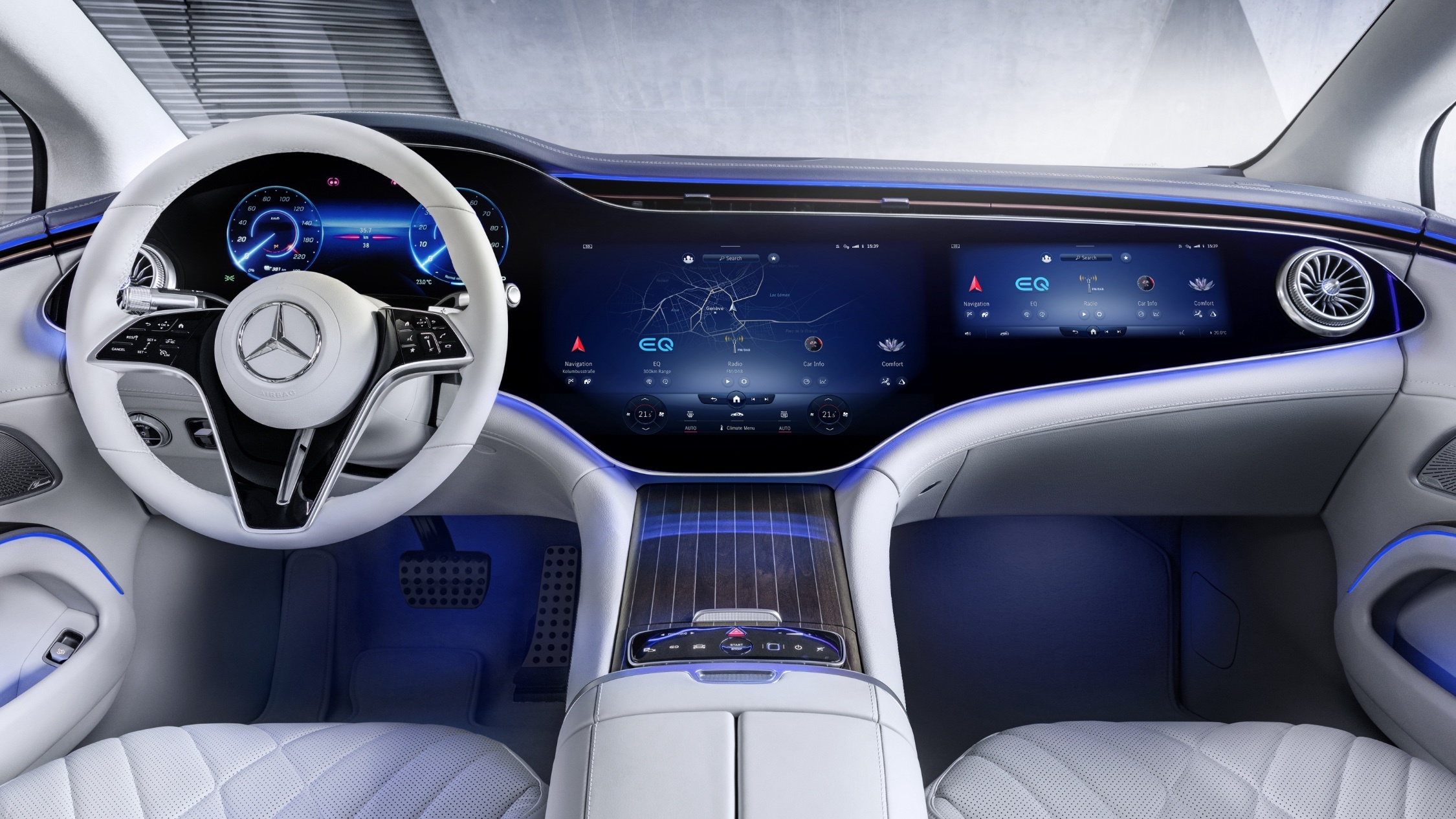
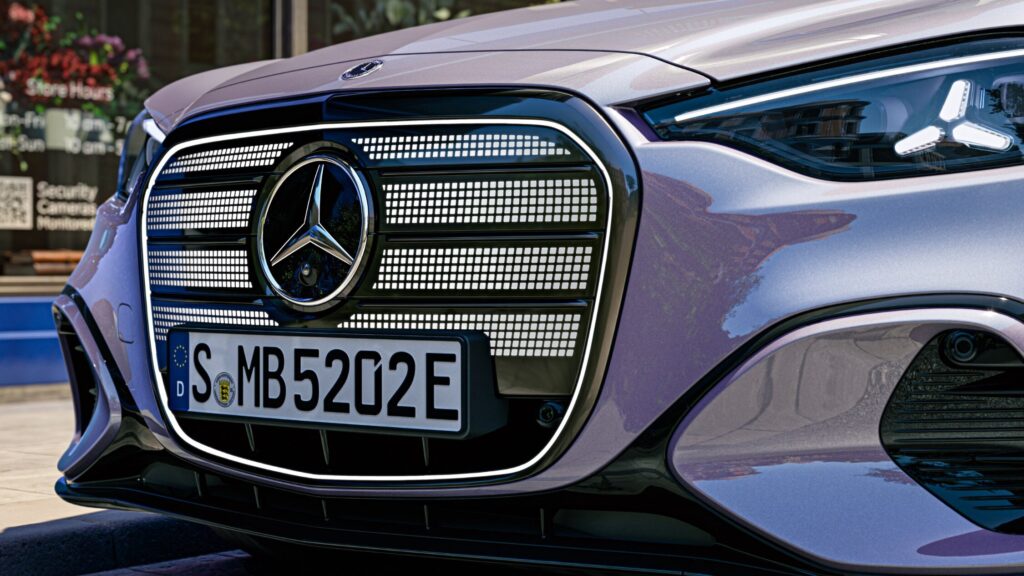
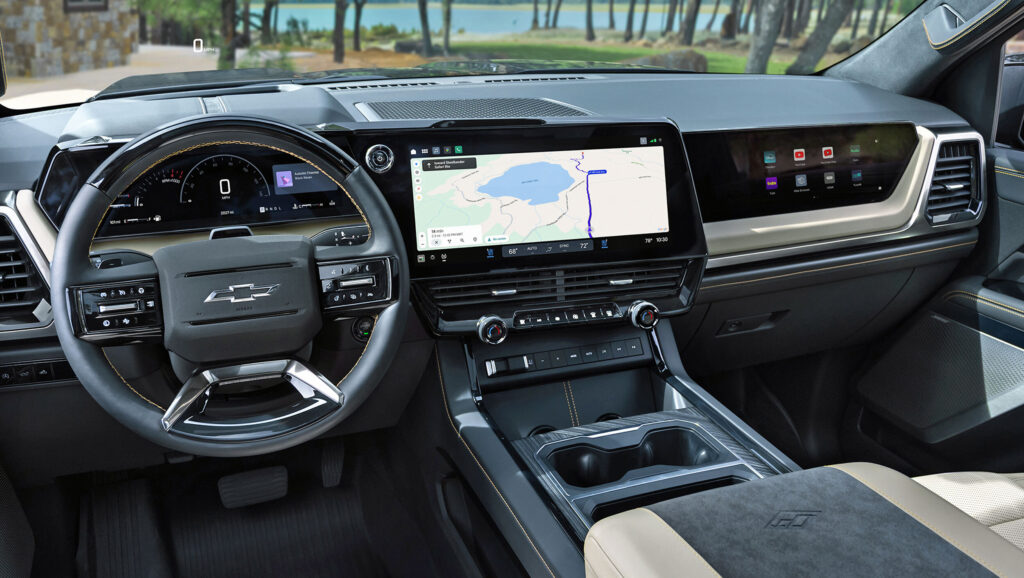
Mercedes has been one of the most enthusiastic adopters of the screen-heavy cabin, culminating in the MBUX Hyperscreen and Superscreen infotainment setups, which can stretch right across the dashboard. That digital acreage has come at the expense of conventional switches, something customers haven’t universally celebrated.
More: The Base 2027 Mercedes GLA Reminds You Of Your Cheapness One Star At A Time
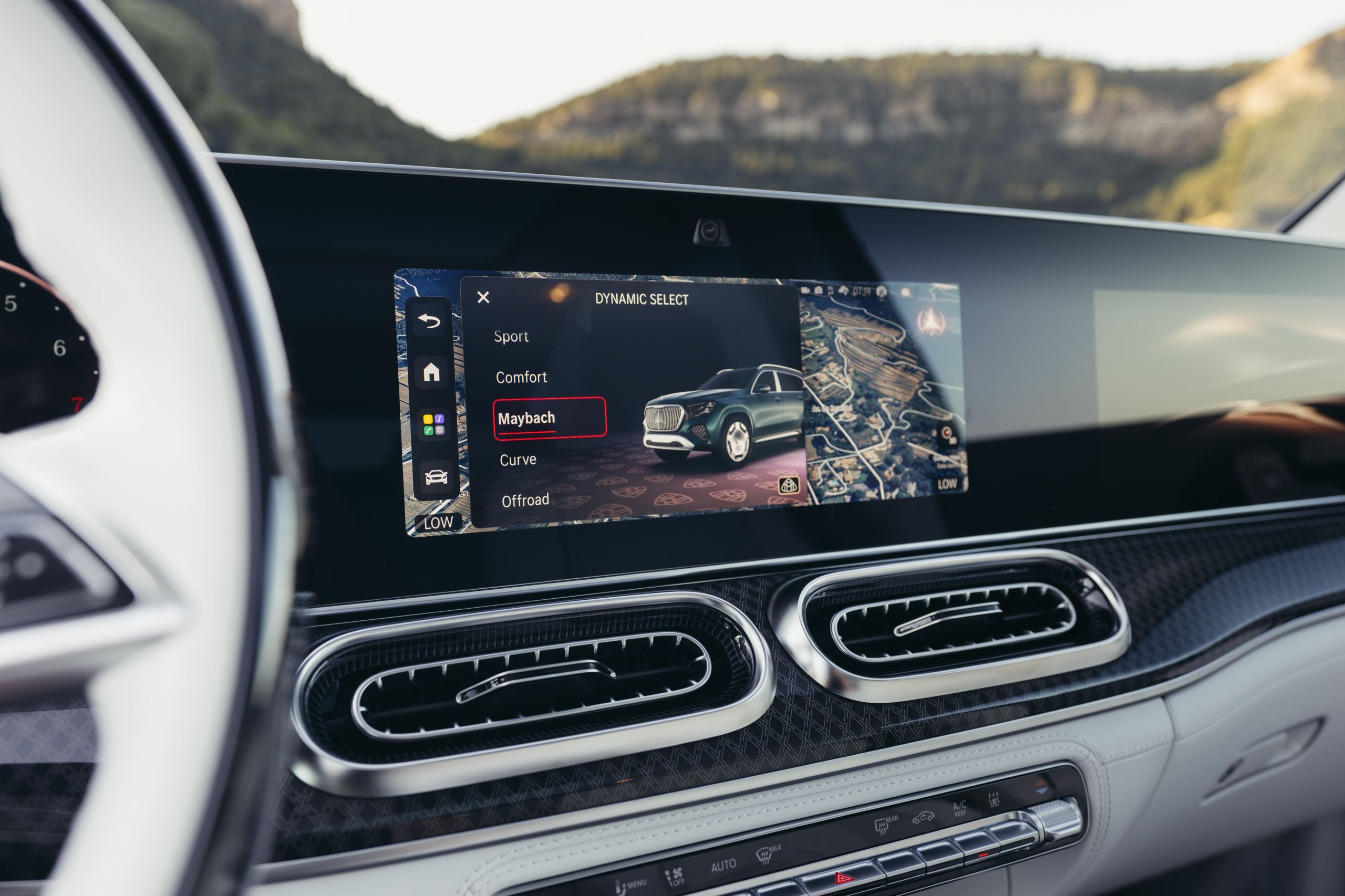
Källenius told Autocar that Mercedes spends huge amounts of time developing its interfaces, joking that they need to be simple enough for either a five-year-old or a Mercedes board member to operate. But he also conceded that automakers may have pushed digitization too aggressively.
“Sometimes you get a bit ahead of yourself and do technology for the sake of technology and maybe forget a little bit about the customer,” Källenius said. Mercedes has already restored physical steering-wheel controls and he promised the brand will continue bringing back buttons where they make sense.
More Buttons, Not Less Screen
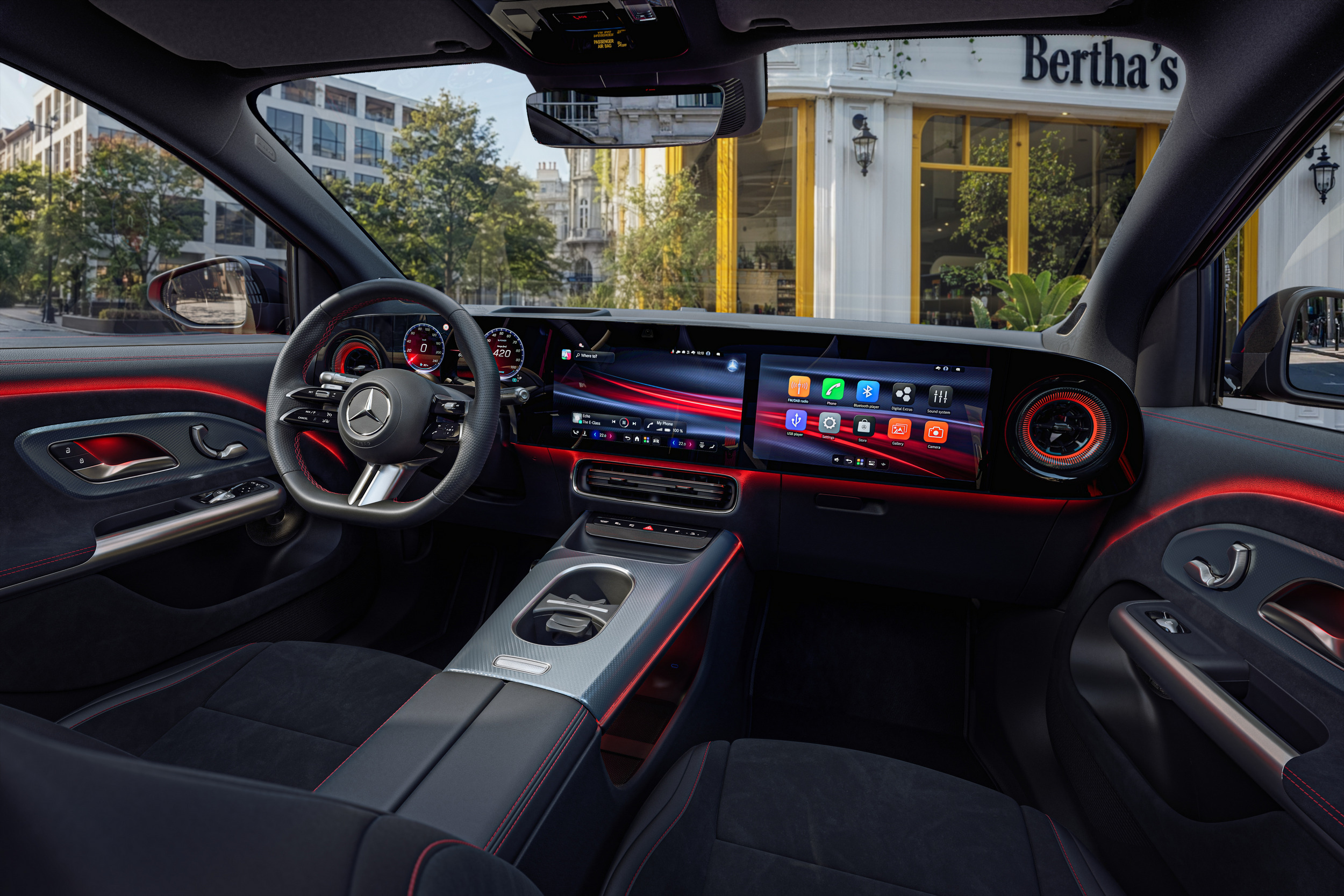
That doesn’t mean the screen arms race is over. Asked whether the industry had reached maximum display, Källenius replied, “I don’t know if we’re at peak screen, but we’re at low button.” It sounds like we should expect screens and switches to coexist rather than one replacing the other.
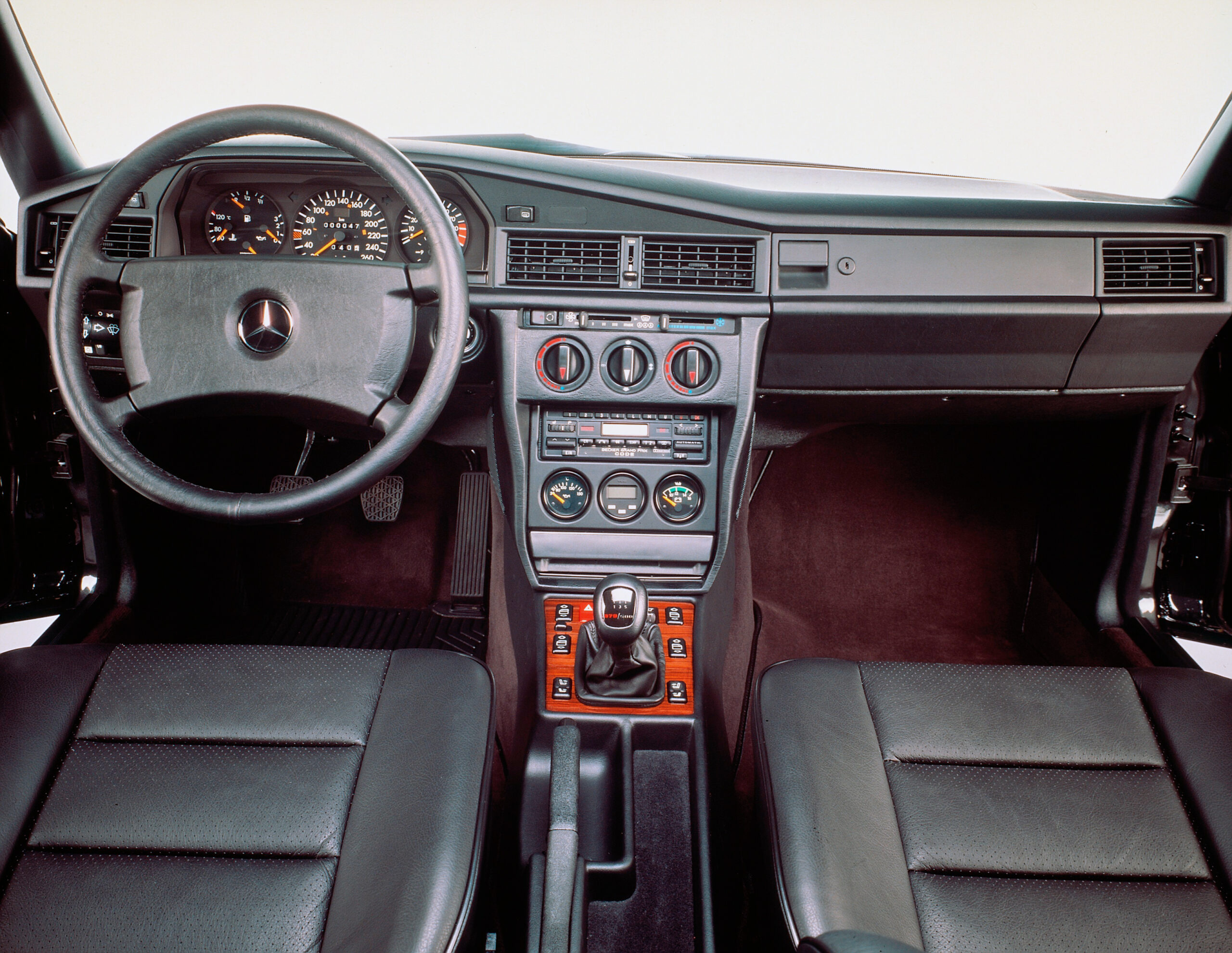
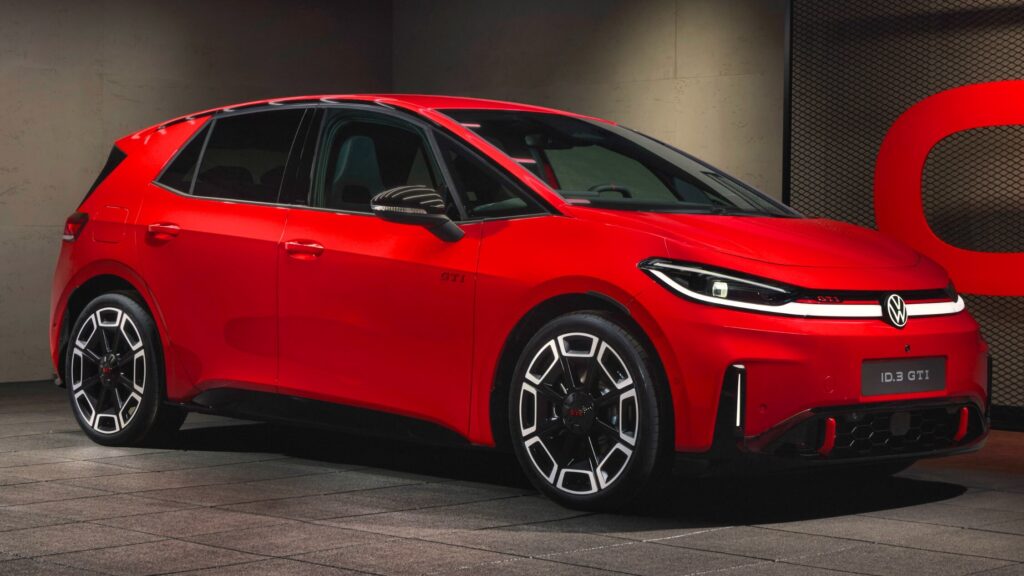
Mercedes isn’t alone in rediscovering controls you can operate without looking. Ferrari CEO Benedetto Vigna recently admitted touch buttons became more common because they can cost around 50 percent less to produce, while confirming Ferrari will reintroduce more physical controls. Hyundai and Volkswagen are moving in the same direction too.
Still, buttons alone aren’t a magic cure. A recent Swedish distraction test found a button-packed Mazda CX-60 took longer to complete several everyday tasks than a touchscreen-heavy Tesla Model Y. Mercedes’ CLA also performed poorly, while Volvo’s screen-focused XC60 topped the test.