- The NHTSA has given Zoox an exemption to commercially operate their robotaxis.
- Zoox can deploy up to 2,500 vehicles annually, but they’ll be subject to extra oversight.
- Government is also looking into an exemption for Robomart and their delivery vehicle.
The National Highway Traffic Safety Administration has announced a “series of actions” to accelerate autonomous vehicle innovation and they’re designed to balance safety with speedier deployments.
The big news is that Transportation Secretary Sean Duffy has directed the agency to give Amazon-owned Zoox a “temporary exemption.” This will allow the robotaxi company to commercially deploy up to 2,500 vehicles annually for two years. In effect, the firm will be able to accept paying customers, a first for a purpose-built autonomous vehicle with no conventional controls like a steering wheel or foot pedals.
More: Zoox Unveils Its Production-Intent Robotaxi, Arrives Later This Year
The government said the company will be “subject to an enhanced, adaptable oversight structure that can evolve as Zoox’s technology advances.” This suggests they’ll keep tabs on things and ensure the robotaxis are operating safely.
While the release didn’t elaborate, Reuters is reporting Zoox will be subject to “additional reporting requirements” and the government will be able to pull the exemption if they determine there’s a serious safety issue. All remote operators must also be US-based and the company will need to release a map showing where their autonomous vehicles are operating.
Besides giving Zoox the green light to begin commercial operations, the NHTSA aims to “accelerate development of [the] first-ever AV performance standards through a partnership with SAE Industry Technologies Consortia.” The goal is to create a national standard for autonomous vehicles, instead of a patchwork of state and federal regulations.



The government will also tweak exemptions and establish a portal for public feedback regarding the government’s updated autonomous vehicle development and deployment guidance.
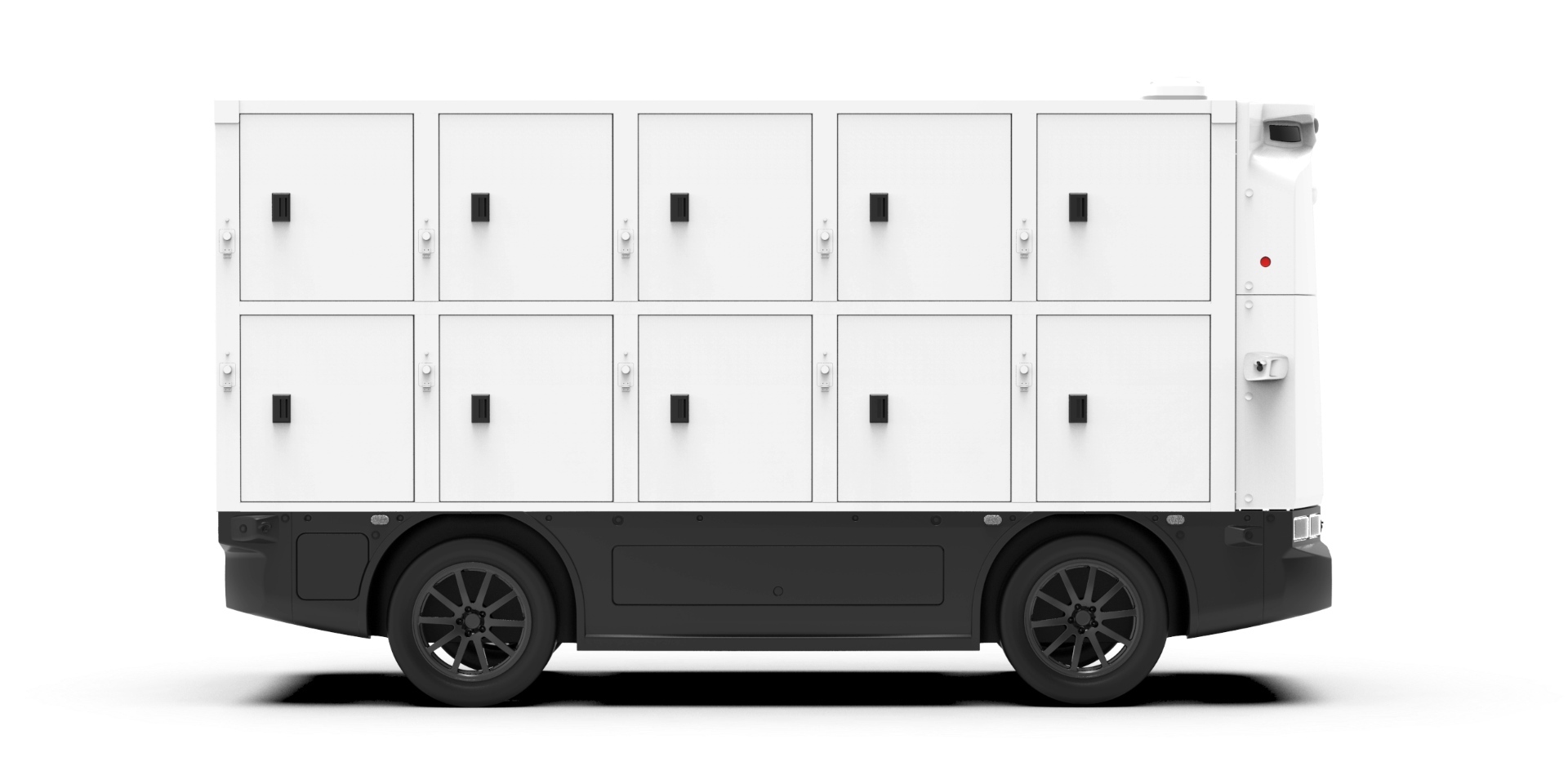
Besides the aforementioned changes, the NHTSA is also reviewing an exemption request from Robomart, which would temporarily waive requirements for low-speed autonomous vehicles without a human driver onboard. Robomart isn’t widely known, but the company’s RM5 is an autonomous delivery vehicle with ten lockers that can haul up to 500 lbs (227 kg) of goods. It operates at speeds up to 25 mph (40 km/h) and doesn’t even have a cockpit.
NHTSA Administrator Jonathan Morrison said, “By removing unnecessary barriers to innovation, developing industry guidance, and providing strong enforcement oversight while we create performance requirements, NHTSA is taking a balanced approach to AV regulation.” He added, “These advancements will ensure that the United States continues to lead the world in AV technology in a safe and responsible manner.”