









- Polestar says officials signaled approval before reversing to a ban.
- Volvo won its US exemption in May, Polestar’s was denied in June.
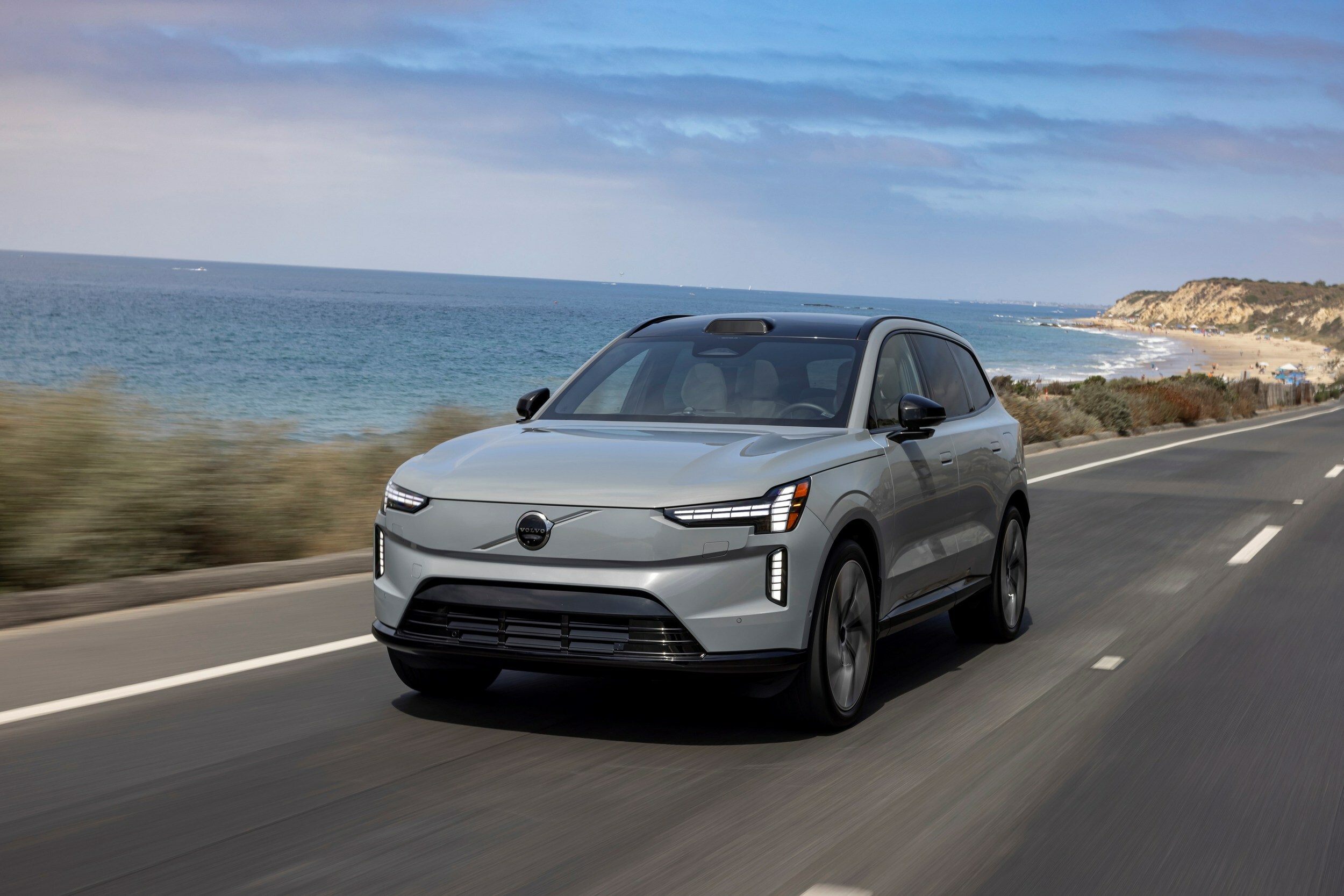
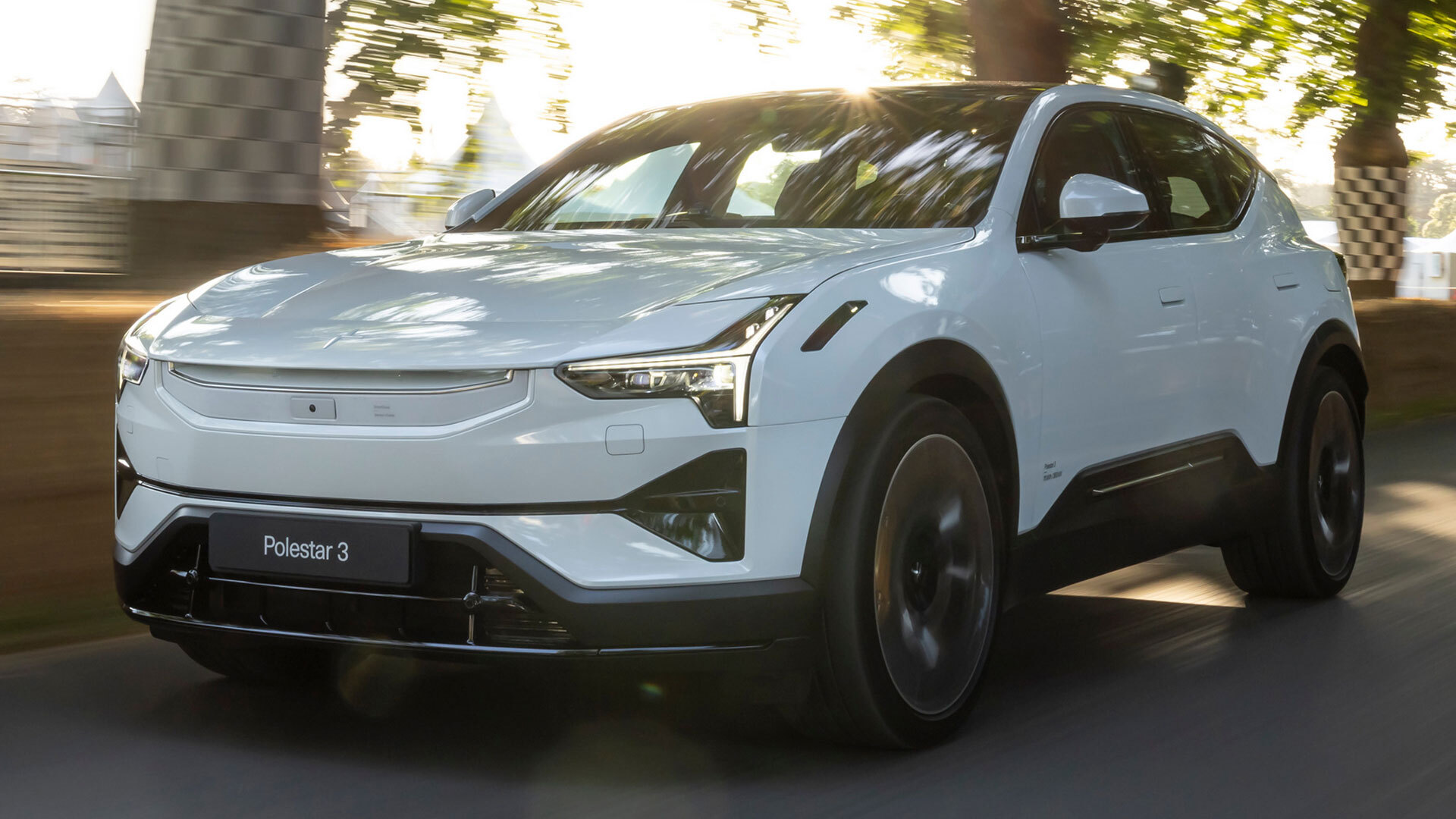
- The Polestar 3 and Volvo EX90 share hardware, software, and a factory.
Two full months have passed since the US Commerce Department told Polestar it would be barred from selling new cars here beyond the 2027 model year. The decision blindsided the automaker, which is still trying to find out why it got the axe while Volvo didn’t. Both brands are owned by China’s Geely, which is why either needed a waiver in the first place.
In a letter recently distributed to dealerships across the US, Polestar’s US head of product, Peter Wexler, says it is still seeking an explanation from the Commerce Department for why it has been blocked under connected-vehicle technology rules, first instituted by the Biden administration. According to Polestar, it was expecting to secure a waiver that would have allowed it to continue local sales.
Read: Volvo Fought The US Ban And Won. Polestar Isn’t Even Trying
“In essence, we are currently focusing on getting the attention of (the Commerce Department) to obtain the requested information and to understand the underlying basis for the denial,” Wexler wrote in the letter, seen by The Wall Street Journal.
Polestar Was Told It’d Be Approved
Wexler added that after Polestar answered several rounds of questions last year, officials from the US Commerce Department said they were preparing to grant it approval to keep selling its EVs on local shores. Polestar leadership was also reportedly told by the department’s Under Secretary for Industry and Security, Jeffrey Kessler, that if Volvo were approved, it’d be reasonable to expect Polestar to be granted a waiver as well.
According to The Wall Street Journal, Polestar was also open to discussing where its data is stored and who can access it. It was also willing to discuss auditing, reporting requirements, and independent cybersecurity assessments as part of its efforts to remain in the United States. These measures proved in vain, as in June Polestar’s waiver application was denied, just a month after Volvo’s was approved.
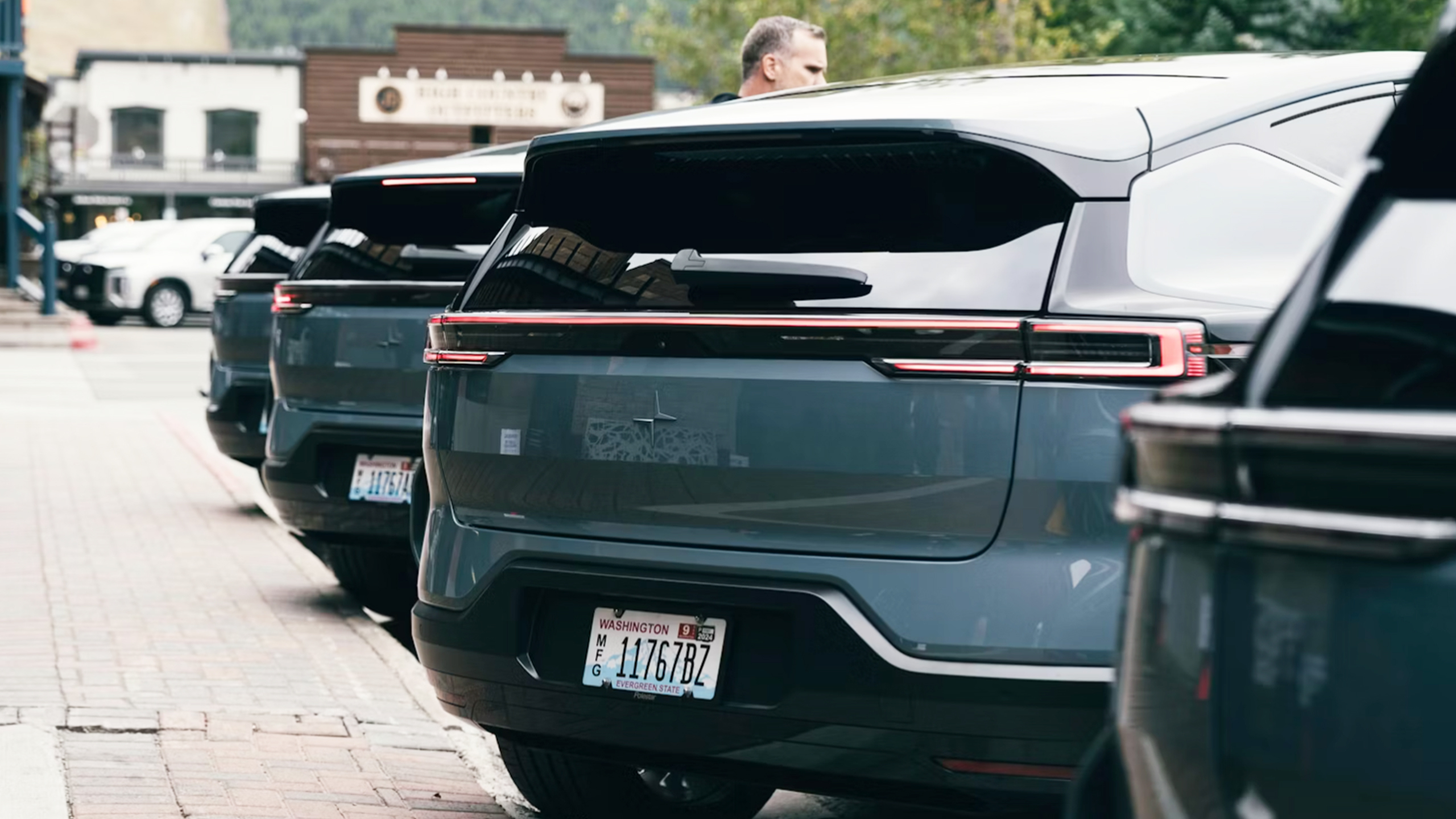
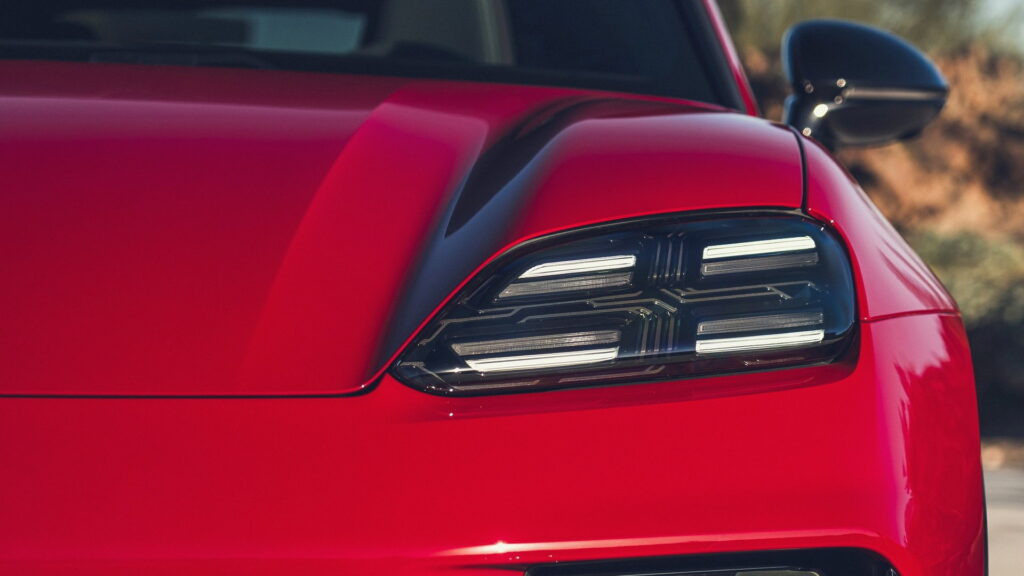
This decision shocked not only Polestar but also others in the industry. In the case of the Polestar 3, it uses the same software stack and much of the same hardware as the Volvo EX90. It is even built on the same line in South Carolina, and yet government officials decided they didn’t want to see any Polestars on local roads.
In the letter, Wexler added that “[Polestar] pointed out that the disparate treatment of the two companies and vehicles is contrary to law.’