- Kia is facelifting the K5 rather than building an all-new successor.
- Move mirrors a cost-saving choice Toyota made with the Camry.
- A new 1.6-litre TMED-II hybrid joins a carryover 2.5-litre Turbo.
The Kia K5 isn’t ready to bow out yet. Instead of retiring the aging DL3-generation sedan and starting over, Seoul is preparing a second major facelift, the same accounting-driven call Toyota made when it redesigned the current Camry. Mid-size sedans no longer move the volume that justifies a from-scratch redesign, and a facelift costs a fraction as much.
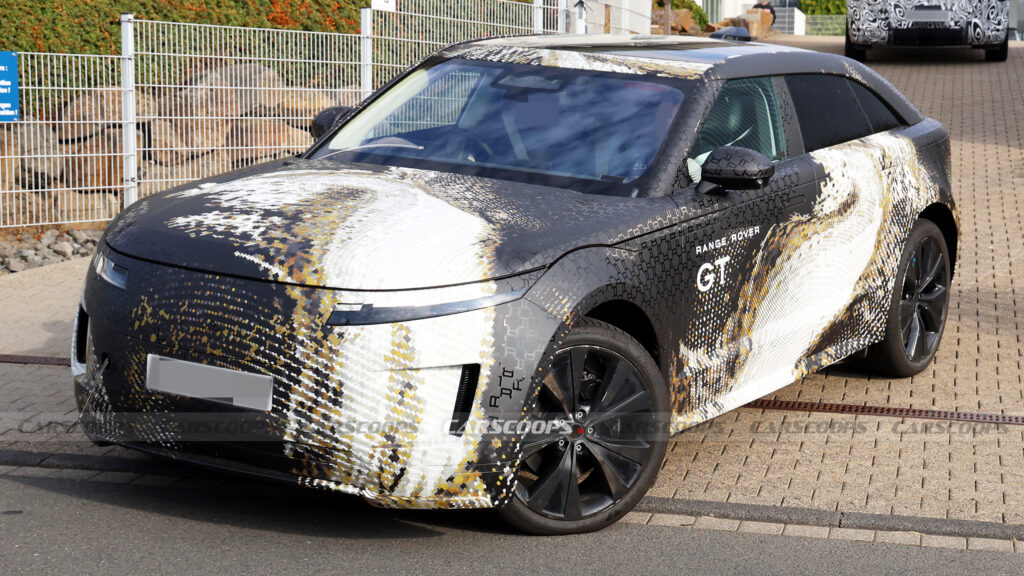
Also: Honda’s 2028 Accord Might Fake Manual Shifts, And Also Grow A Fastback Roof
It’s a state of play that could extend the current architecture until 2030, reflecting a wider Hyundai Motor Group strategy to keep combustion models competitive alongside heavy EV investment. Prototype sightings show that it’s more than a simple nip-tuck, so read on as we explore all there is to know.
Opposites United
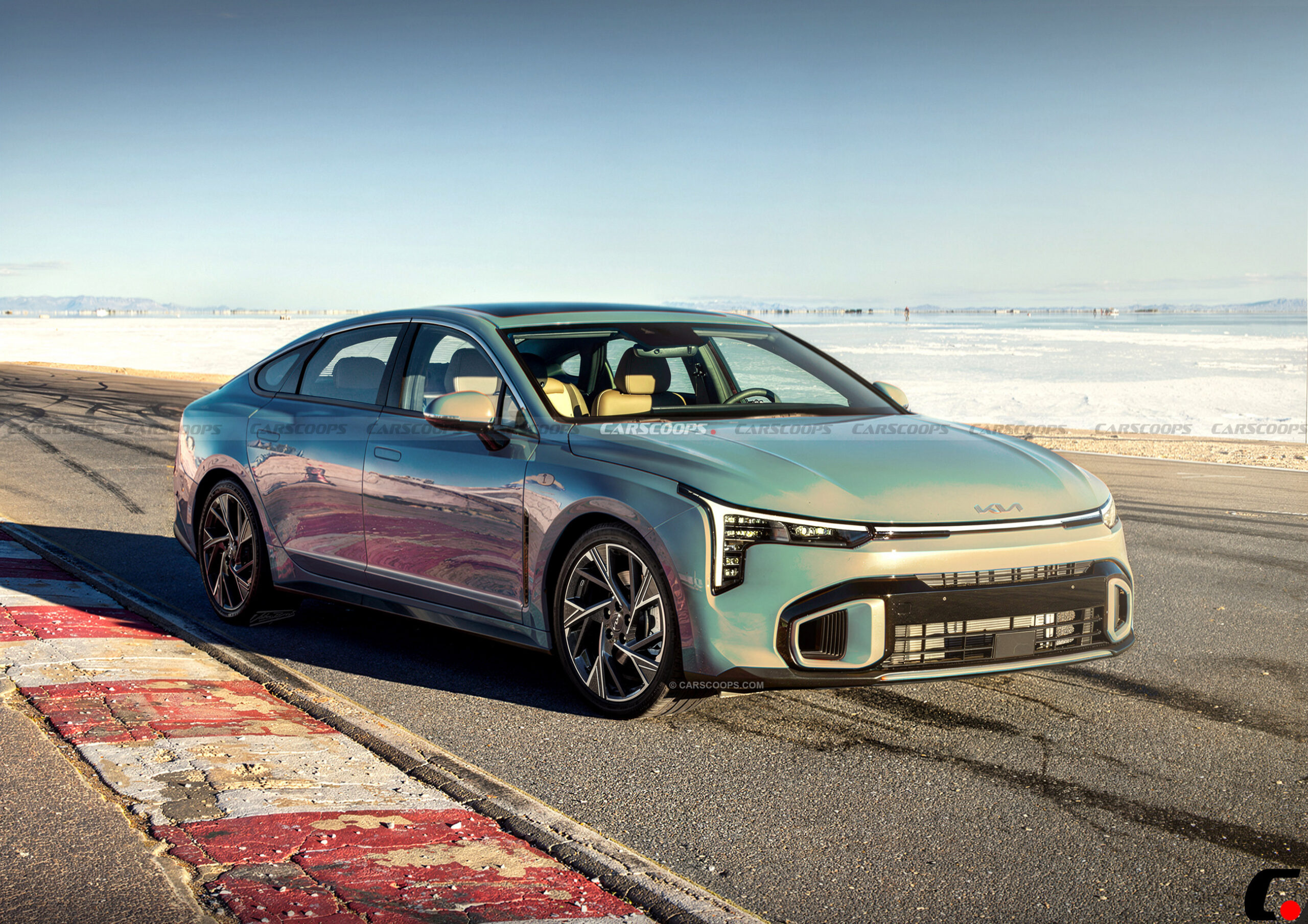
The K5 will retain the same hardpoints as the current car but wears Kia’s ‘Opposites United’ sheet metal. In profile, it retains its fastback roofline, with hints of the Kia Stinger in the way the upper window trim flows into the C-pillars and a front fender inlay that channels into the doors.
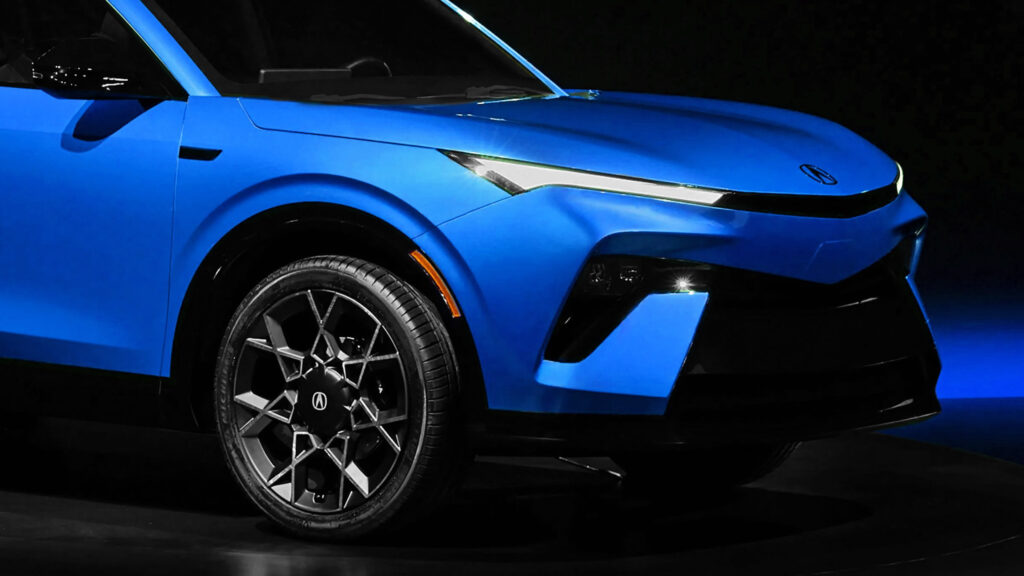
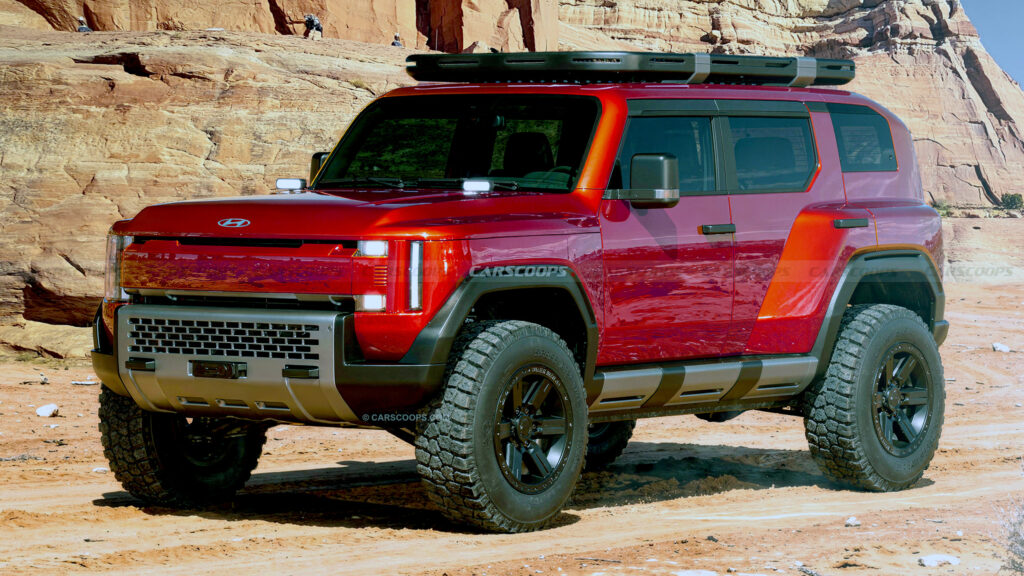
Also: Hyundai Is Coming For The Bronco, And A Patent May Have Given The SUV Away
Its front fascia now wears a geometric lower intake area, with colour-coded inlays and contrasting black trim. It gains new alloy wheel designs and curvier quarter windows, while the rear sports a full-width taillamp bar with angular graphics.
Interior Smarts
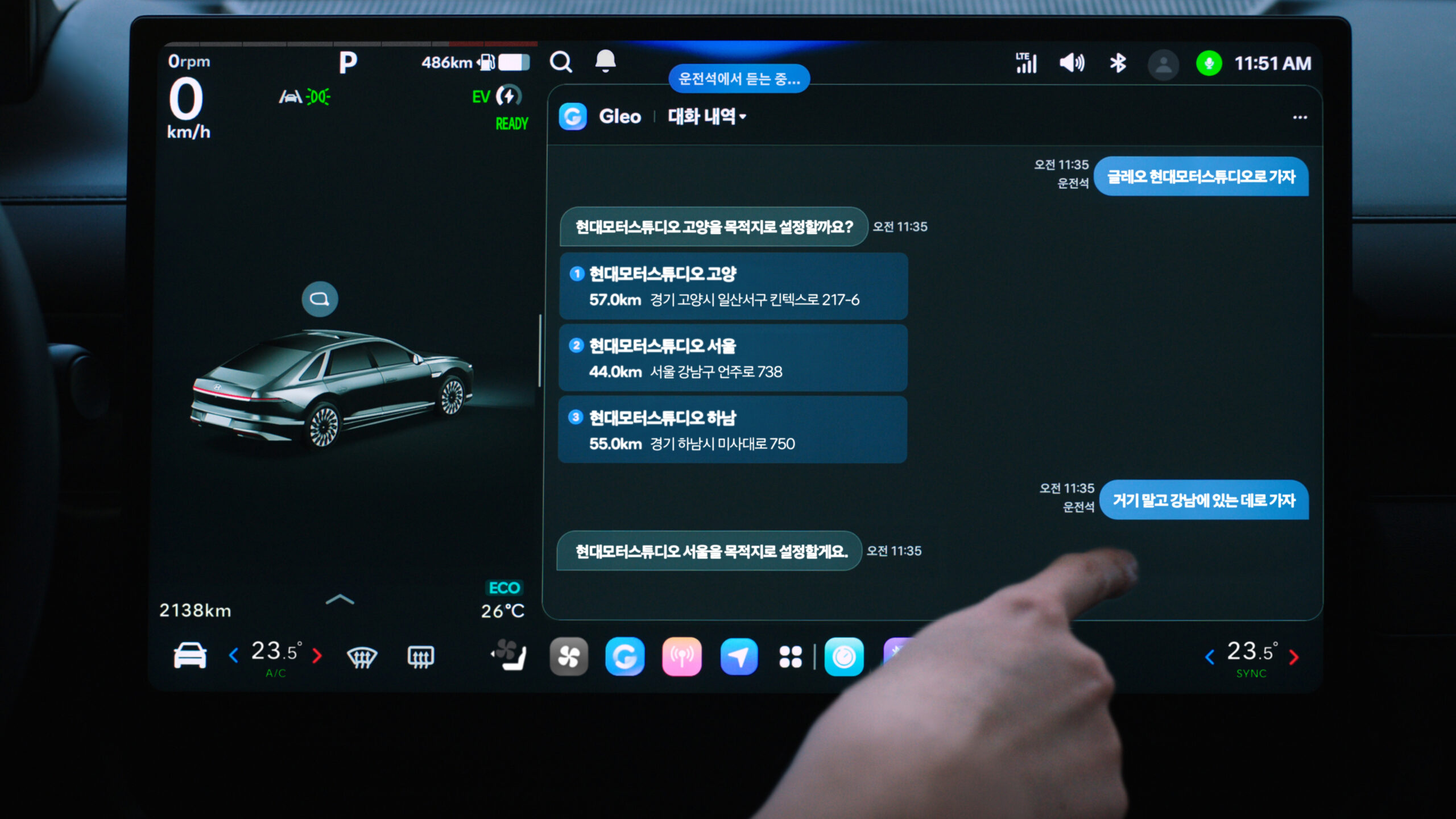
Inside, the cabin promises an even bigger transformation with a redesigned dashboard dominated by Hyundai Motor Group’s latest Pleos Connect infotainment system. It replaces the current ccNX interface with a large central screen and software architecture that bundles smartphone-like multitasking and AI integration.
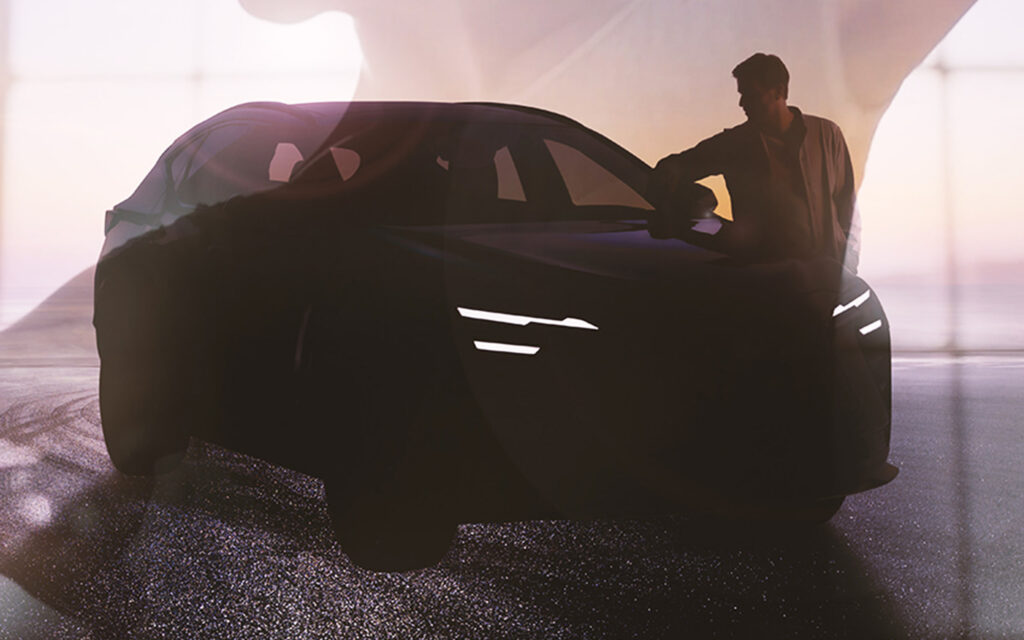
More: Chevy’s Camaro Has Always Had Two Doors. Its Revival Might Have Four
The K5 also sports a redesigned steering wheel, consolidated column controls, and a column-mounted electronic shifter, freeing up more storage space up front.
Platform And Powertrain


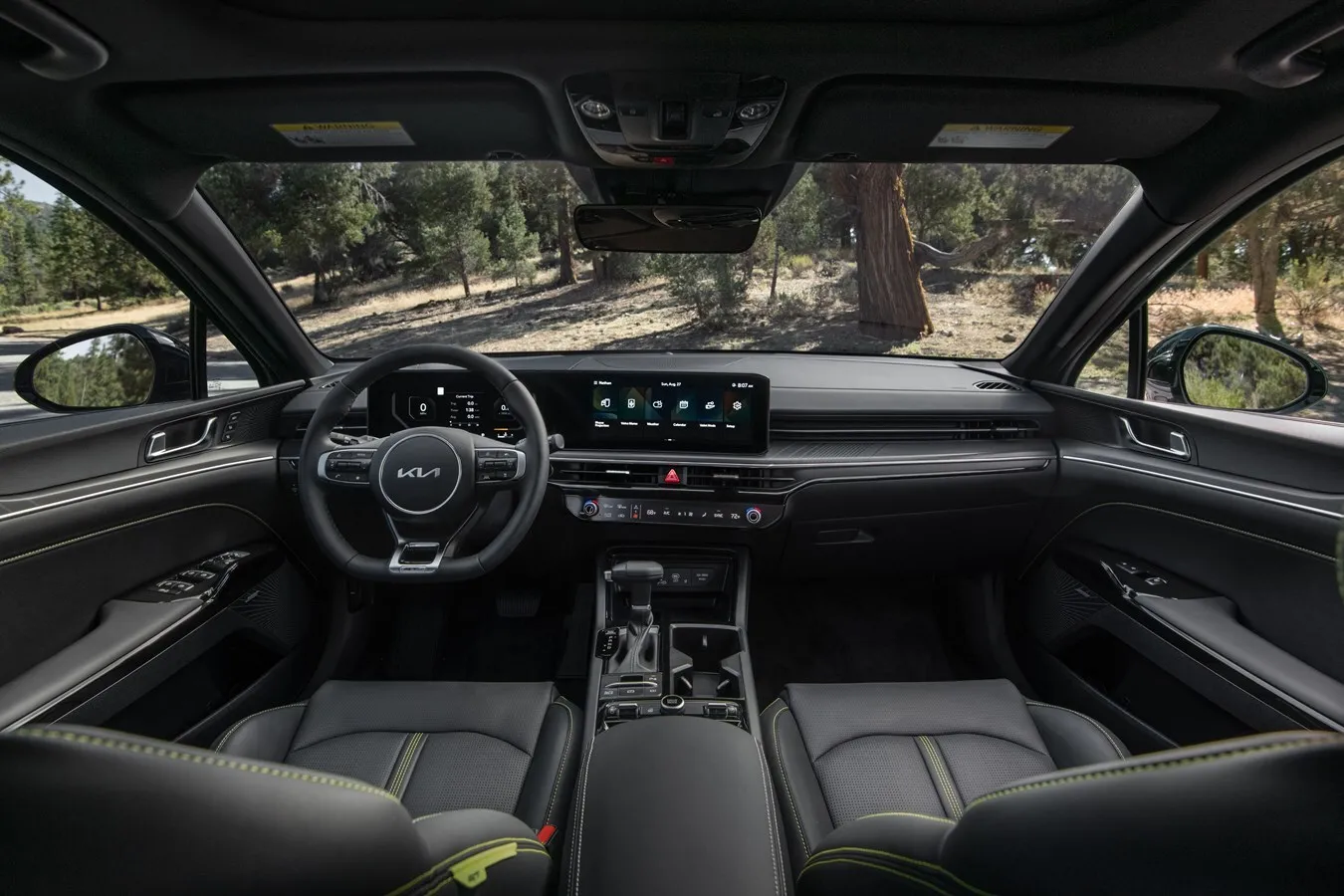

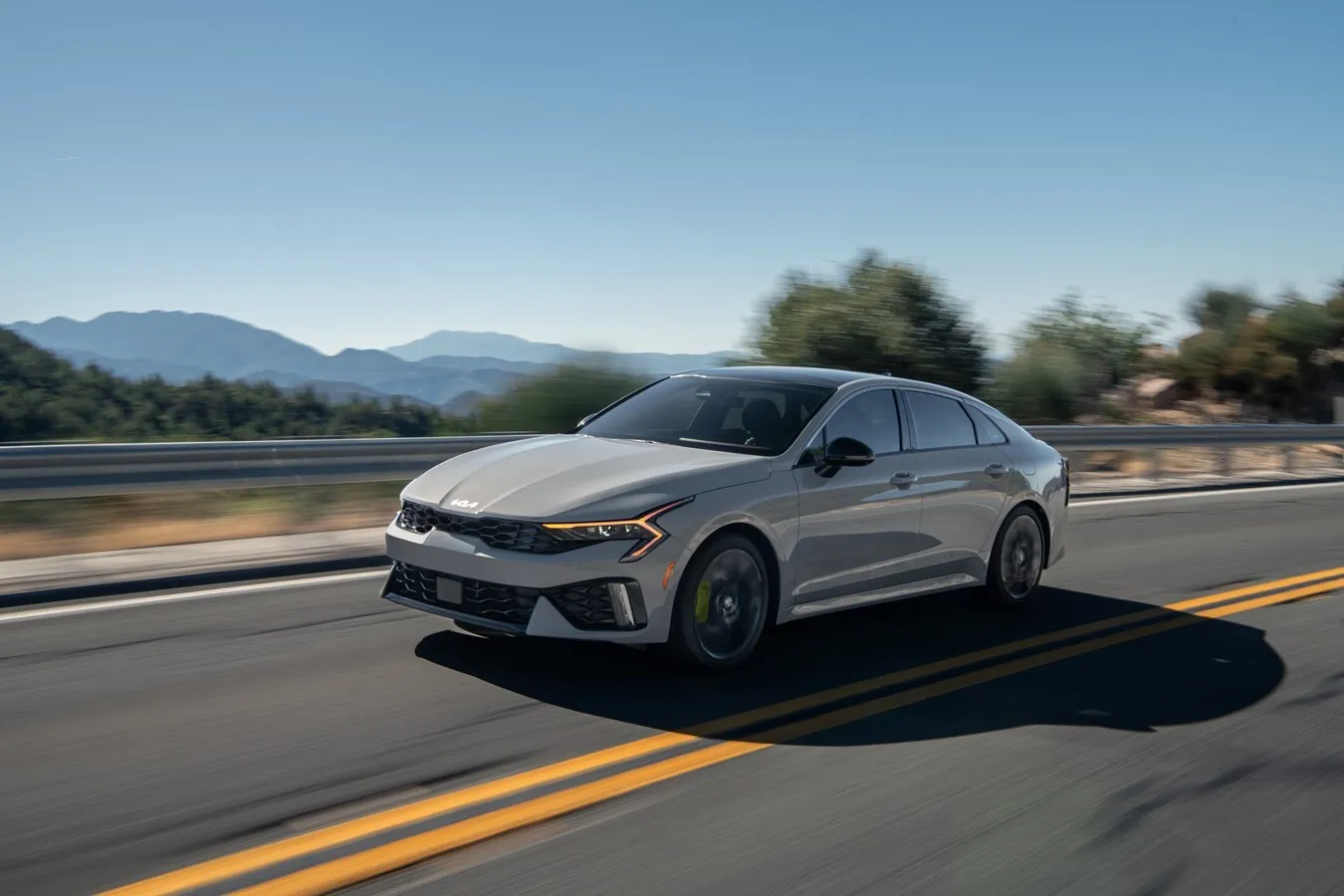
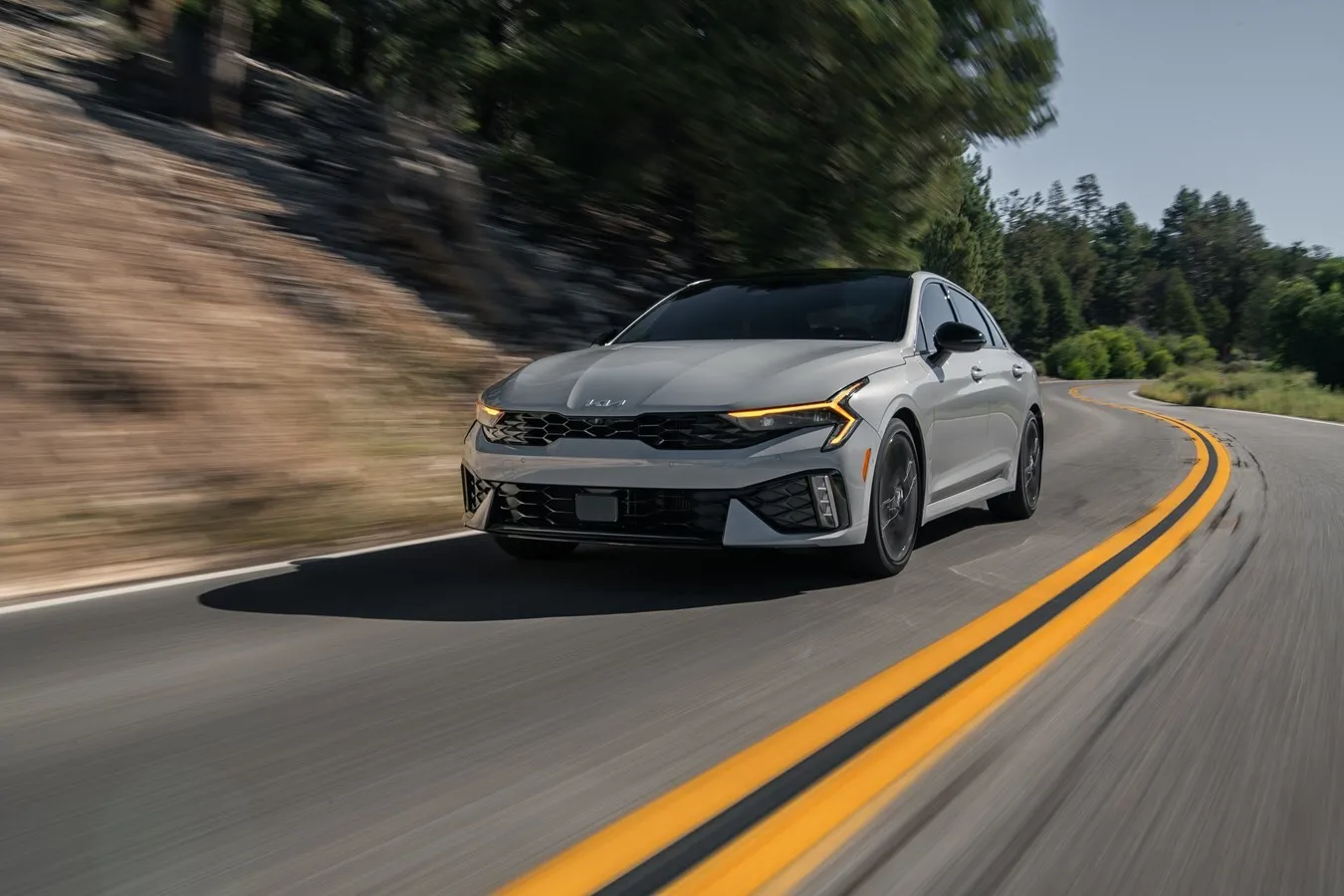
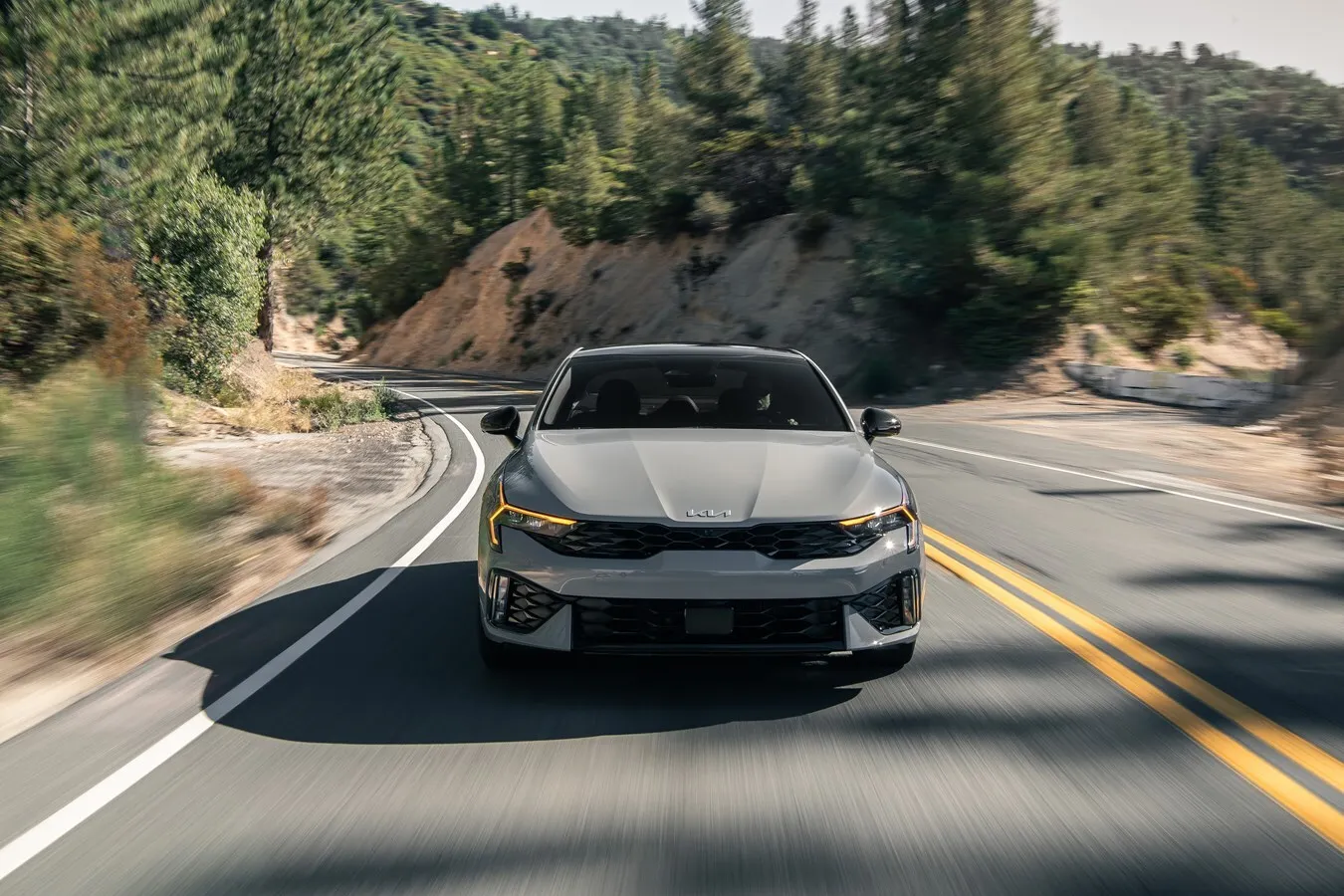

The current-generation 2026 Kia K5 sedan.
Underneath, the K5 is expected to use the existing DL3 architecture rather than an all-new platform. Improvements will include revised suspension and steering tuning, as well as structural upgrades for crashworthiness.
Related: Kia Is Killing Its Flagship Luxury Sedan After Sales Cratered 87%
Reports indicate it will offer Hyundai Motor Group’s latest TMED-II hybrid technology, featuring a 1.6-litre turbocharged four-cylinder engine producing around 240 horsepower and 280 lb-ft (380 Nm) of torque. Power will be sent to the front wheels via a 6-speed transmission, with e-AWD an option.
Conventional gasoline engines should remain available in select markets, while North America will likely retain the 290-hp 2.5-litre in all-wheel-drive GT models.
Rivals And Reveal
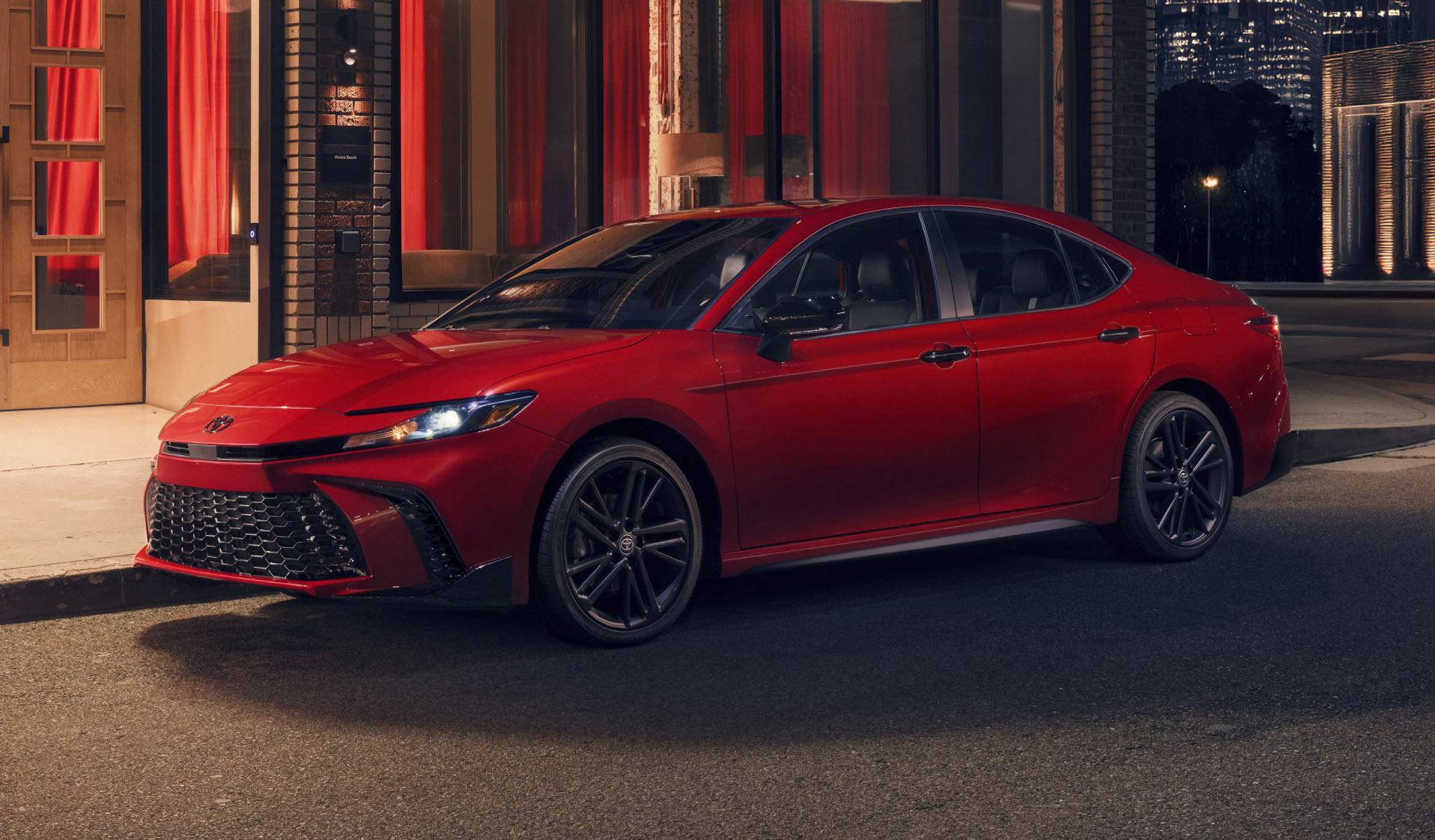
The K5 will continue to fight it out against the Honda Accord, Toyota Camry and Hyundai Sonata. In global markets, alternatives include the Skoda Superb, Volkswagen Passat, Mazda 6e, Ford Mondeo (in the Chinese domestic market), and the BYD Seal.
An official debut is earmarked for later this year, or early 2027 at the latest, and will mark the final iteration of the current K5.
Do you prefer the K5’s new look over the old one? Let us know in the comments below.