- Santana Motors is back from the dead after nearly 15 years.
- The brand resumed production in Spain with a Chinese pickup.
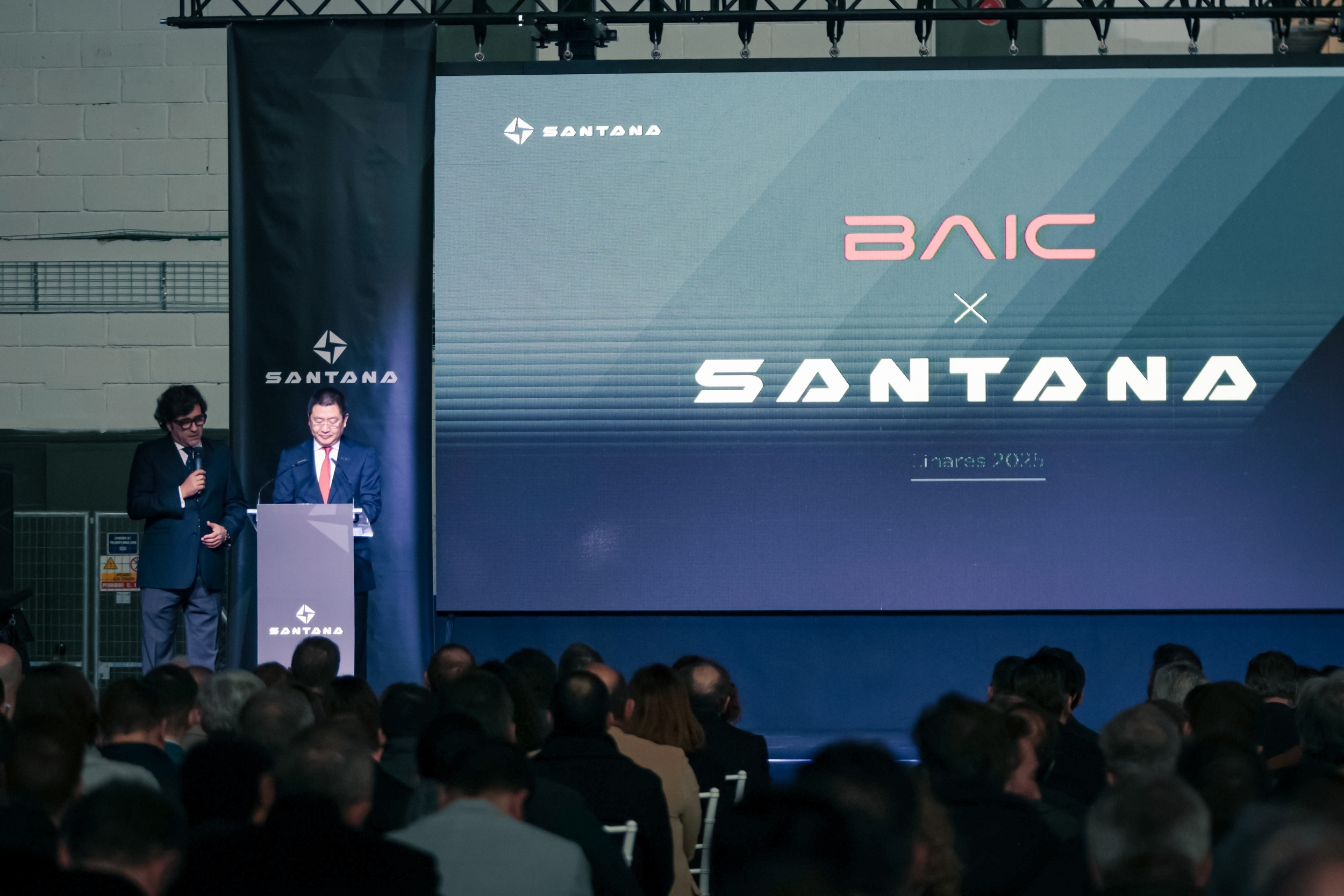
- The company also announced a new deal with China’s BAIC.
Santana Motors probably doesn’t ring a bell, but the Spanish company was founded in the 1950’s and started producing Land Rovers under license in 1958. These vehicles would eventually be exported across Europe, Africa, and South America.
The company began making its own models in 1980 and teamed up with Suzuki five years later. This saw them produce the SJ and other vehicles under the Santana brand.
In the mid-90’s and early-2000’s, the automaker ran into financial difficulties and was taken over as part of an attempt to save it. This ultimately failed and production seized in 2011.
Back From The Dead



Santana is now back as vehicle production has resumed in Linares. The plant builds the new 400D and 400 PHEV pickups, which are rebadged versions of the Dongfeng / Zhengzhou Nissan Z9.
While they won’t win any points for originality, the 400D has a 2.3-liter diesel engine that develops 188 hp (140 kW / 190 PS) and up to 369 lb-ft (500 Nm) of torque. It can be paired to either a six-speed manual or an optional eight-speed automatic.
Both are said to accelerate from 0-62 mph (0-100 km/h) in 9.1 seconds, before hitting a top speed of 106 mph (170 km/h). The trucks can tow up to 7,055 lbs (3,200 kg) and carry 1,797 lbs (815 kg) of goods.
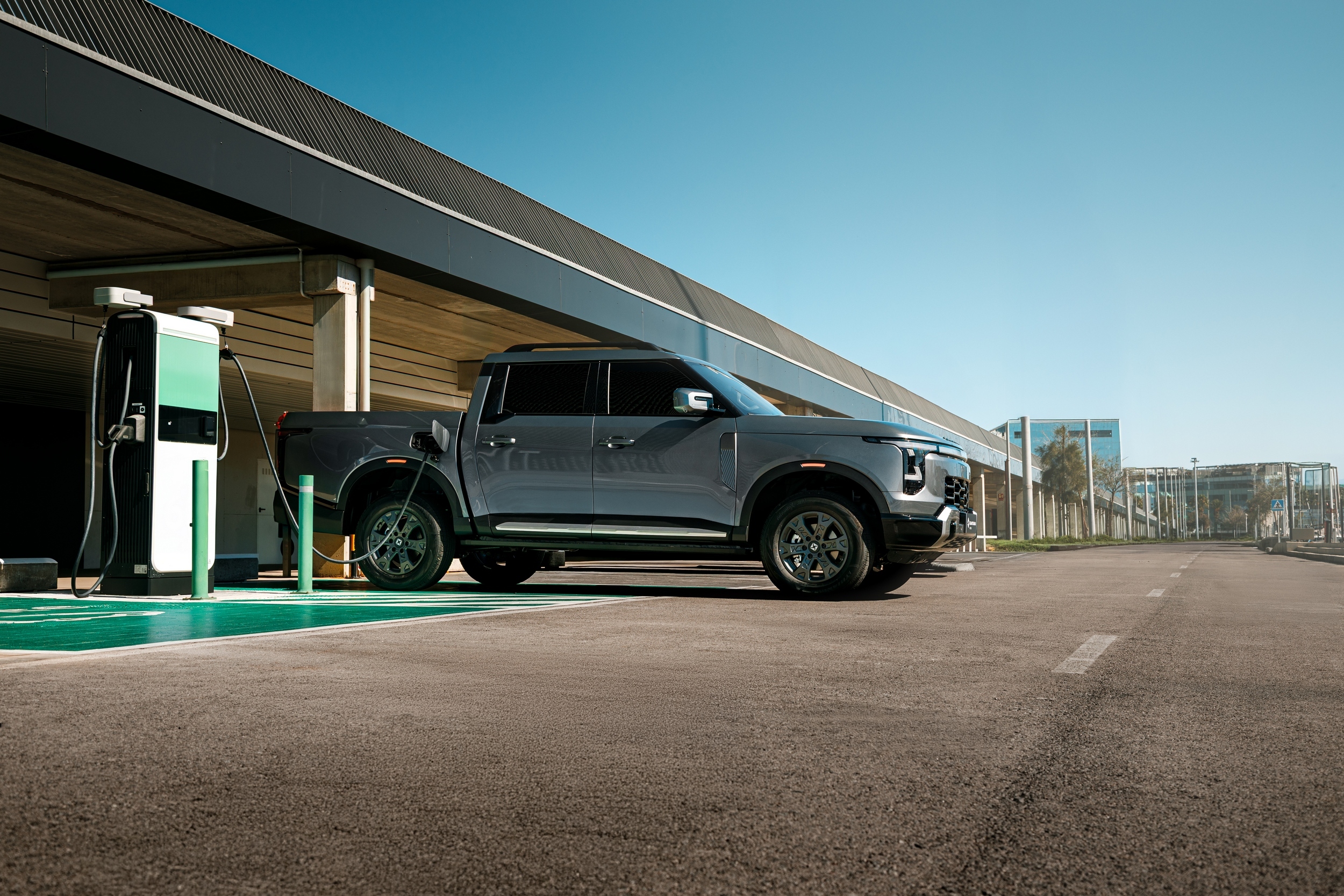
The 400 PHEV has a plug-in hybrid powertrain that consists of a 1.5-liter engine, an electric motor, and a 32 kWh battery pack. This gives the pickup a combined output of 422 hp (315 kW / 429 PS) and 590 lb-ft (800 Nm) of torque.
Thanks to the extra oomph, 62 mph (100 km/h) comes in 6.5 seconds while the top speed remains unchanged. Drivers can also expect to travel 75 miles (120 km) on electricity alone as well as 650 miles (1,046 km) overall.
Competitively Priced And Well-Equipped

Putting powertrains aside, the plug-in hybrid comes nicely equipped with four-wheel drive as well as side steps and a 6 kW power supply. Buyers will also find LED headlights and a sunroof.
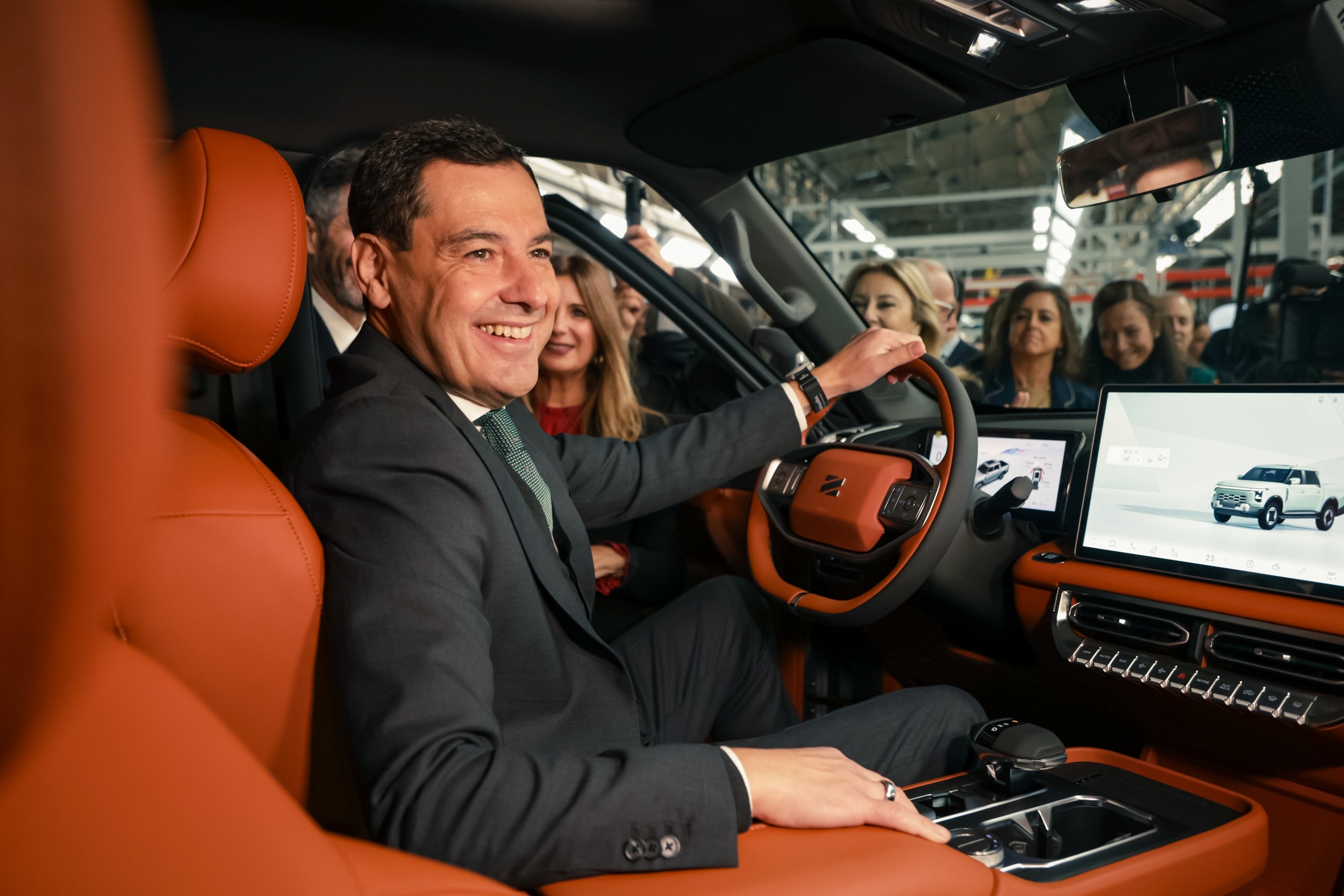
Moving inside, drivers are greeted by a 10-inch digital instrument cluster and a 14.6-inch infotainment system. The model also has heated and ventilated faux leather seats, a dual-zone climate control system, a six-speaker audio system, and a 50 watt wireless smartphone charger.
An assortment of driver assistance systems come standard including adaptive cruise control, automatic emergency braking, traffic jam assist, lane keeping assist, and traffic sign recognition. The S variant adds highway assist, front/rear cross-traffic alert/braking, blind spot detection, and lane change assist – among others.
Pricing starts at €29,900 ($35,118) for the plug-in hybrid and €44,700 ($52,501) for the diesel. To put those numbers into perspective, the Spanish Ford Ranger Double Cab begins at €31,050 ($36,473).
A Partnership With BAIC

Besides announcing the start of production and handing over the first vehicle to the Linares Chamber of Commerce, Santana announced a strategic agreement with BAIC. Under the terms of the deal, the company will receive semi-knocked-down kits of BAIC vehicles, which will then be fully assembled in Spain.
Santana didn’t go into many specifics, but said we can expect a “complete range of passenger off-road vehicles” that will complement the existing pickups. These models will be introduced progressively between 2026 and 2028.
While these vehicles will apparently be rebadged versions of existing products, the agreement also calls for the joint development of new models based on BAIC platforms. These future vehicles will have unique styling and a Santana identity.