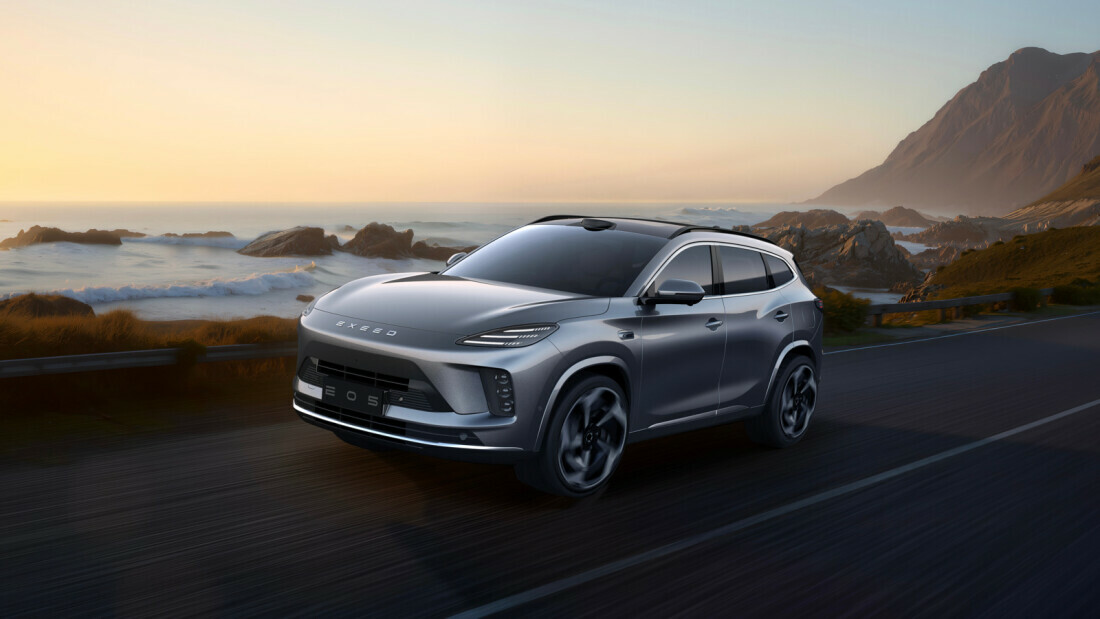
- Chinese vehicle sales in Europe to exceed 700,000 this year.
- Many Chinese brands are pivoting to hybrid and ICE models.
- EU tariffs hit EVs harder, creating a big policy loophole.
The European Union’s tariffs on Chinese-made electric vehicles were meant to shield domestic carmakers and push Chinese brands to establish local production. Instead, the strategy appears to be faltering. The hoped-for shift in manufacturing hasn’t materialized at scale, and Chinese car sales across Europe are climbing rather than stalling.
Read: Europe’s Tariffs Backfire As Chinese Carmakers Exploit A Hidden Loophole
This year, sales of Chinese-made cars across the EU, UK, and EFTA are expected to exceed 700,000. This is up significantly from the 408,000 that were sold in 2024.
The surge comes despite the fact that additional tariffs of up to 35 percent, on top of the existing 10 percent import duty, were instated in November of last year.
The Hybrid Workaround
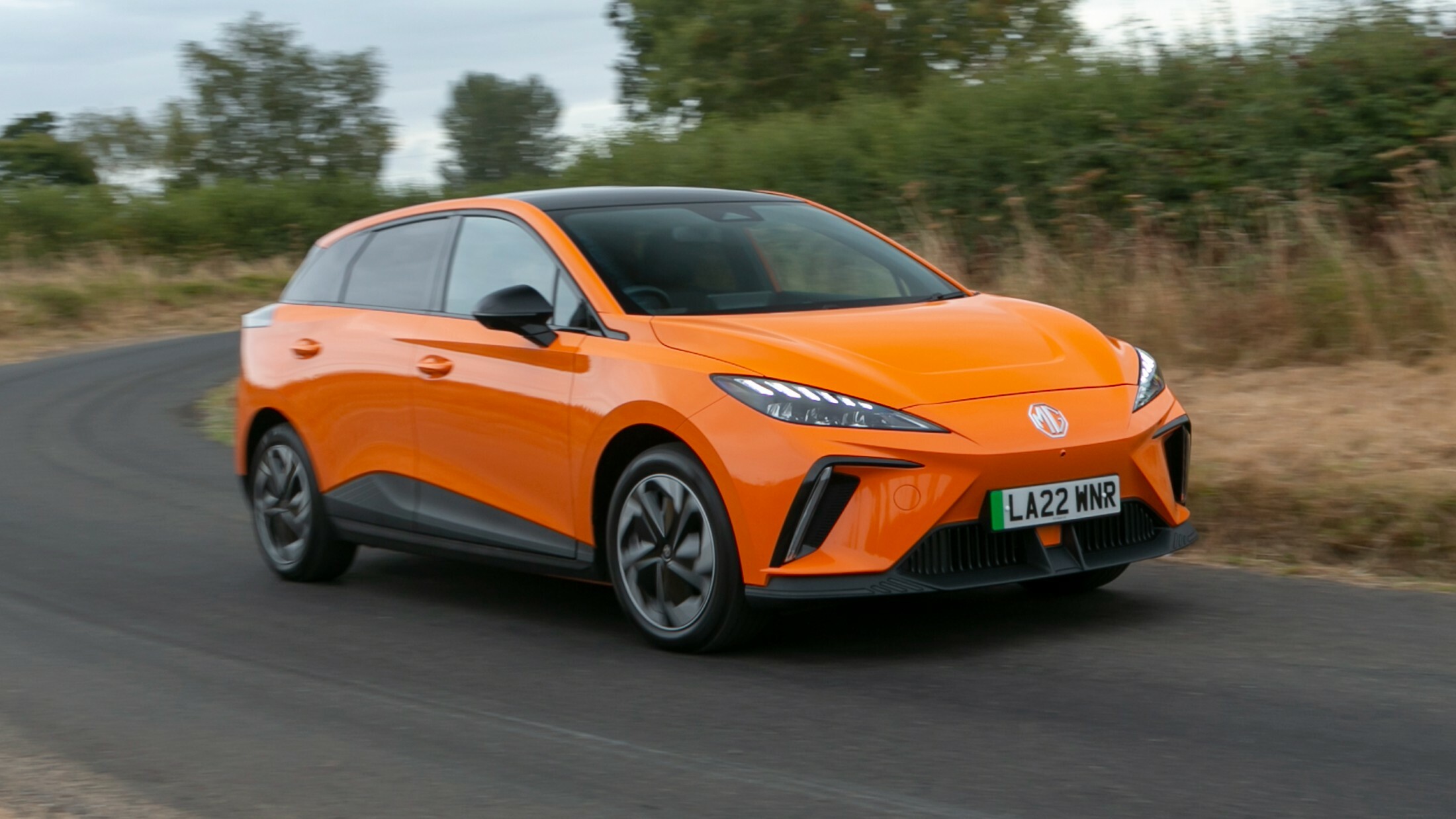
Rather than dampen demand, the tariffs have simply redirected it. While the added fees specifically target EVs and extended-range electric vehicles, hybrid and internal combustion engine (ICE) models remain subject only to the base 10 percent tariff.
Predictably, Chinese brands have leaned into that category, shifting their European strategy toward models that sidestep the higher costs.
Thanks to significantly lower production costs, up to 30 percent cheaper than in Europe, it doesn’t make financial sense for these brands to relocate production just to serve a tariff-guarded market. Instead, they’re exploiting the gap.
“The EU decision left a big hole open for full hybrids and even hybrids coming from China,” Jeffries managing director Philippe Houchois told Auto News. So far this year, around two-thirds of the Chinese vehicles imported into Europe have only been subject to the standard 10 percent duty.
Whereas EVs accounted for 44 percent of Chinese car sales in Europe from January-October 2024, this share has dropped to 34 percent in 2025.
“The European Union decision to target a specific technology in imposing extra tariffs for Chinese automakers was ill-fated,” Houchois explained.
Chinese EVs Being Built in Europe
Local manufacturing remains rare. Fewer than 20,000 Chinese-brand vehicles are expected to be assembled in Europe this year. BYD plans to change that with a new plant in Hungary capable of producing up to 150,000 units annually, but so far, it’s the exception rather than the rule.
For now, there’s little indication that most other Chinese automakers are eager to follow. While many have floated plans for European production, the numbers remain theoretical.
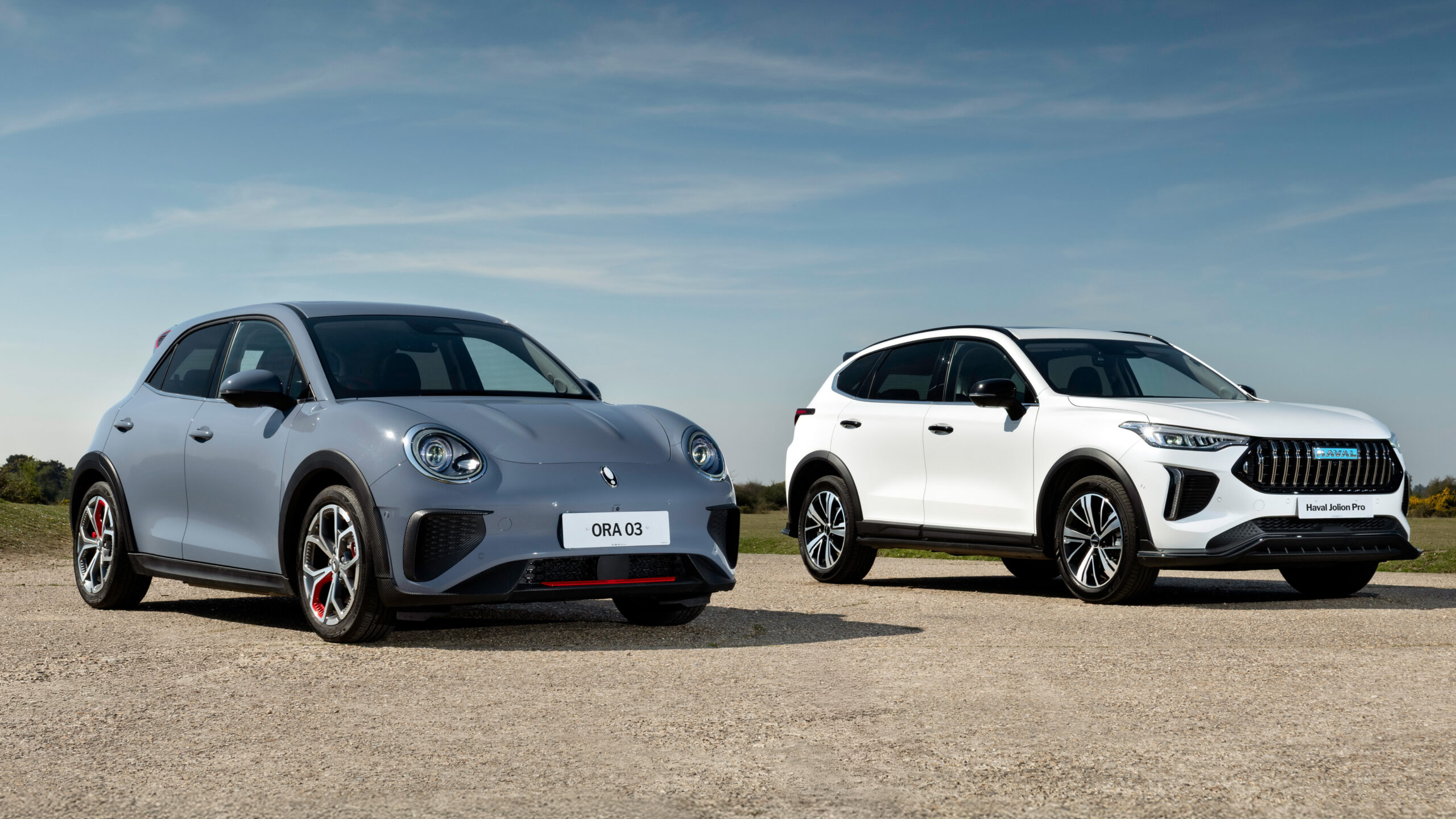
That said, several Chinese OEMs have signaled plans to begin manufacturing in Europe. Leapmotor, for instance, is preparing to build the B10 in Spain, while GWM has outlined ambitions to produce up to 300,000 vehicles in the region by 2029.
Dongfeng and Hongqi have also indicated they’re evaluating European sites. Meanwhile, Chery, Xpeng, and GAC already assemble a limited number of vehicles locally.