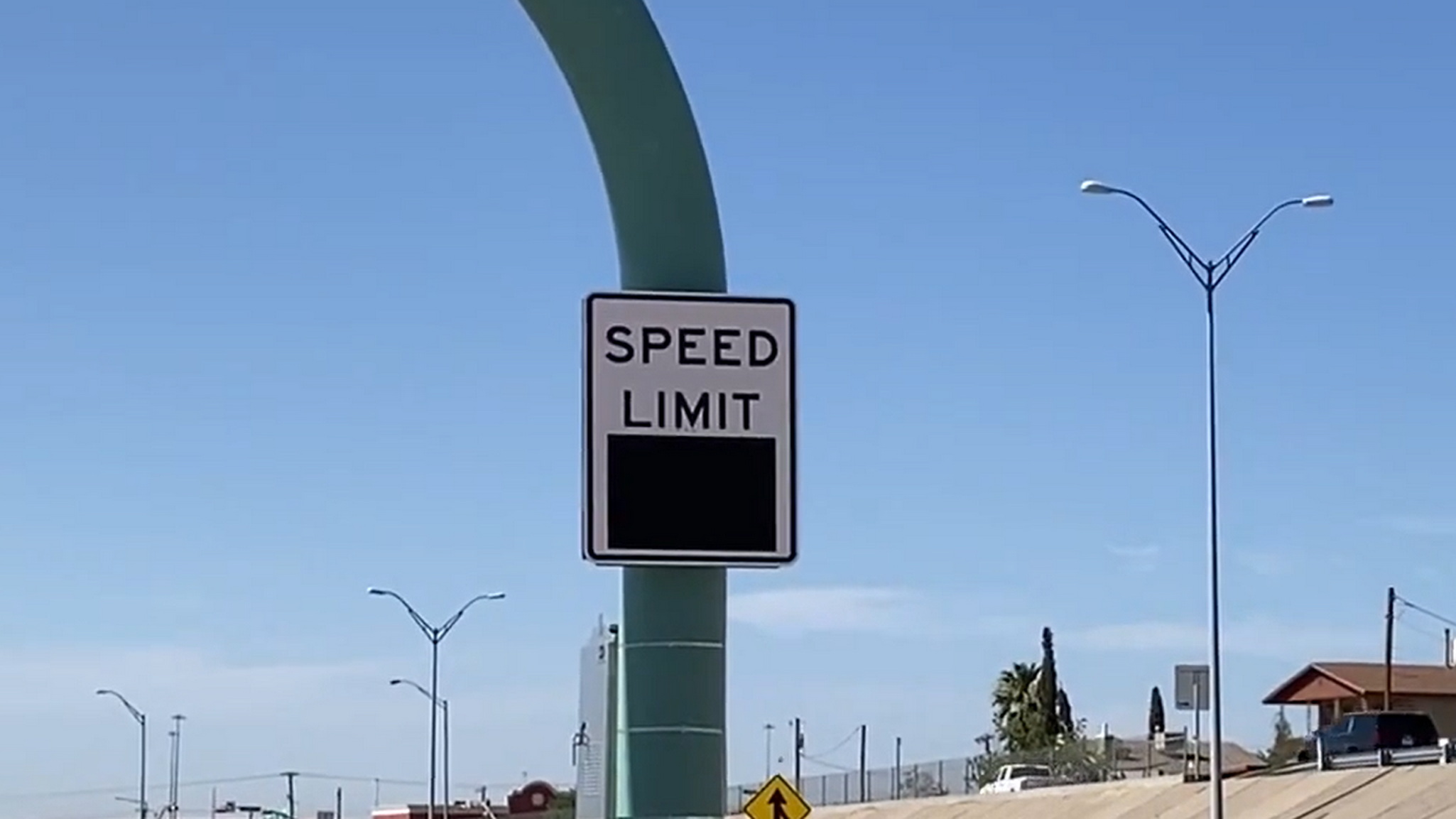


- Texas is adding variable speed limits for weather and traffic.
- New digital signs can lower highway speeds by up to 10 mph.
- Real-time speed limits expand after 2021’s deadly pileup.
Speed limits across Texas roads are about to get smarter. In an effort to make highways safer and more responsive to real-time conditions, state officials are beginning a wider rollout of variable speed limits. The shift comes after a deadly crash in 2021 raised urgent questions about how fixed speed limits perform under extreme weather and other unpredictable hazards.
More: Going Just 1 MPH Under Speed Limit Could Eventually Land You In Jail In Louisiana
The idea isn’t new, but it’s only recently been legalized in Texas. Two years ago, lawmakers approved the use of variable speed signs, which allow posted limits to change based on road conditions. A pilot program followed, and now, drivers across the state will start seeing the digital signs appear more frequently.
The Crash That Changed Everything
The turning point was a multi-car pileup on I-35W during an intense winter storm. While temperatures had been below freezing for over 36 hours, speed limits technically remained at 75 mph in toll lanes and 65 mph otherwise.
Drivers didn’t exercise enough caution, which led to a 133-car pile-up and six deaths. It was a major turning point that led to the 2023 legislation to authorize the use of variable speed limits.

State Representative Terry Canales, who authored the bill, has said the ability to dynamically lower speeds could have altered the outcome. “If we’re not able to alter or modify the speed limit to reflect the current conditions, safety is in jeopardy,” he told the Texas Tribune. Now, the government is rolling out the variable signs across the state.
Where the New Signs Will Appear
The Texas Department of Transportation (TxDOT) now has the authority to temporarily reduce speed limits when conditions call for it. That includes weather, heavy traffic, road construction, or essentially any factor that affects safe travel. Still, there’s a limit to how much the limit can drop. Speed reductions are capped at 10 mph, meaning a 70 mph highway can only be dropped to 60 mph, not slammed down to a crawl.
Also: This State Wants To Abolish Speed Limits On Select Highways
According to reporting by Chron, they’ll pop up first on highways already connected to its Intelligent Transportation System, which uses cameras and sensors to monitor conditions. That allows the agency to verify hazards, log when speed changes occur, and return limits to normal once conditions improve.
For drivers, the important thing is just to follow whatever the sign says as they pass it. The speed limit is whatever number is currently lit up, so as much as this sounds like the perfect speed trap, it doesn’t appear to be that at all. If the speed limit changes, it’s enforceable only when displayed on a digital sign, overhead gantry, or electronic message board.