











- Some GR GT interior bits resemble parts from the Lexus IS.
- Shared vents and trim suggest clever parts-bin engineering.
- Premium cars have long borrowed mainstream components.
Toyota recently pulled the wraps off the GR GT supercar, a flagship performance machine meant to crown the brand’s global lineup. The exterior is predictably dramatic, all attitude and airflow, but it’s the interior that caught our attention.
Look closely at the official photos and you might notice something oddly familiar. Some of the design appears to be shared with a nearly 13-year-old Lexus that also happens to be the cheapest sedan in the company’s catalog. Not exactly the pedigree you expect in a halo car.
More: These Future Supercars From Toyota And Lexus Share DNA But Not A Soul
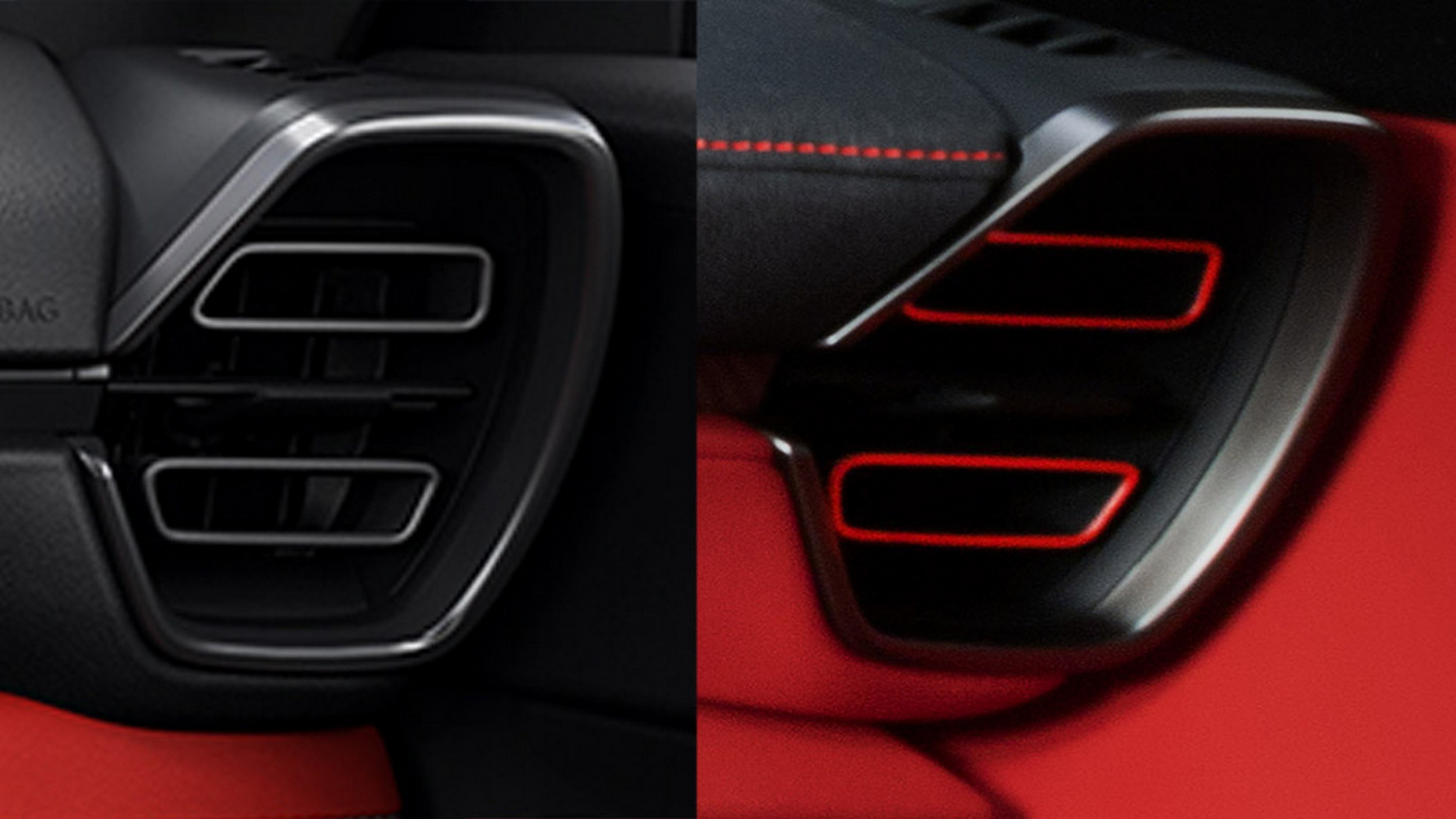
We’re talking about the IS sedan, and the connection isn’t exactly a stretch. One of the first things that stands out is the upholstery, finished in a shade that looks remarkably close to Lexus’ Radiant Red.
That’s not to say the GR GT lacks its own flair, as there’s suede across the upper dashboard and carbon fiber trim dotted throughout, but the air vents in particular seem to be lifted directly from the Lexus IS.
Shared Origins or Just Similar Styling?
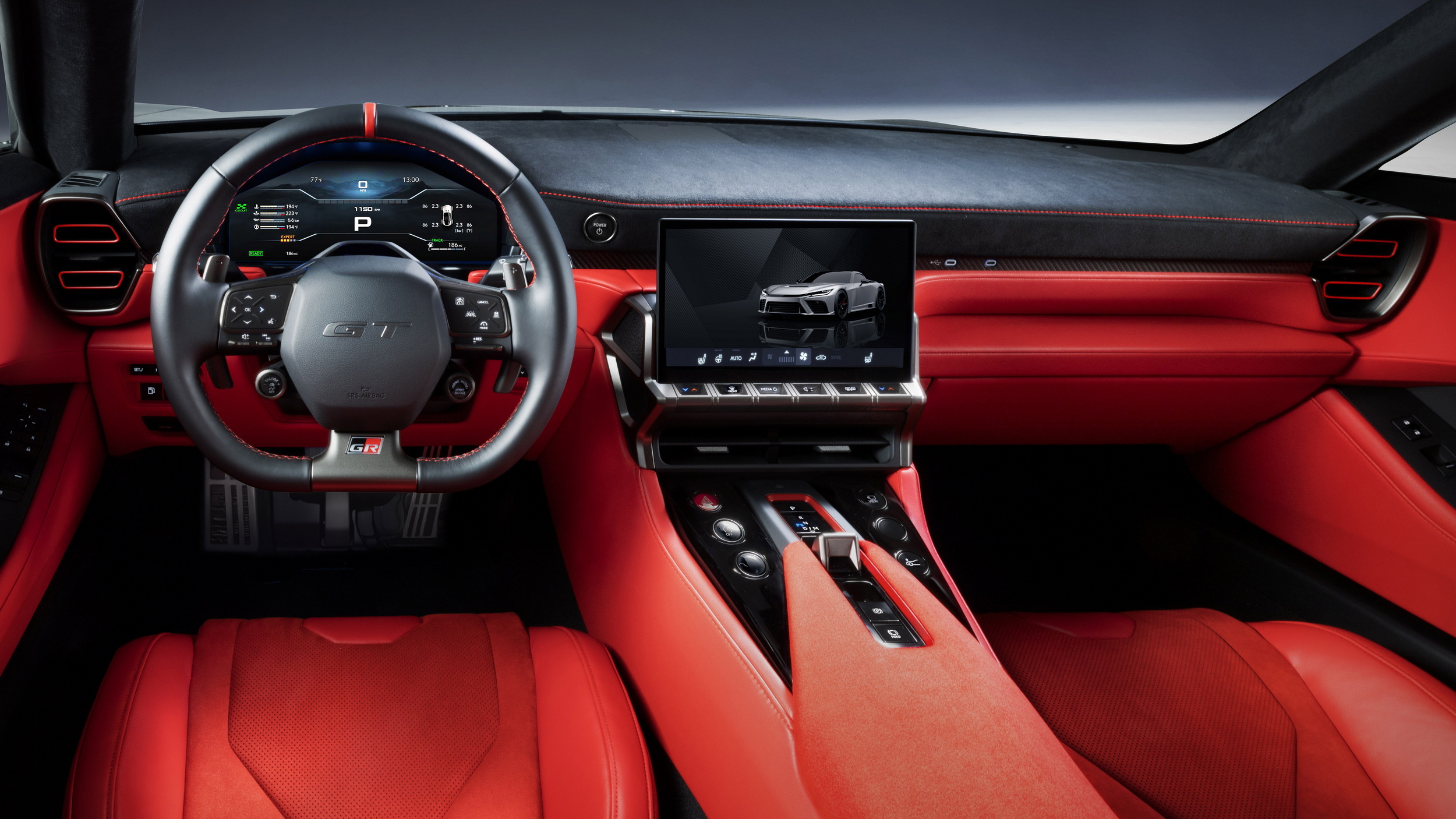
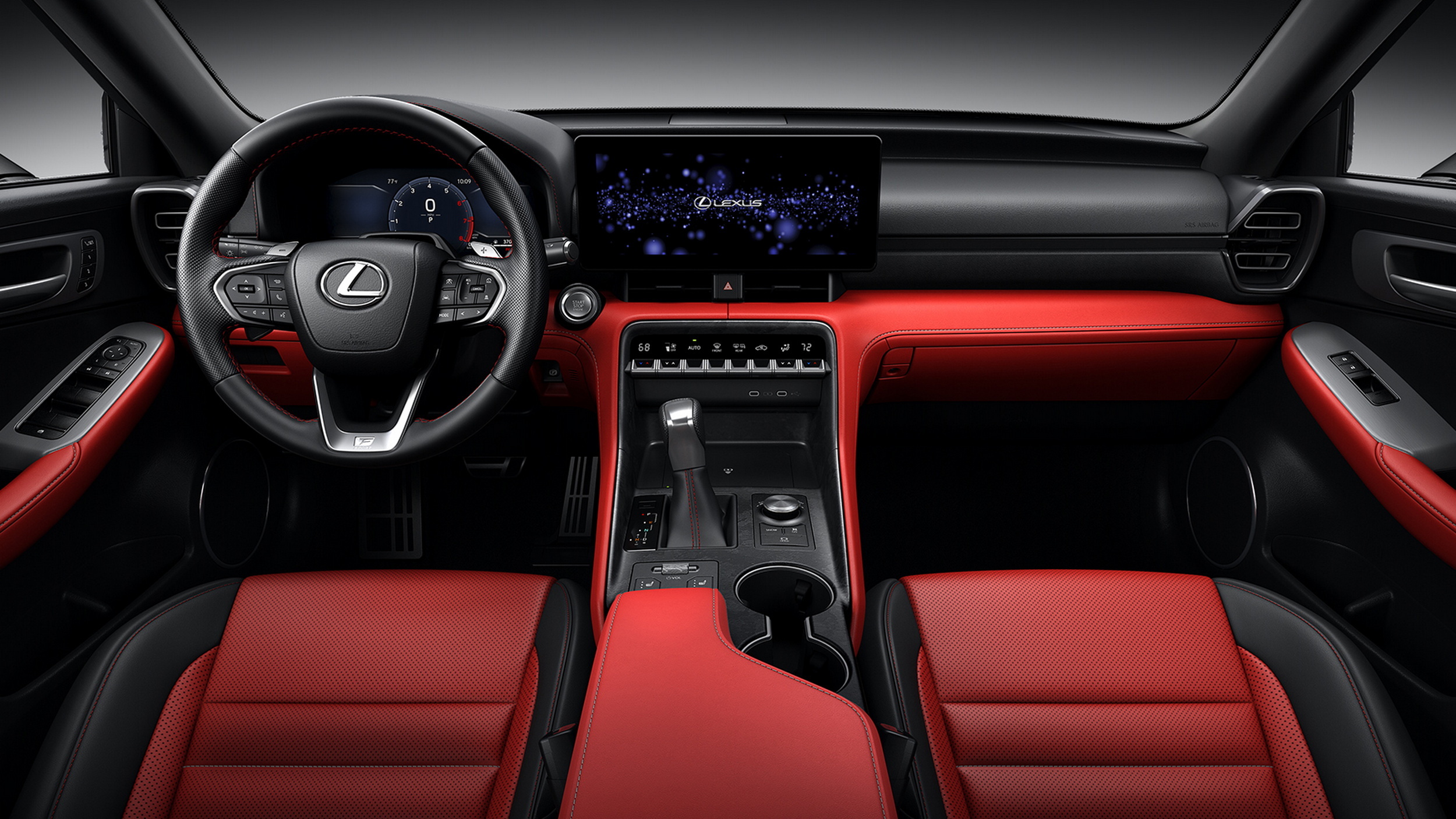
The third generation of the the IS has been around since 2013, receiving a mild refresh in 2017, a more substantial facelift in 2020, and another update in 2025. The last one brought a sharper nose and a revised interior, featuring the aforementioned sci-fi-inspired climate vents.
More: Toyota GR GT Looks Like A Batmobile And Hits Like A Supercar
The IS itself has had a long run. Now in its third generation, it originally debuted in 2013 and has since seen three major updates: a mild one in 2017, a significant facelift in 2020, and another round of tweaks in 2025.
That last revision brought a more aggressive front end and an interior refresh, including those same sci-fi-style climate vents that now appear in the GR GT.
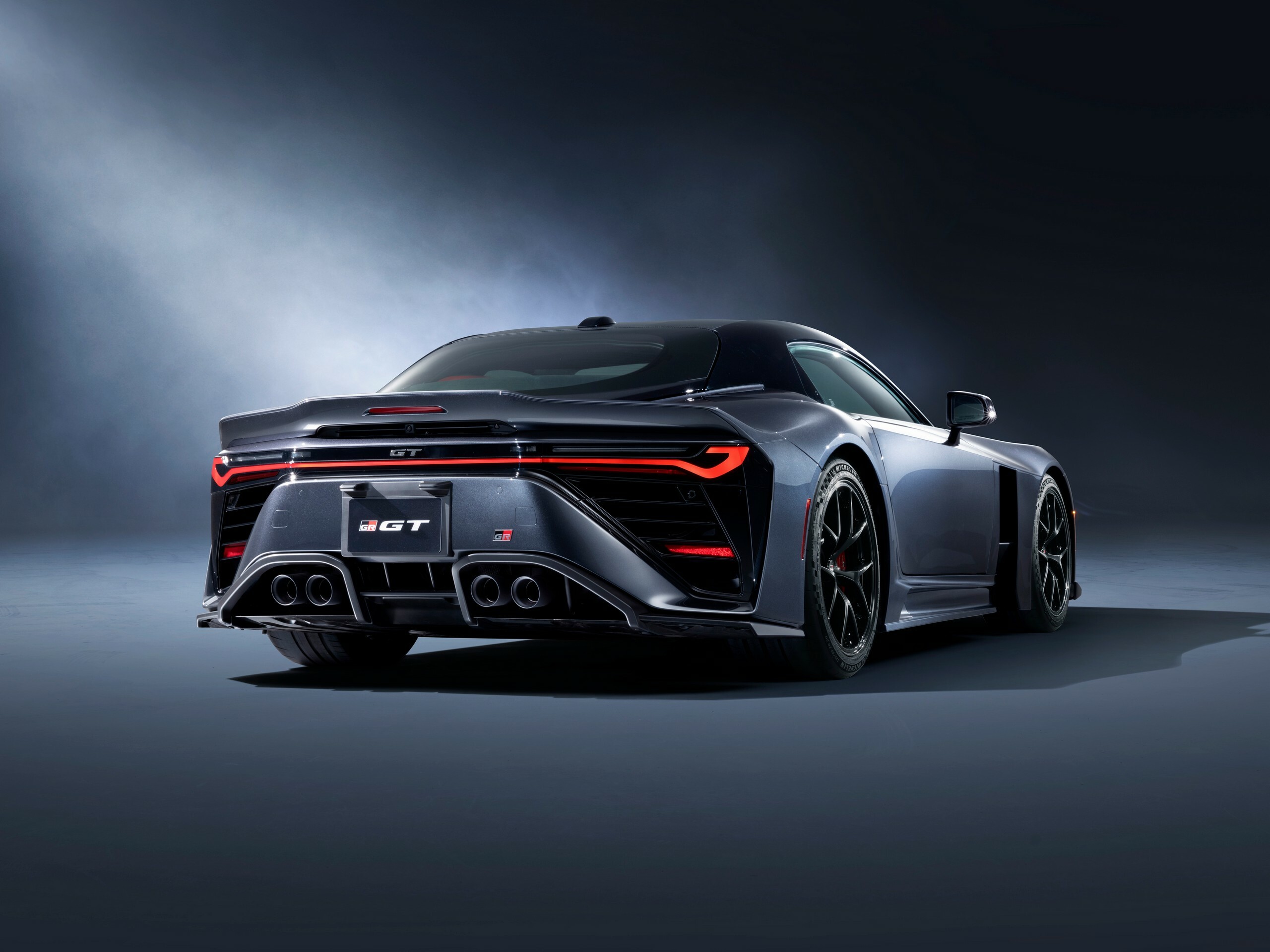
Given the timing, there’s a case to be made that these components were actually developed with the GR GT in mind. If so, Toyota may have simply repurposed them to inject some new life into the aging IS, rather than the other way around. But that’s just speculation.
Japanese media Creative Trend has also pointed out that the aircraft-inspired toggle switches on the center console bear a resemblance to those in the Lexus. But while they might share a general shape and finish, the GR GT’s six switches are boxier and wider, compared to the eight found in the IS.
Also: Ferrari Rolls Out Retrofit Physical Buttons For Owners Fed Up With Touch Controls
One thing that does look nearly identical is the placement and styling of the window and mirror switches, which seem to be borrowed directly from Toyota’s broader parts catalog. Then again, that kind of parts recycling is hardly breaking news in the car world.
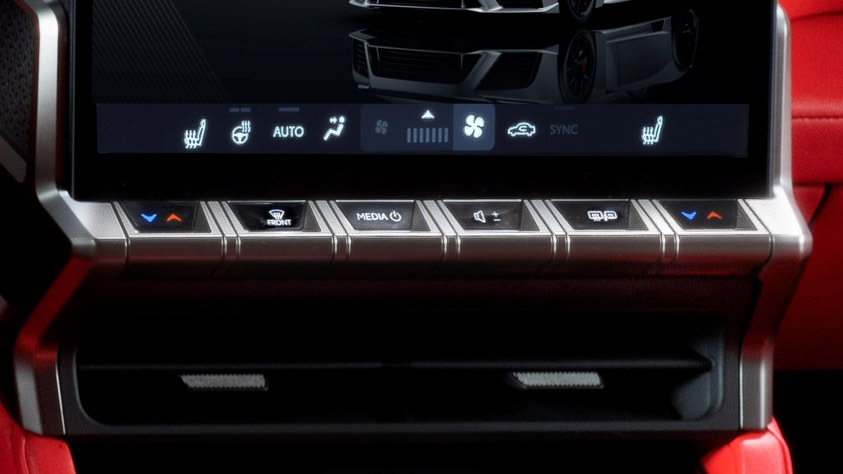
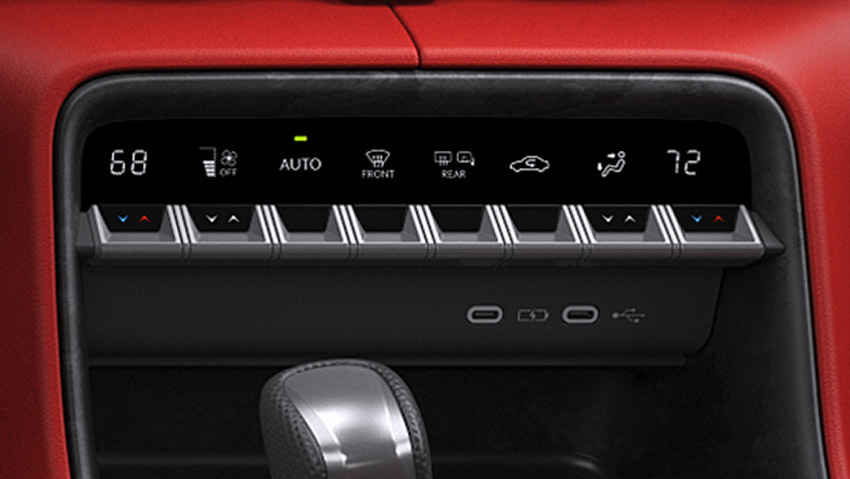
Beyond that, the GR GT appears to feature its own set of buttons, steering wheel dials, and paddle shifters. The gear selector on the center console is also unique, and even though it shares some DNA with the current Toyota RAV4’s design, it’s much sharper in execution.
Still, it wouldn’t be a shock if elements from the GR GT eventually made their way into upcoming Gazoo Racing models like the revived Celica or MR2. As for digital features like the instrument cluster or infotainment display, those are easily re-skinned with different graphics, making platform sharing even more seamless.
The Old Game of Shared Parts
Of course, this kind of component overlap is nothing new. High-end and limited-production vehicles have long dipped into the corporate parts bin, even as modern manufacturing techniques like 3D printing have allowed for greater differentiation at a much lower cost.
More: Bentley’s New Urban SUV Copies A Controversial Feature From Audi’s Q3
Examples are easy to find. Audi switchgear in Lamborghinis is now standard fare within the VW Group, and Maserati has made use of parts sourced from Chrysler and Dodge, both also under the Stellantis umbrella.

Go back far enough, and the list gets even more eclectic. The Lamborghini Diablo famously wore Nissan headlights, the Jaguar XJ220 made do with taillights from a Rover 200 and mirrors from a Citroen CX, and the McLaren F1 borrowed its taillights from a bus and its mirrors from a Volkswagen. The Aston Martin DB7? Mazda 323F taillights.
Toyota GR GT Prototype



Lexus IS


