











- Canada’s new deal allows 49,000 Chinese EVs at lower tariffs.
- Reduced rate drops from 100 percent to just 6.1 percent.
- GM’s Mary Barra says the move threatens U.S. auto interests.
Not long after Ontario Premier Doug Ford and Unifor union leader Lana Payne voiced their concerns over Canada’s recent trade agreement with China, GM CEO Mary Barra weighed in as well. Given what’s at stake, especially the potential arrival of low-cost Chinese EVs in North America, her stance was as expected.
Read: China Is Ready To Start Building Cars In Canada
Barra made it clear she sees the deal as working against efforts to bolster a strong North American manufacturing base. The underlying concern is one of both economic and strategic security.
The Cost of Letting the Door Open
Speaking to GM employees earlier this week, she addressed the issue head-on. “I can’t explain why the decision was made in Canada,” she said, pointing to what she sees as a risky path forward. “It becomes a very slippery slope,” she added, alluding to the competitive threat posed by Chinese brands, especially in a market long dominated by North American and legacy Asian manufacturers.
According to The Wall Street Journal, Barra also underscored the structural advantages Chinese automakers enjoy. She cited China’s steep tariffs on imported cars and strict tech transfer rules as key reasons domestic companies have flourished while foreign competitors struggle to gain ground.
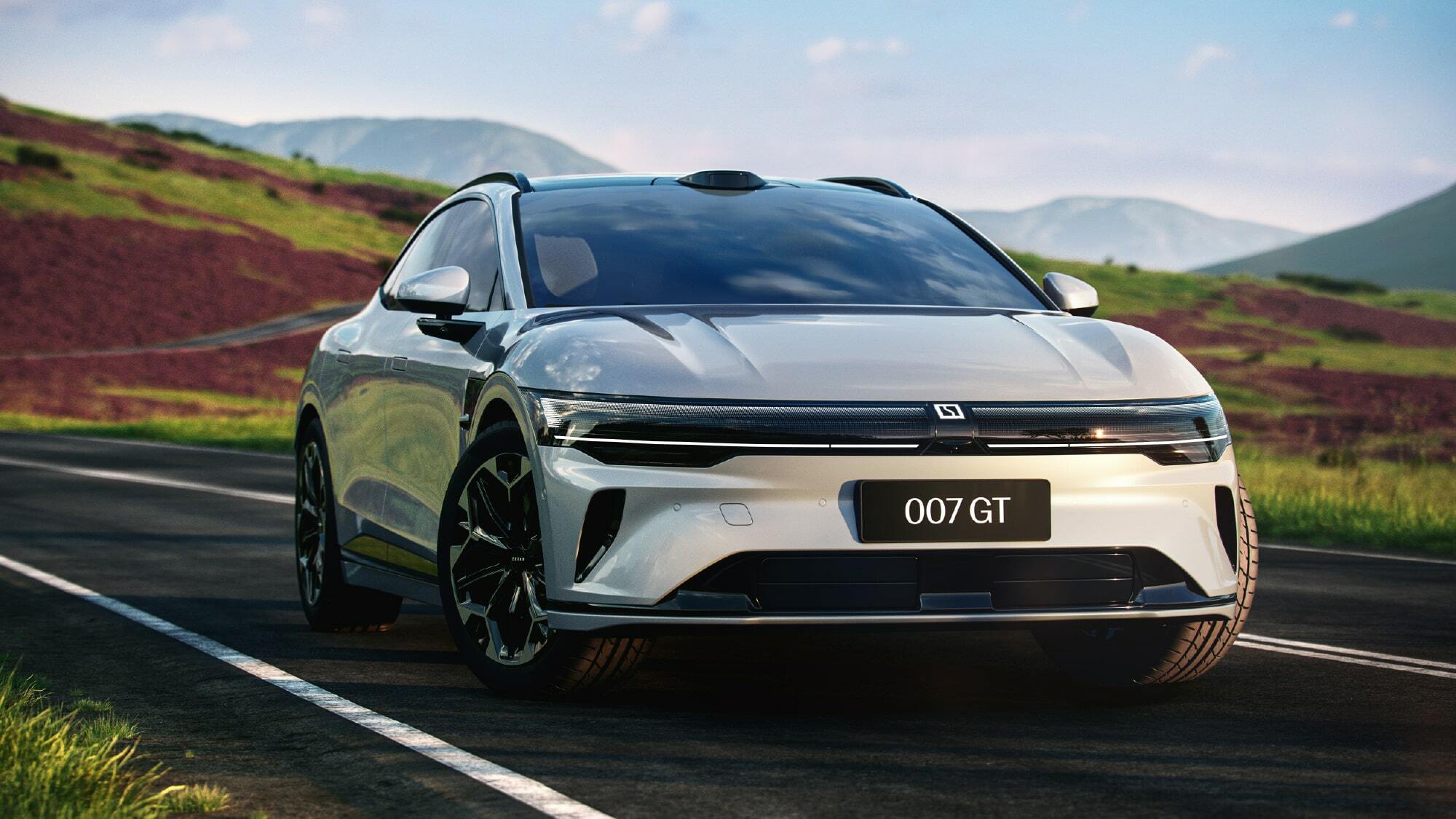
Under the new deal, Canada will allow up to 49,000 Chinese electric vehicles to enter the country annually at a significantly reduced import tariff of 6.1 percent, down from a punitive 100 percent. The lower rate is part of a preliminary agreement between the two nations and marks a substantial shift in trade policy.
The office of Canadian Prime Minister Mark Carney has been keen to point out that these 49,000 Chinese EVs account for less than 3 percent of new car sales in Canada.
Incentives Aim to Lure Chinese Carmakers
Additionally, the government expects the deal to convince Chinese car manufacturers to begin building vehicles locally. Canada will also reduce the time needed for new vehicle certifications.
While Canada has a deeply intertwined automotive supply chain with the United States, the trade deal clearly signals the country’s intention to diversify, somewhat pulling back from its relationship with the US amid the Trump administration’s often controversial rhetoric and trade policies.
