












- Canada will cut EV tariffs from 100 percent to 6.1 percent.
- China will slash canola duties from 84 percent to 15 percent.
- The trade deal aims to repair Canada–China relations.
Canada and China announced a major tariff shift today in Beijing, and while it’s sure to have some North American farmers whooping with joy, it might also result in the region’s auto workers punching walls in frustration.
In late 2024, Canada had imposed a 100 percent tariff on Chinese-made electric vehicles, following similar action by the United States. That effectively shut out Chinese EVs from the Canadian market and was meant to protect local industry. China retaliated with crushing tariffs on Canadian canola seed of 84 percent, which effectively bottlenecked an export industry worth billions of dollars.
Also: EU Could Scrap Chinese EV Tariffs, But Buyers Won’t Like What Comes Next
The new agreement reached by Canadian Prime Minister Mark Carney and Chinese President Xi Jinping rewrites that script. Canada will now allow up to 49,000 Chinese electric vehicles a year to be imported at a reduced tariff of around 6.1 percent, a massive drop from the previous 100 percent, and ease tariffs on steel and aluminium.
By the fifth year of the agreement, the EV import cap will rise to 70,000 units. “That’s a return to levels last seen in 2023, the last full year before the Canadian tariff actions,” Carney said.
Even so, the number remains relatively modest in the context of the overall market. Canadian consumers bought nearly 1.9 million vehicles last year, meaning Chinese EVs will still account for a small fraction, albeit a larger one when looking solely at electric vehicles. That said, we still don’t have the total EV sales figure for 2025.
Canola Tariffs Cut

China, for its part, will cut its canola seed duty to about 15 percent by March 1, significantly improving market access for Canadian farmers. The move is part of a broader effort to repair strained relations between the two nations and comes as the result of the first high-level visit by a Canadian prime minister to Beijing in nearly a decade.
But not everyone is thrilled. Some Canadian auto workers and industry observers worry that lower EV tariffs and an influx of affordable cars could increase competition in an already challenging market. And ahead of the final meeting Ontario Premier Doug Ford made clear he was against the lifting of tariffs.
Jobs Created, Not Lost
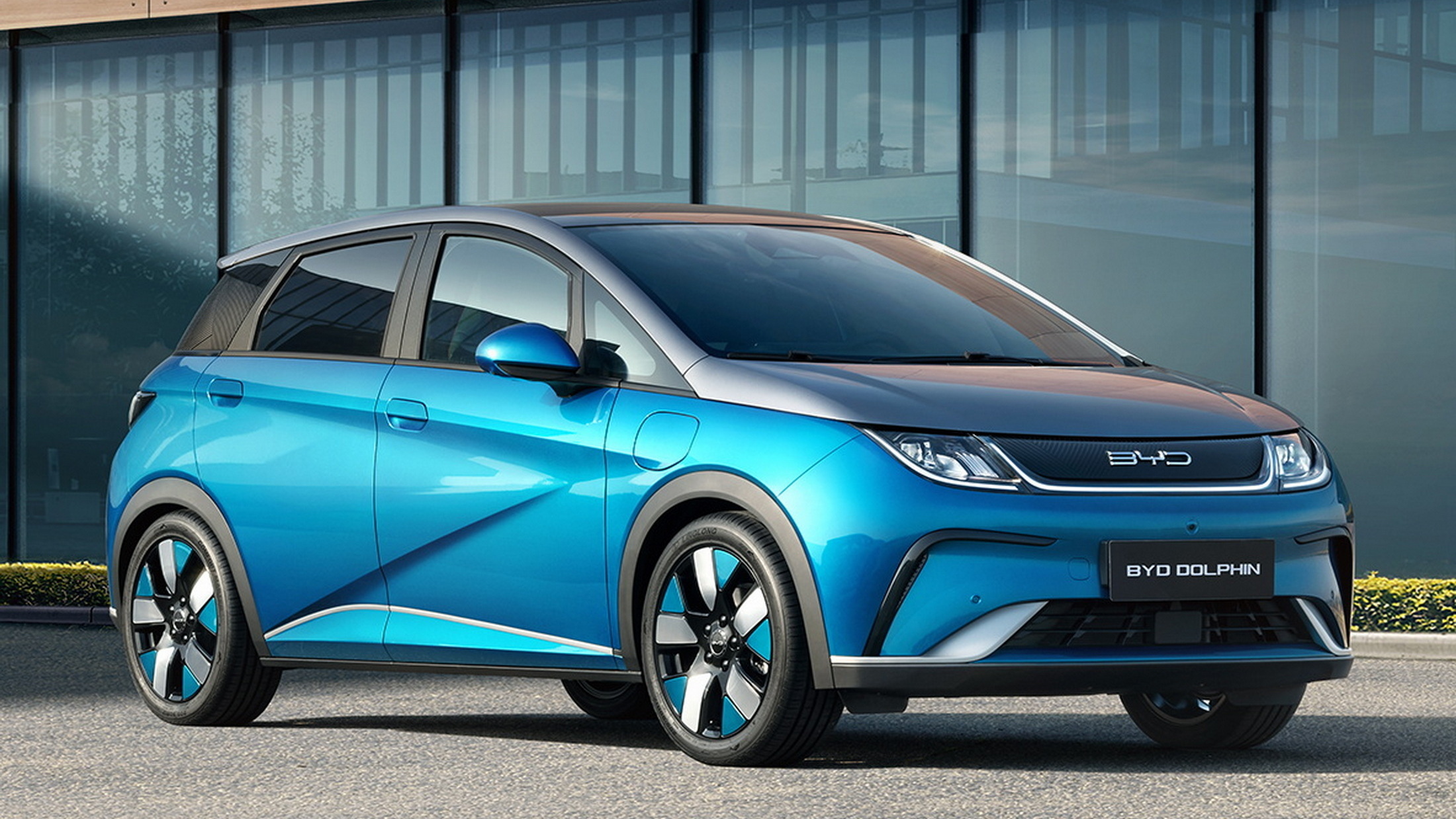
Carney, however, predicts the EV pact will result in “considerable” Chinese investment into Canada’s auto sector that will create jobs, Reuters reports, while helping it meet its climate goals.
“For Canada to build its own competitive EV sector, we will need to learn from innovative partners, access their supply chains, and increase local demand,” he said.
US President Donald Trump and his administration will certainly be dismayed at this latest news from Canada. But there will also be thousands of American soy bean farmers whose livelihoods have been trashed by tariffs that will be wishing Trump would make a similar deal.
