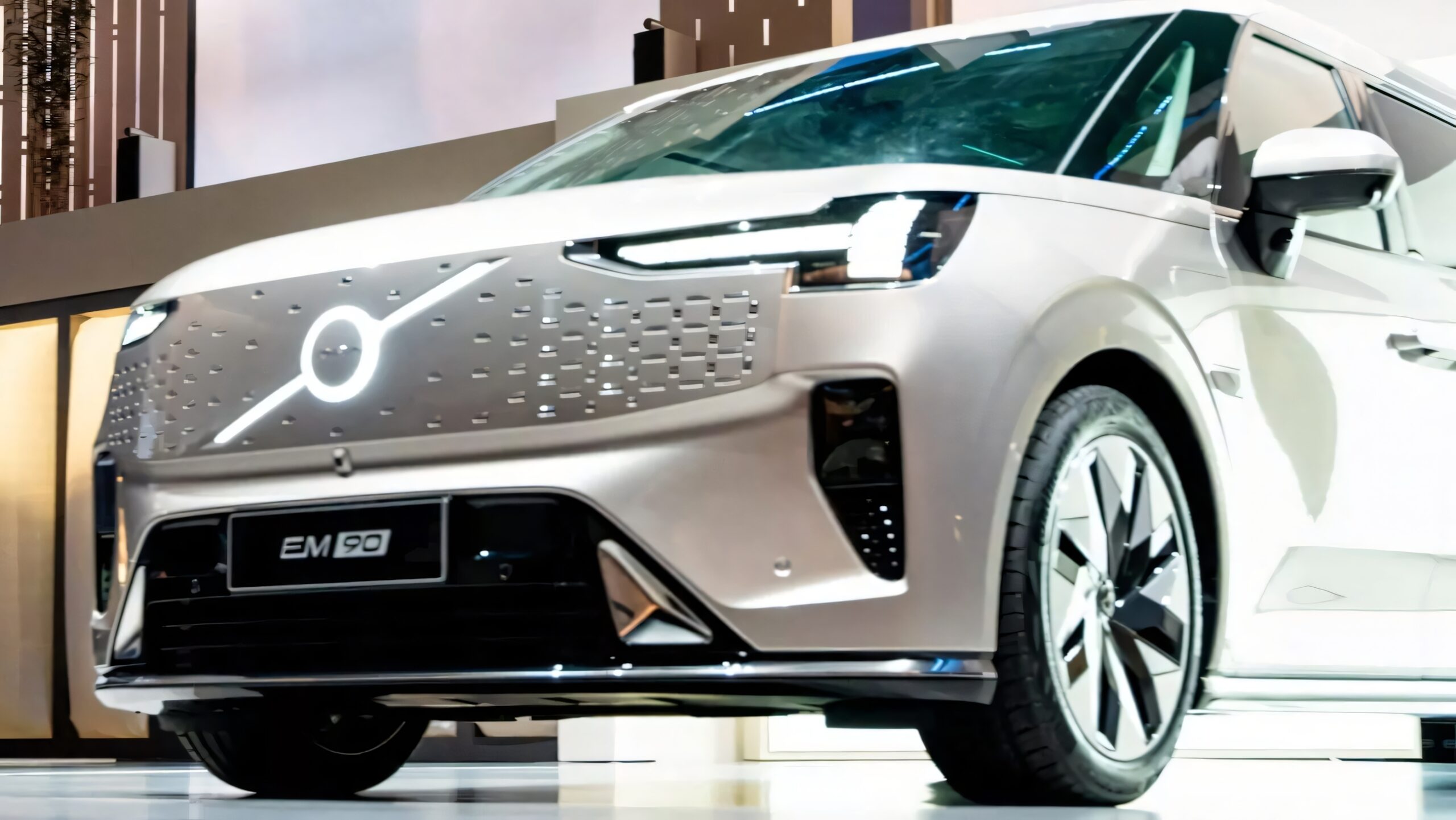


- Thomas Ingenlath returns to Volvo design leadership in February.
- He created Volvo icons like the XC90, XC40, and V90 wagons.
- Volvo’s global sales fell after a strong run in 2023 and 2024.
Volvo has decided that if it wants to fix its problems, it should probably start by rehiring the person who got it right last time. Thomas Ingenlath is heading back to Gothenburg as chief design officer, nine years after leaving to build Polestar from a Volvo spinoff into a global electric brand.
If modern Volvos feel calm, confident, and quietly premium, that’s largely Ingenlath’s doing. He reshaped the brand in the 2010s with cars like the XC90, XC40, and V90, giving Volvo its clean Scandinavian identity, helping it expand into new markets and feel relevant, premium and aspirational again.
Related: This Is Your Last Chance To Order A New Volvo Wagon In America
Now he’s picking up his second Volvo ID badge at a very different moment. Volvo bounced back from the pandemic with a couple of record years in 2023-24, but momentum has softened and the market’s getting tougher, in no small part due to President Trump’s tariffs. Global sales dipped markedly in 2025, and in China they’ve been sliding for the last couple of years.
Changing Times
The brand’s also in the middle of a slow identity shift, closing the book on the sedans and wagons that were once its stock in trade, and moving steadily away from combustion vehicles. The S90 vanished from the US last year (it’s still available in China), and wagons will follow it out of American showrooms this spring. Customers want SUVs now, even if estates helped build Volvo’s reputation in the first place.
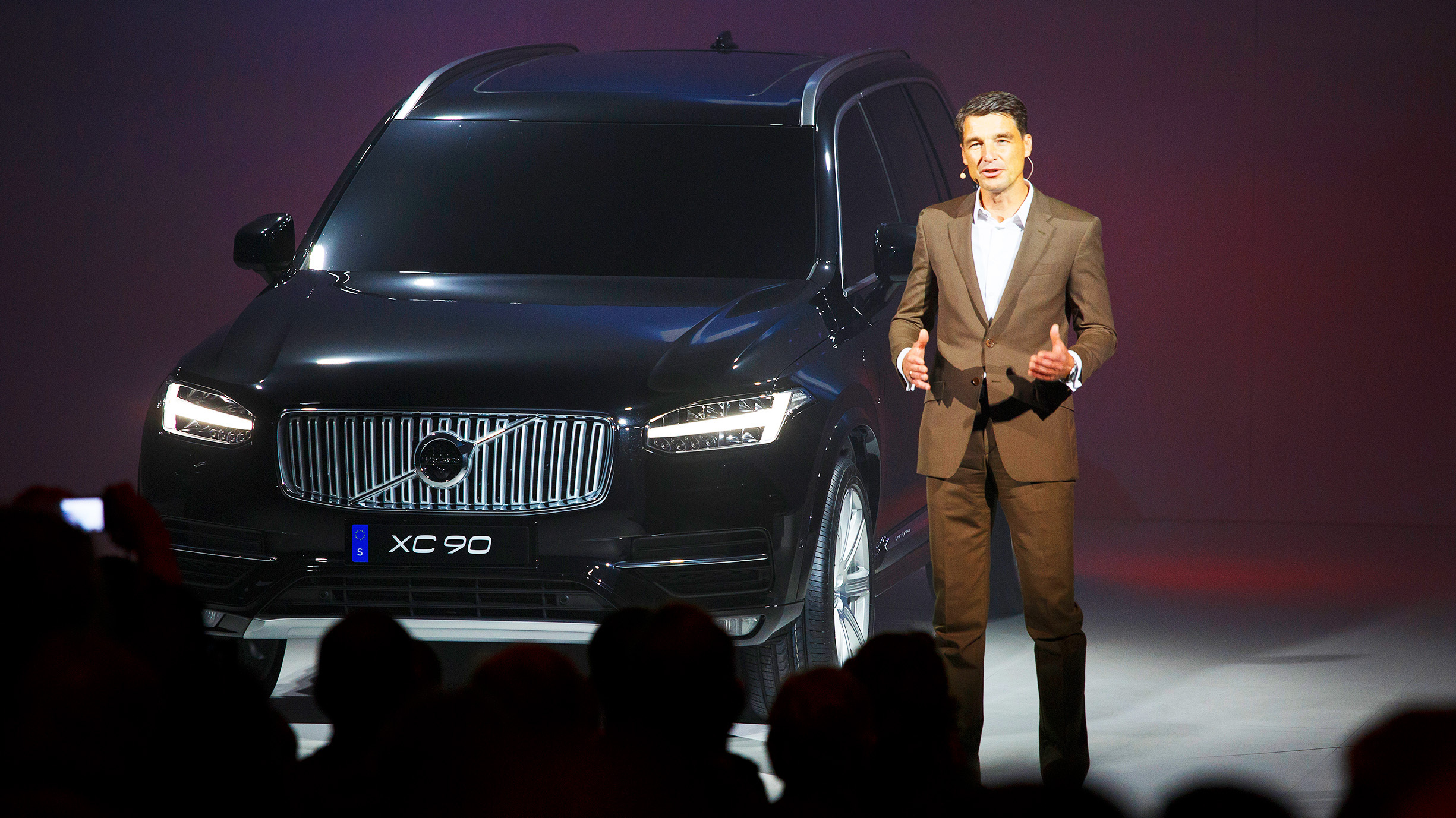
Ingenlath’s job isn’t to tweak the designs of the current lineup. Most of that’s already done. His real task is to sketch what Volvo becomes after that, as it leans harder into electric cars, software and automation, while trying not to lose its soul.
Success and Failure at Polestar
Between his Volvo stints, he ran Polestar for seven years and turned it from a curious sub-brand into a real global player. The Polestar 1 and 2 gave it credibility, the 3 and 4 gave it volume, and Ingenlath helped launch it in more than 20 markets while defining a sharp, minimal design language that stood apart from Volvo’s softer feel.
However, its share price cratered in 2024, sells tanked and Ingenlath was replaced as Polestar CEO by former Opel boss Michael Lohscheller that year.
What would you like to see Ingenlath do to create the next generation of Volvo designs?