












- NHTSA opened a probe after Waymo hit a child near a school.
- The robotaxi struck the child at 6 mph during morning drop-off.
- Waymo said its system reacted faster than a human would have.
Robotaxis are supposed to be smarter, less emotional and less distracted than human drivers, and to always follow the law. But one driverless Waymo vehicle just found itself called into the principal’s office after striking a child near an elementary school, and now federal safety officials are officially taking a closer look.
The National Highway Traffic Safety Administration (NHTSA) has opened a preliminary investigation into the accident, which happened in Santa Monica during normal school drop off hours on January 23, 2026.
Related: Waymo’s New “Ojaj” Robotaxi Crashed Into Parked Cars, But The Real Shock Is Who Was In Control
According to NHTSA documents, the child ran into the street from behind a double parked SUV and was hit by the Waymo vehicle. The injuries were described as minor, and the child was able to get up and walk to the sidewalk, which is the one bit of good news here.
Still, school zones are about as sensitive as driving environments get. Kids, backpacks, distracted parents, crossing guards, and vehicles stopped in places they definitely should not be. It’s exactly the kind of chaotic real-world scenario self-driving tech is supposed to handle better than humans.
Better than a human driver
Waymo says its system spotted the child as soon as they began emerging from behind the SUV and braked hard, scrubbing speed down significantly before contact to 6 mph (10 kmh). The company also says its modeling suggests a fully attentive human driver might have hit the child at more than double that speed. After the incident, the vehicle stopped, pulled over, and contacted emergency services.
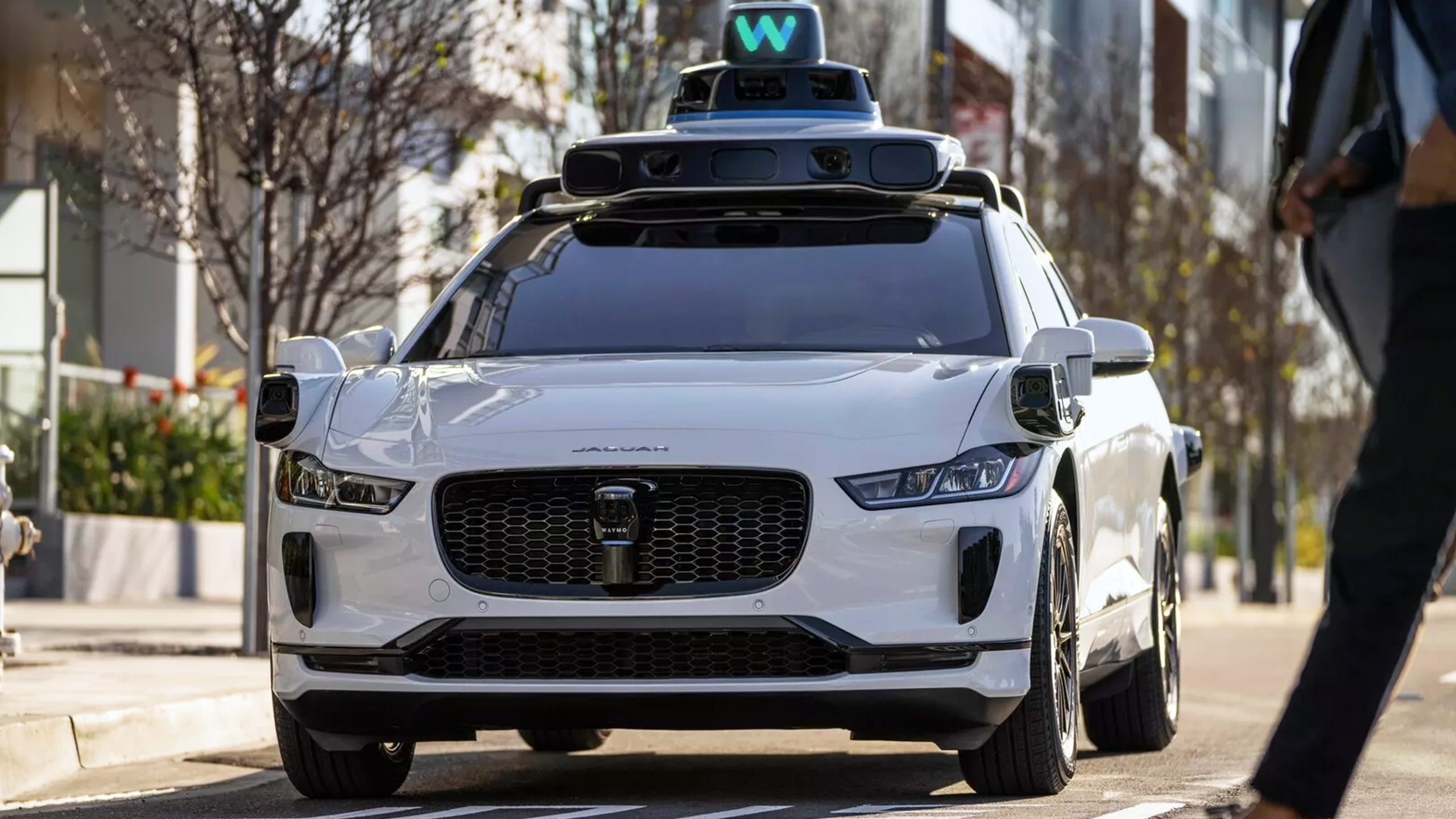
Now NHTSA wants to know if that was good enough. Investigators will look at how Waymo’s autonomous driving system is designed to behave around schools, especially during peak drop off and pick up times. That includes things like speed choices, caution levels, and how the vehicle responds once something goes wrong.
Just the latest safety issue
This is not happening in a vacuum either. Waymo has already faced scrutiny over its vehicles passing stopped school buses in other states (see video below), so regulators are clearly in the mood to double check the robot homework. And it looks like their workload will be getting heavier, not lighter, going forward.
Autonomous driving companies often argue their systems are safer than humans on average and the sector is only getting bigger with the arrival of Tesla’s robotaxis. Incidents like this show the debate is not just about averages or lab tests, but about every real case in the messiest, most human environments possible. And there are few places messier than the road outside a school at 8.30 AM.