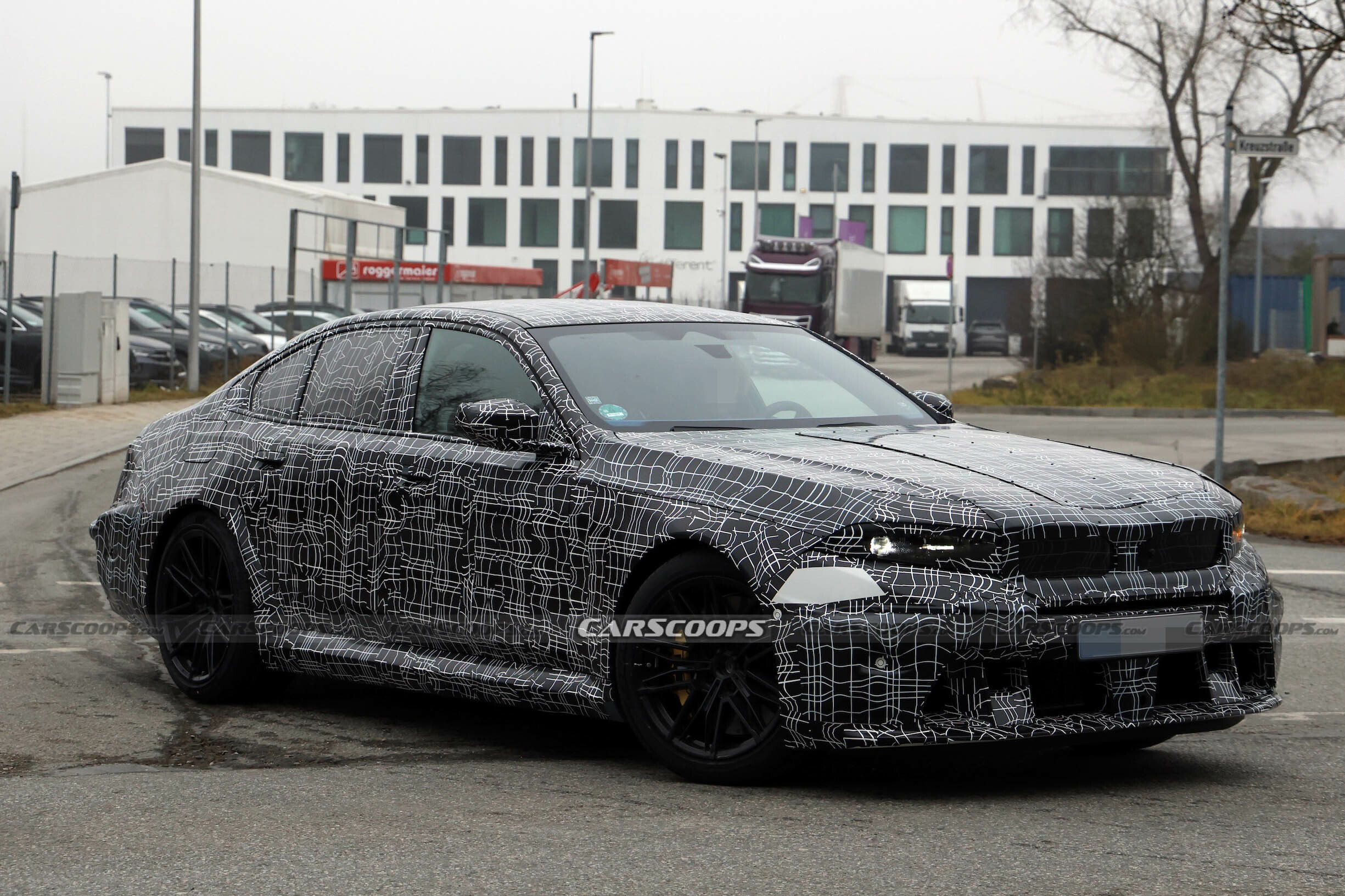









- BMW M is planning to introduce around 30 models by 2029.
- This includes new and facelifted M or M Performance vehicles.
- The future of the manual looks bleak, given low global demand.
Last year, BMW announced a major product blitz that will see the company introduce over 40 new or updated vehicles by 2027. Unsurprisingly, BMW M is working on a major offensive of their own.
Speaking to CarSales, BMW M CEO Frank van Meel said “We’re working on up to 30 new models that will come out in the next two and a half years.” That’s a lot, but it’s important to note the number includes both M and M Performance vehicles.
Also: BMW’s Next Boss Already Has 40 New Models On His Plate
While the executive didn’t say what to expect, other than the i3 M, spy photographers have snapped an assortment of prototypes in recent months. Besides the facelifted M5 and M5 Touring, the company is working on a new M3 and iX3 M.
They’ll be joined by redesigned versions of the X5, X6, and X7, which will spawn a mix of M and M Performance variants. We can also expect M Performance versions of the facelifted 7-Series.
The Rise Of M Performance EVs
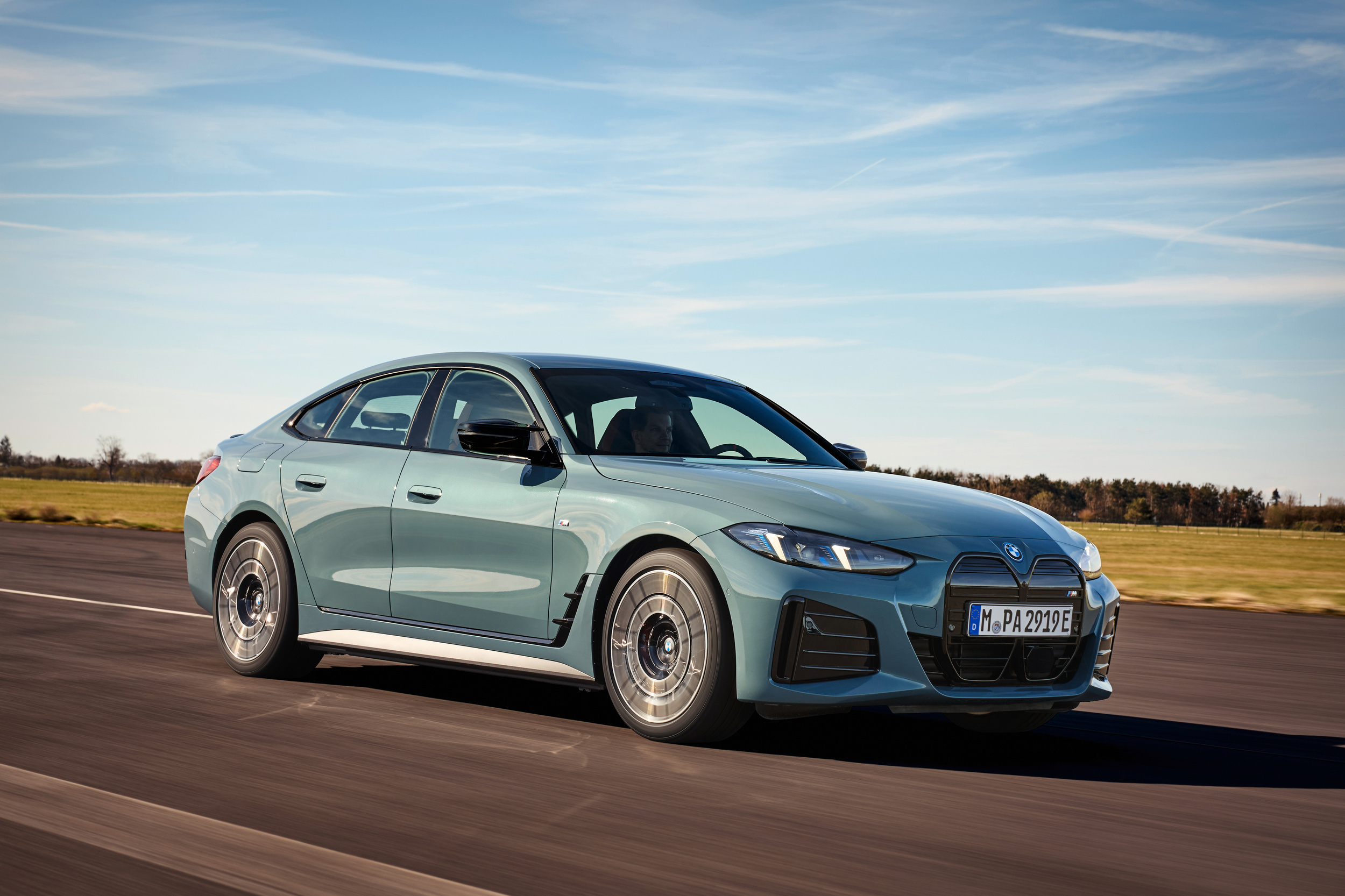
Speaking of M Performance variants, van Meel said electrified models – such as the i4 M60 – have proven popular in countries where regulations on combustion engines make traditional performance cars expensive. As he noted, “In France, you have to pay 18,000 euros ($21,212) CO2 tax on a combustion engine M2.”
More: BMW iX3 M Coming As A Quad Motor Performance EV
That’s ridiculously steep and it bodes well for the upcoming i3 M, which will feature a quad motor powertrain. However, the executive said he isn’t sure how customers will respond to the model. While only time will tell, van Meel believes the vehicle has “exactly the technology everyone has been waiting for … in a high-performance [electric] car.”
Despite the focus on electric vehicles, BMW M isn’t putting all its eggs in one basket. Quite the opposite as the executive said they have a “long tradition” of six- and eight-cylinder engines, and “we are planning to continue this because we have a big community worldwide, and also a lot of people that are maybe not ready yet, or live in environments where it’s really difficult, to charge the electric cars.”
Manual Seems Doomed
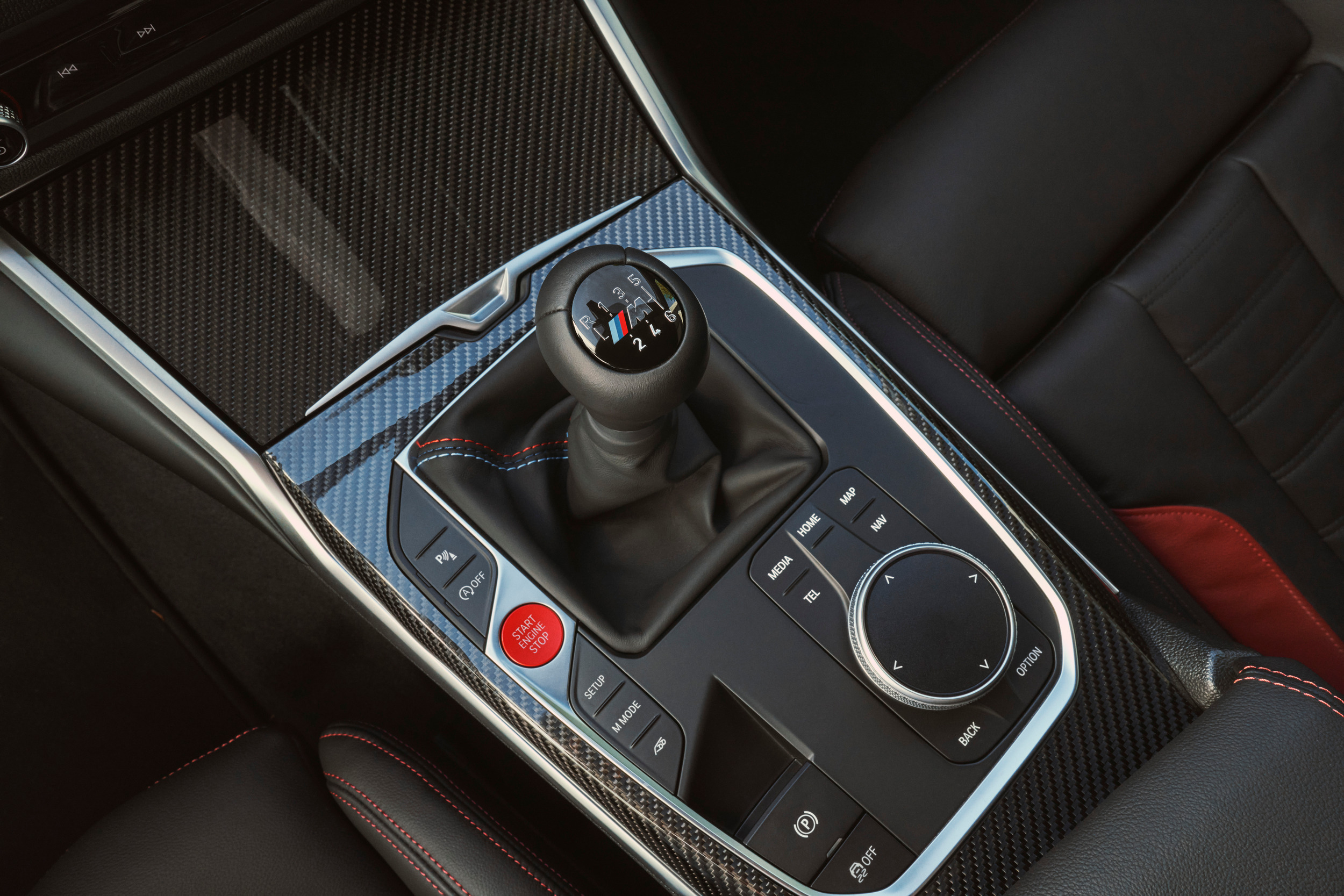
While internal combustion engines are sticking around, the manual might not be as lucky. As van Meel explained, “From an engineering standpoint, the manual doesn’t really make sense because it limits you in torque and also in fuel consumption.”
However, he added that from an emotional and customer standpoint, “a lot of people still love manuals, so that’s why we kept them, and we intend to keep them as long as possible.”
Unfortunately, the clock appears to be ticking as he said “It’s going to be quite difficult, in the future, to develop completely new gearboxes because the segment in the market is quite small, and the suppliers are not so keen on doing something like that.” This means manual transmissions will likely be safe for the “next couple of years,” but it will likely become “difficult to keep the manuals alive, especially in the next decade.”