

- GM aims for full 500,000-vehicle capacity at Korean factories this year.
- Trax, Trailblazer, Encore GX, and Envista remain key U.S. volume sellers.
- Tariff threats complicate, but don’t derail GM’s export-heavy strategy.
U.S. citizens might be the ones paying for tariffs to an overwhelming degree but it hasn’t stopped them from snapping up lower-cost cars from GM. That’s the impetus for the brand to target full annual capacity, roughly half a million cars, at its Korean production facilities this year.
Sure, tariffs make these cars more expensive, but demand is there, and GM is happy to continue production overseas with that in mind.
More: Japan Is Finally Removing A Massive Barrier To American-Made Cars
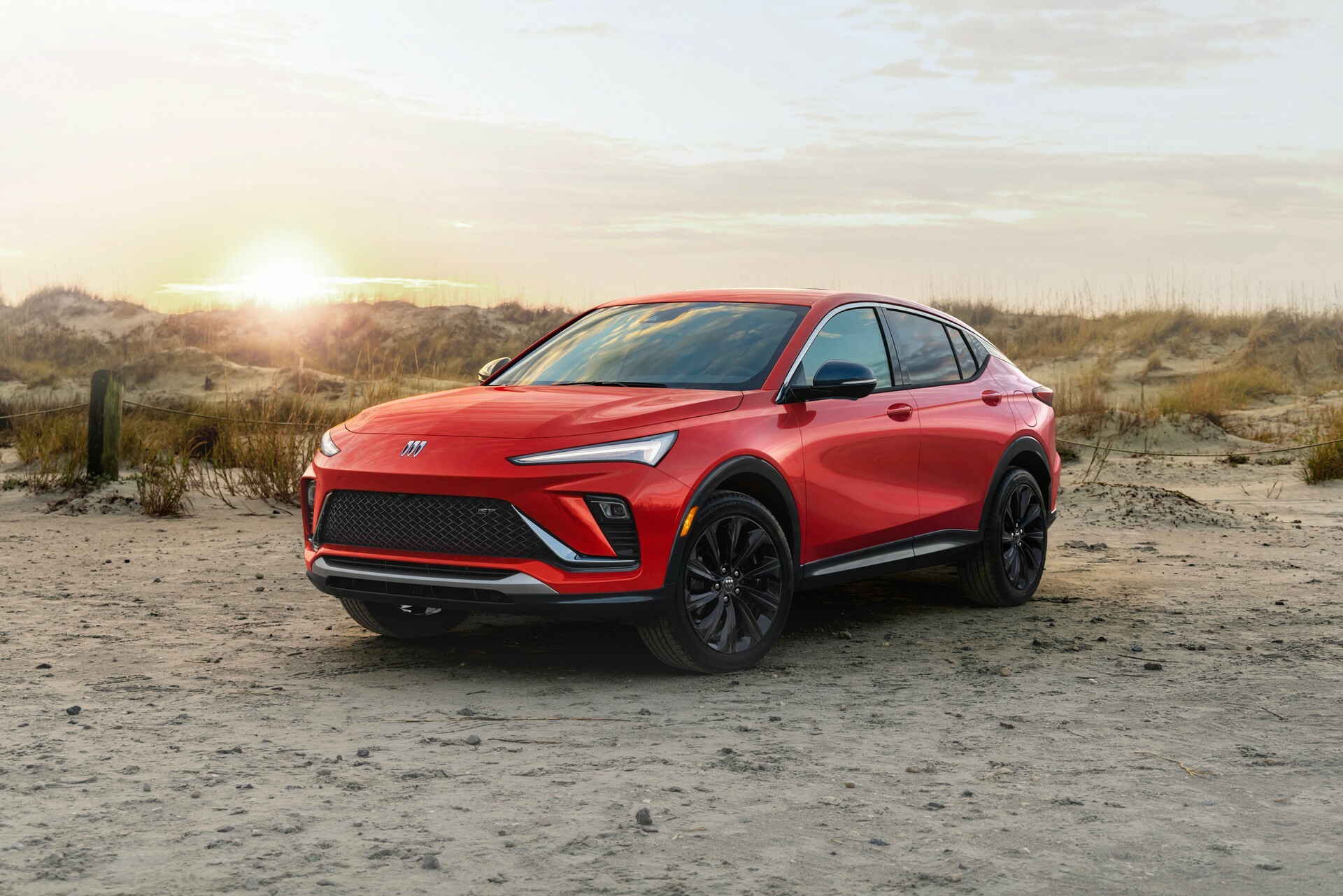
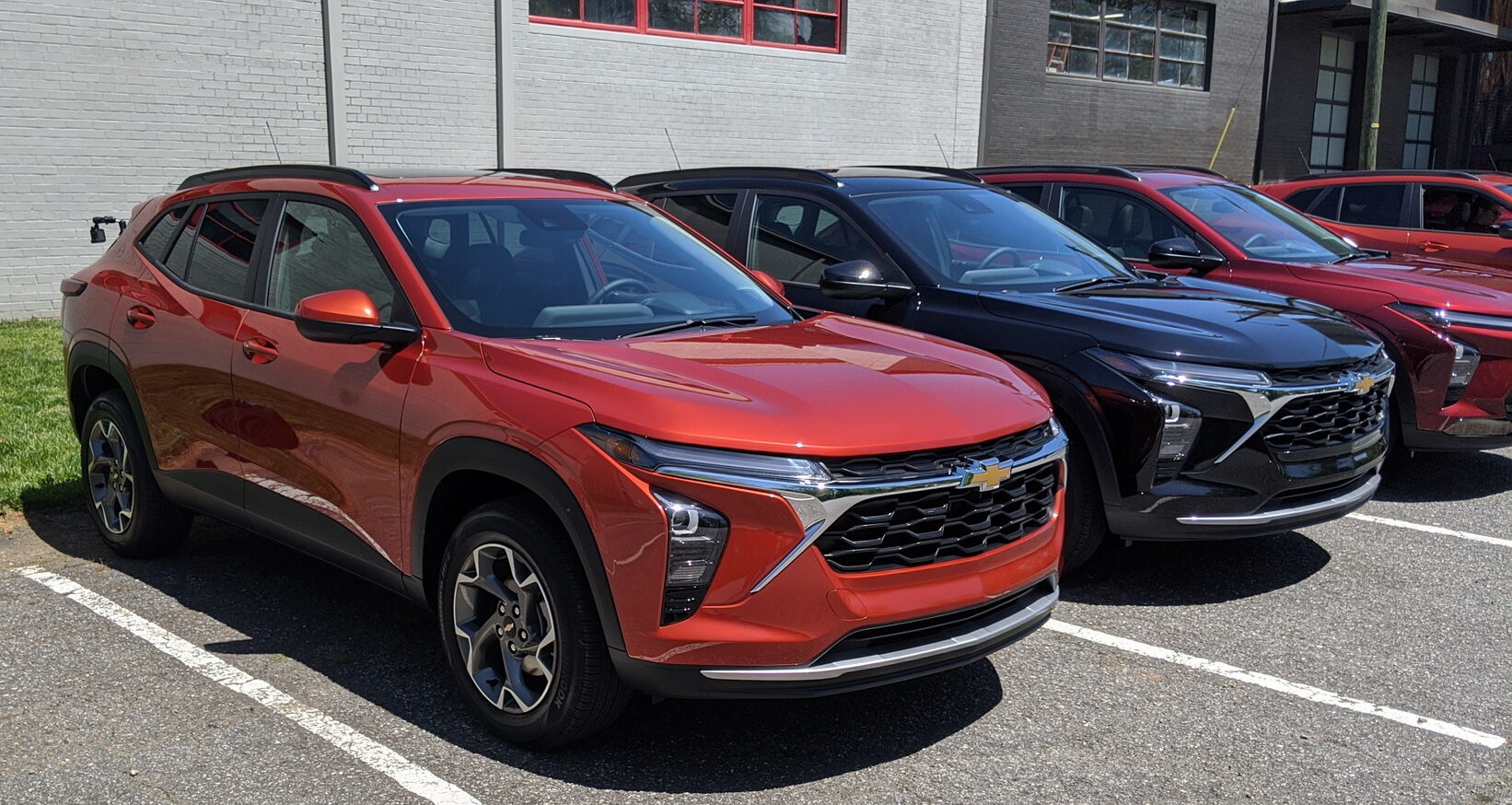
Right now, GM makes the Chevrolet Trailblazer and Trax in Korea, along with the Buick Envista and Encore GX. Together, those four cars made up over 400,000 sales for GM in 2025, and none of them show signs of falling off of a sales cliff anytime soon. For now, there appears to be little incentive to shift production elsewhere.
Korean Plants At Full Tilt
According to Auto News, citing Korean sources, the goal is to run the Incheon and Changwon plants at full tilt to satisfy “strong global demand.” While GM doesn’t publicly disclose exact production targets, the company confirmed that maximizing capacity is the objective. The timing here is noteworthy, too.
President Donald Trump recently threatened to raise tariffs on Korean-made vehicles to 25 percent from 15 percent. That creates uncertainty, the same kind we’ve seen plenty of other times with tariff policies that seem to fluctuate as often as the wind changes. Despite that, GM, for now at least, appears unwilling to change things up regarding its Korean production lines.
On the flip side, Korea has gone from a local sales market to an exporting machine. In the past, GM sold around 170,000 vehicles in the country. Last year, it shifted just over 15,000 as buyers favored domestic products from Kia, Hyundai, and Genesis. To that end, GM’s operation in the area largely survives thanks to exports.
If GM hits its 500,000-unit target, it would not only signal confidence in its Korean operations but also reinforce a bigger reality. Affordable crossovers are driving volume, and GM is willing to absorb tariff headaches to keep them flowing. And why wouldn’t it, if customers are ultimately paying for the tariff in the end anyway?