

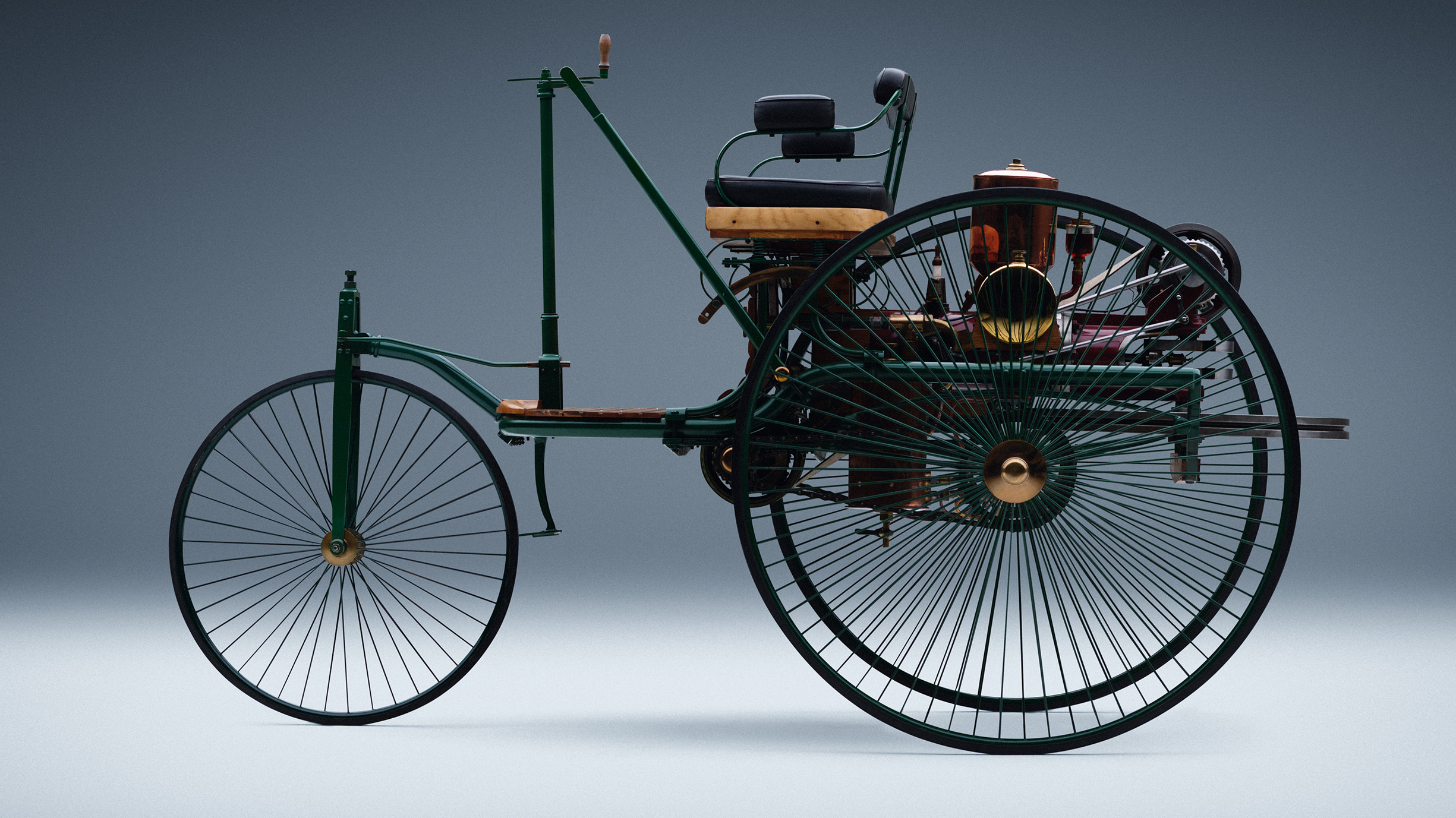
- Carl Benz patented his three wheeled motor car in January 1886.
- Modern cars are faster, safer, and easier to drive than today.
- Autonomous tech may mark the biggest shift in car history so far.
The story of the automobile is never just about a single moment, even when a neat anniversary tempts us to frame it that way. Mercedes is marking 140 years since Carl Benz first putt-putted down the road in his Patent-Motorwagen, often described by the brand as the “world’s first automobile”.
Read: New S-Class Uses 50,000 LEDs To Light Nearly Six Football Fields Ahead
That claim, however, has long been debated in enthusiast circles, including at The Autopian, where Jason Torchinsky recently revisited the subject in detail. Even Mercedes itself acknowledges the history is more nuanced.
The Origins Are Messier Than You Think
On its own website, the company concedes that the automobile did not simply appear in 1886. It recognizes that numerous forerunners existed well before Carl Benz. These range from steam-powered road vehicles to earlier experimental self-moving machines, including Frenchman Nicolas Joseph Cugnot’s three wheeled steam cart from 1769, or possibly 1770, depending on who you ask.
Innovation In Retrospect
Looking at Mercedes’ car no. 1 now, with its huge, spindly wheels, puts that layered history into perspective. It is a vivid reminder of how far the automobile has evolved since Benz’s first outing in 1886, but it also invites a more fundamental question.
Read: Americans Embrace AI Tech In Their Cars But Some Features Drive Them Crazy
With so many ideas, inventions, and refinements accumulating across more than a century of experimentation, which single innovation truly transformed driving the most?
Early breakthroughs were about simply making cars usable. Four wheels brought stability. Steering wheels replaced awkward tillers. Then came the electric starter, which saved drivers from wrestling engines by hand and occasionally breaking bones, transmissions with synchromesh or fully automatic operation. Suddenly cars weren’t just for the brave and mechanically gifted, but for everyone.
Related: Mercedes’ CLE Gets A Facelift, But The Big News Is Under The Hood
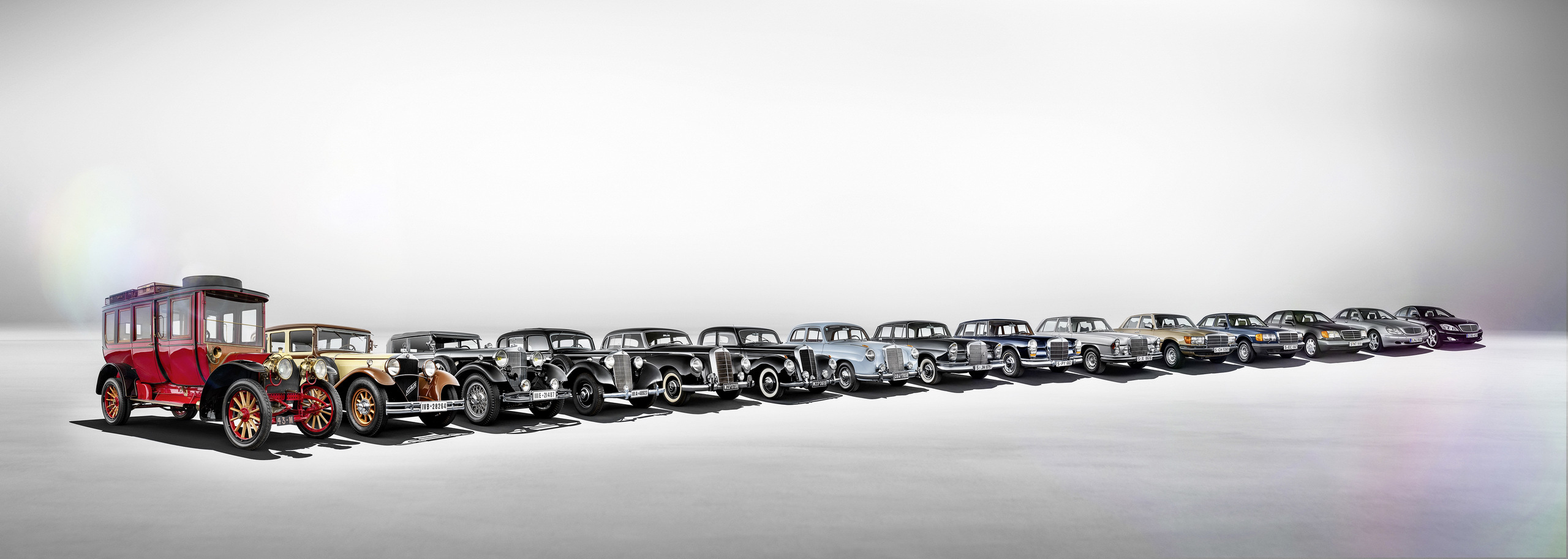
Design took its own leap forward as cars stopped looking like horse carriages and started slicing through air. Windshields, enclosed bodies and integrated fenders all radically changed how automobiles looked, even before wind tunnels started to have a major say in the styling process.
From 10 mph to 300 mph
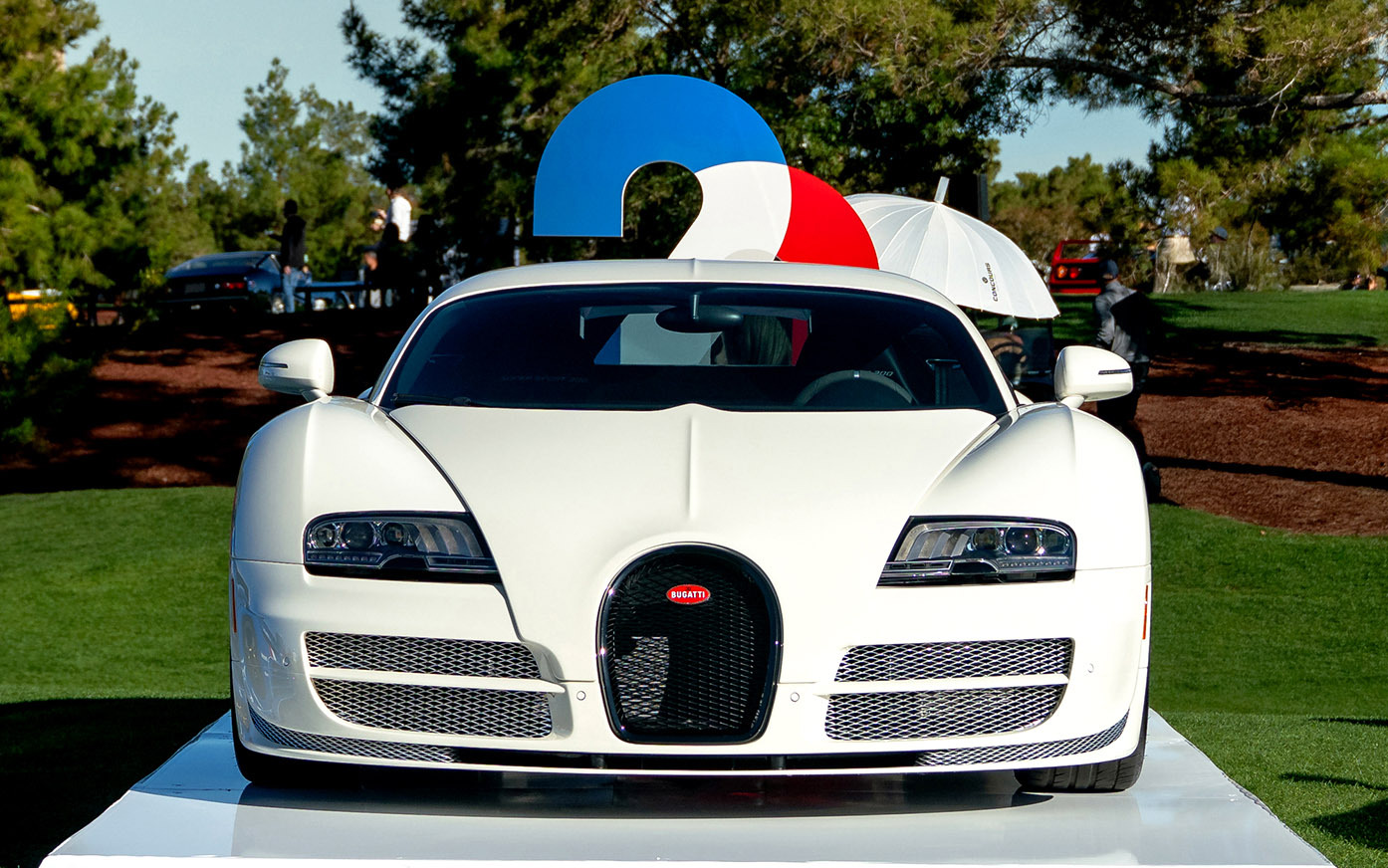
And let’s not forget power and speed. That first car in 1886 had less than 1 hp (1 PS) and was all out of puff at 10 mph (16 kmh). Today, even the most ordinary subcompact makes 100 times as much grunt and is 10 times as fast, while hypercars now punch out 2,000 hp (2,023 PS) and in some cases can top 300 mph (483 kmh).
Those feats would be terrifying with the kind of safety equipment Benz’s Motorwagen had on board. The 1886 original had solid rubber tires and no braking system on any of its three wheels, the only way to slow it down being to tug on a simple hand-operated lever that created friction on the drive belt.
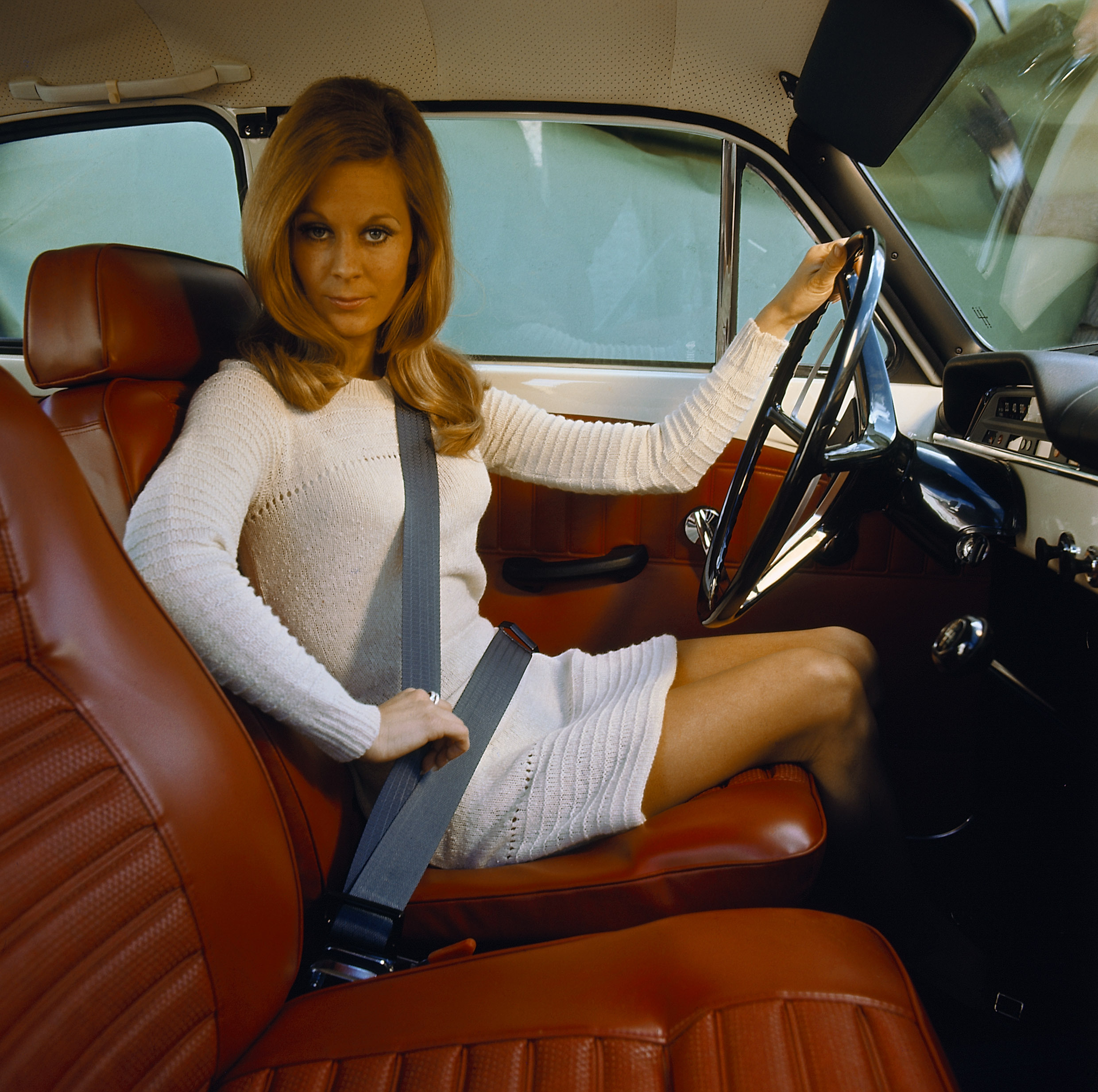
Safety improved relatively quickly, but the major advances in that department have come in the second half of the car’s 140-year life. Seatbelts, crumple zones, airbags, and anti lock brakes quietly saved millions of lives, while air conditioning, power steering, satellite navigation and in-car hifi made those lives behind the wheel more bearable.
Biggest Changes Still to Come
Now we’re living through another turning point. Hybrids, EVs, driver assistance systems, and cars that can steer, brake, and park themselves are redefining what it even means to drive. Mercedes is, appropriately, at the forefront of that change, and will offer Level 4 self-driving on the new S-Class that debuts this year.
Some people see freedom in that kind of tech. Others see the end of real driving. Either way, the car is changing again.
So what gets your vote as the biggest advance to emerge from the car’s long evolution, the one innovation without which modern driving would feel impossible? And which car helped all cars make the biggest leap forward? Jump into the comments and make your case.