












- Canada and US politicians seek nationwide headlight glare rules.
- IIHS says glare linked to only tiny share of night crashes overall.
- Automakers improve tech to cut glare without hurting visibility.
If you’ve driven at night lately, you’ve probably muttered something unprintable at an oncoming SUV that looks like a portable stadium floodlight. Lawmakers in Canada and the United States have noticed the public rage and are now calling for modern headlights to calm down a bit.
More: The Future Of LED Headlights Just Arrived Without A Lens
Vancouver City Councillor Sean Orr introduced a motion to address complaints from drivers who feel dazzled, distracted, and maybe even momentarily convinced they’re being abducted by aliens when driving at night, National Post reports. Across the border in the US, Rep. Marie Gluesenkamp Perez raised similar concerns last year.
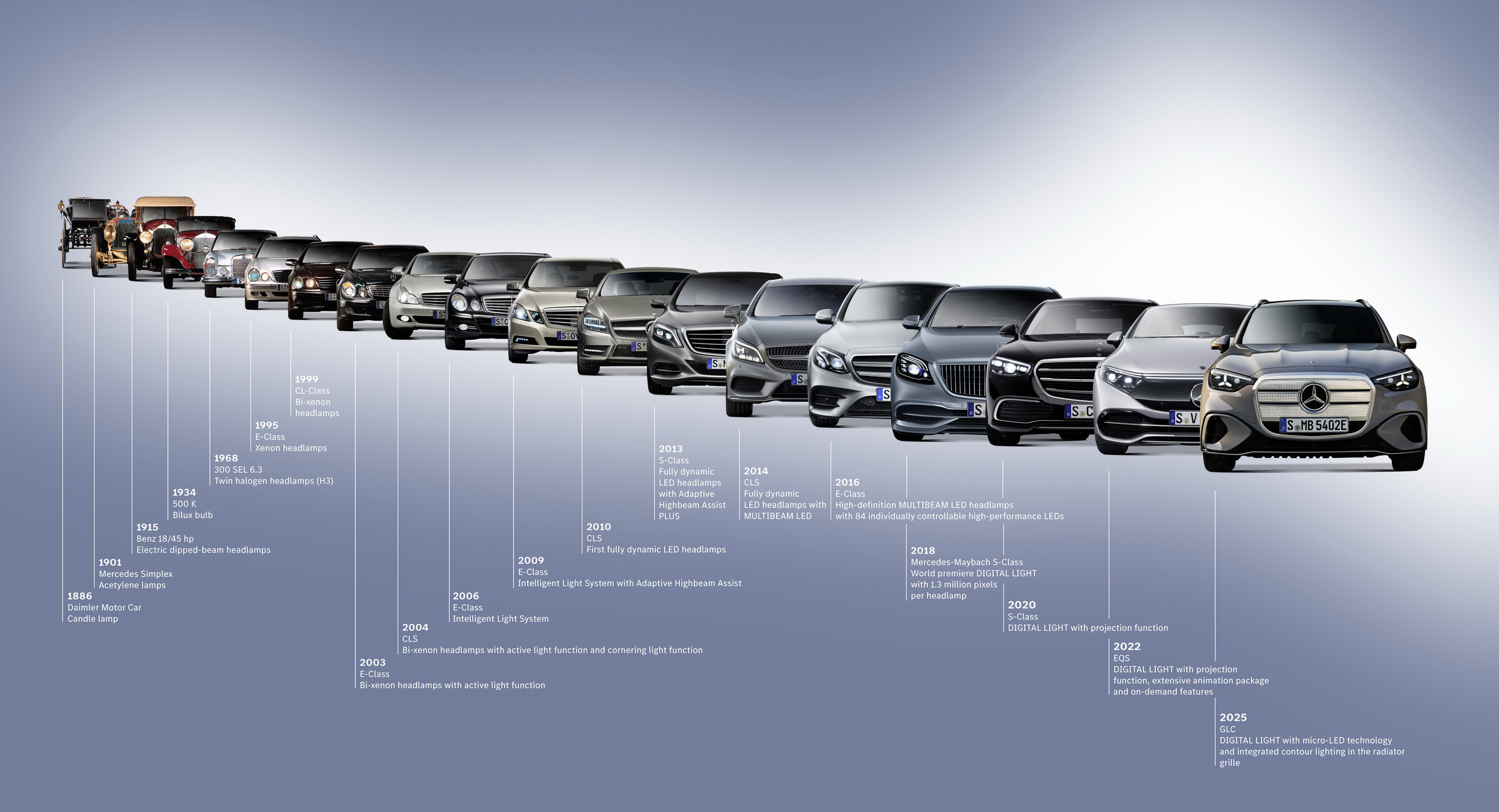
The push is simple. Cut the glare from modern LED headlights, which are brighter than previous HID lights and night and day different from traditional bulbs, and get back to night driving that feels less like staring into the sun.
Stray Light And Real World Data
But here’s where things get complicated, because glare isn’t just down to brightness. It’s caused by stray light entering the eye. And anyway, safety experts at the Insurance Institute for Highway Safety (IIHS) have been crunching real-world crash data, and they say glare from headlights is linked to only a tiny fraction of nighttime crashes.
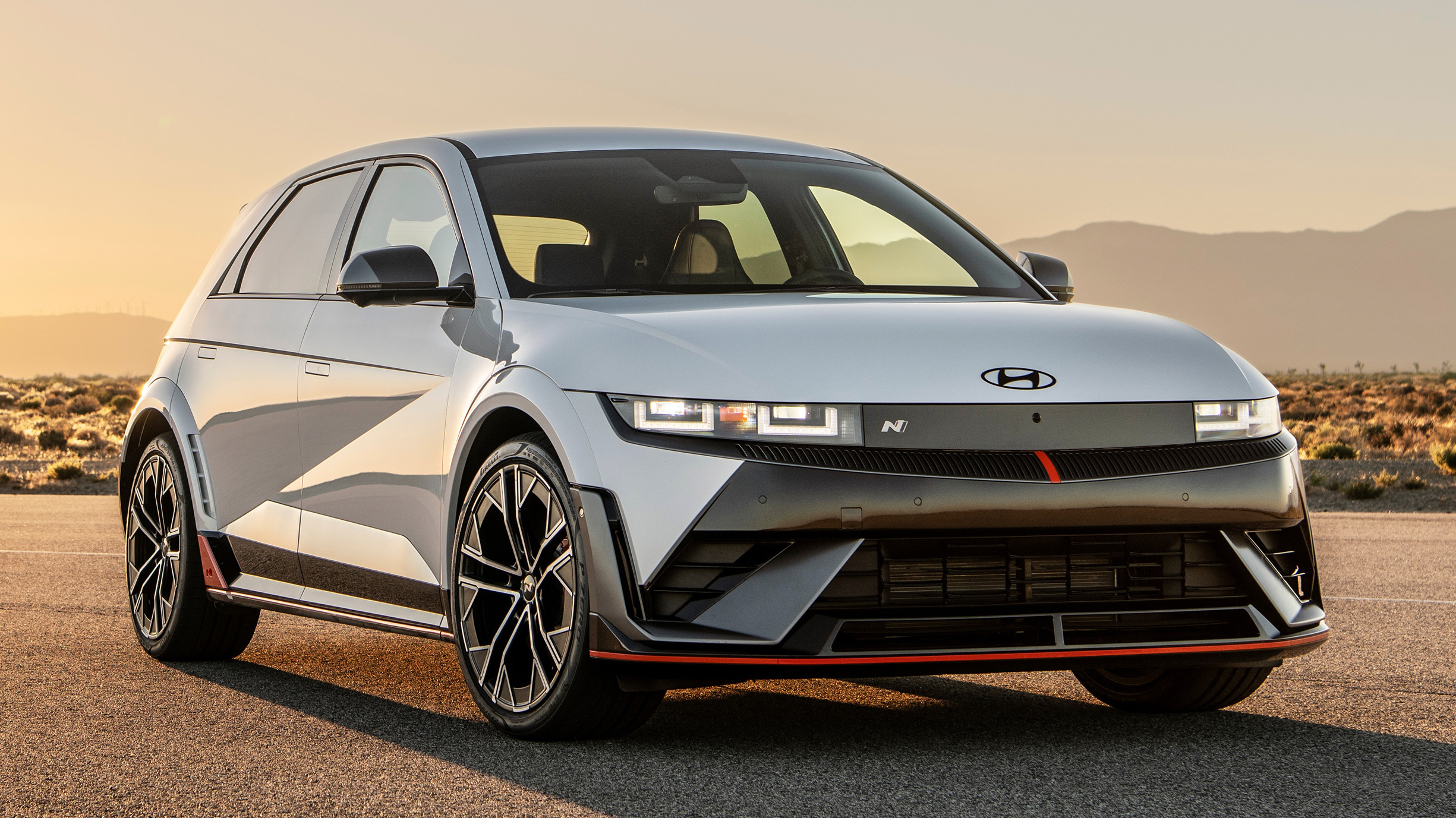
Between 2015 and 2023, glare was cited in just one or two out of every 1,000 nighttime crashes across multiple states. Even as headlights became brighter and visibility improved over the same period, that rate barely changed, undercutting the idea that modern lighting created a growing safety crisis.
Meanwhile, better headlights that light up the road farther ahead are clearly helping drivers avoid trouble. Vehicles with top rated headlights have significantly fewer single vehicle nighttime crashes and fewer pedestrian collisions after dark.
What The Crash Numbers Reveal
In other words, while glare can be annoying and sometimes uncomfortable, not being able to see due to crappy old headlights and poor road design and maintenance appears to be the bigger safety problem. The IIHS says insufficient visibility causes far more crashes than bright lights ever have.
Also: New S-Class Uses 50,000 LEDs To Light Nearly Six Football Fields Ahead
Part of the confusion comes from how glare crashes happen. The driver who gets blinded often runs off the road alone, meaning the vehicle producing the glare isn’t involved and can’t be evaluated. That makes the issue feel common to drivers even if it rarely shows up clearly in crash statistics.
According to the IIHS, the data also shows glare isn’t evenly distributed. It appears more often on undivided two-lane roads, in wet conditions, and among older drivers, particularly those over 70, who are naturally more sensitive to bright light.
Headlights Keep Getting Better
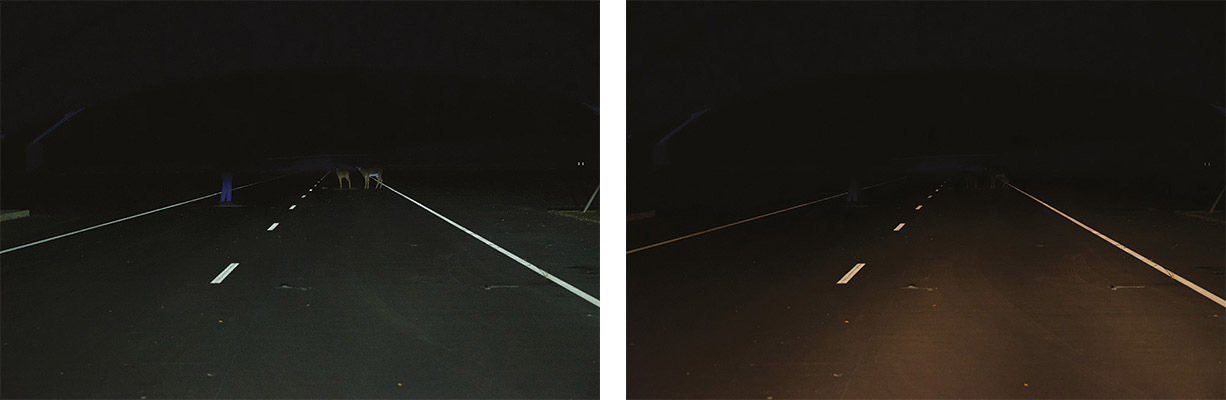
That doesn’t mean the industry gets a free pass to blind everyone. The same rating program that rewards better illumination also penalizes excessive glare, and automakers have responded. Back in 2017, more than one in five headlight systems tested by the IIHS produced too much glare. For 2025 models, that figure has dropped to just a few percent.
Modern driver aids may reduce the remaining cases further. Automatic high-beam assist already prevents drivers from accidentally dazzling others, while lane-departure prevention could cut glare-related run-off-road crashes dramatically.
Do you think lawmakers should forced automakers to dial back headlights, or are you too in love with your LEDs? Drop a comment below and let us know.