









- Sonic executive says tariffs are already affecting pricing.
- Automakers boosted fees and trimmed incentives to offset costs.
- Broader price hikes may follow if tariffs remain in place.
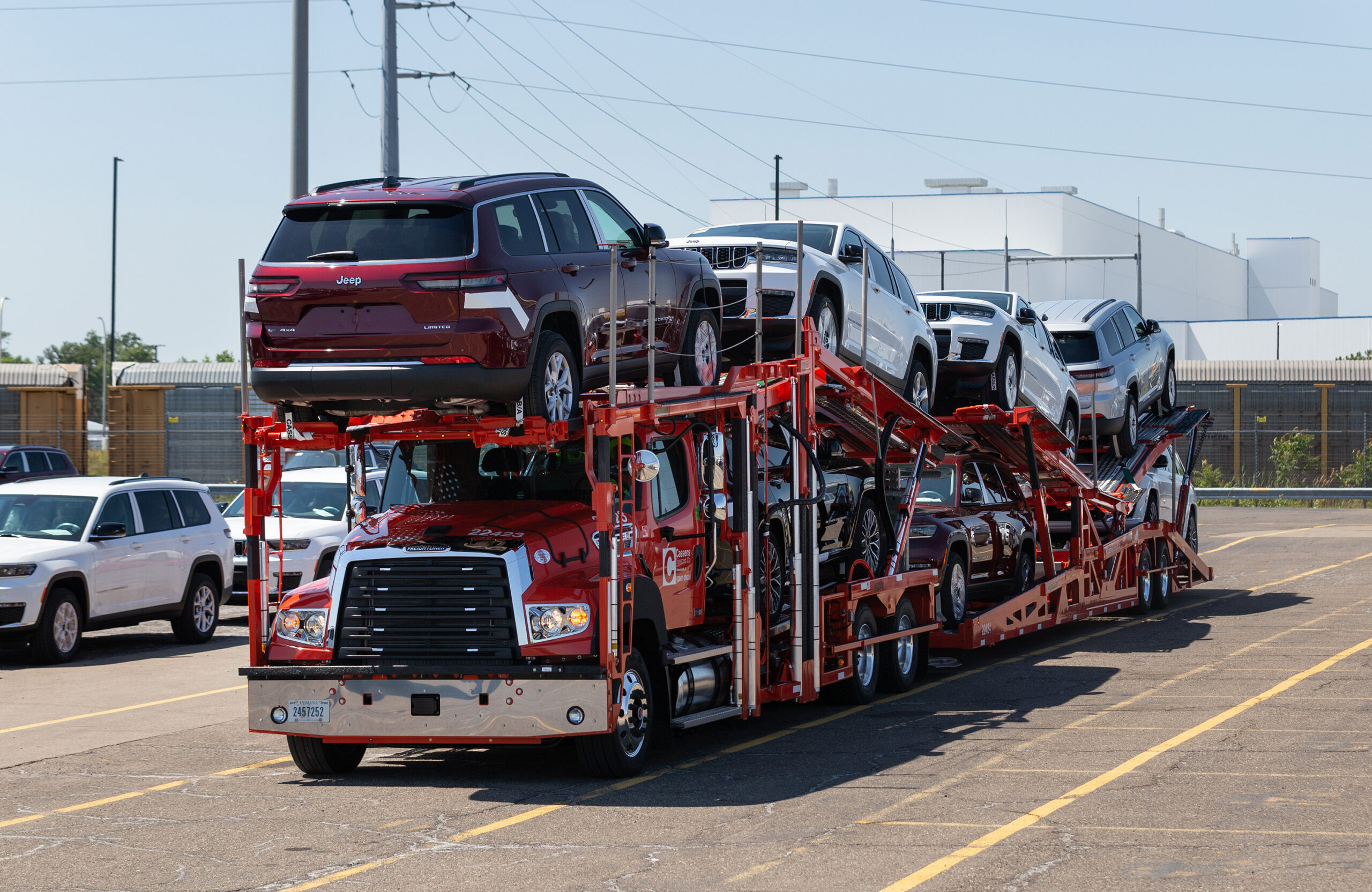
It’s no secret that tariffs are changing the automotive industry. When first introduced, they created uncertainty, and automakers are still feeling the ripple effect. Prices have climbed subtly, but that might be about to change. A major U.S. dealer group now warns that tariffs might send prices through the roof soon enough.
Speaking during a recent earnings call, Jeff Dyke, president of Sonic Automotive, the nation’s fifth largest automotive retailer as measured by total revenues, said automakers are already beginning to pass higher costs on to consumers. According to Dyke, the current tariff structure is simply too expensive for brands to shoulder indefinitely.
A Murky Landscape
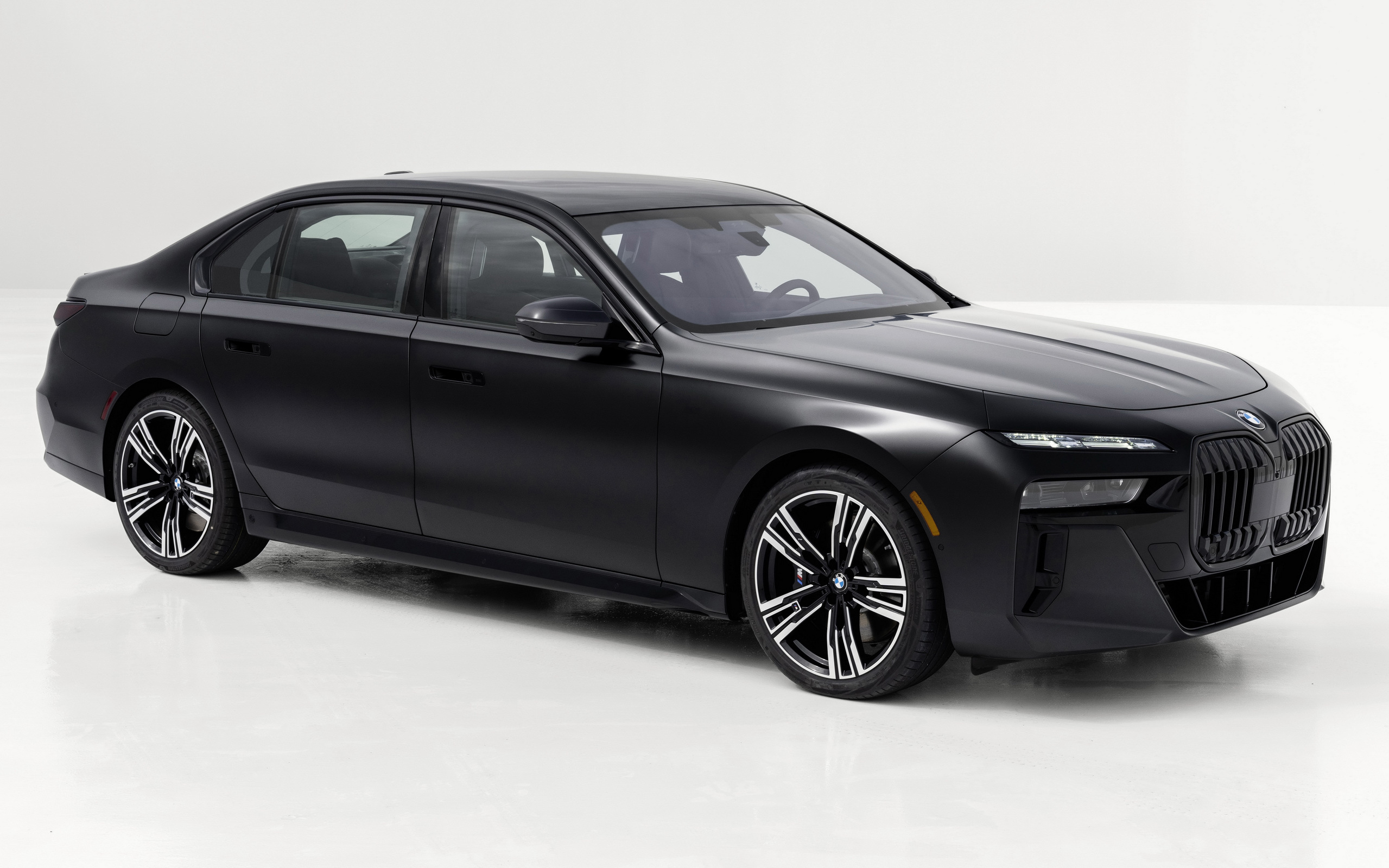
“The tariffs are too high on some of these brands, and they’re going to pass pricing on,” Dyke said, according to CNBC. “It’s already happening.” Those statements come as the tariff situation remains difficult to navigate and far from settled.
Read: Trump Layers On New Tariffs, And Automakers Brace For Impact
The U.S. Supreme Court recently struck down certain “reciprocal tariffs” imposed under the International Emergency Economic Powers Act. But sector-specific tariffs under Section 232 remain intact. That means many imported vehicles and parts are still subject to significant duties.
Spikes Mostly Absorbed, But For How Long?
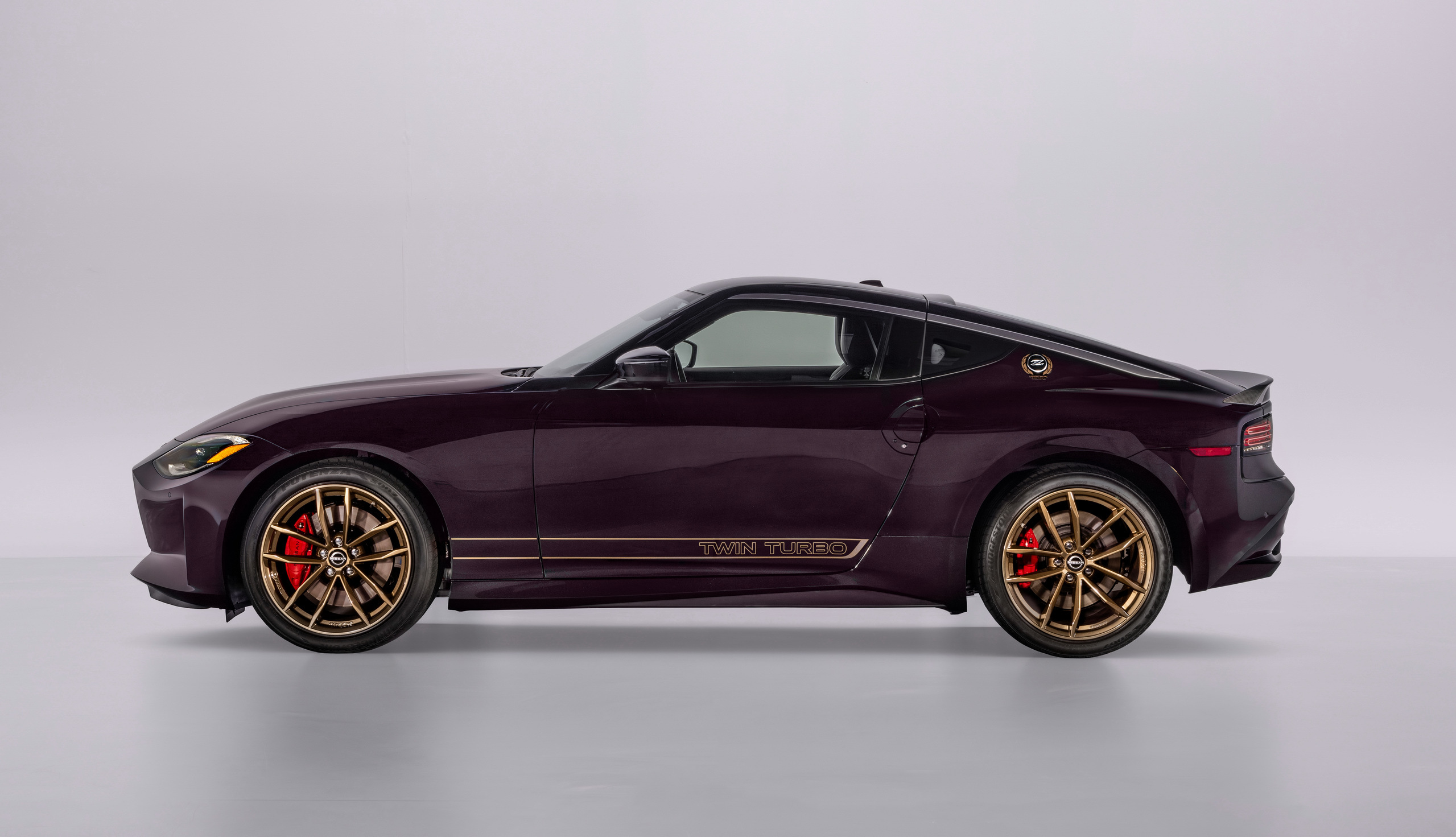
Thus far, transaction prices haven’t spiked broadly. Analysts say that since the latest round of tariffs took effect, prices are up roughly one percent. That said, automakers have been adjusting behind the scenes the entire time.
Sometimes, instead of headline-grabbing MSRP hikes, they’ve been bumping up things like destination and delivery fees or eliminating or reducing incentives. At other times, rather than making a single model-year price adjustment, brands have slipped in multiple increases throughout the year. Spread out like that, the impact feels incremental instead of abrupt.
In some instances, some automakers are boosting the MSRP of higher-end models with the knowledge that buyers aren’t as price-sensitive. In the end, all of these methods result in the same thing: buyers paying more for the cars they want. Dyke’s warning suggests that what we’ve seen so far may just be the beginning.
Automakers have tools to soften the blow like price adjustments, de-contenting features, or incentive cuts, but if tariffs remain at current levels, something has to give. For now, the increases are incremental and easy to miss. But according to one of the country’s largest dealership groups, the pressure is mounting. Soon, consumers might see it and feel it far more bluntly.