






- Tesla is suing California’s DMV over a false ad ruling.
- Regulators said Autopilot and FSD overstated autonomy.
- The fight comes as Tesla doubles down on robotaxis.
Regulators and automakers have been circling each other over autonomy claims for years, and California has become a key battleground. Last year, the California DMV called out Tesla for false advertising. Regulators argued that names like “Autopilot” and “Full Self-Driving” implied a level of autonomy the cars simply did not have. The agency even threatened to suspend Tesla’s license to sell vehicles in the state.
Earlier this month, the DMV confirmed that the automaker had done enough to avoid that suspension. Apparently, the story does not end there. Tesla is now suing the agency in an effort to overturn the original finding altogether.
Tesla Challenges California’s Ruling
Tesla complied, at least on paper. It not only removed the “Autopilot” name, it discontinued the feature altogether in the U.S. and Canada, and added the word “Supervised” to Full Self-Driving. But here’s the interesting part. When the DMV ruled on February 17 that Tesla could continue selling cars, the company had already filed its lawsuit, according to CNBC.
Dated February 13, the automaker’s lawsuit argues that regulators “wrongfully and baselessly” labeled Tesla “a false advertiser” over its prior use of the terms “Autopilot” and “Full Self-Driving.”
More: Tesla Avoids A Massive California Ban By Junking Its Most Famous Feature
From Tesla’s perspective, revising the names of its features does not resolve the bigger issue. The company wants the false advertising finding removed altogether. Leaving that determination in place could create long-term legal and regulatory risks, and it could undermine Tesla’s credibility at a time when it is betting heavily on autonomy.
The timing here matters. Tesla’s EV sales slipped last year, and the brand is increasingly positioning autonomy as its next growth engine. CEO Elon Musk has spent years promising that over-the-air updates would eventually turn customer cars into robotaxi-ready machines.
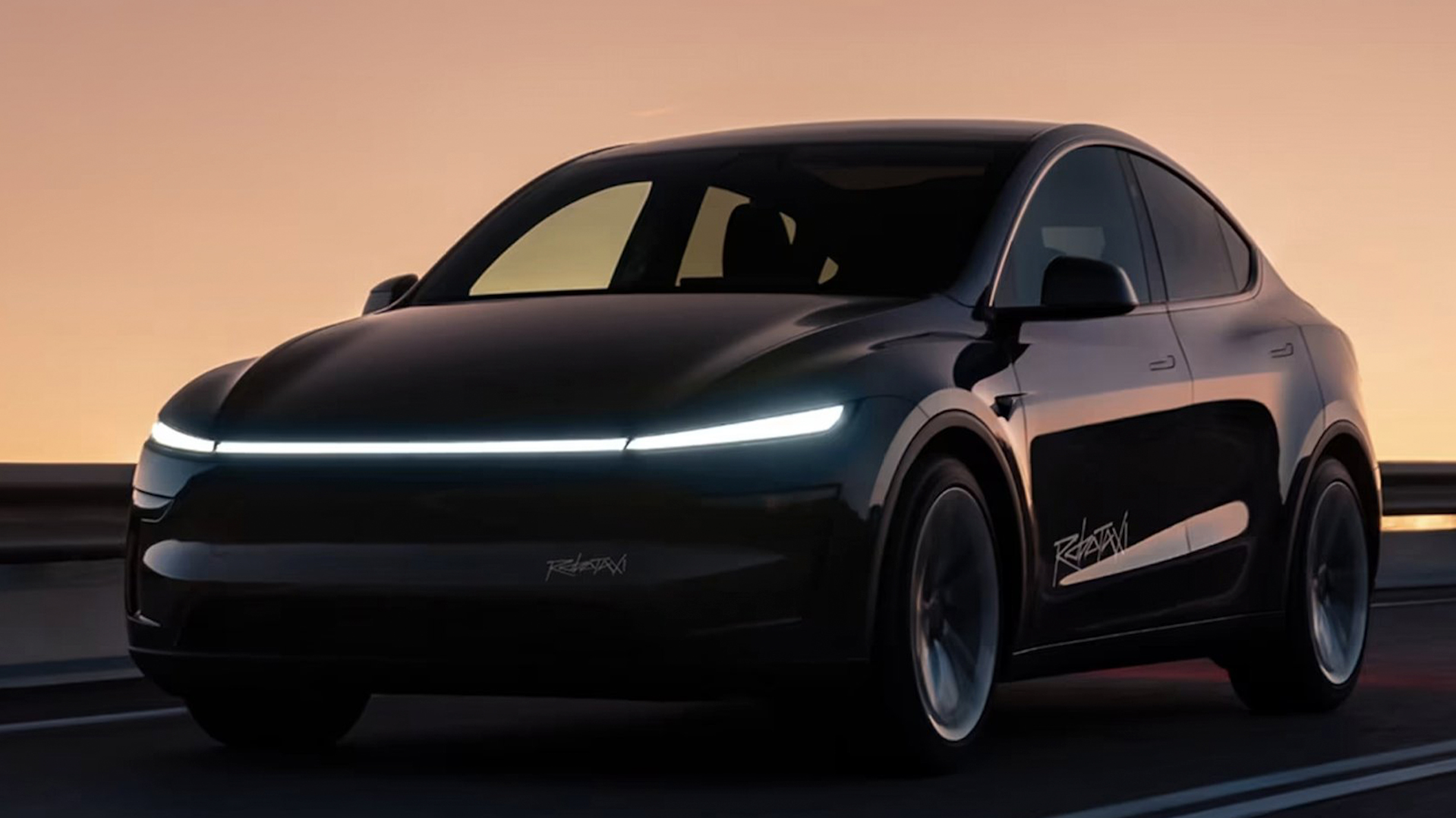
That obviously hasn’t happened yet. Meanwhile, a class-action lawsuit in California continues to wind through the courts from owners who say they paid for Full Self-Driving, expecting true hands-free capability down the road.
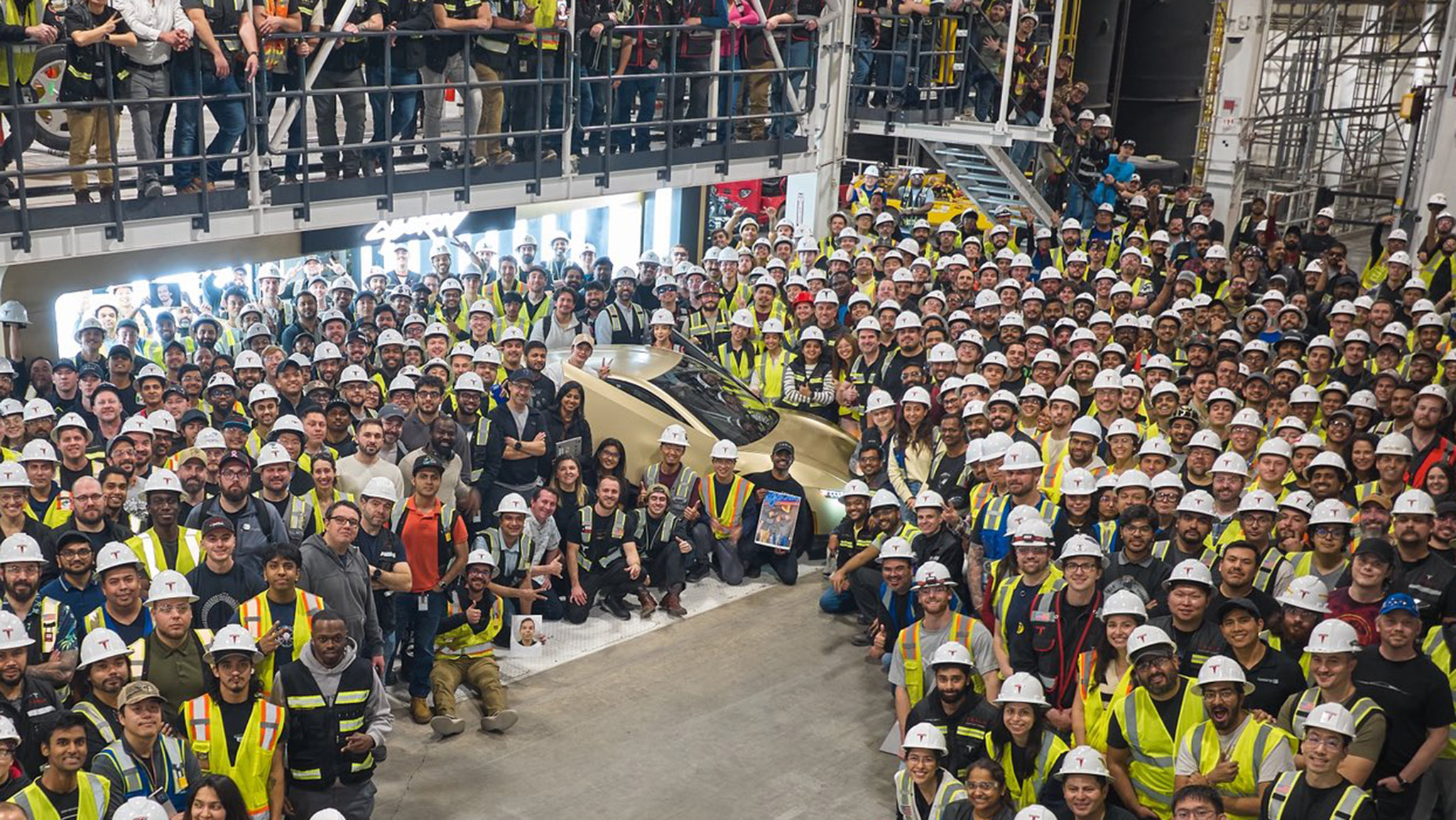
All of this unfolds as Tesla pushes to get fully autonomous robotaxis onto public roads. The company has launched a limited pilot in Austin, Texas, and recently began production of its purpose-built Cybercab. Still, the broader rollout remains small compared to earlier projections.
Clearing the “false advertiser” label in California isn’t just about semantics. It’s about credibility with regulators, with customers, and with the public. And it will be a big deal as Tesla tries to convince everyone that driverless cars really are just around the corner… this time.