









- Volkswagen warns of fake used-car sites in Europe.
- Scammers list non-existent vehicles at low prices.
- Fraudsters use fake contacts and payment details.
Scams are nothing new, but the level of sophistication surrounding them keeps rising. In some cases, they have become convincing enough that automakers themselves are stepping in to warn customers. Volkswagen is now doing exactly that, as scammers set up realistic, Volkswagen-branded used-car websites designed to look official.
When interested buyers send in cash for these attractively priced cars, it turns out that those cars don’t exist in the first place. What’s worse is that this type of scam is something we’ve seen worldwide.
Official Warning From Volkswagen
VW issued a formal statement specifically about the issue to residents of Germany, Austria, and Switzerland. In it, the automaker says “used Volkswagen models are currently offered in Germany, Austria, and Switzerland at particularly low prices. This is intended to lure potential customers and to start payment for non-existent Volkswagen used cars.”
More: Police Warn About Scary New Scam Using AI Videos Of Your Car
It goes on to note that these sites use fake email addresses, phone numbers, and bank details. The automaker asks that anyone affected by the scams contact local authorities. That said, it’s not the first time that we’ve seen similar scams pop up.
A Familiar Playbook In The United States
Almost a year ago, we reported that the state of Wisconsin issued a similar warning about fake used-car sites there. It’s the same sort of situation, but with official brands featured prominently to create an air of legitimacy.
“The fraud scheme starts online as a fake storefront,” DMV Dealer and Agent Section Chief Maura Schifalacqua explained. “An individual creates a website or a social media profile claiming to be a Wisconsin dealership.
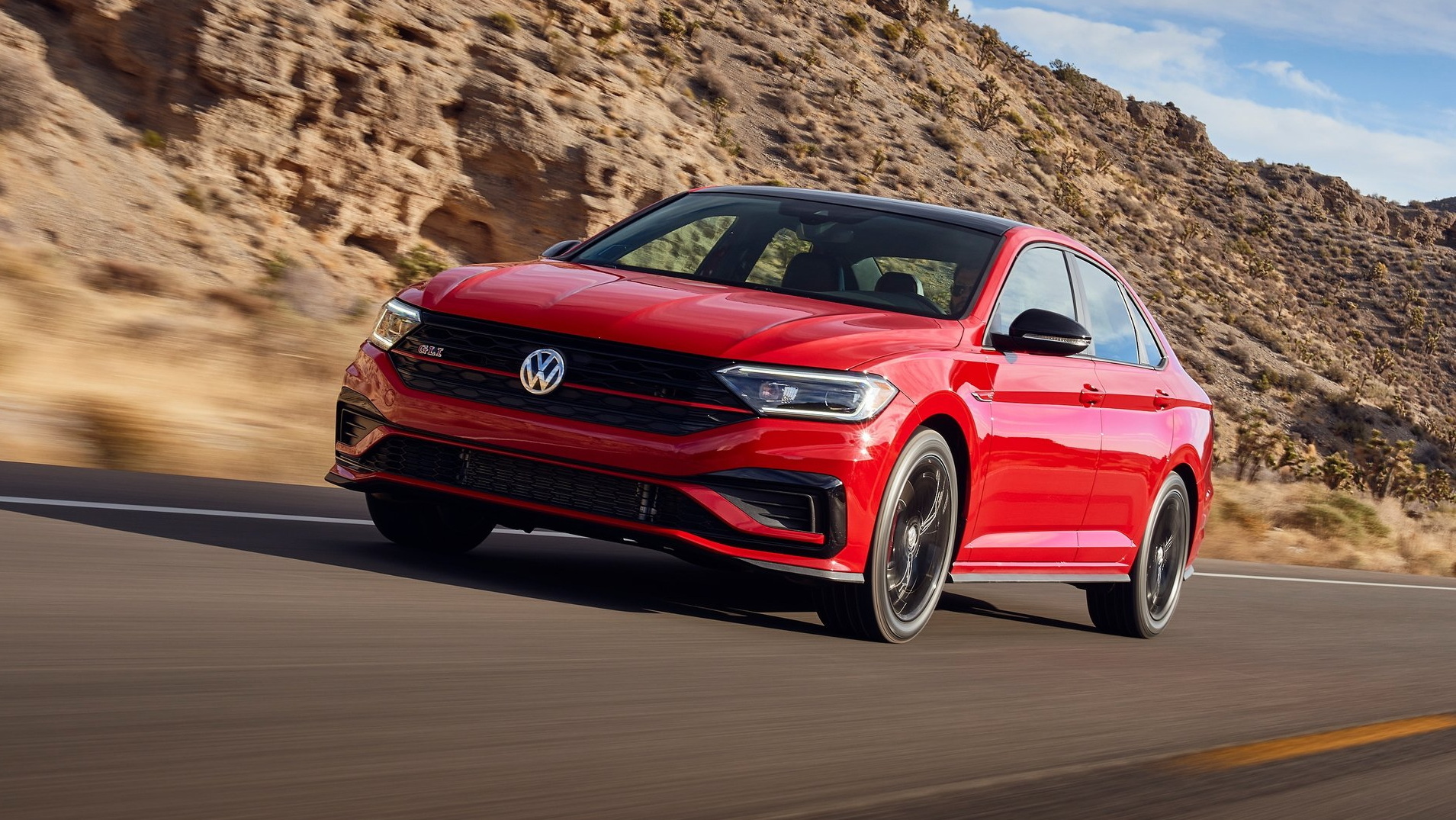
Stock images or photos of real vehicles and real Wisconsin dealerships are included to make the website seem legitimate. However, there is nothing legitimate about it. The advertised vehicles may be listed at below market value, causing interested consumers to take the bait.”
Notably, this isn’t even the first time that Volkswagen itself has warned against these scams. Back in mid-2025, it issued an almost identical warning to the same countries. That followed similar alerts from Mercedes and Audi.
Clearly, this problem is only growing and the best automakers can do is warn customers not to get duped by deals that appear too good to be true.