












- AAA study finds hit-and-run crashes now make up 15% of reports.
- Many drivers who fled lacked valid licenses or proper vehicle registration.
- The group suggests cameras and alerts, though privacy concerns remain.
Accidents involving cars happen all too often. Sadly, new data suggests the situation may be getting worse, with more drivers involved in crashes choosing to flee the scene than ever before. Evidence also indicates that many of those who run should not have been behind the wheel in the first place. Fixing this issue doesn’t appear to be a simple matter either.
According to an AAA study, in 2023, 15% of all police-reported crashes involved a driver who left the scene. That’s nearly one in seven, and the largest percentage recorded in recent years. Obviously, the consequences can be severe, especially for vulnerable road users. The study found that one in four pedestrians killed in crashes was struck by a driver who fled, with cyclists facing similar risks.
Why Do Drivers Flee Crashes?
The study provides a lot of new insight. For example, most hit-and-run instances happen under the cover of darkness. That’s when visibility is poor, fewer witnesses are present, and the chances of getting away spike. Of those ultimately caught, another statistic provides unsettling data. A large share of drivers who run lack the legal basis to be driving.
More: Sweet Instant Karma As Hit-And-Run Driver Meets The Law
A whopping 40 percent of identified drivers in a fatal hit-and-run crash didn’t have a valid driver’s license. On top of that, half were driving vehicles that weren’t registered to them. This suggests that these folks are already comfortable with operating outside of the law or at least in a fuzzy gray area.
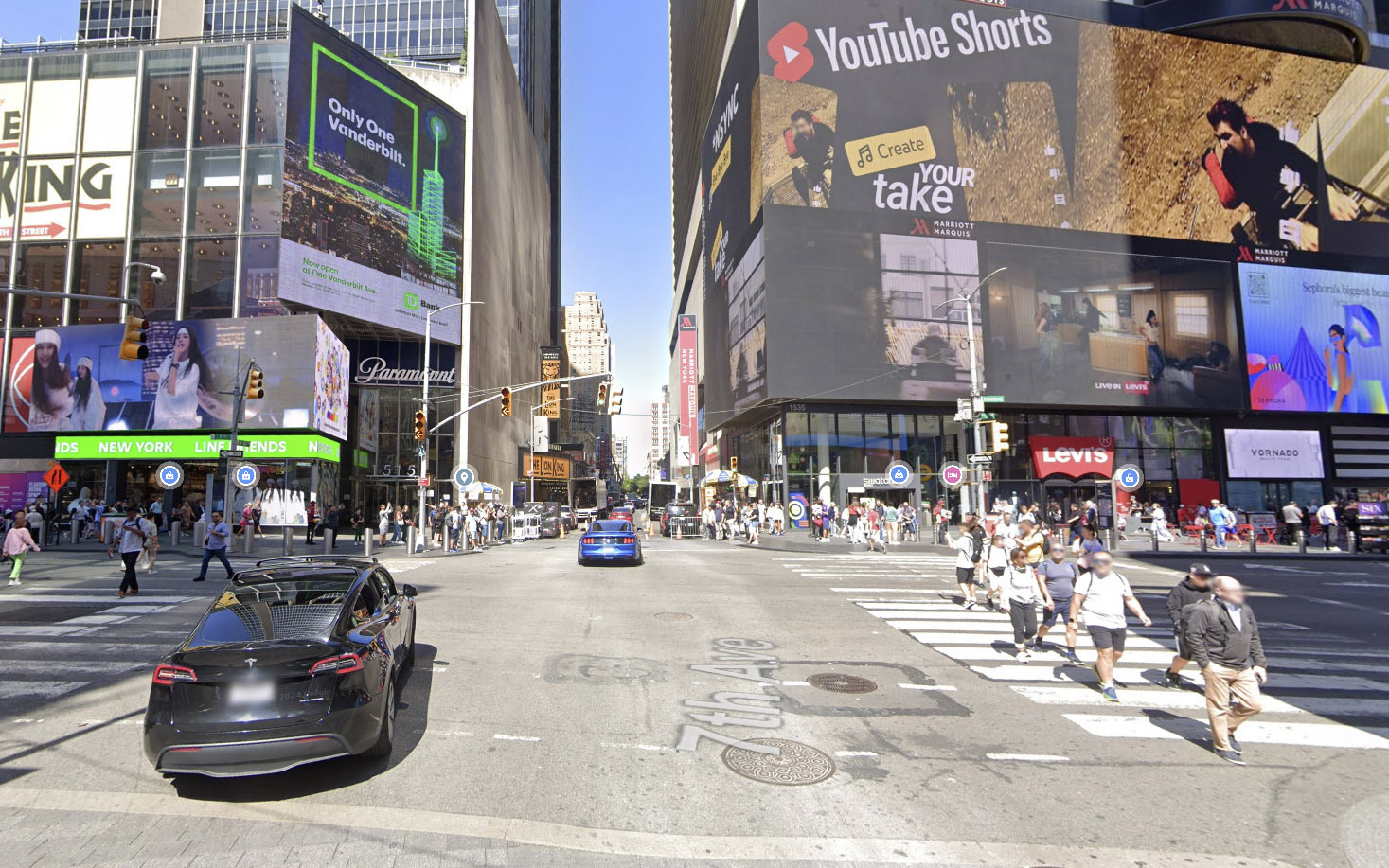
AAA also found that most identified hit-and-run drivers were young men who crashed relatively close to home, a finding that suggests panic rather than carefully planned evasion may be a factor in many cases. The crashes themselves frequently occur in places where pedestrians and cyclists are exposed and where drivers may believe they can leave unnoticed.
How Could Hit And Runs Be Reduced?
AAA suggests that solving this problem won’t come down to one or two new tactics. It suggests traffic cameras and “yellow alerts,” (like an Amber Alert but for fatal hit-and-run crashes) could help.
“Bringing down the number of hit-and-run crashes will take a multi-pronged approach,” said Jake Nelson, AAA’s Director of Traffic Safety Advocacy and Research. “Stronger enforcement, smarter use of technology, and public education can work together to change behavior — and we already have the tools to make a real difference and save lives.”
That said, there’s little question that privacy advocates won’t love the idea of more cameras tracking the public everywhere they go. On the other hand, nobody wants hit-and-run drivers on the streets, so the answer to that one is anything but easy.
Lead image IIHS / YouTube