

- BMW will collect driving footage from iX3 customers in Germany beginning April 1.
- Only specific events such as hard braking or near-misses trigger any recording.
- Faces and license plates are blurred before footage leaves the vehicle’s system.
Autonomy is supposed to lighten the load that drivers face. Of course, to do that, it has to learn from humans in the first place. Now, BMW is using technology to help its semi-autonomous systems learn directly from its customers.
Starting April 1 in Germany, the company will begin collecting image, video and sensor data from customer vehicles, beginning with the new BMW iX3 and later the i3 and other future models. BMW notes that customer consent is required before any image data is collected, and that it complies with all data protection regulations.
In other words, if you click yes, your BMW will record what happens in and around your car when something nearly goes wrong.
Read: BMW iX3 Has A 360 Camera, But You’ll Pay Monthly To Use It
The company says the feature is designed to improve systems like automatic emergency braking, lane-change assist, cross-traffic warning, and its Highway and City Assist functions. It also notes that these systems are intended to help protect not just occupants, but pedestrians, cyclists, and other road users.
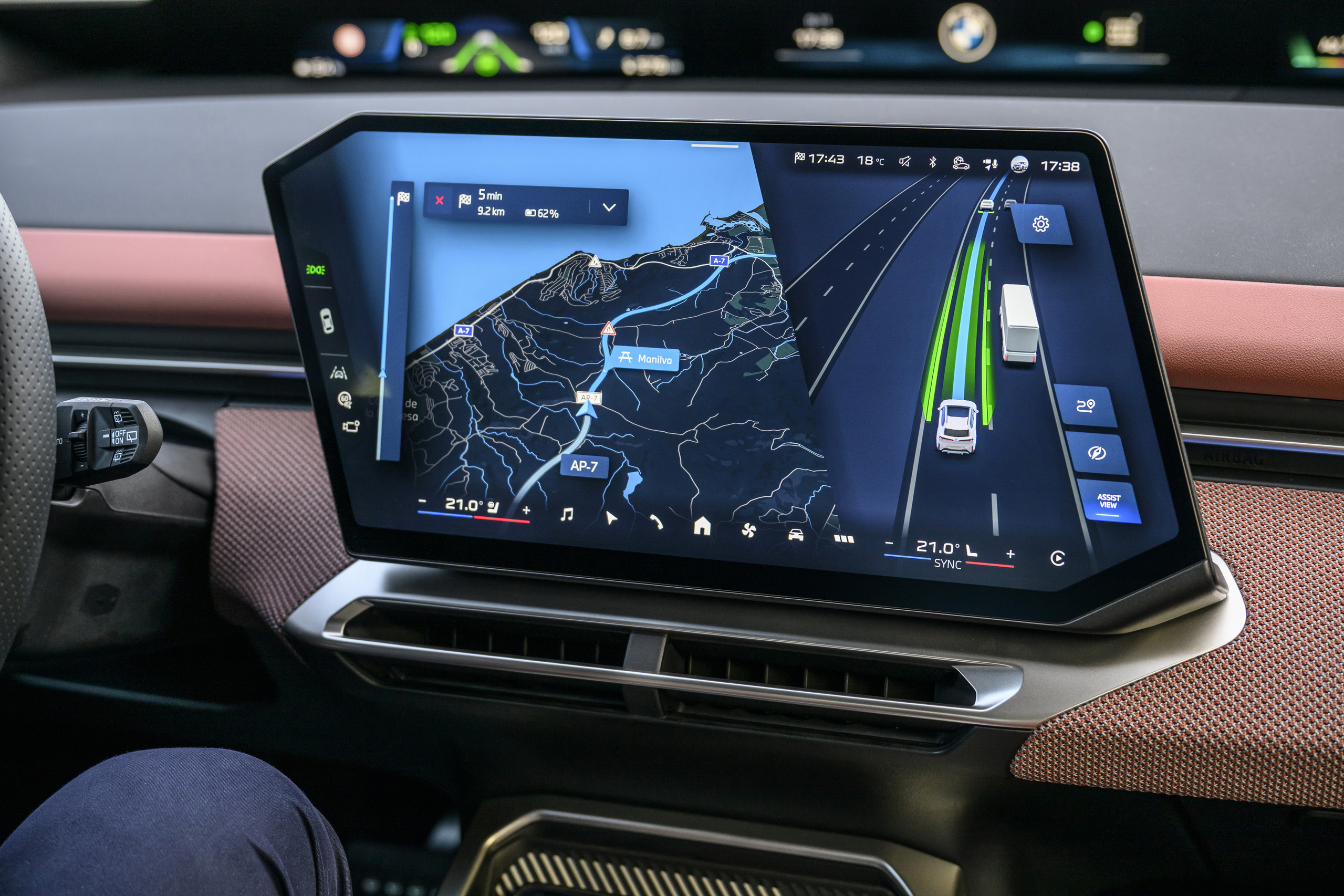
Rather than constantly uploading videos, BMW says the system only saves data during specific events. Those include hard braking, sudden evasive maneuvers, emergency braking interventions, and near-collisions during lane changes.
Also: He Braked Hard Once, Then His Insurance Jumped $100 A Month
In those situations, the vehicle can capture footage from its exterior cameras along with data such as speed, steering angle, direction of travel, and readings from other sensors. BMW says those real-world incidents are far more useful than simulations or testing with development vehicles because they show how people actually drive and how the systems react in the wild.



Notably, Tesla has done this same sort of thing for years. At one point, there was a bit of a scandal over employees being able to watch intimate moments that happened inside of customer cars. BMW stresses that in this case, it’s blurring faces, that the system is opt-in by default, and that again, it’s not watching every moment but rather only keeping video from specific events on the road.
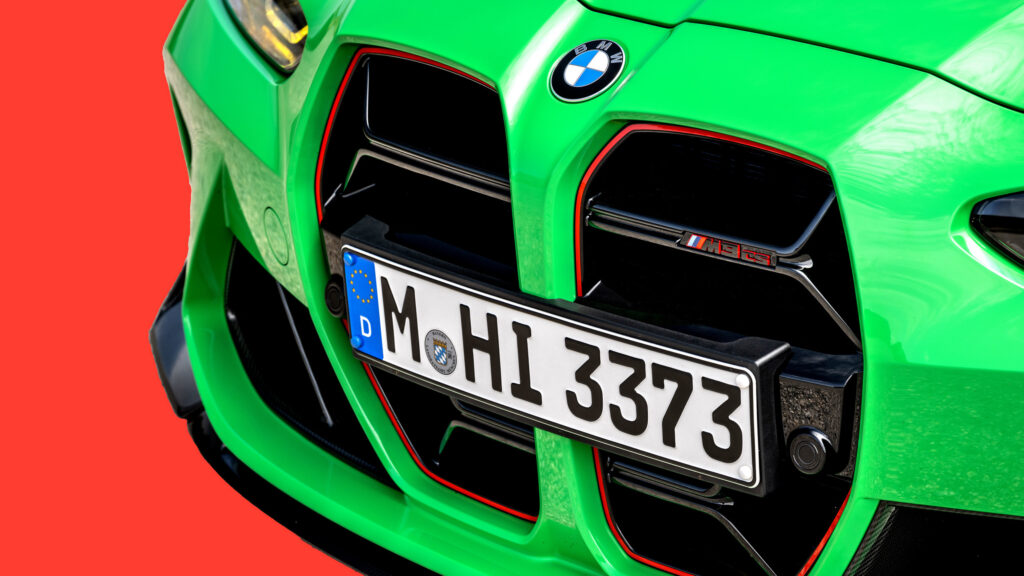
The company says license plates are anonymized before any data leaves the vehicle, at least where technically possible, and insists its systems aren’t used to identify individual road users. Once that data reaches its servers, BMW adds that the vehicle ID number is automatically stripped out, making it effectively impossible to trace any footage back to a specific car.
For now, the rollout is limited to Germany, but BMW says it plans to expand the system across the rest of the European Economic Area in stages. Any improvements developed from that data could eventually be sent back to customers through over-the-air software updates.
We’ve reached out to BMW for clarification on whether this data collection system will come to the U.S. when the iX3 and i3 arrive, and will update this story if we hear back.